# chennaiortho
> Generated by All in One SEO Pro v5.0.5.1, this is an llms-full.txt file, used by LLMs to index the site.
## Posts
### [Does a Rotator Cuff Tear Need Surgery?](https://chennaiorthopaedics.com/does-rotator-cuff-tear-need-surgery/)
**Published:** October 31, 2026
**Author:** gdcsllpworld
**Content:**
## **Does a Rotator Cuff Tear Always Need Surgery?**
No. Not every [rotator cuff tear ](https://chennaiorthopaedics.com/shoulder-treatments/arthroscopic-surgery-for-rotator-cuff-tear/)needs surgery. Plenty of people improve with non-surgical treatment. Surgery becomes more relevant for selected tears, and for people with persistent pain, weakness or functional limits that don’t settle. The decision rests on your symptoms and a clinical assessment, not on the MRI report alone.

## **What Is a Rotator Cuff Tear?**
A rotator cuff tear is damage to one or more of the tendons around the shoulder joint. You’ll also hear it called a rotator cuff injury, a torn rotator cuff or a shoulder tendon tear. Same thing.
### **What does the rotator cuff do?**
The rotator cuff is a group of muscles and tendons around the shoulder joint. It keeps the joint stable, helps you lift your arm, and lets you rotate it. When it’s torn, any of those jobs can suffer.
### **What causes a rotator cuff tear?**
• Sudden injury, including falls
• Sports
• Repetitive overhead activity
• Age-related changes in the tendon
## **What Are the Different Types of Rotator Cuff Tears?**
### **Partial-thickness tear**
The tendon is damaged but not torn all the way through. Some of its fibres are still attached.
### **Full-thickness tear**
The tear goes right through the tendon. Sometimes called a complete tear.
### **Acute traumatic tear vs chronic tear**
An acute tear follows a specific event, like a fall. A chronic tear develops gradually, often from wear over time. The cause and timeline matter, because they can influence what’s recommended.
A partial tear, especially one without significant symptoms, doesn’t automatically mean surgery. Johns Hopkins notes that surgery for partial tears is uncommon, and generally considered only for selected deep partial tears when symptoms stay uncontrolled with non-surgical treatment.
## **Can a Rotator Cuff Tear Be Treated Without Surgery?**
Often, yes. Rotator cuff tear treatment without surgery, usually called conservative treatment, is commonly tried first for many symptomatic injuries
### **Physical therapy**
• Restores movement
• Improves strength
• Improves shoulder function
• Strengthens other shoulder muscles so they can support the joint
### **Activity modification**
Avoiding the movements that aggravate your symptoms gives the shoulder a chance to settle. That usually means cutting back on overhead work or heavy lifting for a while, not stopping everything.
### **Pain management**
Appropriate medical treatment can help control pain while you rehabilitate. Your doctor can advise what suits you.
### **Injections**
An injection may ease pain and make rehabilitation easier. It isn’t a permanent fix, and it doesn’t repair the tear. Think of it as a tool to help you get moving, not a cure.
## **When Does a Rotator Cuff Tear Need Surgery?**
Surgery is usually considered for a few situations, and often a combination of them.
### **Persistent pain despite appropriate non-surgical treatment**
If pain continues despite a properly conducted rehabilitation programme, surgery may come into the discussion. The key word is properly conducted. A few weeks of half-hearted exercises doesn’t count.
### **Significant weakness or loss of shoulder function**
• Difficulty lifting the arm
• Reduced strength
• Difficulty doing your work
• Difficulty taking part in sport
• Other everyday functional limits
### **Acute traumatic tear**
A sudden tear after an injury is often treated differently from a long-standing degenerative one. Recent Mayo guidance highlights acute traumatic tears as more likely to need surgical repair in appropriate cases.
### **Large or significant tear**
Tear size and location matter. But size alone isn’t an automatic reason for surgery. Some large tears are managed well without it, and the full picture counts.
### **Active patient with substantial functional demands**
Someone whose work or sport depends on heavy or overhead use of the shoulder may weigh the decision differently from someone with lighter demands. Same tear, different priorities.
## **Can a Rotator Cuff Tear Heal Without Surgery?**
It helps to separate two things: symptoms improving, and the torn tendon structurally healing.
Non-surgical treatment can improve pain and shoulder function. But the tendon itself may not anatomically reconnect through conservative treatment. So you can feel much better without the tear having closed. For many people, feeling and functioning better is the goal, and that’s why surgery isn’t always needed.
## **What Role Does Physiotherapy Play in Rotator Cuff Tear Treatment?**
Physiotherapy sits at the centre of rotator cuff tear treatment, with or without surgery. Mayo identifies physical therapy as an important part of both conservative treatment and recovery after surgery. Its main aims:
• Improving range of motion
• Strengthening the supporting muscles
• Restoring function
• Reducing everyday limitations
• Preparing the shoulder before surgery, and rehabilitating it afterwards
Exercises should be tailored to you. The wrong ones, or the right ones done too aggressively, can set recovery back.
## **How Is a Rotator Cuff Tear Diagnosed?**
### **Clinical examination**
Usually the starting point. Your doctor asks about your symptoms, checks movement and strength, and tests how the shoulder behaves.
### **X-ray**
An X-ray doesn’t show tendons. It’s used to look at the bones and joint, and to rule out other causes of shoulder pain.
### **MRI**
MRI shows soft tissue, including the tendons, and can show the size and type of a tear.
### **Ultrasound**
Ultrasound can also assess the tendons, and it can be useful for looking at the shoulder during movement.
One point is worth stressing. An MRI finding alone doesn’t decide whether surgery is necessary. The result has to be weighed alongside your symptoms, the physical examination and how your shoulder functions.
## **What Happens During Rotator Cuff Surgery?**
### **How the surgery is performed**
The goal of rotator cuff repair surgery is to reattach the torn tendon to the bone. It’s done under anaesthesia. Your surgeon will explain which approach suits your tear.
### **Arthroscopic rotator cuff repair**
In arthroscopic repair, the surgeon works through small incisions, using a camera and fine instruments. Many repairs are done this way, though some tears may need a different approach. That’s down to the tear and the surgeon’s judgement.
### **What happens to the torn tendon?**
The tendon is brought back to its attachment on the bone and secured, commonly with small anchors. It then needs time to heal, which is why rehabilitation is so carefully staged. Healing isn’t guaranteed in every repair, and your surgeon can explain how that applies to your tear.
## **How Long Does It Take to Recover From Rotator Cuff Surgery?**
Recovery varies according to the tear, the repair and the rehabilitation programme. No two shoulders follow the same timeline.
### **Early recovery**
The repair needs protecting while it begins to heal. That usually means a period of limited use, often with a sling. Your surgeon sets how long.
### **Physiotherapy and range-of-motion phase**
Gentle movement comes first, guided by your physiotherapist. The aim is to restore motion without stressing the repair.
### **Strengthening phase**
Once the repair is ready, strengthening exercises begin gradually. Rushing this stage is a common way to get into trouble.
### **Return to work and sports**
This depends on your job, your sport and how recovery has gone. Mayo notes that a full return to vigorous physical activity can take six months or longer after repair.
## **What Happens If a Rotator Cuff Tear Is Not Treated?**
It depends on the tear. Some people keep living comfortably with an untreated tear. Others notice problems. Possible effects include:
• Persistent pain
• Weakness
• Reduced shoulder function
• Reduced range of motion
• In some chronic tears, changes in the muscle and tendon over time
That doesn’t mean every untreated tear will worsen. Current guidance recognises that some chronic tears stay manageable with non-surgical treatment. Still, if symptoms are changing, it’s worth having the shoulder checked.
## **When Should You See an Orthopaedic Specialist for a Rotator Cuff Tear?**
Consider seeing a shoulder specialist if you have:
• Persistent shoulder pain
• Significant weakness
• Difficulty raising the arm
• A sudden traumatic shoulder injury
• Symptoms that continue despite conservative treatment
• A significant impact on work or daily activities
For an assessment of whether your tear needs surgery, you can consult [Dr. Bharani Kumar Dayanandam](https://chennaiorthopaedics.com/best-arthroscopic-surgeon/) at [Chennai Orthopaedics](https://chennaiorthopaedics.com/).
## **Frequently Asked Questions**
### **Does every rotator cuff tear need surgery?**
No. Many tears improve with non-surgical treatment. Surgery is usually considered for selected tears, particularly with persistent symptoms or significant functional loss.
### **When does a rotator cuff tear need surgery?**
Typically when pain continues despite proper rehabilitation, when weakness limits function, after some acute traumatic tears, or when functional demands are high. Assessment decides.
### **Can a rotator cuff tear heal without surgery?**
Symptoms can improve without surgery. The torn tendon itself may not reconnect, though. Better pain and function don’t necessarily mean the tear has healed.
### **Can physiotherapy treat a rotator cuff tear?**
It can improve movement, strength and function, and it’s a core part of non-surgical care. It doesn’t repair the tear itself, and results vary.
### **Does a full-thickness rotator cuff tear always need surgery?**
Not always. A full-thickness tear is more likely to be considered for surgery, but symptoms, function, tear characteristics and your goals all count.
### **Does a partial rotator cuff tear need surgery?**
Usually not. Surgery for partial tears is uncommon, and generally reserved for selected deep tears when symptoms persist despite non-surgical treatment.
### **How long does rotator cuff surgery recovery take?**
It varies with the tear, the repair and rehabilitation. A full return to vigorous activity can take six months or longer.
### **What happens if a rotator cuff tear is not treated?**
Some tears stay manageable. Others can bring ongoing pain, weakness or reduced movement. Persistent or changing symptoms are worth assessing.
### Share this:
- [ Share on X (Opens in new window) X](https://chennaiorthopaedics.com/does-rotator-cuff-tear-need-surgery/?share=twitter)
- [ Share on Facebook (Opens in new window) Facebook](https://chennaiorthopaedics.com/does-rotator-cuff-tear-need-surgery/?share=facebook)
-
**Categories:** Uncategorized
---
### [How Do You Treat Shoulder Muscle Pain?](https://chennaiorthopaedics.com/shoulder-muscle-pain/)
**Published:** October 29, 2026
**Author:** gdcsllpworld
**Excerpt:** Shoulder Muscle Pain Cause and treatment
**Content:**
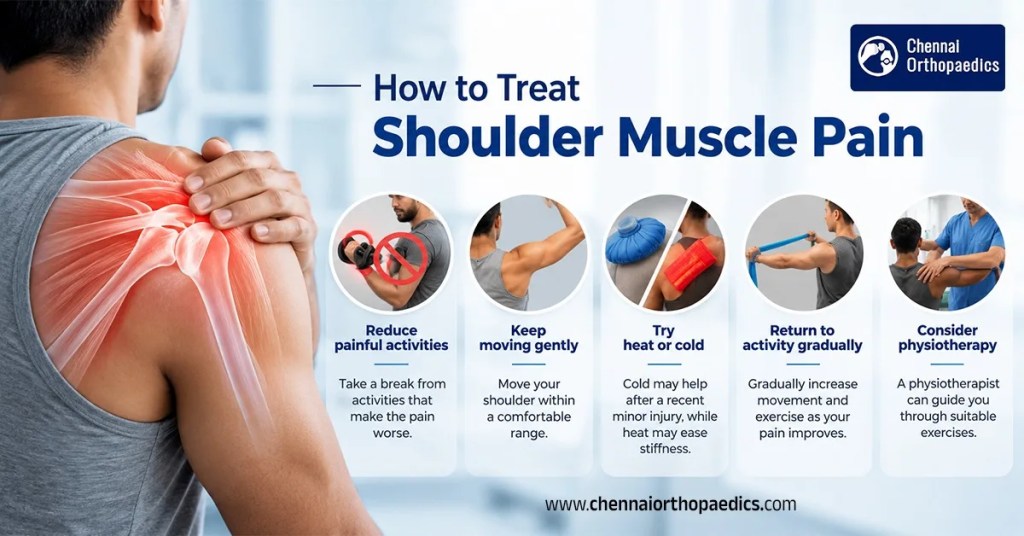
Mild shoulder muscle pain usually settles with a few simple steps. Ease off whatever aggravates it. Keep the shoulder gently moving. Use heat or cold for short-term relief, then add suitable exercises. Don’t immobilise the shoulder without medical advice, though. Pain that’s persistent, severe or follows an injury needs professional assessment
• Reduce activities that clearly make it worse
• Keep the shoulder moving gently within comfort
• Use heat or cold briefly for relief
• Add appropriate exercises as pain settles
• Get assessed if pain is persistent, severe or follows an injury
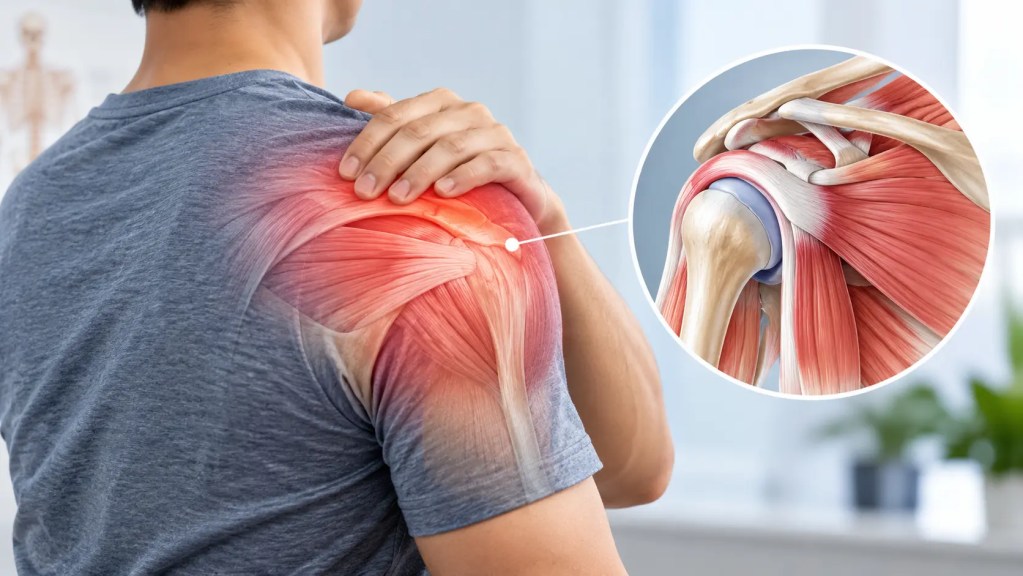
## What Is Shoulder Muscle Pain?
Shoulder muscle pain usually means an ache, tightness or soreness in the muscles around the shoulder and upper back. Sometimes it’s simple soreness. Sometimes it’s a strain. But pain that feels muscular can come from the joint, the tendons, even the neck. Same feeling, different causes, and symptoms alone can’t tell you which one you’ve got.
### **What Can Cause Shoulder Muscle Pain?**
A lot of ordinary things can set it off:
- `Overuse and repetitive movements`
- `Exercise or lifting`
- `Poor posture, or long stretches of sitting`
- `Muscle strain or a sudden injury`
- `Your sleeping position`
- `Neck-related pain, including irritated nerves`
Tendon problems can feel much the same, including the rotator cuff, the group of muscles and tendons that steady the shoulder joint. Another reason a pain that sticks around deserves a proper look.
## How Can You Treat Shoulder Muscle Pain at Home?
For mild pain, work through these in order:
1. Reduce the activities that make it worse.
2. Keep the shoulder gently moving.
3. Try heat or cold, appropriately.
4. Use suitable pain relief if appropriate.
5. Return to normal activity gradually.
**Reduce Activities That Make the Pain Worse**
Back off painful lifting, overhead work and repetitive movements for a while. That’s relative rest. It isn’t the same as doing nothing. Keep up comfortable everyday movement, because stopping using the shoulder altogether usually leaves it stiffer, not better.
**Keep the Shoulder Moving Gently**
Stay inside a comfortable range. Slow pendulum swings (arm hanging, swinging gently) and easy shoulder-blade movements are common starting points. Don’t force anything that hurts. As it eases, build back up gradually. Skip the leap straight to full effort.
**Use Heat or Cold for Short-Term Relief**
Cold can help after a recent minor injury. Heat often feels better for stiffness and tension. Either way, keep it short and put a cloth between the pack and your skin. Both can bring relief, and which one suits you depends partly on your symptoms, their timing, and how you respond.
**Consider Suitable Pain Relief**
If pain is stopping you moving or sleeping, ask a pharmacist or doctor what’s suitable for you. Follow the directions on the packaging. And don’t keep medicating to push through pain that’s getting worse.
## **Is Heat or Ice Better for Shoulder Muscle Pain?**
Neither wins every time. It depends on what’s going on in your shoulder.
| **Situation** | **Potentially useful option** | **Important note** |
|---|---|---|
| Recent minor injury | Cold | Protect your skin and keep applications short |
| Muscle stiffness or tension | Heat | Avoid excessive heat |
| Ongoing shoulder pain | Either may bring comfort | The underlying cause matters |
| Symptoms getting worse | Neither should replace assessment | Seek medical advice |
### **When Can Physiotherapy Help Shoulder Muscle Pain?**
Worth considering when pain lingers, movement is reduced, or pain is getting in the way of work, sleep or daily life. It also suits recurring shoulder problems, recovery after an injury, and anyone who needs supervised strengthening or mobility work. Expect mobility exercises, strengthening, posture advice and a rehab plan built around you.
### **What Happens During Physiotherapy for Shoulder Pain?**
1\. History and symptom discussion
2\. Movement assessment
3\. Strength and functional assessment
4\. Exercise selection
5\. A home exercise programme
6\. Progress monitoring
### **When Should You See a Doctor for Shoulder Muscle Pain?**
See a doctor if:
- The pain is getting worse
- It isn’t improving
- Movement is becoming difficult
- It interferes with sleep or normal activities
- Episodes keep coming back
- It followed an accident or injury
- Weakness or altered sensation develops
As a rough benchmark, NHS guidance suggests getting shoulder pain assessed if it hasn’t started improving after around two weeks. Timing still depends on severity, cause and your own situation. Sound familiar? Dr. Bharani Kumar at [chennaiorthopaedics](https://chennaiorthopaedics.com/) can examine the shoulder and work out what’s actually behind the pain.
## **What Shoulder Pain Symptoms Need Prompt Medical Attention?**
Most shoulder pain isn’t an emergency. A few signs, though, mean prompt assessment rather than home care.
**Seek Prompt Medical Assessment If You Have:**
• Sudden severe pain
• Inability to move the arm
• Visible deformity
• Significant swelling
• Persistent numbness or pins and needles
• A shoulder or arm that feels unusually hot or cold
• Pain after a fall or significant injury
• Fever, or feeling generally unwell
• Severe pain affecting both shoulders
## **How Long Does Shoulder Muscle Pain Take to Heal?**
It varies a lot. Mild soreness can settle fairly quickly. Strains and overuse problems tend to take longer. Pain that lingers might point to something else underneath. Nobody can honestly give you an exact recovery period without knowing the cause.
### **What Can Affect Recovery Time?**
• The cause of the pain, and how severe it is
• How active you are
• Previous shoulder injuries
• Your age and general health
• Whether your exercises suit your condition
• Whether treatment started early, where it was needed
## **How Can You Prevent Shoulder Muscle Pain From Coming Back?**
### **Improve Posture and Work Position**
Look at your desk setup. Keep the screen at a comfortable height so you’re not hunching or craning forward. Notice how you hold your shoulders, and take regular movement breaks instead of sitting for hours.
### **Build Shoulder Strength Gradually**
Stronger shoulder and upper-back muscles cope better with everyday load. Build up slowly. Had repeated problems? Let a physiotherapist guide you.
### **Avoid Sudden Increases in Exercise or Lifting**
Going from barely any activity to a heavy session is a classic set-up for a strain. Raise weights, reps or time in small steps.
### **Warm Up Before Exercise**
A few minutes of gentle movement gets the muscles ready. Skip it and you’re more likely to end up sore.
## **Frequently Asked Questions About Shoulder Muscle Pain**
**How can I treat shoulder muscle pain at home?**
Ease off whatever aggravates it, keep the shoulder moving gently, and try short spells of heat or cold. Return to normal activity gradually. Not improving after a couple of weeks, or severe from the start? Get it assessed rather than carrying on alone.
**How long does shoulder muscle pain take to heal?**
Depends on the cause and severity. Mild soreness may settle quickly; strains can take longer. Pain that’s lasting or getting worse is a reason for assessment, not for waiting indefinitely.
**Is heat or ice better for shoulder muscle pain?**
Cold often suits a recent minor injury. Heat often suits stiffness or muscle tension. Your own response matters, and so does the cause of the pain. Keep both brief, protect your skin, and don’t use either instead of an assessment.
**What exercises help shoulder muscle pain?**
Gentle mobility work, pendulum movements, shoulder-blade exercises, suitable stretching and gradual strengthening are the usual choices. They need to suit your condition, though. If an exercise increases your pain, or you’re unsure, ask a physiotherapist or doctor.
**When should I see a doctor for shoulder pain?**
Get it checked if it’s persistent, worsening, severe, follows an injury, or limits your movement. Numbness, weakness or pain after a fall also need assessment, and some signs mean prompt attention, not waiting.
**Can shoulder muscle pain go away on its own?**
Some mild cases do, with self-care and sensible activity. But persistent or worsening pain shouldn’t just be left. No improvement after around two weeks? A professional assessment is a reasonable next step.
### Share this:
- [ Share on X (Opens in new window) X](https://chennaiorthopaedics.com/shoulder-muscle-pain/?share=twitter)
- [ Share on Facebook (Opens in new window) Facebook](https://chennaiorthopaedics.com/shoulder-muscle-pain/?share=facebook)
-
**Categories:** Uncategorized
---
### [5 Mistakes to Avoid After Total Knee Replacement Surgery](https://chennaiorthopaedics.com/mistakes-after-knee-replacement/)
**Published:** September 23, 2026
**Author:** suneethagdcs@gmail.com
**Content:**
A new knee doesn’t come with an instruction manual most people actually read. It comes with a discharge folder, a followup appointment, and a vague sense that things will get better with time.They do but only if a handful of common missteps get avoided along the way. The main mistakes after knee replacement include remaining inactive, doing too much too soon, ignoring prescribed rehabilitation, changing medicines without medical advice and neglecting the surgical wound or warning signs. None of them are exotic. All of them are avoidable.
## Mistake 1: Remaining Inactive and Avoiding Movement
Bed rest feels like the safe choice after surgery. It isn’t. Stay still too long and the knee stiffens, the surrounding muscles weaken, and mobility that was hard-won on the operating table starts slipping away quietly, day by day.
So movement matters, early and often. Surgeon approved walking, using whatever support has been recommended a walker, a cane, a frame should start as advised. That said, walking isn’t a stand-in for the actual rehabilitation exercises. They’re partners, not substitutes for one another.
Caregivers matter here too. Clear the pathways. Pull up loose rugs. Tuck away stray cords. A safe walking route sounds like a small thing until someone trips over an extension cable three days post-op.
How far should someone walk in those first weeks? There isn’t a tidy universal number it depends on the surgery itself, the person’s baseline fitness, and what the surgeon has specifically laid out.
## Mistake 2: Skipping Exercises or Performing Them Incorrectly
Physiotherapy isn’t a suggestion tacked onto the discharge papers. Strength, range of motion, the ability to climb stairs or get up from a chair without wincing — all of it comes back through that plan, not around it.
Then there’s the internet. Plenty of postoperative exercise videos circulate online, performed by people whose knee, whose surgery, whose healing timeline has nothing to do with the person watching. Borrowing someone else’s routine can undo more than it helps.
The opposite mistake exists too pushing through severe or worsening pain, treating discomfort as something to power past rather than a signal to ease off. Exercise type, frequency and progression should come from the surgeon or physiotherapist directly, adjusted as recovery actually unfolds, not from a fixed script.
Skip the rehab, and recovery stalls. Overdo it, and recovery stalls just the same, from the other direction. Authoritative guidance is consistent on this point: a structured, individualised postoperative plan beats any one-size-fits-all routine, every time.
## Mistake 3: Doing Too Much Too Soon
Recovery moves in stages. Not a straight climb, more like a slow staircase and skipping steps by returning to driving, work, stairs, heavy lifting or anything strenuous before getting clearance puts the new joint at risk it doesn’t need to take.
Keep using the walker or cane for as long as advised, even once things start feeling almost normal. Confidence tends to arrive well before the healing does.
● Avoid falls and sudden twisting movements around the knee
● Steer clear of high-impact activity until cleared
● Resume driving, stairs and lifting only with surgeon approval
There’s no calendar date that applies across the board here. Two patients with the same surgery can recover on entirely different timelines, which is exactly why blanket return-to-activity dates don’t hold up.
## Mistake 4: Changing Medication or Aftercare Without Medical Advice
Discharge instructions around pain medicine and clot-prevention treatment aren’t arbitrary they’re written for a reason, and they’re meant to be followed as written, not adjusted based on how someone happens to feel that morning.
Stopping a medicine early. Doubling up a dose. Adding something new without checking first. Each of these can introduce risks that outweigh whatever relief was being chased. And side effects, when they show up, belong in a conversation with the healthcare team not in a decision made alone at the kitchen table.
Unclear instructions call for a phone call to the surgeon’s office, not a guess.
## Mistake 5: Neglecting Wound Care or Ignoring Warning Signs
The incision deserves exactly the care the surgical team laid out — nothing improvised, nothing borrowed from a home remedy. Unapproved creams, soaking the wound, touching it more than necessary — these all invite complications that were entirely avoidable.
Some signs shouldn’t wait for the next scheduled appointment:
● Increasing redness around the incision
● Drainage that continues or changes in appearance
● Worsening swelling
● Fever
● Escalating pain, rather than the expected gradual improvement
A smaller set of symptoms is more urgent still. New calf pain or swelling, chest pain, breathing difficulty these can point toward a blood clot or pulmonary embolism, and they call for emergency care, full stop, not a message left for the next available slot. Wound infection and postoperative complications need timely recognition and professional assessment. Knowing the line between ordinary postoperative discomfort and something more serious is worth learning ahead of time, before it’s the middle of the night and that line actually matters.
## Frequently Asked Questions
**What should you not do after knee replacement surgery?**
Skip the inactivity, skip the overdoing-it, skip the borrowed exercise routines and the self adjusted medicines, and don’t ignore the wound. Each of those, on its own, can slow recovery or open the door to complications.
**How much should I walk after knee replacement?**
Gradually, and according to whatever plan the surgeon or physiotherapist has set out. One distance or duration doesn’t fit every patient here it genuinely varies.
**Can you exercise too much after knee replacement?**
It’s possible, yes. Excessive or poorly performed exercise can worsen pain or swelling instead of speeding anything up. If symptoms are persistent or getting worse, that’s worth flagging to the rehabilitation team rather than pushing through.
**What warning signs should caregivers watch for?**
Wound changes, fever, worsening pain, unusual leg swelling, calf pain, chest pain, breathing difficulty. The last two especially those call for urgent care, not a wait-and-see approach.
### Share this:
- [ Share on X (Opens in new window) X](https://chennaiorthopaedics.com/mistakes-after-knee-replacement/?share=twitter)
- [ Share on Facebook (Opens in new window) Facebook](https://chennaiorthopaedics.com/mistakes-after-knee-replacement/?share=facebook)
-
**Categories:** Uncategorized
---
### [10 Simple Daily Habits for Healthy, Pain-Free Knees](https://chennaiorthopaedics.com/daily-habits-healthy-knees/)
**Published:** September 23, 2026
**Author:** suneethagdcs@gmail.com
**Content:**
Most people don’t think about their knees. Not until a flight of stairs feels different, or a squat that used to be easy suddenly isn’t. Staying active, keeping weight in a healthy range, moving through the day instead of sitting still these small habits do the real work of protecting the joint, long before strain becomes a problem.

## Why Daily Knee Care Matters
Strong muscles around the joint, a manageable body weight, steady circulation the knee needs all three to stay stable. Skip movement for too long, or push through repeated stress without recovery, and cartilage wears down quietly. Even how you sit at a desk or walk to your car adds up. Small patterns, repeated daily, decide a lot about whether knee pain shows up years later.
## 10 Daily Habits That Support Healthy Knees
**1. Maintain a Healthy Body Weight**
Every extra pound presses down on the knee joint with each step and the multiplier is bigger than most people expect. A healthy body weight, built through balanced eating and regular movement, takes that load off. Less pressure, less wear on the cartilage over time.
**2. Stay Physically Active**
Joints need motion to stay nourished. Swimming, cycling, a brisk walk low-impact exercise for knees keeps fluid circulating without hammering the joint. Sitting still all day sounds gentler, but it isn’t. Unused muscles weaken, and a weaker support system means the knee ends up carrying more than it should.
**3. Strengthen the Muscles Around Your Knees**
Quadriceps, hamstrings, calves these are the shock absorbers. Squats, step-ups, leg raises: simple knee-strengthening exercises that build the muscles supporting the knee and pull load away from the joint itself. Stronger muscles, a steadier knee.
**4. Stretch Regularly**
Tight hamstrings and calves tug at the kneecap and change how it moves. Nothing dramatic is needed to fix that a few minutes of stretching most days improves knee flexibility and keeps tissue around the joint loose. With stretches for healthy knees, showing up regularly beats going hard once a week.
**5. Avoid Sitting for Long Periods**
Sit too long and the knee stiffens blood flow to the area drops, and stiffness creeps in without much warning. Somewhere around the 30 to 45 minute mark is when it starts. A quick break helps: stand up, walk a few steps, bend the knee a couple of times. Small interruptions keep it from locking up.
**6. Wear Supportive Footwear**
Old, worn-down shoes change how weight lands on the knee, step after step. Supportive footwear real cushioning, decent arch support helps protect your knees from that repetitive impact. Worth paying attention to if your day involves a lot of walking or standing.
**7. Use the Correct Exercise Technique**
Bad form turns an ordinary squat or lunge into uneven stress on the joint. Knees tracking over the toes, movement under control, no slamming the joint straight at the top of a rep that’s proper exercise form, and it does more for preventing knee injuries than most people realize.
**8. Warm Up Before Physical Activity**
A stiff, cold joint doesn’t handle strain well. Give it a few minutes first a short warm-up for knee health gets blood flowing and loosens things up before the real effort starts. It’s a small step, but it matters most right before anything intense or high impact.
**9. Avoid Overloading Your Knees**
Jump into a much harder routine too fast, and the joint can’t keep up. Gradual exercise progression a bit more distance, a bit more weight, week over week gives tissue time to adapt instead of breaking down. That patience is what prevents knee strain before it starts.
**10. Do Not Ignore Persistent Knee Pain**
Soreness after a hard workout, fine. Persistent knee pain is a different thing entirely it’s the body flagging something, and pushing through it usually lets a small issue turn into a bigger one. Pain that hangs around for more than a few days is worth a visit to an [orthopaedic doctor](https://chennaiorthopaedics.com/best-arthroscopic-surgeon/).
## **When Should You Seek Medical Advice?**
Rest and home care fix a lot of knee discomfort but not all of it. If you’re dealing with persistent knee pain and swelling, a knee that feels like it might give way, locking or catching when it moves, stiffness that won’t ease up, or real difficulty putting weight on it, that’s beyond the wait-and-see stage. Book an [orthopaedic consultation](https://chennaiorthopaedics.com/). Those signs usually mean something underneath needs a proper look.
## Frequently Asked Questions
**What daily habits help keep the knees healthy?**
A handful of things, done consistently: staying active, keeping body weight in a healthy range, strengthening the muscles around the knee, stretching, and wearing footwear that actually supports the joint.
**Which exercises are good for knee health?**
Stick to low-impact work walking, swimming, cycling and pair it with strength moves like squats and step-ups. That combination covers both endurance and support.
**How can I protect my knees as I age?**
Consistency does most of the heavy lifting here. Stay active, watch your weight, keep the surrounding muscles strong, and don’t brush off pain when it shows up deal with it early instead.
**Can walking help prevent knee pain?**
It can. Walking builds the muscles that support the knee and keeps joint fluid moving, all without the pounding that higher impact activity brings.
**When should I see a doctor for knee pain?**
If pain sticks around, swelling shows up, or the knee starts feeling unstable, locking, or hard to put weight on that’s the point to stop waiting and get it checked.
## Make Knee Health a Daily Priority
It really does come down to consistency. Daily movement, sensible weight management, paying attention rather than waiting for a problem that’s what keeps knees healthy and pain free over the long run. And if pain does show up and won’t let go, or starts getting in the way of everyday life, don’t wait it out. Get it looked at.
### Share this:
- [ Share on X (Opens in new window) X](https://chennaiorthopaedics.com/daily-habits-healthy-knees/?share=twitter)
- [ Share on Facebook (Opens in new window) Facebook](https://chennaiorthopaedics.com/daily-habits-healthy-knees/?share=facebook)
-
**Categories:** Uncategorized
---
### [How Long Does a Knee Replacement Last? Key Factors](https://chennaiorthopaedics.com/how-long-does-knee-replacement-last/)
**Published:** September 10, 2026
**Author:** suneethagdcs@gmail.com
**Content:**
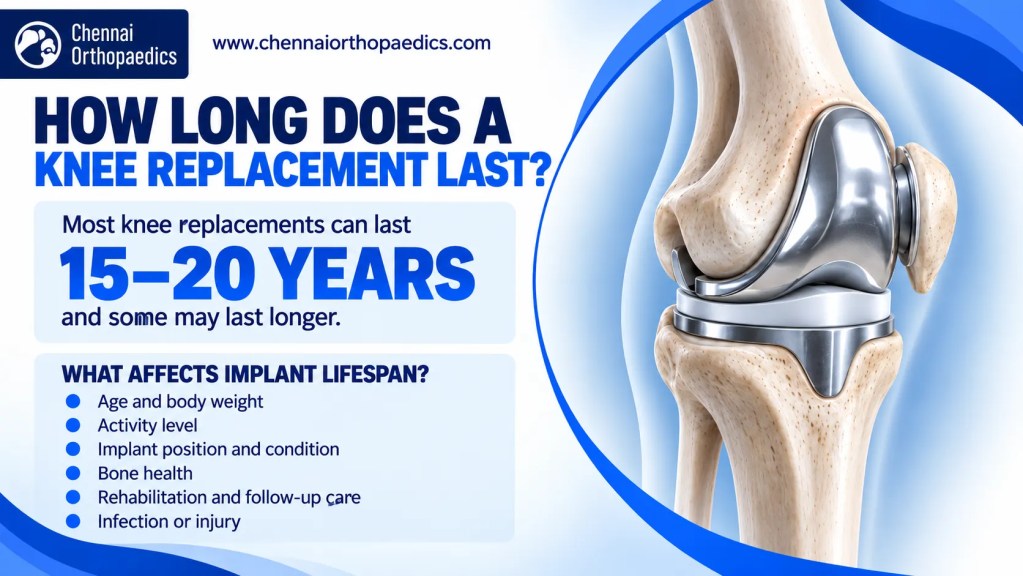
Fifteen to twenty years. That’s the figure most surgeons will give you if you ask them directly, and it’s a fair one though plenty of implants quietly outlast it, sometimes running 20, 25 years or more without issue. There isn’t a fixed shelf life stamped on the thing. What you actually get depends on your age, your weight, how hard you use the joint, how well it was positioned in surgery, and, frankly, how seriously you take the recovery afterward.
## **What Is the Average Lifespan of a Knee Replacement?**
The 15–20-year number comes from population data studies tracking large groups of patients over time not from any promise made about your specific knee. It’s worth treating it as a planning figure rather than a countdown clock. Plenty of people are still walking around comfortably on implants well past the two-decade mark. When orthopaedic surgeons talk about longevity, what they mean is how long the joint keeps functioning before it needs revision surgery. Nobody can hand you an exact date. What they can offer is a range built from people whose situations looked something like yours.
## **What Factors Affect How Long a Knee Replacement Lasts?**
Age is a bigger factor than most people expect someone who gets a replacement at 50 is, statistically, more likely to need a second procedure down the line simply because they’ll be putting decades more wear on it than someone who has the surgery at 75. Weight matters too, for the obvious reason: more load on the joint every single day adds up. Then there’s activity level. Running and jumping put a different kind of stress on an implant than walking does, and that difference compounds over years.
Beyond lifestyle, there’s the surgery itself. How precisely the implant was aligned during the operation has a real, lasting effect on how the joint moves and how evenly it wears. The materials and design of the implant play a role as well not all components are built the same. Your underlying bone health matters, along with any other conditions you’re managing and your baseline infection risk. And rehab isn’t optional in this picture; skipping physiotherapy or doing it half-heartedly tends to show up later as reduced strength and mobility. Injury or infection, if either happens, can also damage the joint or loosen the implant outright.
### **How Can You Help a Knee Replacement Last Longer?**
A decent chunk of this is within your control. Keeping your weight down takes real, measurable pressure off the joint over time. Sticking with physiotherapy genuinely sticking with it, not just for the first few weeks pays off more than people assume. You don’t need to give up being active either; walking, swimming, and cycling are generally fine and even encouraged, it’s the high-impact stuff (think repeated running or jumping) that’s worth avoiding unless your surgeon has explicitly said otherwise. Watch your footing to avoid falls, don’t skip your follow-up appointments even when everything feels fine, and if something new shows up pain, swelling, a sense that the knee isn’t quite right say something early instead of waiting to see if it passes. None of this guarantees a set number of years. It just tilts the odds in your favor.
### **What Are the Signs of a Worn or Loose Knee Replacement?**
A few signs are worth taking seriously: pain that’s new or getting worse, swelling that won’t settle down, stiffness that keeps creeping up, a feeling that the knee might buckle or give way, a noticeable loss of range of motion, or walking becoming harder than it used to be. None of these automatically mean the implant has failed, though — infection, a separate injury, or another knee issue entirely can look almost identical from the inside. The only real way to know is an orthopaedic exam, usually paired with imaging.
### **Can a Knee Replacement Be Replaced Again?**
Yes, and it happens more often than people assume. When an implant wears out, loosens, or gets damaged, surgeons can go back in and perform what’s called revision knee replacement removing and replacing some or all of the original components. It tends to be a more complicated operation than the first one was, simply because there’s more scar tissue and altered bone to work around. Whether it’s actually needed comes down to your symptoms, what the imaging shows, the state of your bone, whether infection is a factor, and your overall health at the time.
## Conclusion
Fifteen to twenty years is the realistic middle ground, with plenty of people landing well beyond it. Where you personally end up depends on a combination of things some in your control, some not. If new pain, swelling, or instability shows up, don’t sit on it. Getting it looked at by an [orthopaedic specialist ](https://chennaiorthopaedics.com/best-arthroscopic-surgeon/)early is generally the difference between a quick fix and a bigger problem later.
### Share this:
- [ Share on X (Opens in new window) X](https://chennaiorthopaedics.com/how-long-does-knee-replacement-last/?share=twitter)
- [ Share on Facebook (Opens in new window) Facebook](https://chennaiorthopaedics.com/how-long-does-knee-replacement-last/?share=facebook)
-
**Categories:** Knee Replacement Surgery
---
### [Knee Replacement Surgery Recovery Tips for Safe Healing](https://chennaiorthopaedics.com/knee-replacement-surgery-recovery/)
**Published:** September 9, 2026
**Author:** suneethagdcs@gmail.com
**Content:**
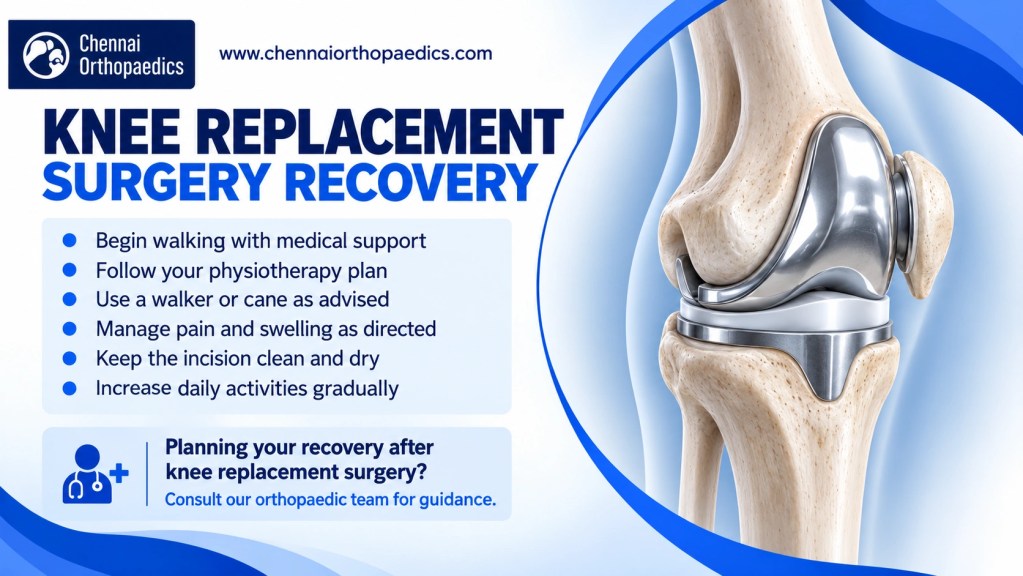
Recovering well after a [knee replacement ](https://chennaiorthopaedics.com/knee-treatments/primary-and-revision-total-knee-replacement/)isn’t about doing everything perfectly it’s about a handful of habits done consistently: sticking to the rehab plan, walking with the right support, staying on top of pain and swelling, protecting the incision, and knowing which warning signs mean you should call your care team. How quickly any of this happens depends a lot on the individual age, overall health, the specific procedure, and how the body responds to therapy all play a role. Below is a practical rundown of what tends to matter most during at-home recovery.
## What Actually Helps Recovery Move Forward
**Stick to your own physical therapy plan**.
It can be tempting to look up generic knee recovery exercises online, but the ones your physiotherapist gives you are built around your specific surgery and progress. Rehab is what rebuilds strength and range of motion, and it’s also what gets you walking confidently again. If an exercise causes sharp pain or triggers noticeable swelling, that’s a signal to pause and flag it not push through it.
**Walk — but build up gradually**
Most people start walking with help not long after surgery, and a walker or cane usually sticks around longer than patients expect, which is normal. Short walks with rest in between tend to work better than trying to power through longer distances too soon. It’s also worth resisting the urge to compare your pace to someone else’s recovery story; the timeline genuinely differs from person to person.
**Stay ahead of pain and swelling rather than reacting to it**
Take medication exactly as prescribed — don’t adjust the dose yourself even if you’re having a good or bad day. Ice, elevation, and light ankle movements can help, but only within what your surgeon or physio has actually recommended for you. If swelling or pain seems to be trending the wrong way instead of easing off over time, that’s worth a call, not a wait-and-see approach.
**Making the House Safer for Recovery**
A lot of setbacks happen at home simply because the environment wasn’t adjusted first. A few things worth doing before or right after you’re discharged:
• Clear away loose rugs, cords, or anything else that could cause a trip
• Keep things you use often phone, water, medications within arm’s reach
• Install or use handrails, and stick to non-slip shoes and any mobility aids you were given
• Follow the discharge instructions for keeping the incision clean and dry
• Line up help for stairs, bathing, cooking, or anything physically demanding
• Actually keep the follow-up and physio appointments, even the ones that feel routine
**Things Worth Actively Avoiding**
• Stopping medication or blood-clot prevention on your own — even if you’re feeling fine
• Putting creams or lotions near the incision unless a clinician has approved it
• Driving while on opioid pain medication, or before you’ve regained solid control of the leg
• Twisting suddenly, lifting anything heavy, or jumping into high-impact activity
• Skipping ahead in the exercise progression without your surgeon or physio signing off
**When It’s Time to Call the Doctor**
Some symptoms are worth monitoring; others need a call right away. Reach out if you notice:
• Fever, chills, or a general sense of feeling unwell
• Increasing redness or drainage around the incision
• Worsening calf pain, tenderness, or swelling that’s isolated to one side
• Sudden chest pain or shortness of breath
• Pain or swelling that isn’t settling despite doing everything you’ve been told to do
That last one about chest pain or breathing trouble deserves its own emphasis: that’s not something to sit on until your next appointment. It needs urgent medical attention.
##
Frequently Asked Questions About Knee Replacement Surgery Recovery
**How long does recovery take after knee replacement surgery?**
Walking usually starts early on, and day-to-day activities come back in stages after that. Strength and mobility can keep improving for months — there’s no single fixed timeline that applies to everyone.
**When can I drive after knee replacement surgery?**
That’s your surgeon’s call to make, not a date you pick yourself. You’ll need to be off impairing pain medication and have reliable control of the operated leg.
**When does physical therapy begin after knee replacement surgery?**
Often within the first day or two after surgery, under medical supervision, with the exercises tailored to where you’re at.
**How often should I walk after knee replacement surgery?**
Short, frequent walks generally beat occasional long ones use your walker or cane as needed, and increase distance gradually as your team advises.
**How can I reduce swelling after knee replacement surgery?**
A combination of prescribed medication, ice, elevation, and gentle ankle movement, but always within what your medical team has recommended. Swelling that keeps building instead of easing off needs to be checked out.
### Supporting a Safe Recovery After Knee Replacement Surgery
Steady rehab, gradual increases in activity, careful pain management, and paying attention to warning signs are what genuinely support a safe recovery. Your surgeon’s specific instructions should always take priority over general guidance like this recovery plans really are individual.
### Share this:
- [ Share on X (Opens in new window) X](https://chennaiorthopaedics.com/knee-replacement-surgery-recovery/?share=twitter)
- [ Share on Facebook (Opens in new window) Facebook](https://chennaiorthopaedics.com/knee-replacement-surgery-recovery/?share=facebook)
-
**Categories:** Knee Replacement Surgery
---
### [Who Needs Knee Replacement Surgery? Signs, Causes & Treatment](https://chennaiorthopaedics.com/who-needs-knee-replacement-surgery/)
**Published:** June 16, 2026
**Author:** gdcsllpworld
**Content:**
[Knee pain](https://chennaiorthopaedics.com/knee-ailments/ "Knee pain") has a way of quietly shrinking your life. What starts as a minor ache while taking the stairs can eventually turn into a constant, grinding discomfort that keeps you awake at night. When knee joint damage gets severe, everyday things like walking to the car, getting out of a chair, or just standing up to cook start to feel like massive hurdles.
If severe arthritis or an old injury has worn your joint down, knee replacement surgery is one of the most reliable ways to get your mobility back and finally live without constant pain.
## **What Is Knee Replacement Surgery?**
It helps to think of [knee replacement surgery](https://chennaiorthopaedics.com/blog/knee-replacement-surgery-cost-chennai/ "knee replacement surgery") less like replacing the whole joint and more like capping a tooth. During this orthopaedic surgery, a surgeon doesn’t cut out the whole knee; they simply trim away the thin layer of damaged bone and cartilage from the surface. Then, they cap it with a smooth artificial knee joint made of medical-grade metal and high-strength plastic.
Depending on where the damage is, you might need one of two options:
- **[Total Knee Replacement](https://chennaiorthopaedics.com/knee-treatments/primary-and-revision-total-knee-replacement/ "Total Knee Replacement"):** The surgeon resurfaces the entire joint because the wear is widespread.
- **[Partial Knee Replacement](https://chennaiorthopaedics.com/knee-treatments/partial-knee-replacement/ "Partial Knee Replacement"):** If the damage is isolated to just one side of your knee, only that specific section is fixed, leaving your healthy bone and ligaments untouched.
## **Who Needs Knee Replacement Surgery?**
This procedure isn’t a quick fix, but it becomes the right choice when the joint surfaces are physically worn away. The people who benefit the most generally fall into three groups:
- **Arthritis Patients:** People with advanced cartilage loss who live with constant bone-on-bone friction.
- **Elderly Patients:** Older adults whose joints have simply worn out after decades of everyday use.
- **Injury Survivors:** Anyone dealing with severe joint damage triggered by an old sports injury, a bad fall, or a past fracture.
Ultimately, if you are dealing with severe mobility issues that stop you from taking care of yourself or enjoying your day, you are likely a strong candidate.
## **Signs You May Need Knee Replacement Surgery**
Your body is pretty vocal when a joint is failing. Here are the main signs you need [knee replacement surgery](https://chennaiorthopaedics.com/blog/total-knee-replacement/ "knee replacement surgery"):
- **Persistent Knee Pain:** An ache that stays with you even when you’re sitting perfectly still or trying to sleep.
- **Difficulty Walking:** Severe difficulty walking due to knee pain, often forcing you to limp, cut trips short, or use a cane.
- **Knee Stiffness:** A heavy, locked feeling in the joint, especially when you first get out of bed.
- **Swelling and Inflammation:** Chronic swelling in the knee that doesn’t go away with rest or ice.
- **Stairway Struggles:** A sharp, unstable pain whenever you try to go up or down stairs.
- **A Shrinking Lifestyle:** Realizing you are turning down plans because you know there will be too much walking involved.
- **Failed Non-Surgical Treatments:** You’ve tried pills, therapies, and shots, but the relief doesn’t last anymore.
## **Common Causes of Knee Joint Damage**
Why do knees break down in the first place? It usually comes down to a few major culprits:
- **[Osteoarthritis](https://chennaiorthopaedics.com/knee-arthritis-surgery-when-needed/ "Osteoarthritis"):** The classic wear-and-tear condition where the slippery, shock-absorbing cartilage coating your bones gradually thins out until it’s gone.
- **Rheumatoid Arthritis:** An autoimmune condition where your body’s immune system mistakenly attacks the lining of your joints, slowly eating away at the cartilage.
- **Sports Injuries:** Severe ligament tears (like a bad ACL tear) or fractures can permanently alter how your knee moves, fast-tracking wear and tear years later.
- **Weight-Related Stress:** Carrying extra weight multiplies the physical force exerted on your knees with every single step, accelerating the breakdown.
- **Aging-Related Wear:** As we get older, our cartilage naturally loses its moisture and elasticity, making it more brittle and prone to thinning.
## **When Is Knee Replacement Necessary?**
There is no perfect medical calendar for this. The right time for surgery depends almost entirely on how much the pain is stealing from your quality of life. It usually comes down to a few clear tipping points:
**The Tipping Points:**
1. Pain killers, braces, and physiotherapy just aren’t cutting it anymore.
2. The pain is severe enough to wake you up multiple times a night.
3. Your knee actively stops you from doing basic daily tasks like grocery shopping.
When advanced knee arthritis symptoms consistently take away your sleep and your independence, waiting longer usually just leads to weaker leg muscles and a harder recovery later on.
## **Conditions Treated With Knee Replacement Surgery**
Surgeons use this procedure to correct structural damage and realign the leg. It is highly effective for:
- **Osteoarthritis:** Eliminating the pain of bone grinding against bone.
- **Rheumatoid Arthritis:** Removing the chronically inflamed joint tissue.
- **Post-Traumatic Arthritis:** Fixing joints that healed unevenly after an old accident.
- **Knee Deformities:** Straightening out severe bowlegs or knock-knees that happen when one side of the joint collapses completely.
## **Non-Surgical Treatments Before Knee Replacement**
No doctor will rush you into an operating room. They will always want to try non-surgical alternatives before [knee replacement ](https://chennaiorthopaedics.com/blog/anterior-cruciate-ligament-injury/ "knee replacement ")to see if you can get your life back without surgery. These options include:
- **Physiotherapy:** Tailored exercises to build up your quads and hamstrings so they can act like shock absorbers for your knee.
- **Weight Management:** Losing even a few pounds takes an immense amount of daily pressure off the joint.
- **Pain Medications:** Targeted anti-inflammatories to keep daily swelling under control.
- **Knee Injections:** Cortisone shots to calm intense inflammation, or hyaluronic acid injections to help lubricate the joint.
- **Lifestyle Adjustments:** Swapping high-impact habits like running for knee-friendly activities like swimming or cycling.
## **Benefits of Knee Replacement Surgery**
For the vast majority of people, the results of this surgery feel like getting a second lease on life.
- **Real Pain Relief:** Once the damaged bone surfaces are gone, that sharp, grinding ache goes away with them.
- **Getting Your Walk Back:** You can walk long distances comfortably without constantly scanning the area for a place to sit down.
- **Restored Mobility:** It brings back the natural bend and flexibility of your leg, making it easier to get in and out of cars.
- **A Better Quality of Life:** You get to say yes to travel, hobbies, and playing with grandkids without your knee dictating your choices.
## **Recovery After Knee Replacement Surgery**
The goal is to get you moving almost immediately to keep the joint from stiffening up.
| **Phase** | **What to Expect** |
|---|---|
| **The Hospital Stay** | Usually 1 to 3 days, but some healthy patients can even head home the same day. |
| **First Steps** | You will typically stand up and take a few supported steps with a walker the very day of your surgery. |
| **Physiotherapy** | This starts right away. Doing your daily exercises is crucial to prevent scar tissue from locking up the new joint. |
| **The Walking Timeline** | Most people drop the walker or cane and walk independently within 3 to 6 weeks. |
| **Full Recovery** | You’ll be back to normal daily routines around 6 weeks, but building back 100% of your strength can take 6 to 12 months. |
## **When Should You Consult an Orthopedic Doctor?**
You don’t need to wait until you are completely housebound to talk to a doctor. In fact, waiting too long can backfire, because limping for months or years often messes up your hips, lower back, and opposite leg.
If your knee is constantly warm to the touch, looks visibly deformed, or makes you twist your body just to take a step, it’s time to see an orthopedic doctor for knee pain to find out what’s really going on inside the joint.
## **Knee Replacement Treatment in Chennai**
Chennai has become a major hub for world-class orthopedic care. People travel here from all over because the city’s top centers offer the latest medical advancements. If you are looking into knee replacement treatment in Chennai, you’ll find cutting-edge options like advanced knee replacement surgery techniques and robotic knee replacement, which help surgeons map your joint with extreme precision for a more natural-feeling recovery.
The key to a great outcome is finding a patient-focused treatment approach where an experienced surgeon handles the operation and works closely with a dedicated rehab hospital for knee pain Chennai team to get you back on your feet.
## **Consult Dr. Bharani Kumar for Knee Replacement Surgery**
If you are looking for a trusted [joint replacement specialist in Chennai](https://chennaiorthopaedics.com/best-arthroscopic-surgeon/ "joint replacement specialist in Chennai"), **Dr. Bharani Kumar** is a highly experienced option. Known as a precise knee replacement surgeon in Chennai, Dr. Bharani Kumar focuses on clear, honest diagnostics—helping you understand exactly how much wear your knee has and whether it’s truly time for surgery.
With extensive specialist training and a focus on both joint-preserving and joint-replacing techniques, his team maps out personalized treatment plans. Whether that means starting with advanced physical therapy or moving forward with a modern, long-lasting knee replacement, the focus is always on getting you moving safely and pain-free as a top knee pain doctor Chennai trusts.
## FAQs About Knee Replacement Surgery, Age, Recovery & Implants
**1. Who is the best candidate for knee replacement surgery?**
Someone with clear, bone-on-bone joint damage on their X-rays whose severe knee pain hasn’t gotten better with physical therapy, injections, or medications.
**2. Is there a specific age for this Knee Replacement surgery?**
Not really. Most patients are between 50 and 80, but doctors look at your level of pain and mobility rather than the age on your birth certificate.
**3. Is it only for older adults?**
No. Younger adults get it too, usually if their joints have been severely damaged by a bad sports injury, an accident, or aggressive rheumatoid arthritis.
**4. How long do modern knee implants actually last?**
Thanks to upgrades in medical materials, you can comfortably expect a modern knee implant to last between 15 and 20 years for most patients.
**5. Can I avoid Knee surgery entirely?**
If your cartilage isn’t completely gone, yes. Many people manage their pain for years using targeted physiotherapy, weight loss, custom braces, and anti-inflammatory injections.
### Share this:
- [ Share on X (Opens in new window) X](https://chennaiorthopaedics.com/who-needs-knee-replacement-surgery/?share=twitter)
- [ Share on Facebook (Opens in new window) Facebook](https://chennaiorthopaedics.com/who-needs-knee-replacement-surgery/?share=facebook)
-
**Categories:** Knee Replacement Surgery
---
### [Knee Replacement Surgery Cost in Chennai](https://chennaiorthopaedics.com/blog/knee-replacement-surgery-cost-chennai/)
**Published:** November 21, 2025
**Author:** suneethagdcs@gmail.com
**Content:**
## **How Much Does Knee Replacement Surgery Cost in Chennai?**
- Depending on the type of surgery, hospital, and surgeon experience, the cost of knee replacement surgery in Chennai can vary significantly, ranging from 1.5 lakhs to 4 lakhs per knee. A complete knee replacement will cost approximately Rs 1.8 Lakh to Rs 4 Lakh, while a partial knee replacement will typically cost 1.5 Lakh to 3 Lakh. The cost of a robotic knee replacement ranges from 3.5 lakhs to 7 lakhs, which is somewhat high.
- The cost of knee replacement surgery can vary based on a number of variables, including the type of surgery, hospital selected. The experience of the surgeon, the intricacy of the procedure, and the post-operative care are additional variables that could impact the overall cost.
## **[What is Knee Replacement](https://www.chennaiorthopaedics.com/knee-treatments/primary-and-revision-total-knee-replacement)?**
- The surgical process of replacing worn-out or damaged knee joint components with artificial ones is known as knee arthroplasty or knee replacement surgery. It is carried out to reduce discomfort and restore knee function, particularly in cases of severe injury or arthritis.
- Knee replacement surgery is typically performed to improve function and relieve pain when other treatment options are ineffective, primarily due to arthritis, trauma, or wear and tear on the knee joint. Osteoarthritis, the most prevalent kind of arthritis, results in degeneration of the knee’s cartilage, which impairs movement and causes pain and stiffness. With benefits like pain relief, increased mobility, and a higher quality of life, knee replacement surgery is incredibly successful. The materials are another important factor to take into account.

##
**When should Knee Replacement Surgery Be Done?**
- Numerous signs could point to the need for [knee replacement surgery](https://www.chennaiorthopaedics.com/blog/top-5-knee-surgery-myths), especially if osteoarthritis or other serious joint degradation are progressing. These symptoms, which usually coexist with ineffective conservative treatments like medicine or physical therapy, include persistent pain, limited mobility, and a decrease in everyday activities.
- Medical professionals consider a number of factors before recommending knee replacement surgery, especially in cases of osteoarthritis, severe injuries, or problems resulting from previous knee surgeries.
- Knee replacement surgery is typically advised when alternative treatments are unable to reduce pain or improve functionality. These variables include the patient’s age, overall health, and the outcomes of MRIs and X-rays.
### **Benefit of Knee Replacement**
Significant pain relief, increased mobility, and an overall improvement in quality of life are all benefits of knee replacement surgery. Knee replacements are usually made to last at least 15 to 20 years. People can engage in a variety of low-impact activities after the recuperation period, such as cycling, swimming, walking, and golfing
## **Estimated Cost of Knee Replacement in Chennai**
- The approximate cost of knee replacement surgery in Chennai, including partial and total procedures, ranges from 1.5 lakhs to 4.5 lakhs per knee. The type of surgery, the hospital, and the surgeon’s fees can all affect the final cost.
- A number of factors affect the cost of knee replacement surgery, such as the hospital type, the technology used
- The estimate expense for knee replacement surgery in Chennai, encompassing both partial and total procedures, typically falls between 1.5 lakhs and 4.5 lakhs for each knee. The actual cost may differ based on the surgical type, the healthcare facility, and the fees charged by the surgeon.
- The expense associated with knee replacement surgery is influenced by several factor’s, including the type of hospital the surgeon’s degree of experience, the technology used, and health insurance, all of which can significantly reduce the financial impact.
- Private hospitals and those that use state-of-the-art equipment typically charge more. A number of expenses, including the actual surgery, hospital stays, and post-operative care, may be covered by insurance.
## **Cost Analysis: Chennai Knee Replacement Surgery**
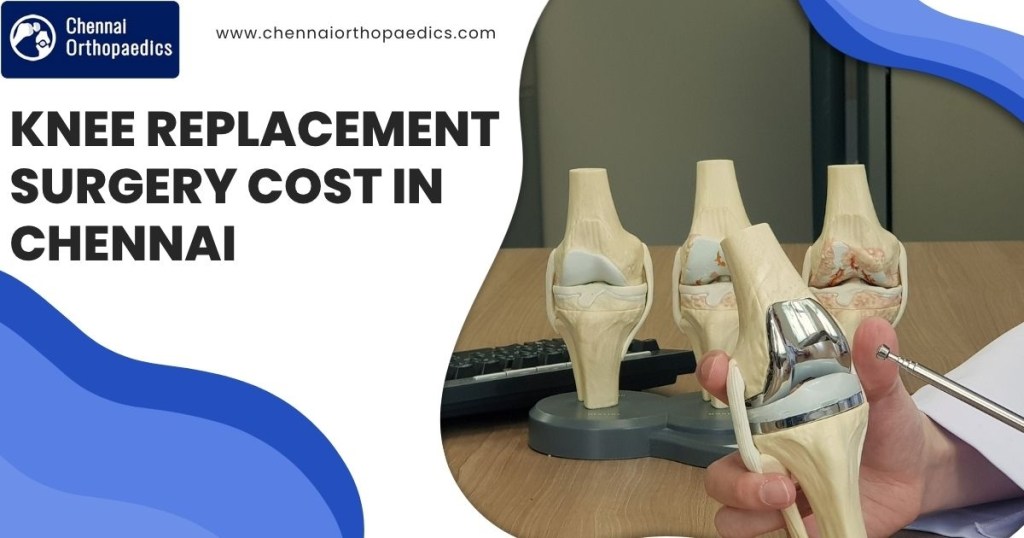
Common room charges range from Rs.15,000 to Rs 22,000.
Operational theater fees range from Rs 50,000 to Rs 75,000 on average.
On average, medications and supplies cost between Rs 20,000 and Rs 30,000.
Diagnostic testing (if required): Rs 10,000–15,000 (on average).
The average surgeon’s fees range from Rs 75,000 to Rs 150,000.
The typical price of anaesthesia ranges from Rs 20,000 to Rs 40,000.
The total cost of the three- to five-day hospital stay, including meals, nursing care, and room and board, ranges from Rs 50,000 to Rs 1,000,000.
## **Elements Affecting the Knee replacement surgery value in Chennai**
Patients are able to acquire proper attention for knee replacement surgery at both multi-specialty hospitals and independent orthopaedic clinics. Although independent clinics may focus solely on orthopaedic surgical procedures, multi-specialty hospitals give excellent surgical care through the collaboration of many medical specialties.
- In a partial knee substitute, simplest the broken a part of the joint is replaced, while the wholesome surrounding tissues continue to be unaffected. While in total knee replacement, the entire knee joint is replaced by an artificial knee joint.
- Robotic-assisted knee replacement surgery is more efficient than traditional knee replacement because robotics are utilized to enhance accuracy and precision throughout the procedure, which aids in recovery and overall results.
- The knee replacement surgery cost is highly impacted by the surgeon’s degree of expertise.
## **What is Partial Knee Replacement?**
- [A partial knee replacement](https://www.chennaiorthopaedics.com/knee-treatments/partial-knee-replacement) is an operation which seeks to replace a part of your knee joint. This form of operation is known as arthroplasty (joint substitute) surgical procedure.
- Patients with osteoarthritis affecting only one compartment of the knee along with mild symptoms are more likely to be ideal candidates for a partial knee replacement otherwise known as unicompartmental knee replacement.
- there’s a less invasive form of general knee replacement referred to as minimally invasive overall knee replacement. This form of surgery entails smaller incisions in comparison to conventional knee replacement, which may lead to less pain and a quicker recovery time.
## **Cost of Partial Knee Replacement in Chennai**
Along with the City Institute of Orthopedics and Sports medicine, many other knee replacement surgery hospitals in Chennai also have their own as well as tie-up insurance which helps finance the surgery through EMIs. In Chennai, the cost range for a logical partitions knee replacement is from 1.2 lakhs to 3 lakhs. The cost is less compared to total joint arthroplasty because a smaller is used. Implant hospital stay is also shorter as compared to total.
- In Chennai, the price of partial knee replacement is affected by different types of their facility, the doctor’s Kep of Surgery, facility type and complexity of surgical procedure.
- With respect to IT providers, both schemes and government advices can alleviate financial burdens encumbering a patient with the disability and rehabilitation service for partial knee replacements. In general, clean care policies usually include coverage for knee replacement protectives when it’s prescribed.
### **Robotic-Assisted Knee Replacement: precision at its Best**
- Robotic technology is used in robotic-assisted knee replacement surgery to help surgeons conduct knee replacements more precisely and accurately.
- Advantages of robotic technology
- A 3D-printed total knee replacement is a novel medical procedure that creates a customized method using the most recent 3D printing technology. The cause of this to replace a damaged or diseased knee joint.
- Robotic-assisted knee replacement surgery usually offers improved accuracy and may present fewer risks compared to conventional methods. These are more often placed correctly with increased precision, which improves long-term outcomes and decreases the likelihood of issues such as misalignment.
- Compared to traditional knee replacement surgery, robotic knee replacement surgery typically results in a quicker recovery and reduced post-operative pain. This is mostly because robotic surgery is less intrusive, resulting in smaller incisions and less tissue damage.
## **Robotic Knee Replacement Price in Chennai**
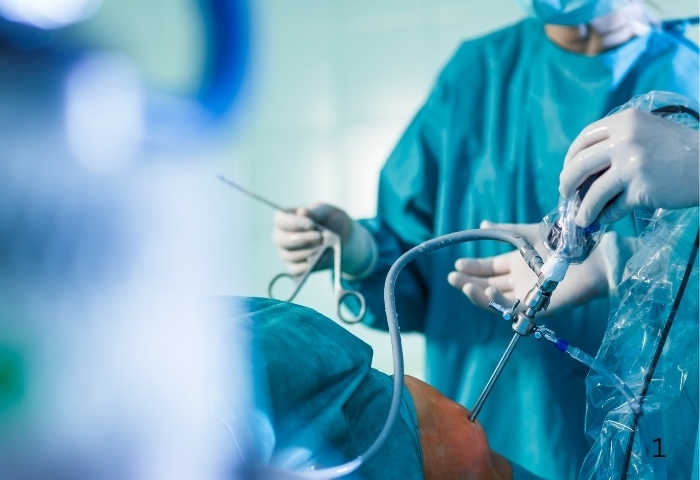
- For robotic knee replacement in Chennai, the price range of ₹2.5 lakh to ₹5 lakh per knee is correct. This price range is in line with what other local hospitals and surgical providers have reported.
- Because of the advanced technology required, robotic knee replacement surgery in Chennai is usually more expensive than traditional knee replacement. The average cost of traditional knee surgery is around ₹1.5 lakh to ₹2.5 lakh, but robotic surgery can range from ₹2.5 lakh to ₹6 lakh per knee.
- Most medical insurance rules in Chennai cover robotic knee replacement surgery because it is taken into consideration a medically essential technique.
### How to Choose the Best Hospital and Surgeon for Knee Replacement Surgery
- Choosing the correct facility and surgeon is critical for a successful knee replacement because it has an impact on the procedure’s outcome, recuperation, and long-term usefulness.
- When considering knee replacement surgery, it’s critical to compare regular, partial, and robotic-assisted alternatives. Each procedure has advantages and disadvantages, and the optimum option is determined by the surgeon’s skill and the patient’s specific needs.
- A patient-centered approach, typically accomplished through collaborative decision-making, may aid in the improvement of knee replacement decision-making. When deciding whether to have knee replacement surgery, speaking with [orthopaedic specialists](https://chennaiorthopaedics.com/best-orthopaedic-doctor-in-chennai-dr-bharani-kumar-dayanandam/ "orthopaedic specialists") is essential.
## **Frequently Asked Questions (FAQs)**
When can I run after Knee Replacement?
The decision to resume running after six months or a year is complicated and depends on a number of factors, including age, general health, and the condition of the replaced joint. But, some human beings may be able to achieve this.
Can Life be normal after Knee Replacement?
Yes, following knee replacement surgery, many people are able to return to their regular activities and hobbies and lead largely normal lives.
Is robotic knee replacement really better?
Due to its potential for greater precision, individualized treatment plans, and quicker recovery times, robotic knee replacement surgery is typically regarded as superior to traditional knee replacement surgery.
What is the cost of knee replacement surgery in Chennai?
In Chennai, knee replacement surgery usually costs between ₹1,50,000 and ₹4,00,000, depending on a number of variables.
What I wish I knew before knee replacement surgery?
Many patients wish they knew more about the long-term effects on their lives, pain management, and the recovery process before having knee replacement surgery.
### Share this:
- [ Share on X (Opens in new window) X](https://chennaiorthopaedics.com/blog/knee-replacement-surgery-cost-chennai/?share=twitter)
- [ Share on Facebook (Opens in new window) Facebook](https://chennaiorthopaedics.com/blog/knee-replacement-surgery-cost-chennai/?share=facebook)
-
**Categories:** Knee Replacement Surgery
---
### [Knee Effusion Treatment in Chennai: Causes, Symptoms, Diagnosis & Treatment Options](https://chennaiorthopaedics.com/blog/knee-effusion-treatment/)
**Published:** November 20, 2025
**Author:** suneethagdcs@gmail.com
**Content:**
Swollen knee, can’t bend it properly, hurts when you walk — most people sit with that for a few days before doing anything. And honestly, sometimes rest does help. But when the puffiness keeps coming back, or the pain gets worse instead of better, that’s not something to keep ignoring.
Knee effusion is fluid collecting inside the knee joint. Why it happens varies — injury, arthritis, infection, inflammation. Treatment depends on the actual cause, which is why guessing at home only gets you so far.

## **What is Knee Effusion?**
Water on the knee is what most people call it. That’s basically what it is. Your knee already has a small amount of fluid inside it that’s normal, it helps the joint move. But when the joint gets injured or irritated, it starts producing too much. That extra fluid in the knee joint is what causes the swelling the tightness, the pressure. It’s not just Knee problems . That fullness you feel when you try to bend your leg that’s the swelling pushing back. The joint can’t move normally when it’s full of fluid.
## **Common Causes of Knee Effusion**
There’s no single cause. Swollen knee causes range from one-time injuries to long-term conditions that flare up repeatedly.
### **Knee Effusion After Injury**
A bad fall a twisted knee during sport, a ligament that snapped these cause sudden fluid collection. The body sends fluid to the injured area as a response. Knee swelling after injury can appear within hours. It doesn’t always mean something is torn, but it does mean something happened that needs checking.
### **Arthritis and Knee Effusion**
Osteoarthritis wears down the cartilage that cushions the joint. As that lining gets thinner and rougher, the joint gets irritated and it responds by making more fluid. Arthritis knee swelling tends to come and go. People notice it more after a long day on their feet, or after climbing stairs repeatedly. Rheumatoid arthritis works differently it’s the immune system attacking the joint but it causes swelling too, often in both knees.
### **Infection or Gout-Related Knee Swelling**
These hit fast and hard. An infected knee joint becomes red, swollen, warm, and severely painful very quickly. Gout knee swelling does the same uric acid crystals form inside the joint and cause intense inflammation. Both situations need urgent care. They don’t respond to rest and ice the way a regular injury might.

## **Symptoms of Knee Effusion**
- Visible puffiness around and above the kneecap
- Knee feels tight, especially when bending
- Pain — sometimes constant, sometimes only when moving
- Warmth or redness on the skin over the joint
- Stiffness after sitting or sleeping
- Trouble walking without limping
- Pressure sensation deep inside the joint
Some people notice one knee looks noticeably bigger than the other. Others just feel like something’s not right inside the joint even if the swelling isn’t dramatic.
### **When Should You See a Doctor for Knee Swelling?**
A day or two of mild swelling after overuse that can wait and see. But these shouldn’t wait:
Swelling that appeared right after an injury. A knee that’s too painful to put weight on. Redness and warmth spreading around the joint. Fever alongside a swollen knee. Swelling that’s been there more than a week without improving.
Any of those? Don’t sit on it. Getting seen by an orthopaedic doctor in Chennai early means catching serious causes before they cause more damage.
## **How is Knee Effusion Diagnosed?**
The doctor starts with their hands — pressing around the joint, moving the leg, feeling where the fluid sits. That physical exam tells a lot. Then depending on what they find:
X-ray checks bone structure and joint spacing. Ultrasound shows fluid clearly. MRI gives a detailed look at ligaments, meniscus, and cartilage. Blood tests help when infection, gout, or rheumatoid arthritis is suspected.
### **Joint Fluid Analysis**
Sometimes imaging still doesn’t give a clear answer. In that case, the doctor may draw out some fluid from the knee — arthrocentesis, or knee aspiration — and send it for testing. That synovial fluid analysis can identify infection, gout crystals, blood inside the joint, or inflammatory markers. It’s one of the most direct ways to understand what’s actually going on.
## **Knee Effusion Treatment Options**
No single treatment fits everyone. The right approach depends entirely on what’s causing the fluid to build up.
## **Home Care for Mild Knee Effusion**
Rest. Ice for short periods. A compression bandage. Keeping the leg elevated when possible. RICE therapy works for genuinely mild, early swelling the kind that shows up after overdoing it on a walk or a workout. If it’s not clearly improving within a few days, that’s the signal to get it evaluated.
### **Medicines for Knee Effusion**
Anti-inflammatories reduce both pain and swelling. Antibiotics if there’s infection. Specific medicines for gout manage the uric acid side. Arthritis-related swelling often needs a longer-term medication plan sorted out with the doctor.
### **Knee Aspiration or Fluid Removal**
When the knee is very swollen and painful, draining the fluid gives real, immediate relief. Knee aspiration in Chennai is done by an orthopaedic specialist it also provides fluid for testing, so it’s useful both for treatment and for diagnosis.
### **Steroid Injection or Other Injections**
In arthritis-related cases where swelling keeps returning, a steroid injection directly into the knee can settle things down meaningfully. Not the right choice for every situation, but effective for the right ones.
### **Physiotherapy for Knee Effusion**
Once the swelling comes down, physiotherapy is what actually builds the joint back up. Strengthening the muscles around the knee, restoring range of motion, reducing the chances it fills up again. A lot of people stop here and then wonder why it keeps coming back.
### **Knee Effusion Surgery if Required**
Surgery isn’t where most cases end up. But if the swelling is being driven by a meniscus tear, ligament damage, or cartilage problems that won’t resolve with other treatment knee arthroscopy or another procedure may be the right call. The orthopaedic specialist makes that assessment after a full evaluation.
### **Can Knee Effusion Come Back?**
Yes. Very commonly. And usually because the underlying problem was never fully addressed. Arthritis keeps irritating the joint. Gout flares when uric acid isn’t controlled. An old ligament injury that was never properly treated keeps causing internal stress. Recurrent knee effusion is almost always a sign that the cause needs direct attention not just the fluid.
### **Prevention Tips for Knee Effusion**
- Keep weight managed every extra kilo adds load to the knee joint
- Build strength in the thigh muscles they do a lot of the stabilising work
- Warm up before any physical activity, especially running or sport
- Don’t push through knee pain and call it normal soreness
- Get injuries looked at early, even when they seem minor
- If you have arthritis or gout, keep up with treatment consistently
### **Why Choose Chennai Orthopaedics for Knee Effusion Treatment?**
[Knee effusion treatment in Chennai](https://chennaiorthopaedics.com/knee-ailments/ "Knee effusion treatment in Chennai") at Chennai Orthopaedics starts by actually figuring out what’s causing the swelling not just treating the fluid as if that’s the whole story. The team handles clinical evaluation, imaging, knee aspiration when it’s needed, injection therapy, physiotherapy planning, and surgery for cases that require it.
An [orthopaedic doctor in Chennai](https://chennaiorthopaedics.com/ "orthopaedic doctor in Chennai") with the right diagnostic setup can move from first assessment to clear diagnosis quickly. That matters because the longer the real cause goes unidentified the more the joint takes the hit.
### **FAQs on Knee Effusion Treatment**
**Is knee effusion serious?**
Depends entirely on cause. Mild swelling from overuse can settle with rest. Swelling from infection, a ligament tear, or advanced arthritis is a different story and needs proper treatment.
**Can knee effusion go away on its own?**
Minor cases sometimes do. But swelling that persists past a week, keeps returning, or comes with significant pain — that needs to be evaluated, not waited out.
**When should knee fluid be drained?**
When the pressure is severe, pain is significant, or when the fluid needs to be tested to understand what’s causing the swelling.
**Is knee aspiration painful?**
Done carefully by a trained specialist, it’s usually uncomfortable rather than acutely painful. Most people say the pressure relief after the fluid is out makes it well worth it.
**How long does knee effusion take to heal?**
No fixed answer. Minor swelling days to a couple of weeks. If there’s an underlying condition driving it, recovery ties to how that’s being managed.
**Which doctor treats knee effusion?**
An orthopaedic specialist. They handle the full process — diagnosis, imaging, aspiration, injections, physiotherapy guidance, and surgery if it comes to that.
### Share this:
- [ Share on X (Opens in new window) X](https://chennaiorthopaedics.com/blog/knee-effusion-treatment/?share=twitter)
- [ Share on Facebook (Opens in new window) Facebook](https://chennaiorthopaedics.com/blog/knee-effusion-treatment/?share=facebook)
-
**Categories:** Uncategorized
---
### [Common Sports Injuries: Causes, Prevention & Recovery Guide for Athletes](https://chennaiorthopaedics.com/common-sports-injuries-causes-prevention-recovery-guide-for-athletes/)
**Published:** April 15, 2026
**Author:** suneethagdcs@gmail.com
**Content:**
Sports injuries are physical damages from overuse, bad form, or accidents during activity. You prevent them with proper training and recovery. If you’re an athlete or just a beginner, you need to know these risks to avoid long-term damage.
**Quick Guide**
- **Most common:** Sprains, strains, and fractures.
- **Main causes:** Overuse, bad form, and skipping warm-ups.
- **Prevention:** Stretching, right gear, and strength work.
- **Recovery:** Rest, ice, and physiotherapy.
- **See a doctor:** For severe pain, fast swelling, or loose joints.
### **What Are Common Sports Injuries?**
An injury is just damage to the body during exercise. It can be a small bruise or a major tear.
**Common sports injuries** include:
- **Sprains:** Tearing ligaments that connect bones.
- **Strains:** Tearing muscles or tendons.
- **Fractures:** Cracks in the bone from hard impact.
- **Dislocations:** When a bone pops out of its socket.
## **Why Do Sports Injuries Happen?**

Knowing the **[causes of sports injuries](https://chennaiorthopaedics.com/blog/common-sports-injuries/ "causes of sports injuries")** is how you stop them. Most aren’t accidents; they happen because of physical stress.
### **Overuse**
Repeating the same move too much causes tiny tears. This is why runners get shin splints and tennis players get elbow pain.
### **Poor Technique**
Moving in a way the body isn’t meant to puts stress on joints. Bad form in the gym leads to chronic back or knee issues.
### **Lack of Warm-Up**
Cold muscles are stiff and tear easy. Without blood flow, the tissue is brittle during fast moves.
### **Muscle Imbalance**
If one muscle group is way stronger than the other, it pull the joint out of line. This is how ACL tears happen.
### **Bad Equipment**
Old shoes or the wrong racket size makes your body compensate. This leads to extra strain.
## **Types of Sports Injuries**
There are two main **types of sports injuries**:
1. **Acute Injuries:** These happen fast, like a twisted ankle or a break from a fall.
2. **Chronic Injuries:** These build up over time from stress, like tendonitis.
## **How to Prevent Sports Injuries**
Using **sports injury prevention** keeps you playing.
### **Warm-Up & Stretching**
Use dynamic stretching to get blood moving. Don’t just hold a stretch; move the joints through the full range.
### **Strength Training**
Strong muscles protect joints. Weight training makes tendons tougher against impact.
### **Use Correct Technique**
Work with a coach to check form. Small changes in landing can save you from surgery.
### **Wear Proper Gear**
Get new shoes every 500 miles. Use pads or helmets made for your sport.
### **Rest & Recovery**
The body repair itself when you sleep. If you skip rest days, the tiny tears never heal.
### **Prevention Tips for Daily Life**
Daily habits matter.
### **How can sports injuries be prevented in daily life?**
- **Hydration:** Water keeps joints lubed and stops cramps.
- **Posture:** Sitting straight keeps the spine aligned.
- **Sleep:** This is when the body fixes muscle tissue.
## **Sports Injury Treatment & First Aid**
Initial **sports injury treatment** uses the R.I.C.E method to stop swelling.
### **Rest**
Stop the activity. Playing through pain usually makes the tear worse.
### **Ice**
Use ice for 20 minutes every few hours. This shrinks blood vessels to stop swelling.
### **Compression**
Wrap the injury with a bandage. This keeps fluid from building up.
### **Elevation**
Keep the injury above your heart. This helps drain the fluid.
## **How to Recover Fast**
To cut your **sports injury recovery time**, you need a plan.
### **Physical Therapy**
A therapist helps you get strength back. They find the weak spot so it doesn’t happen again.
### **Nutrition**
Eat protein and greens. Your body need these to build new tissue.
### **Gradual Return**
Don’t go back at 100%. Start slow and build up as pain stays away.
## **Common Mistakes**
- **Skipping warm-up:** Thinking you don’t need it.
- **Ignoring pain:** Pushing through sharp pain usually ends in a total tear.
- **Overtraining:** Not giving muscles 48 hours to fix themselves.
- **Bad technique:** Lifting too heavy with poor form.
## **Benefits of Prevention**
- **Better performance:** You train harder when not hurting.
- **Longer career:** You keep your joints healthy for years.
- **Lower costs:** No expensive surgeries or therapy bills.
### **When to Seek Help**
See a doctor if:
- Pain stops you from sleeping.
- There is fast swelling or dark bruising.
- The joint feels wobbly or unstable.
- You feel numbness or tingling.
#### **Summary**
- Most injuries is preventable with good form.
- Use R.I.C.E as soon as you get hurt.
- Never ignore sharp pain.
- Strength work is your best shield.
### **FAQ Section**
1. **What are common sports injuries?**
Sprains, strains, fractures, and dislocations are the most frequent.
2\. **Why do sports injuries happen?**
Usually overuse, bad form, no warm-up, or bad gear.
3\. **How can sports injuries be prevented?**
Warm up right, use good form, and don’t skip rest.
4\. **What is the best treatment?**
R.I.C.E (Rest, Ice, Compression, Elevation) is the first step.
5\. **How to recover fast?**
Rest, see a physio, eat right, and don’t rush back.
6\. **How long does recovery take?**
Depends on damage. A small strain is a few days; a big tear take months.
*This guide is reviewed by **[Dr. Bharani Kumar Dayanandam](https://chennaiorthopaedics.com/contact-us/ "Dr. Bharani Kumar Dayanandam")**, an Orthopaedic and Trauma surgeon with 23+ years of experience. Trained in the UK, he specializes in arthroscopy and sports injury management in Chennai, ensuring patients get the right diagnosis and safe recovery.*
### Share this:
- [ Share on X (Opens in new window) X](https://chennaiorthopaedics.com/common-sports-injuries-causes-prevention-recovery-guide-for-athletes/?share=twitter)
- [ Share on Facebook (Opens in new window) Facebook](https://chennaiorthopaedics.com/common-sports-injuries-causes-prevention-recovery-guide-for-athletes/?share=facebook)
-
**Categories:** Sports injury
---
### [TYPES OF KNEE OSTEOTOMY PROCEDURES: REAL SOLUTIONS FOR STAYING ACTIVE](https://chennaiorthopaedics.com/types-of-knee-osteotomy-procedures/)
**Published:** January 30, 2026
**Author:** suneethagdcs@gmail.com
**Content:**
If chronic knee pain has become a daily struggle and surgery is finally on the table, the mind almost always jumps straight to a total knee replacement. That realization can feel heavy—like a point of no return. But here is the reality: jumping straight to a replacement isn’t always the right move. For those wanting to stay active and keep their natural movement, knee osteotomy surgery is the best joint-preserving alternative.
[Knee osteotomy](https://chennaiorthopaedics.com/knee-treatments/knee-osteotomy/ "Knee osteotomy") is a masterclass in mechanical correction. When a knee loses its alignment, one side of the joint is forced to bear a punishing amount of weight. Over time, that lopsided pressure creates a cycle of pain and accelerated arthritis. Because every knee and every lifestyle is different, and there are different types of knee osteotomy that exist. Factors like age, intensity of activity, and the exact location of the damage decides the best way forward.
## What Is Knee Osteotomy Surgery?
In the simplest terms, a knee osteotomy is a precision procedure designed to reshape or realign the bone structure surrounding the knee. While reshaping bone sounds intense, the logic behind the knee osteotomy procedure is incredibly practical.
By adjusting the angle of the bone, the body’s weight is shifted away from worn-out, painful tissue and onto healthier, stronger areas. The result? Dramatic pain reduction, restored movement, and a slower progression of arthritis. Most importantly, it saves the natural joint rather than discarding it for a prosthetic.
## Why Is Knee Osteotomy Surgery Recommended?
This procedure is the go-to recommendation when arthritis is caught in the early stages and confined to just one side of the knee. It is also the gold standard for correcting bow-legged or knock- kneed alignment issues. The ultimate advantage is the gift of time. It reduces pain and restores mobility while successfully delaying the need for a full knee replacement. For younger, high-energy individuals, that extra decade or more of keeping a natural joint makes a world of difference in maintaining a high- performance lifestyle.
## Types of Knee Osteotomy Procedures
There are several specialized knee osteotomy types, each engineered to fix a specific alignment flaw.
**High Tibial Osteotomy (HTO)**
As one of the most frequently performed procedures, HTO is the answer for bow-legged knees where the inner joint is failing. By adjusting the upper shin bone, body weight is redistributed evenly. This is the top choice for active adults, generally those under 60 years old.
**Distal Femoral Osteotomy (DFO)**
This is the specialized fix for knock-knee alignment where the outer joint takes the damage. Instead of the shin, the correction happens at the lower thigh bone. This restores structural balance and lifts the heavy stress off the damaged outer compartment.
**Medial Opening Wedge Osteotomy**
In this, the bone is carefully opened on one side and made safe with an advanced fixation technology. Surgeons usually choose this when high-precision, fine-tuned adjustments are needed, giving the patient very solid stability during the healing phase.
**Lateral Closing Wedge Osteotomy**
This technique involves removing a small piece of bone so that the joint is brought into alignment. It is selected for specific anatomical profiles where removing a sliver of bone provides the most stable and natural correction possible.
### Choosing the Right Approach
Selecting the perfect knee osteotomy type isn’t a split-second decision. Success depends on a deep dive into age, weight, activity goals, ligament health, and the exact map of the arthritis.
A comprehensive evaluation ensures the chosen knee osteotomy procedure delivers the best long- term outcome. Every treatment plan is a personalized strategy, never a one-size-fits-all script.
### Recovery and Rehabilitation: The Path Back
Success with knee osteotomy requires patience and focus. The early phase is all about protecting the new alignment while the bone heals. With modern medication, pain is kept well under control, and physiotherapy starts early to keep the joint moving.
The rehabilitation journey is a steady climb back to strength. While crutches are a temporary necessity, weight-bearing increases step-by-step, eventually leading back to full, independent movement.
## Recovery Time: The Roadmap
While every body heals at its own pace, the typical recovery window is well-defined:
- **0–6 Weeks:** Protected weight-bearing and targeted physiotherapy.
- **6–12 Weeks:** A surge in muscle strength and fluid movement.
- **3–6 Months:** A full return to daily routines and light athletic activities.
Most patients find themselves walking independently within weeks, returning to work as soon as their physical demands allow.
## Understanding the Cost
When it comes to the financial side of things, it is helpful to know that a few specific factors that decide the final cost. Since this is individualised procedure, the total can shift based on:
- **The Hospital Setting:** Different facilities have different rates for their surgical suites and nursing care.
- **The Surgeon’s Skill:** if you are looking for highly specialized expertise, it often comes with a different fee structure.
- **The Hardware:** The quality of plates or implants chosen to secure the bone also plays a role in the total cost.
- **The Healing Timeline:** The amount of time spent in the hospital admitted and the intensity of the initial recovery support.
At the end of the day, having an open and honest conversation with the surgical team is the best way to get a clear picture so there are no surprises later on.
## Knee Osteotomy vs. Knee Replacement
The debate between knee osteotomy and knee replacement comes down to one word: **Preservation**. An osteotomy aims to keep the natural joint alive and functioning for as long as possible. A replacement is a final step for widespread, advanced damage.
For the young and the active, an osteotomy is almost always the preferred route to maintain a natural feel and high-level physical function.
### Expert Care and Precision
Because alignment is a game of millimetres, the choice of a specialist is everything. A meticulous evaluation and a guided recovery plan are the hallmarks of a successful outcome. This patient-first philosophy is the standard for [Dr. Bharani Kumar D](https://chennaiorthopaedics.com/best-arthroscopic-surgeon/ "Dr. Bharani Kumar D"), where evidence-based surgery meets individualized planning for the best possible results.
### The Ideal Candidate
The perfect candidate for this life-changing procedure is someone active, with arthritis localized to one area, a good range of motion, and a commitment to the recovery process.
### Frequently Asked Questions
**Is knee osteotomy surgery permanent?**
The structural correction is permanent, though the natural aging of the joint continues over the years.
**How long does pain relief last?**
Many see a decade or more of significant relief, especially when paired with a healthy lifestyle and solid rehab.
**Can it delay a knee replacement?**
Absolutely. It is one of the most effective ways to push back a total replacement by years.
**Is recovery painful?**
Early discomfort is a reality of any bone procedure, but with modern pain management, it is highly manageable and improves daily.
### Share this:
- [ Share on X (Opens in new window) X](https://chennaiorthopaedics.com/types-of-knee-osteotomy-procedures/?share=twitter)
- [ Share on Facebook (Opens in new window) Facebook](https://chennaiorthopaedics.com/types-of-knee-osteotomy-procedures/?share=facebook)
-
**Categories:** Knee Osteotomy
---
### [Knee Pain After 40: Causes, Diagnosis, and Effective Treatment Options](https://chennaiorthopaedics.com/knee-pain-after-40/)
**Published:** March 20, 2026
**Author:** suneethagdcs@gmail.com
**Content:**
Let’s be real hitting 40 usually comes with a few noises from your joints. Maybe it’s a sharp pinch when you’re taking the stairs or that stiff feeling in the morning that takes a few minutes to walk off. If your knees are suddenly acting up, it isn’t just old age. It’s a signal. Your joints have done a lot of work over four decades, and right now, they’re just asking for a bit of a mid life tune up to keep you moving for the next forty. Ignoring it usually leads to a compensation injury where you walk differently to protect one knee and end up hurting your hip or back instead.

## **Understanding Knee Pain After 40**
We don’t really think about our knees until they hurt. By the time we hit 40, those joints have handled millions of steps and absorbed tons of pressure. Think of your knee as a high-performance hinge that’s finally showing its first signs of friction. Early diagnosis isn’t about looking for a problem—it’s about protecting your freedom. If you catch the wear and tear now, you stay active. If you ignore it, you’re looking at a much longer road to recovery later. It’s about staying on the field, not just watching from the sidelines.
## **Why Does Knee Pain Start After 40**
It usually feels like it happened overnight, but it’s actually a slow shift. Think of your cartilage as the padding in a pair of shoes after 40 years, that padding naturally thins out. This is called decreased joint space. When you combine that with leg muscles that might have lost a bit of snap, your knee joint ends up absorbing all the shock. Instead of the muscle doing the heavy lifting, your bone and cartilage are taking the hit. That’s where the deep, dull ache starts.
## **Common Knee Problems After Age 40**

Most patients I see aren’t dealing with a break they’re dealing with wear.
- **[Osteoarthritis](https://chennaiorthopaedics.com/knee-treatments/knee-osteotomy/):** This is the big one. The smooth joint surface is getting rougher, leading to that grinding sensation.
- **Meniscus Tears:** The knee’s cushions get brittle over time. You don’t need a sports injury to tear it anymore sometimes a simple twist while getting out of a car is enough to cause a snag.
- **Tendonitis:** This is usually Patellar Tendonitis. Your tendons are basically overworked, frayed, and inflamed from repetitive stress.
- **Bursitis:** That’s the housemaid’s knee feeling your joint is swollen, angry, and tight because the small fluid sacs are irritated.
## **How Is Knee Pain Diagnosed**
Don’t play the guessing game or rely on a quick Google search. A professional diagnosis finds the actual trigger for the pain. If you’ve been limping for more than a few days, or if you find yourself reaching for painkillers every morning, you need an answer. Is it a mechanical snag that needs a physical fix, or just inflammation that needs rest? Knowing the difference is how we build a plan that actually sticks and prevents the pain from coming back next month.
### **Diagnosis Methods for Knee Pain**
We look at the whole picture, not just a screen. A scan is only half the story
- **Physical Exam:** I’ll check your range of motion, look for hidden [swelling](https://chennaiorthopaedics.com/knee-pain-treatments/pain-and-swelling-in-knee/), and see exactly where the pressure hurts.
- **Lifestyle Review:** We talk about your daily movements do you sit all day at a desk or are you a weekend warrior who pushes too hard on Sundays?
- **Imaging:** X-rays show the bone alignment and joint space; MRIs show the soft stuff like ligaments and hidden tears.
- **Movement Check:** Watching you walk, squat, or even stand up from a chair often tells me more about your muscle imbalances than any scan ever could.
## **Effective Treatment Options for Knee Pain After 40**
Surgery is almost never the first step. Most of my patients get back on their feet using a layered approach
- **Physiotherapy:** This isn’t just exercise. It’s about waking up the support muscles like your quads, glutes, and hamstrings to shield the joint from impact.
- **Weight Management:** This is pure physics. Losing even two kilograms can feel like eight kilograms of pressure off your knees with every step you take.
- **Injections:** Modern treatments like hyaluronic acid or PRP act like grease for a squeaky hinge, reducing friction and calming down inflammation.
- **Advanced Care:** We only talk about surgical options—like [arthroscopy ](https://chennaiorthopaedics.com/knee-treatments/arthroscopic-knee-surgery-for-acl-pcl/)or replacement—if the basics aren’t giving you your life back and you’re losing your mobility.
## **How to Prevent Knee Pain After 40**
You can age proof your joints today with three simple rules. First, switch to low impact cardio like cycling or swimming it keeps the joint lubricated without the pounding. Second, keep your legs strong strong muscles are the best insurance policy for your knees. Third, check your footwear. If your shoes are worn out or flat, your arch collapses and forces your knee to twist inward with every step. Proper support changes everything.
## **When to See a Doctor for Knee Pain**
Don’t wait until you can’t walk or you’re forced to cancel a trip. See a pro if your knee feels unstable, like it might give way, or if you see visible swelling that won’t go down with ice. If the pain is sharp enough to wake you up at night or if you feel a locking sensation where you can’t fully straighten your leg, those are signs that something needs attention now. Chronic pain shouldn’t be your normal.
## **How to Find Knee Specialists in Chennai for Chronic Knee Pain**
In Chennai, you want a specialist who talks *to* you, not at you. You need someone who looks at your goals—like getting back to your morning walks or playing a sport rather than just looking at an X-ray. Experience matters, but so does the ability to offer the latest non-surgical options.
## **Dr. Bharani Kumar – Knee Specialist in Chennai**
[Dr. Bharani Kumar](https://chennaiorthopaedics.com/best-arthroscopic-surgeon/) is known for helping patients stay active without jumping straight to surgery. He uses a patient focused approach, combining the latest non-invasive treatments with deep surgical expertise only when it’s truly necessary. His goal is simple get you moving again with the least invasive path possible.
## **Frequently Asked Questions About Knee Pain After 40**
### **What causes knee pain after 40**
It’s usually a mix of thinning cartilage (osteoarthritis) and support muscles that aren’t strong enough to protect the joint from daily gravity and movement.
### **Why does knee pain start after 40**
Decades of movement catch up, and the body’s natural repair kit for joints slows down. Your cartilage doesn’t heal as fast as it did when you were twenty.
### **How is knee pain diagnosed**
We use physical tests to check stability and imaging like X-rays to see the internal structure and joint space
### **How to prevent knee pain after 40**
Strengthen your legs, stay active with low impact sports, and don’t ignore a small pain before it grows into a chronic issue.
### **Managing Knee Pain After 40 for Long Term Joint Health**
Your knees have done a lot for you. If they’re aching, they just need a bit of maintenance. Catching the issues early and staying consistent with your joint health isn’t just about pain it’s about making sure you’re still moving comfortably for the next forty years. Don’t wait for a breakdown to start the repair process. Small changes today lead to decades of painless movement.
### Share this:
- [ Share on X (Opens in new window) X](https://chennaiorthopaedics.com/knee-pain-after-40/?share=twitter)
- [ Share on Facebook (Opens in new window) Facebook](https://chennaiorthopaedics.com/knee-pain-after-40/?share=facebook)
-
**Categories:** Knee, Uncategorized
---
### [Strengthen Your Joints And Age Proof Them](https://chennaiorthopaedics.com/blog/joint-health-strengthen-prevent-pain/)
**Published:** November 21, 2025
**Author:** suneethagdcs@gmail.com
**Content:**
You can’t stop ageing but you can reduce the physical problems that are related to ageing. One of the most common issues that are related to ageing is **[Joint Pain](https://www.chennaiorthopaedics.com/joint-pain)**. The joints are the connections between the two bones. Smooth tissues called cartilages are present in between the joints to prevent friction and enable easy movement. With age, these cartilages start wearing off resulting in friction and joint damage. This is when you experience joint pain. Also, people with excessive weight are more prone to joint pain since too much pressure is created on the joints.
Though ageing can’t be stopped, by following a few things you can achieve[ stronger joints](https://www.chennaiorthopaedics.com/joint-health-tips-foods-prevent-injuries).
1.
## Simple habits to build stronger joints
Here are some simple ways to build resilient joint and age proof them:
- **Walk**!
Humans are built to move. The more you keep yourself active, the more you strengthen your body. Similarly walking compresses & decompresses the ankle and the [knee joint](https://www.chennaiorthopaedics.com/joint-health-tips-foods-prevent-injuries). Walking also provides nutrients to your joints and keeps it elastic. So next time you are in a 5 storeyed building, try to take the climb the stairs and avoid the lift.
- **Have more of Vitamin C and Collagen Protein**
Try to have more of collagen protein and Vitamin C through your meals. Both of these are necessary for the body to build stronger joints.
- **Reduce weight**
In younger people, joint pain mostly occurs due to excessive weight gain. The excessive weight that is put on the joint wears off the cartilages that prevent friction. As a result, your bone joint starts getting damaged and you experience extreme pain. So through diet or exercise, you need to lose that excess weight.
- **Do proper exercise**
There are several joint exercises that enable regular blood flow and increase the elasticity of the joint. Consult your doctor and get to know which exercises will be right for you. Also, try to wear supportive shoes while running or doing exercise.
If you are looking for a reliable and efficient surgeon, consult [**Dr. Bharani Kumar Dayanandam**.](https://www.chennaiorthopaedics.com/best-arthroscopic-surgeon) He is one of th[e **best orthopaedic surgeon**](https://chennaiorthopaedics.com/best-arthroscopic-surgeon/ "e best orthopaedic surgeon")[ ](https://www.chennaiorthopaedics.com/ourteam)and trauma Consultant in Chennai who offers a variety of effective solutions for your orthopaedic issues.
**Mail Us : info.chennaiortho.com@gmail.com**
**Blog Reviewed By: [Dr. Bharani Kumar Dayanandam](https://www.chennaiorthopaedics.com/best-arthroscopic-surgeon)**
**Book Your Appointment Here : [chennaiorthopaedics.com/book-appointment](https://chennaiorthopaedics.com/book-appointment)**
[Authored By Dr Bharani Kumar Dayanandam,MBBS,Orthopedic Surgeon](https://www.chennaiorthopaedics.com/best-arthroscopic-surgeon)
### Share this:
- [ Share on X (Opens in new window) X](https://chennaiorthopaedics.com/blog/joint-health-strengthen-prevent-pain/?share=twitter)
- [ Share on Facebook (Opens in new window) Facebook](https://chennaiorthopaedics.com/blog/joint-health-strengthen-prevent-pain/?share=facebook)
-
**Categories:** Uncategorized
---
### [When Surgery is the Best Option for Knee Arthritis: Is it Right for You](https://chennaiorthopaedics.com/knee-arthritis-surgery-when-needed/)
**Published:** March 2, 2026
**Author:** suneethagdcs@gmail.com
**Content:**
Most people dealing with a bad knee don’t wake up and decide they want surgery. Usually, it starts with a wait and see approach. You try a few painkillers. You go for some physiotherapy. You tell yourself it’s just a bad week and try to ignore it.
But eventually, the conversation shifts. It’s no longer about managing a little bit of discomfort it’s about realizing your world is getting smaller. You start wondering, Is this as good as my life is going to get? That’s when the talk about serious [knee arthritis treatment](https://chennaiorthopaedics.com/knee-treatments/primary-and-revision-total-knee-replacement/ "knee arthritis treatment") begins. Surgery isn’t a given, but when we’re looking for the best treatment for severe knee arthritis, it often ends up being the most honest and effective answer. Let’s look at where that line actually is.
## **Understanding Knee Arthritis**
If you’ve ever wondered, What is arthritis of the knee? think of it like the tread on a tire. Your knee joint is lined with a smooth, slippery layer called cartilage that lets your bones glide. Over the years—because of old injuries, carrying extra weight, or just plain genetics—that tread wears thin. When that cushion is gone, you’re left with bone rubbing against bone. That’s arthritis. It isn’t just a bit of soreness the joint has physically changed. And since cartilage doesn’t just grow back on its own, the problem tends to settle in and stay.
## **Symptoms of Knee Arthritis**
People often ask, What does arthritis knee pain feel like? It’s rarely a sharp, electric shock. Usually, it’s a deep, heavy ache that lives inside the joint. You might notice your knees feel like they’re filled with cement in the morning, or they puff up after a long day. Maybe climbing stairs starts to feel like a mountain trek, or you hear a distinct clicking and grinding every time you stand up. The real sign, though, is when you start planning your entire life around your knee—choosing shops based on how close the parking is or skipping outings because you can’t face the walk. That’s when it stops being a knee problem and starts being a life problem
### **How is Knee Arthritis Diagnosed?**
If you’re asking, How is knee arthritis diagnosed? don’t worry—it’s not a scary process. It mostly starts with a chat about your daily life and what you can’t do anymore. A doctor will check for swelling, see how far you can actually bend the leg, and look at how stable the joint feels. A simple X-ray is usually the smoking gun—it shows exactly how much space is left between the bones. We rarely need an MRI unless we suspect something else is torn. The diagnosis is the easy part; the real work is deciding which path to take next.
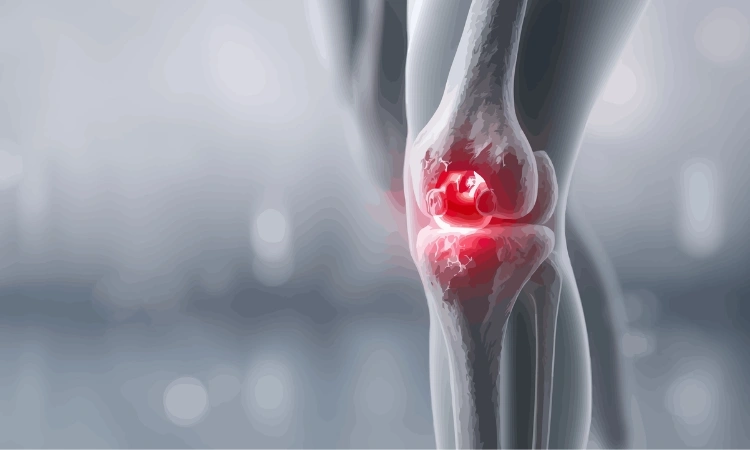
## **Non-Surgical Treatments for Knee Arthritis**
Surgery is almost never the first move. We always try to turn down the volume on the pain using conservative methods first. The best treatment for severe knee arthritis starts with giving the joint a break. This means:
- Doing physiotherapy to build muscle armor around the knee.
- Using basic anti-inflammatories to cool down the joint.
- Losing a few kilograms which takes a massive load off the cartilage.
- Using a brace to keep things steady.
In the early days, these steps can buy you a lot of comfortable years.
### **Alternatives to Knee Surgery**
If the basics aren’t cutting it but you aren’t ready for the operating theatre, there are other non-surgical knee arthritis treatments to look at.
- **Steroid Injections:** These act like a fire extinguisher for inflammation, offering a few months of peace.
- **Hyaluronic Acid:** Think of this as a top-up for your joint’s natural lubricant.
- **Stem Cell Therapy:** It’s a buzzy topic, and while it’s an interesting area of research for the future, it’s not a magic fix for a joint that is already bone-on-bone.
- **Lifestyle Shifts:** Swapping running for swimming or cycling can make a world of difference.
## **Surgical Treatments for Knee Arthritis**
When you’ve tried the injections and the therapy and you’re still hurting every day, knee arthritis surgery comes onto the table.
- **[Arthroscopy:](https://chennaiorthopaedics.com/knee-treatments/arthroscopic-knee-surgery-for-acl-pcl/)** This is a clean-up job using tiny cameras, mostly for early-stage issues.
- **[Osteotomy](https://chennaiorthopaedics.com/knee-treatments/knee-osteotomy/ "Osteotomy"):** This involves shifting your weight to the good side of the knee—usually for younger, active people.
- **[Knee Replacement](https://chennaiorthopaedics.com/knee-treatments/arthroscopic-knee-surgery-for-acl-pcl/ "Knee Replacement"):** This is the big one. We replace the worn-out surfaces with smooth metal and plastic. For people with advanced wear, this is often the only way to truly get back to a normal life.
### **When is Knee Surgery the Right Option?**
So, Knee surgery for arthritis: is it right for you?
It’s rarely about the X-ray; it’s about your life. Surgery becomes the right choice when you can’t sleep because of the ache, when you’ve stopped seeing friends because you can’t walk, and when the tablets just don’t work anymore. It’s a decision we make when the risk of staying as you are is worse than the risk of the procedure itself.
### **Recovery Time After Knee Arthritis Surgery**
Recovery is a marathon, not a sprint. If you have a knee replacement, you’ll actually be up and moving within a day or two, but don’t expect to be normal immediately. Most people get back to their daily routine in about 6 to 12 weeks. However, getting your full strength back takes months of dedicated physiotherapy. You get out what you put in during rehab.
## **Knee Arthritis Surgery Success Rates & Risks**
The success rates are actually fantastic—over 90% of people who get a total knee replacement say their pain is significantly better. These new joints can last 20 years if treated well. But, like any surgery, it isn’t without risk. Things like infection, blood clots, or the joint feeling a bit stiff can happen. It’s a serious conversation to have with your surgeon so you know exactly what you’re signing up for.
## **Top Knee Arthritis Specialist in Chennai – Dr. Bharani Kumar**
If you are looking for a [knee arthritis specialist in Chennai](https://chennaiorthopaedics.com/best-orthopaedic-doctor-in-chennai-dr-bharani-kumar-dayanandam/ "knee arthritis specialist in Chennai"), Dr. Bharani Kumar is well regarded for his balanced approach. He isn’t someone who rushes every patient into surgery. His focus is on looking at the whole person finding out if you need a lifestyle change, an injection, or an advanced surgical fix. It’s about having a clear, honest conversation so you can choose what feels right for your body.
## **Choosing the Right Knee Arthritis Treatment Near You**
When you’re searching for knee arthritis treatment options near me don’t just go to the closest clinic. Look for a specialist who has the experience to back up their claims and a hospital that has a great rehab team. You want a doctor who will be honest about the risks and who will support you through the recovery, not just the operation.
### Take the Next Step Toward Pain-Free Movement
Knee arthritis is a slow process, but it doesn’t have to be the end of your mobility. Surgery isn’t a failure of other treatments sometimes, it’s just the most logical next step to get your life back. If you’re tired of the pain, talk to a specialist like Dr. Bharani Kumar. The goal isn’t just to fix a joint—it’s to get you moving again, without thinking about your knee every single second.
## **FAQs**
### **What is the best treatment for severe knee arthritis?**+
For bone-on-bone cases, a knee replacement is usually the most reliable way to get long-term relief.
### **Can knee arthritis be treated without surgery?**+
Yes, many people manage for years with physio, weight loss, and the right injections.
### **How long does it take to recover from knee arthritis surgery?**+
You’ll be walking quickly, but full recovery and strength usually take a few months of hard work.
### **What are the risks of knee surgery for arthritis?**+
The main ones are infection and blood clots, which is why we take so many precautions during and after the procedure.
### **When should I consider knee surgery for arthritis?**+
When the pain is so constant that you’ve stopped living your life the way you want to.
### Share this:
- [ Share on X (Opens in new window) X](https://chennaiorthopaedics.com/knee-arthritis-surgery-when-needed/?share=twitter)
- [ Share on Facebook (Opens in new window) Facebook](https://chennaiorthopaedics.com/knee-arthritis-surgery-when-needed/?share=facebook)
-
**Categories:** Uncategorized
---
### [All you need to know about LCL reconstruction](https://chennaiorthopaedics.com/blog/lcl-reconstruction/)
**Published:** November 20, 2025
**Author:** suneethagdcs@gmail.com
**Content:**
The [knee](https://chennaiorthopaedics.com/knee-ailments/ "knee") is considered to be the largest and most complex joint in the human body. The knee is stabilized by a set of ligaments. There are four primary ligaments in the knee. They are:
- An anterior cruciate ligament (ACL)
- [A posterior cruciate ligament (PCL)](https://chennaiorthopaedics.com/knee-treatments/arthroscopic-knee-surgery-for-acl-pcl/ "A posterior cruciate ligament (PCL)")
- Medial collateral ligament (MCL)
- Lateral collateral ligament (LCL)
The lateral collateral ligament (LCL) plays the role of a stabilizer on the outer side of the knee. This connects the thigh bone (femur) to the fibula (side bone of the lower leg) and provides stability and limits the sideways movement of the knee.
A trauma, sports injuries, or direct blows to the knee can cause a tear in the lateral collateral ligament (LCL). This may result in pain, swelling and even instability of the knee. A thorough physical examination and by employing imaging techniques such as X-ray and MRI scan this injury can be easily diagnosed.
## Treatment of Torn Knee
The treatment of the torn LCL includes both surgical and non-surgical. Surgery is suggested when all the non-surgical interventions fail to heal the torn ligament.
## Non-Surgical interventions:
- Rest
- Ice
- Elevation
- Bracing
- Physical therapy
These methods help to reduce swelling and regain activity as well as strength and flexibility of the knee.
## Surgical interventions
Repair and reconstruction of the torn ligament is the most recommended surgical intervention. This is decided depending on the severity and location of the injury. LCL reconstruction is recommended only if the ligament is torn in the middle or if the injury is older than 3 weeks.
## Procedure
An LCL reconstruction is a procedure in which a torn ligament is replaced with healthy strong tissue or graft which is taken either from the tissue bank (called allograft) or from the patient’s body (called autograft). The most commonly used autografts hamstring tendons. This is an open incision procedure and not Arthroscopically. The procedure is done by making small incisions on the lateral side of the knee to perform the LCL reconstruction. A bone tunnel is established by drilling the thigh bone and fibula bones, precisely and accurately with specialized instruments and the ends of the tendon graft are passed through these tunnels and fixed using screws, metal staples or large sutures. The knee is then braced for 6-8 weeks.
## Post-operative care
Post-operative instructions recommended for LCL reconstruction are:
- Use crutches for at least 6 weeks to avoid full weight on the knee
- Apply ice and take prescribed medications to reduce swelling
- Avoid lifting heavyweight
- Avoid vigorous exercise
- Follow the instructions given by your surgeon
- Follow rehabilitation programs
- Seek the help of a physiotherapist to regain the motion and strength of the knee
If you are experiencing severe pain due to a torn ligament, it’s high time to rush to an expert. A discussion with the experts of Chennai Orthopaedics can help you find the right solution for your problem.
**Authored by Dr. Bharani Kumar Dayanandam**
### Share this:
- [ Share on X (Opens in new window) X](https://chennaiorthopaedics.com/blog/lcl-reconstruction/?share=twitter)
- [ Share on Facebook (Opens in new window) Facebook](https://chennaiorthopaedics.com/blog/lcl-reconstruction/?share=facebook)
-
**Categories:** Uncategorized
---
### [Pros and Cons of Osteotomy](https://chennaiorthopaedics.com/blog/osteotomy-pros-cons-insights/)
**Published:** November 20, 2025
**Author:** suneethagdcs@gmail.com
**Content:**
Osteotomy is a surgical procedure preferred by young adults to postpone [knee replacement surgeries](https://chennaiorthopaedics.com/knee-treatments/primary-and-revision-total-knee-replacement/ "knee replacement surgeries") for many years. It is a surgery that cuts and reshapes arthritis affected bone. Osteotomy, in its literal translation, means cutting of the bone. The procedure is either performed to repair the damaged joint or to shorten or lengthen the deformed bone.

During the [knee osteotomy procedure](https://chennaiorthopaedics.com/knee-treatments/knee-osteotomy/ "knee osteotomy procedure"), either the tibia or femur is cut or reshaped to take off the pressure from the damaged side of the knee. The main aim of the knee osteotomy is to shift off the body weight from the injured area to the healthy part of the knee.
The procedure is an excellent option for active young patients who have pain only one side of the knee, i.e., unilateral knee arthritis and who can fully straighten the knee and bend it at least 90o without experiencing severe pain. People with knee pain caused due to overweight or physical activity are also considered.
### **The procedure has its pros and cons depending on the patients need and condition that includes:**
### **PROS**
- During the procedure, the ligament of the knee joint is well preserved
- The procedure helps to delay the progression of osteoarthritis
- Osteotomy postpones the need for the joint replacement for a more extended period
- The procedure is better than knee replacement, where the entire knee has to be replaced with prosthetics.
- The procedure allows the patients to perform high-intensity workouts without much problem that might be not possible in replacement surgeries.
- It improves the function and mobility of the affected joint
- It reduces the pain level that is brought by the disease flare-up
### **CONS**
- The procedure requires more healing time
- Patients should use crutches for a couple of weeks during the healing period
- Having osteotomy can make later knee replacement more challenging
Infection in the bone region
- Failure of the pieces of bone to knit together
- During the procedure, the surrounding nerves or blood vessels around the knee might be damaged

To know in detail regarding the osteotomy procedure and to find out if you are a suitable candidate, visit **[Dr.Bharani Kumar Dayanandam](https://chennaiorthopaedics.com/best-orthopaedic-doctor-in-chennai-dr-bharani-kumar-dayanandam/ "Dr.Bharani Kumar Dayanandam")**, an eminent orthopedic surgeon at **[Chennai Orthopaedics](https://chennaiorthopaedics.com/ "Chennai Orthopaedics")**.
**Authored by Dr. Bharani Kumar Dayanandam**
### Share this:
- [ Share on X (Opens in new window) X](https://chennaiorthopaedics.com/blog/osteotomy-pros-cons-insights/?share=twitter)
- [ Share on Facebook (Opens in new window) Facebook](https://chennaiorthopaedics.com/blog/osteotomy-pros-cons-insights/?share=facebook)
-
**Categories:** Uncategorized
---
### [Neck Pain - When Should You Worry?](https://chennaiorthopaedics.com/blog/neck-pain-treatment-in-chennai/)
**Published:** November 20, 2025
**Author:** suneethagdcs@gmail.com
**Content:**

## **Neck pain Treatment In Chennai \| Symptoms and Causes**
**Neck pain** is one of the common problems that affect a person daily life and can widely vary person to person. Generally, neck pain is situated in one spot and move slightly to the nearby area within few days such as elbow or shoulder area. Neck pain rarely needed any kind of surgery and performs when recommended by the doctor. Chennai Orthopaedics in Shreeya clinic, Chennai has a facility to treat neck pain and perform surgery, if needed.
## **What are the causes of neck pain?**
The causes of neck pain are different in different people. Some major causes are
- Accidents and injuries
- Older age
- Spinal stenosis
- Degenerative disc disease (DDD)
- Poor posture
- Weak abdominal
- Spinal infection, tumor or fracture
- Obesity
## **What are the common symptoms of neck pain?**
The common symptoms of neck pain are
- Soreness and stiffness in neck
- Severe pain
- Radiating pain
- Trouble in lifting or gripping objects
- Sensation in neck area
- Headaches
## **What is the role of a surgeon?**
A surgeon can develop a customized plan that is suitable to the affective person. The surgeon prescribes many processes to accurately diagnose the problem cause and its solution. The surgeon may recommend certain test on the basis of patient symptoms, physical state, and previous medical history. Pain mapping procedure, MRI, CT scan, and nerve conduction studies are the test which is also performed to analyze the root cause.
## **What are the non-surgical treatment options for neck pain?**
There are various effective non-surgical treatment methods are available to eliminate neck pain. The options are
- Yoga, herbal remedies, acupuncture, massage
- Medication
- Chiropractic care
- Physical therapy
## **When is neck surgery needed?**
Generally, [neck pain](https://chennaiorthopaedics.com/blog/neck-pain-common-causes/ "neck pain") responds well to non-surgical treatment methods, however, surgical methods consider only when
Non-surgical treatment methods are not responding
Progressive neurological symptoms such as tingling, numbness, weakness involves legs and arms.
Patient having trouble in walking or balancing
## **What type of surgery is needed for neck pain?**
Generally, surgeons perform two types of surgery that includes spine.
- Discectomy
- Corpectomy
- Trans corporeal micro decompression (TCMD)
- Stabilization
**[Chennai Orthopaedics in Shreeya clinic](http://chennaiorthopaedics.com/best-arthroscopic-surgeon)**, Chennai has world-class facilities to treat neck pain. The doctors of the clinic are highly qualified and experienced.

Mail us: <info.chennaiortho.com@gmail.com>
[Authored By Dr Bharani Kumar Dayanandam,MBBS,Orthopedic Surgeon](https://chennaiorthopaedics.com/best-arthroscopic-surgeon)
### Share this:
- [ Share on X (Opens in new window) X](https://chennaiorthopaedics.com/blog/neck-pain-treatment-in-chennai/?share=twitter)
- [ Share on Facebook (Opens in new window) Facebook](https://chennaiorthopaedics.com/blog/neck-pain-treatment-in-chennai/?share=facebook)
-
**Categories:** Uncategorized
---
### [What are the Most Prominent Orthopaedic Issues Associated with Prolonged Sitting and Desk Work?](https://chennaiorthopaedics.com/blog/orthopaedic-issues-prolonged-sitting-desk-work/)
**Published:** November 21, 2025
**Author:** suneethagdcs@gmail.com
**Content:**
The fast-paced technology-driven world and jam-packed work schedules have chained people to the desk. Of course, the 9 – 5 jobs may pay you well enough for all the hard work you pour in, but have you paused for a while and tapped into your well-being? After finishing your tasks in one stretch, you get up to feel your back and legs all frozen and numb. That’s because you haven’t stretched or walked around. In short, there has been no physical activity.

[But, are you aware of the consequences of prolonged sitting on your orthopaedic health?](https://www.chennaiorthopaedics.com/joint-health-tips-foods-prevent-injuries)
## **Dangers of Prolonged SittingDangers of Prolonged Sitting**
Sitting for too long can harm our health without us realizing it. Our bodies are built for movement, but our modern lifestyles often encourage sitting. This affects our muscles, bones, and even our heart and metabolism. It’s important to understand how sitting for a long time can harm us and what we can do to prevent it. Here are some of the main dangers of sitting too much.
## **Muscle Weakness**
Atrophy or Muscle weakness is one of the conditions that arise after sitting for a longer duration because the body is not actively involved in any physical activity. This can be especially troublesome for older adults, increasing the chance of falls and injuries. Weak muscles also impact our ability to move easily and do daily activities. This lack of strength may lead to ongoing pain, making it harder to stay active.
## **Poor Posture**
Sitting for a long duration can impact your spine, resulting in bad posture and chronic back pain. When we sit and work, we often slouch, which can strain the muscles in the neck, back, and shoulders. This can eventually lead to ongoing back pain and even a misaligned spine. Bad posture also makes it harder to keep our balance, increasing the risk of falls and injuries.
## **Cardiovascular Risks**
That’s not it! Prolonged sitting can also bring cardiovascular risks. When we sit a lot, our body burns fewer calories, causing weight gain and higher cholesterol resulting in heart disease. Also, sitting for a long time makes the heart and blood vessels less efficient, allowing plaque to build up in the arteries (atherosclerosis). This buildup can lead to heart attacks or strokes. To keep a healthy heart, it’s important to cut down on sitting time.
## **Reduced Blood Circulation**
Prolonged Sitting slows down blood flow, causing fluid to build up in our legs and feet. This can lead to swelling, numbness, and discomfort. Less blood flow means our body gets less oxygen and nutrients, which can affect our overall health. Prolonged sitting is also linked to a higher risk of dangerous blood clots forming.
## **How to Combat the Prolonged Sitting Problems?**
### **Perform Regular Exercises**
Adding stretching exercises to your daily routine can ease muscle stiffness, enhance flexibility, and promote better blood circulation for overall health. Take brief breaks during the day to stretch with exercises like neck rolls, shoulder shrugs, toe touches, and side bends, even at your desk. A few minutes of stretching can have a meaningful impact.
### **Implement an Ergonomic Workspace**
Create a comfortable workspace by using ergonomic furniture. Get a chair that supports your spine, position your computer screen at eye level to avoid neck strain, and keep items within easy reach. Consider using armrests, footrests, and wrist supports to prevent muscle and joint strain and promote a healthy posture.
### **Try Using a Sit-Stand Desk**
Consider using a sit-stand desk, allowing you to switch between sitting and standing while working. This change can positively affect your musculoskeletal health by reducing spine strain and enhancing blood circulation. It might also help ease back pain and promote better posture. Check with your employer to see if this option is available for your workspace.
### **Perform Yoga**
After sitting all day, doing yoga, with its gentle stretches and muscle-lengthening moves, is great for the whole body. The deep breathing in yoga also helps the mind feel more relaxed and at ease.
### **Take a Break**
Busy schedules often put your health at risk as you remain latched to the desk and screen. But it’s important to take short breaks when sitting for a very long time, whether at a desk, in a car, or on the couch. Stand up, take a walk, and stretch your back muscles that get stiff from sitting. This will refresh and re-energize your body.
By understanding the risks and taking proactive measures for good health, we can break free from the chains of a poor lifestyle, and adopt a more active lifestyle. Let this be your guide to reclaiming your overall well-being and steering clear of the orthopaedic pitfalls of a sedentary existence.
**Authored by Dr Bharani Kumar Dayanandam, MBBS, Orthopaedic Surgeon**
### Share this:
- [ Share on X (Opens in new window) X](https://chennaiorthopaedics.com/blog/orthopaedic-issues-prolonged-sitting-desk-work/?share=twitter)
- [ Share on Facebook (Opens in new window) Facebook](https://chennaiorthopaedics.com/blog/orthopaedic-issues-prolonged-sitting-desk-work/?share=facebook)
-
**Categories:** Uncategorized
---
### [When Should You Opt For Hip Replacement?](https://chennaiorthopaedics.com/blog/hip-replacement/)
**Published:** November 21, 2025
**Author:** suneethagdcs@gmail.com
**Content:**
[Hip Replacement](https://chennaiorthopaedics.com/total-hip-replacement-surgery-in-chennai-procedure-benefits-cost-recovery/ "Hip Replacement") is a common type of surgery where a damaged hip joint is replaced with an artificial one called prosthesis. Hip Replacement is usually done for people above 60 years of age. The replaced joints are made of metal, ceramic, or hard plastic. A Total Hip Replacement surgery helps to relieve hip pain and increase the mobility of joints. A minimally invasive Hip Replacement preserves muscles and tissues that are destroyed during traditional surgery. The procedure involves smaller incisions that help in faster recovery.
## When to Consider a Hip Replacement Surgery?
Osteoarthritis, rheumatoid arthritis, and osteonecrosis can cause severe damage to the hip joints. Osteoarthritis can damage the cartilages which cover the tip of bones and aid in smooth movement. Rheumatoid arthritis results in [inflammation](https://www.chennaiorthopaedics.com/hip-pain-treatment) of the joints and destroys the cartilage. Inadequate blood supply to the ball portion of the hip joints causes damage to the bones that result in osteonecrosis. Other reasons to consider a hip replacement would be:
- Severe pain and swelling in the hip joint that decreases mobility
- Cannot engage in routine activities without extra help
- Excruciating pain in the hip that makes it difficult to sleep and to walk or bend
- When the hip damage is caused by an injury or **[hip fracture](https://www.chennaiorthopaedics.com/hip-pain-treatment/hip-fracture-treatment)**
- Non-surgical options failed to yield desired results
- Depressed because of severe pain and not being able to have a normal social life
## Signs that suggest you are not an Ideal Candidate for Hip Replacement
- When your hip pain does not limit your day-to-day activities
- When medications or therapy gives you relief from pain
- When you have not yet tried other less invasive treatments
### Hip Replacement Surgery- What to Expect?
- The patient would be administered with general anesthesia which usually numbs the lower half of the body
- An incision is made on the front part or side of the hip
- Affected bones and cartilages are removed
- Prosthetic socket is placed into the pelvic bone
- The round ball on top of the femur is replaced with a prosthetic ball
## Hip Replacement in Chennai
**Chennai Orthopedics** under the leadership of Dr. Bharani Kumar Dayanandam strives to bring the most efficient medical treatment to all patients. A team of highly trained doctors works together to ensure one hundred percent patient satisfaction. Chennai Orthopedics, with their innovative approach in medicine, offers effective**[ hip pain treatment in Chennai](https://www.chennaiorthopaedics.com/hip-pain-treatment).**
**Mail Us : info.chennaiortho.com@gmail.com**
**Book Your Appointment Here : [chennaiorthopaedics.com/book-appointment](https://www.chennaiorthopaedics.com/book-appointment)**
[Authored By Dr Bharani Kumar Dayanandam,MBBS,Orthopedic Surgeon](https://www.chennaiorthopaedics.com/best-arthroscopic-surgeon)
### Share this:
- [ Share on X (Opens in new window) X](https://chennaiorthopaedics.com/blog/hip-replacement/?share=twitter)
- [ Share on Facebook (Opens in new window) Facebook](https://chennaiorthopaedics.com/blog/hip-replacement/?share=facebook)
-
**Categories:** Uncategorized
---
### [Pain After a Shoulder Dislocation? When It’s Normal and When It’s Not](https://chennaiorthopaedics.com/blog/shoulder-dislocation-pain-warning-signs/)
**Published:** November 21, 2025
**Author:** suneethagdcs@gmail.com
**Content:**
Getting a shoulder dislocated may cause a lot of pain. You may worry whether it will pop out again.
The pain can result in sleepless nights. You may start having pain associated with doing little things like reaching for a glass, putting on a shirt, or opening the door.
When you have pain in the shoulders, it’s normal to have questions like
- Is it normal for this much pain to last this long?
- Why is my arm still weak?
- Will it ever feel stable again?
They are all very valid concerns, and knowing when the pain is part of the healing as opposed to when it’s actually a warning sign makes all the difference.

## What Pain Is Normal After a Shoulder Dislocation?
Pain is most likely expected after a shoulder pops out because it stretches and strains the tissues around the joint, yet this pain usually has a pattern.
### First Few Days
- Sharp pain immediately after the injury.
- It eases with gentle replacement of the shoulder.
- Soreness continues, and there may be swelling and stiffness in the following days.

###
1 to 3 Weeks
- Gradual reduction in the pain.
- Soreness during light movements.
- Ice and rest would help, together with gentle and guided exercises.
### 3 to 12 Weeks
- Normal discomfort- regaining motion and strength.
- The rehab starts slow, but you can expect steady progress.
- Week-by-week progress will be noted.
### 3 to 6 Months
- Pain continues to fade.
- Strength returns.
- It may take a while to recover full range of motion, especially if surgery is done.
## When Pain Is Not Normal?
Pain that gets worse or doesn’t go away after a few weeks deserves medical consultation. Watch out for:
- Sharp or stabbing pain with movement
- Tingling or numbness in your hand or fingers
- Weak grip or arm that feels “dead”
- Shoulder slipping or feeling unstable
- Pain without improvement after a few weeks
- Trouble sleeping or doing daily tasks due to pain
These symptoms may indicate a nerve injury, soft tissue damage, or a repeat dislocation.
## What to Do When Pain Isn’t Going Away?
Don’t dismiss the pain in your shoulder. The earlier you consult with an expert, the better the success of the treatment will be. Whether you have a simple shoulder dislocation or something more serious requiring surgery, get expert care at [Chennai Orthopaedics](https://www.chennaiorthopaedics.com/). With the right support, including medication, physiotherapy, or advanced treatments, you can regain your mobility and strength and improve your quality of life.
### Share this:
- [ Share on X (Opens in new window) X](https://chennaiorthopaedics.com/blog/shoulder-dislocation-pain-warning-signs/?share=twitter)
- [ Share on Facebook (Opens in new window) Facebook](https://chennaiorthopaedics.com/blog/shoulder-dislocation-pain-warning-signs/?share=facebook)
-
**Categories:** Shoulder Dislocation
---
### [Get To Know The Causes And Symptoms Of Shoulder Dislocation](https://chennaiorthopaedics.com/blog/causes-and-symptoms-of-shoulder-dislocation/)
**Published:** November 21, 2025
**Author:** suneethagdcs@gmail.com
**Content:**
What is a dislocated shoulder? It is an injury where the upper arm bone comes out of the cup-shaped socket which is actually a part of the shoulder blade. The shoulder is one of the most mobile and movable part of the body which often gets dislocated if sudden accidents occur. Shoulder dislocation needs immediate professional assistance. But how would you actually know whether the shoulder is dislocated or not? Following are the list of symptoms which will help you to identify whether your [shoulder is dislocated](https://www.chennaiorthopaedics.com/shoulder-pain-treatment/shoulder-dislocation-treatment) or not:
## **Symptoms of shoulder dislocation**
- Extreme pain in the shoulder area and hands.
- The shoulder will look deformed or out of place.
- Immediate swelling will occur.
- The shoulder area might get red fluffy.
- Inability to move the shoulder.
Sometimes shoulder dislocation can also cause tingling or numbness around the shoulder area. Apart from the bone dislocation, your muscles around the shoulder area can also get affected if you fall or get any kind of sports injury.
As shoulder is one of the most delicate bones of the body, you should definitely go for the best treatment. Don’t waste your time by searching for the treatment. Dr. Bharani Kumar Dayanandam, the [best orthopedic surgeon in Tamil Nadu](https://www.chennaiorthopaedics.com/best-arthroscopic-surgeon) will help you. He provides the best **[shoulder dislocation treatment in Chennai](https://chennaiorthopaedics.com/shoulder-pain-treatment/shoulder-dislocation-treatment/)**
### **When can your shoulder dislocate?**
Shoulder is one of the most injury prone areas of the body as it can be moved in any directions. What happens is that if the shoulder gets twisted or moved in some wrong direction it might get displaced. As a result at times the tissues and fibres in those areas can also get torn or stretched, making the matter worse.
## **Dislocation mainly occurs due to:**
- Sudden falls
- Any sort of trauma
- Sports related injuries
## **Where should you go?**
[Shoulder injury](https://www.chennaiorthopaedics.com/shoulder-pain-treatment/shoulder-fracture-treatment) should never be ignored. One of the best **[orthopaedic specialist in Chennai](https://chennaiorthopaedics.com/)** is Dr. Bharani Kumar Dayanandam. He along with his team uses the best infrastructure and technology to provide the best services to patients from all over the world. He is famous for the **[shoulder joint surgery in India](https://chennaiorthopaedics.com/shoulder-pain-treatment/shoulder-dislocation-treatment/)**.
[Authored By Dr Bharani Kumar Dayanandam,MBBS,Orthopedic Surgeon](https://www.chennaiorthopaedics.com/best-arthroscopic-surgeon)
Mail Us : info.chennaiortho.com@gmail.com
### Share this:
- [ Share on X (Opens in new window) X](https://chennaiorthopaedics.com/blog/causes-and-symptoms-of-shoulder-dislocation/?share=twitter)
- [ Share on Facebook (Opens in new window) Facebook](https://chennaiorthopaedics.com/blog/causes-and-symptoms-of-shoulder-dislocation/?share=facebook)
-
**Categories:** Shoulder Dislocation
---
### [How Long Does A Knee Osteotomy Take To Heal?](https://chennaiorthopaedics.com/blog/knee-osteotomy-procedure-and-recovery/)
**Published:** November 21, 2025
**Author:** suneethagdcs@gmail.com
**Content:**
[Knee osteotomy](https://www.chennaiorthopaedics.com/knee-treatments/knee-osteotomy) is a surgical procedure performed to relieve pressure on the damaged site of an arthritic knee joint. Osteotomy literally means cutting of the bone” and this is most commonly performed for patients where the knee joint’s weight-bearing surfaces worn away on one side. The affected side of the joint is no longer free running and smooth, leading to pain and stiffness. The objective of osteotomy is to transfer the weight-bearing forces within the knee to an uninvolved joint surface. However, this surgery is designed to allow patients to walk without discomfort, not to return them to sporting activities. Those patients who fail to achieve any long-term relief typically attain at least a few years of relief and then often progress to joint replacement.
## How [knee osteotomy](https://www.chennaiorthopaedics.com/knee-treatments/knee-osteotomy) is done?
The two most common types of knee osteotomies are high tibial osteotomy, reshaping the tibia (shin bone) and femoral osteotomy, a reshaping of femur (thigh bone).
In simple terms, when a surgeon removes or adds a wedge of bone to an area of the tibia (shin bone) just below the knee to relieve pressure on the medial compartment of knee joint, it is called a high tibial osteotomy. This surgery is realigning joint sparing operation for osteoarthritis and malalignment of the knee which is most often performed to relieve pain and improve function.
When a surgeon removes or adds a wedge of bone to the femur (thigh bone), it is called a femoral osteotomy. Typically, the bone is cut on the thigh bone above the knee cap. Less common than tibial osteotomies, femoral osteotomies are usually done for younger patients with significant knock-kneed or valgus deformities, improve joint function, and relieve arthritis pain.
## What should I expect after the knee osteotomy?
After surgery, most patients experience only mild discomfort and pain. Many types of pain medication are available to help control pain, including nonsteroidal anti-inflammatory drugs (NSAIDs), opioids and local anesthetics.
Wounds will be dressed with well-padded dressings under the outer bandage. The outer bandage may be removed one or two days after surgery. The inner dressing will remain intact for 7-10 days. You will be advised to do continuous passive motion exercises while in bed. Your operated leg will be slightly flexed and extended intermittently to keep the knee joint from becoming stiff. Most of the times, patients can go home 1-2 days after a knee osteotomy.
## Is physiotherapy required after knee osteotomy?
It is really important to exercise the knee regularly for several weeks following surgery to strengthen the leg and knee muscles. A physical therapist will teach exercises to help maintain range of motion in your knee and restore your knee strength. You have to continue exercises on a daily basis after the cast is removed.
## How long will it take to recover?
Recovery after knee osteotomy starts at least 4-8 weeks as they will wear a cast and then you can put your weight on it to start physical therapy. This is the time it takes to recuperate and regain muscle and knee strength. Patients are usually able to walk without crutches by 8-12 weeks. Sedentary and office workers may return to work approximately one week after the surgery. It is usually at least six months before any physical work is possible, and between 6 – 12 months before sport can be resumed.
### **Recovering at home**
When you are at home, follow the instructions given by your orthopaedic surgeon and physiotherapist.
### **During your recovery:**
- Take pain medications and any other medicine as instructed.
- Take Care of your incisions as directed particularly when bathing or showering.
- While resting, it is important to keep your leg elevated to reduce pain and swelling.
- Apply an ice pack (to reduce swelling)wrapped in a thin towel to your knee a few times a day for not more than 10-15 minutes at a time.
- You will not usually be allowed to bend your knee until you consult the surgeon at clinic.
- Don’t exert weight in your leg for six weeks.
- Use any aids, such as a brace, splint, crutches or walking frames as instructed.
- Follow the exercises your physiotherapist suggests you to do. This includes hands-on stretches, exercises to improve knee range of motion, strength exercises, Endurance and balance exercises.
- Eating a nourishing, balanced diet with plenty of iron will help encourage healing.
[**Chennai Orthopaedics** ](https://www.chennaiorthopaedics.com/)at Vanagaram, Chennai is a world-class healthcare institute for Orthopaedic Treatment in Chennai that provides comprehensive healthcare services with care and dedication. The center is managed by [Dr. Bharani Kumar Dayanandam](https://www.chennaiorthopaedics.com/best-arthroscopic-surgeon), a prominent Orthopedic Surgeon in Tamil Nadu and Trauma Consultant currently serving as the Consultant Trauma & Orthopaedic Specialist Chennai at Apollo Hospitals, Ayanambakkam, Chennai. The institute at vanagaram with state-of-the-art technology delivers top-notch **[Knee Pain Treatment](https://www.chennaiorthopaedics.com/knee-pain-treatments)** for every patient. They offer a full continuum of diagnostic, therapeutic and surgical services for adults and children with bone, joint or connective tissue disorders.
**Mail Us : info.chennaiortho.com@gmail.com**
**Book Your Appointment Here : [chennaiorthopaedics.com/book-appointment](https://www.chennaiorthopaedics.com/book-appointment)**
[Authored By Dr Bharani Kumar Dayanandam,MBBS,Orthopedic Surgeon](https://www.chennaiorthopaedics.com/best-arthroscopic-surgeon)
### Share this:
- [ Share on X (Opens in new window) X](https://chennaiorthopaedics.com/blog/knee-osteotomy-procedure-and-recovery/?share=twitter)
- [ Share on Facebook (Opens in new window) Facebook](https://chennaiorthopaedics.com/blog/knee-osteotomy-procedure-and-recovery/?share=facebook)
-
**Categories:** Knee Osteotomy
---
### [KNEE DISLOCATION: CHOOSING BETWEEN THE KNIFE AND NATURAL HEALING](https://chennaiorthopaedics.com/blog/knee-dislocation-treatment-surgery-or-non-surgical/)
**Published:** November 21, 2025
**Author:** suneethagdcs@gmail.com
**Content:**
# K
## WHAT IS KNEE DISLOCATION?
Now, one might ask: what exactly is a [knee dislocation](https://www.chennaiorthopaedics.com/knee-pain-treatments)? This isn’t just any common knee injury. A true knee dislocation occurs when the joint between the tibia and femur is completely disrupted — meaning your knee isn’t sitting where it’s supposed to be, but has shifted out of place entirely. People often confuse this with a much more common condition where the kneecap slips out of its groove on the thigh bone — known as a kneecap dislocation (or patellar dislocation). While that can be painful, a full knee dislocation is far more serious and can even threaten blood vessels and nerves around the knee.
## WHAT CAN CAUSE THIS?
Would a simple fall cause an injury this severe? Actually, no. A true knee dislocation requires a tremendous amount of force — something a normal fall simply can’t produce. So, what can cause it? Typically, it’s the result of high-energy trauma, such as:
- Car accidents
- Major sports injuries
- Any significant impact that violently pushes the thigh bone (femur) and shin bone (tibia) out of alignment
This is why [knee dislocations](https://www.chennaiorthopaedics.com/knee-pain-treatments) are considered orthopaedic emergencies — they don’t just happen from a slip or trip.
## HOW DO WE IDENTIFY A KNEE DISLOCATION?
Usually, a dislocated knee is visibly out of place — the joint looks deformed. The knee becomes extremely painful and swollen, and the person is unable to walk. In some cases, the knee may slip back into place on its own without medical attention. However, the pain, swelling, and instability will persist, signalling that the injury is still serious. In severe cases, the lower leg may appear pale or feel numb. These symptoms can indicate arterial damage (disrupted blood supply) or nerve injury, both of which are medical emergencies and require immediate treatment.
## WHY IS THIS SO SERIOUS?
This is a serious situation because a major artery supplies blood to the lower leg. If that artery is damaged or blood flow is blocked, it can quickly lead to loss of circulation. Without urgent treatment, this may result in tissue death and, in extreme cases, amputation of the limb.
## **DIAGNOSIS**
A knee dislocation can easily be diagnosed through a combination of patient history, a thorough physical examination including special tests, and advanced imaging like X-rays, CT scans and MRIs.
## TREATMENT FOR KNEE DISLOCATION: NATURAL V SURGERY
So, you’ve dislocated your knee and now you’re wondering, What’s next? The answer really depends on how bad the injury is. Sometimes you can get better without surgery, but most of the time, a surgery is needed.
### **The Non-Surgical Path**
You might be a candidate for non-surgical treatment if:
- The bones of your knee were put back into place successfully.
- The injury didn’t damage any nerves or blood vessels.
- Your ligaments weren’t severely injured.
If that’s your situation, your doctor will likely recommend:
- Wearing a brace or cast to keep your knee stable.
- Following the R.I.C.E. method (Rest, Ice, Compression, and Elevation) to help with pain and swelling.
- Taking medication for pain and inflammation.
- Starting physical therapy to slowly regain strength and movement.
The good news is you’ll avoid the risks of surgery. The tough part is that recovery can take longer, and if your ligaments were badly stretched, your knee might not feel as stable as it once did, even after you’ve healed.
### **The Surgical Path**
Surgery is usually necessary when:
- One or more of your major ligaments [(ACL, PCL, MCL, or LCL)](https://www.chennaiorthopaedics.com/knee-pain-treatments) are completely torn.
- The injury has damaged blood vessels or nerves, which can be a serious medical emergency.
- Your knee keeps feeling wobbly and slipping out of place.
The surgery itself might involve repairing torn ligaments or fixing any damaged blood vessels and nerves. Sometimes, it takes more than one operation to get everything right. Afterwards, you’ll need to go through a long period of rehabilitation and physical therapy to get your movement, strength, and stability back. The biggest advantage of surgery is that it gives your knee the best chance to be stable again, which can prevent long-term problems. However, you’ll have to deal with a higher risk of infection, potential stiffness, and a longer recovery time compared to a non-surgical treatment. No matter which path you take, the goal is to get you back on your feet and feel confident in your knee again.
### Share this:
- [ Share on X (Opens in new window) X](https://chennaiorthopaedics.com/blog/knee-dislocation-treatment-surgery-or-non-surgical/?share=twitter)
- [ Share on Facebook (Opens in new window) Facebook](https://chennaiorthopaedics.com/blog/knee-dislocation-treatment-surgery-or-non-surgical/?share=facebook)
-
**Categories:** Uncategorized
---
### [Total knee replacement](https://chennaiorthopaedics.com/blog/total-knee-replacement/)
**Published:** November 21, 2025
**Author:** suneethagdcs@gmail.com
**Content:**

[Total Knee Arthroplasty ](https://www.blogger.com/blog/post/edit/3412806350743312956/5632330704803214343)(TKR) or [total knee replacement](https://chennaiorthopaedics.com/knee-treatments/primary-and-revision-total-knee-replacement) is a very common procedure used to treat knee-related problems. This method is extremely successful in relieving pain and helping patients live active, fulfilling life. TKR also has good longevity in most patients. However, in some cases, the replaced knee might end up having some problems. Though very rare, these instances are unavoidable. In these cases, the faulty knee implants will have to be replaced in a procedure called revision total knee replacement.
Madhavi (name changed) underwent a bilateral staged complex primary TKR 2 years back at the age of 48 to treat inflammatory arthritis. However, post-surgery her knee felt slightly loose and was therefore advised to wear knee braces for a few months to tighten her soft tissues. Unfortunately, due to the COVID lockdown, she could not visit her doctor for further consultations. Her knee continued to be unstable and Madhavi could barely walk or even stand without her knee braces.
Finally, Madhavi approached [Dr. Bharani Kumar Dayanandam](https://www.blogger.com/blog/post/edit/3412806350743312956/5632330704803214343), the senior orthopaedic surgeon and trauma consultant at Chennai Orthopaedics. A thorough examination revealed that Madhavi’s knee was completely unstable and she was at a high risk of falling and fracturing her bone and/or implants. Dr. Bharani Kumar suggested a revision total knee replacement to correct this error. Revision total knee replacement is more complex than a regular TKR due to multiple reasons. The original implant must be removed, special implants must be used as there will be lesser bone than before to work on, bone grafts may have to be placed to support the implants by filling the void caused by bone deterioration, etc, says Dr. Bharani Kumar.
There are many reasons why a TKR fails. These include misalignment of implants due to incorrect sizes or surgical errors, erosion or wear and tear due to high activity, infections, fractures, stiffness due to the build-up of scar tissues, and instability due to the looseness of soft tissues around the implant, etc. says Dr. Bharani Kumar. Depending on the cause, a revision [total knee replacement](https://orthoinfo.aaos.org/en/treatment/total-knee-replacement/) might become necessary a few months or a few years after the initial TKR. The rehabilitation and recovery steps for a revision total knee replacement surgery are similar to that of TKR. According to Dr. Bharani Kumar, In most cases, we begin physiotherapy 24-48 hours after the surgery which can last up to 3 months.
Madhavi is very happy with the progress she has been making since the bilateral revision knee replacement surgery conducted by the very experienced Dr. Bharani Kumar and his team. I have been able to walk without knee braces immediately after the surgery, beams Madhavi. Dr. Bharani Kumar is very optimistic about Madhavi’s recovery. “In Madhavi’s case, the complex primary knee was replaced with a hinged knee as her ligaments were completely lax, says Dr. Bharani Kumar.
Dr. Bharani Kumar understands the skepticism people feel when they are advised to have a revision total knee replacement. The general attitude is How will the second time be any better than the first TKR? However, Dr. Bharani Kumar says that in the hands of an experienced orthopaedic surgeon, revision total knee replacement can correct the problems that arise in the first TKR and thereby improve your quality of life drastically.
[Authored By Dr Bharani Kumar Dayanandam,MBBS,Orthopedic Surgeon](https://chennaiorthopaedics.com/best-arthroscopic-surgeon)
### Share this:
- [ Share on X (Opens in new window) X](https://chennaiorthopaedics.com/blog/total-knee-replacement/?share=twitter)
- [ Share on Facebook (Opens in new window) Facebook](https://chennaiorthopaedics.com/blog/total-knee-replacement/?share=facebook)
-
**Categories:** Uncategorized
---
### [Top 5 Everyday Habits That Are Secretly Damaging Your Bones & Joints](https://chennaiorthopaedics.com/blog/habits-damaging-bones-and-joints/)
**Published:** November 21, 2025
**Author:** suneethagdcs@gmail.com
**Content:**
There’s no magic formula to living your healthiest life, but it is really important to create healthy habits early on. You have to remember that your physical health affects your mental health and vice versa. What you do to your body makes a big difference in how you feel. Physical activity, diet, alcohol, smoking, and drugs can all affect your mental and physical well-being in different ways.
Bone and joint strength matters to your overall health, wellness, mobility, and quality of life. They are the framework of your body, allowing you to move, stand, walk, and carry out activities of daily living without pain and limitation. When you get older, the impact of having poor bones can dramatically affect the way they function, and lead to severe shoulder pain, knee pain, and ankle pain. It may last for weeks and months.
## **Why Bone and Joint Health Matters**
Adults have 206 bones that form the main part of the skeletal system. They’re the support structure or cage that protects our organs, and they do so much more. They work with our muscles to move our bodies, they store important minerals, they produce hormones, and they even make our blood.
Maintaining joint health is essential for mobility and independence. Joints are where two bones meet and are cushioned by cartilage. Regular exercise, a healthy weight, and good posture all help with joint function and minimize unhealthy strain. In addition to lifestyle habits, regular checkups with orthopedic providers are equally significant.
Orthopedic care doesn’t just focus on your injury; it also plays a major role in the prevention of injury. The best way to avoid orthopedic injury is to obtain preventive and proactive orthopedic healthcare. Preventive healthcare may help to identify early signs of joint or bone issues.
One of the top experts in the field is[ Dr. Bharani Kumar](https://chennaiorthopaedics.com/best-arthroscopic-surgeon/), a well-known Orthopedician, currently practicing at Kauvery Hospital, Vadapalani, Chennai. Dr. Kumar has a practice in the orthopedic field spanning over 28 years, exclusively in Chennai.
He is especially well-known for his expertise in [robotic knee replacement surgery](https://chennaiorthopaedics.com/knee-treatments/primary-and-revision-total-knee-replacement/ "robotic knee replacement surgery"), sports medicine, shoulder arthroscopic decompression and tissue repair, and general shoulder stabilization. Dr. Kumar has provided orthopedic care to a multitude of patients over the years, performing surgeries (and non-surgical treatments) on many patients who have suffered from complex joint, bone, and sports-related injuries, establishing himself as one of the most trusted names in orthopedic care in the region. Today, he is one of the most trusted names in orthopedic care (and has a growing reputation) in the city.
## **Habit 1 – Sitting Too Much and Its Impact on Bone Health**
Sitting for long periods of time causes or is associated with a number of chronic medical conditions, like obesity, high blood pressure, high cholesterol, and cardiovascular diseases. Even sitting for too long basically makes your blood flow slow down throughout your body, and you are not burning the fatty acids, which leads to an elevated risk of heart disease. It will slow down your brain function, too.
Osteoporosis is a condition where the density and bone health are reduced significantly. Individuals with osteoporosis must take measures to strengthen their bones to prevent falls and injuries that could lead to fractures.
## **Habit 2 – Smoking and Its Effect on Bones & Joints**
Smoking affects every organ of your body. People who use tobacco face a higher risk of fracture due to decreased bone density. It reduces calcium absorption and bone turnover, and leads to increased injuries and delays healing.
People who smoke have a higher risk of arthritis. Smoking could actually activate your immune system, and that can eventually lead to increased inflammation in your joints, causing arthritis. Smoking is connected to osteoporosis, and it results in fragile and brittle bones, making them more prone to breaking.
## **Habit 3 – Poor Diet and Joint Pain Connection**
Diet can affect joint pain or the potential for developing joint pain. If you can keep an ideal weight, you’re going to be less likely to create all sorts of problems, most particularly joint pain in the weight-bearing joints. Keeping an anti-inflammatory diet, which means not eating processed foods, high salt, sugar foods, eating good omega-3 fatty acids, a plant-based diet, and generally eating a lot of fruits and vegetables.
Bones might be secretly breaking, and sunlight could be the cure. 80% of people don’t get enough vitamin D, and that makes bones weak, brittle, and fragile. Vitamin D helps your body to absorb calcium; without it, your bones starve. Your bones crack or hurt easily when you lack a vital mineral. Calcium boosts your bone strength naturally and keeps you energized**.**
## **Habit 4 – Ignoring an Anti-Inflammatory Diet**
Foods that have high antioxidant and anti-inflammatory properties will help to reduce inflammation and relieve joint pain. There are many anti-inflammatory foods; the best ones are the omega-3 fats. Vitamin D helps your body absorb calcium. Calcium boosts your bone strength naturally, and leafy greens are nutrient-rich and promote healthy digestion. Leafy greens are an excellent source of calcium, magnesium, and vitamin K, which are essential for bone health.
The top foods to prevent bone loss are leafy greens like spinach and collard greens, which are packed with vitamin K, calcium, and magnesium. These greens play a vital role in improving bone density and reducing the risk of fractures. Dairy products like milk, yogurt, and cheese are rich in calcium, which is essential for building and maintaining strong bones.
And the important foods to avoid are,
- Soft drinks- they deplete calcium and bones.
- Coffee Too much caffeine weakens bones
- Fats- They block calcium absorption.
- Wheat Bran- It can reduce calcium levels.
- Alcohol- It interferes with bone formation.
## **Habit 5 – Everyday Lifestyle Mistakes Damaging Joints**
A sedentary lifestyle will affect your health. like,
- Lack of movement can stiffen joints and weaken surrounding muscles.
- Poor posture puts unnecessary strain on your spine and other joints.
- Wearing incorrect shoes or supportive shoes that are not orthotic or do not allow a good heel-to-toe stride can lead to joint misalignment in the knees and ankles.
Every anxious, worried, or fearful thought sends a molecule of emotion; this is an energy that depletes bone. These negative emotions can raise cortisol levels, a stress hormone produced by the adrenal gland, which has the job of shutting down digestion and bone building to put all the resources available for fight or flight or freezing. People who are depressed and anxious actually have weaker bones than people who are happy and peaceful with their lives.
Tips to maintain bone alignment and strength are maintaining ideal body weights, regular physical exercise, avoiding alcohol intake and smoking, taking supplements like calcium and vitamin D3, and maintaining a healthy lifestyle, such as adequate sleep, and a good- nutritious diet.
## **How to Protect Your Bones and Joints – Expert Advice**
Lack of movement can stiffen joints and weaken surrounding muscles. Physical activities, especially weight-bearing activities like walking, jogging, and lifting weights, improve bone strength, which makes the bones stronger and reinforces bone density. Include plenty of calcium in your diet. Good sources of calcium include dairy products, turnip greens, sardines, tuna, and soy products, such as tofu.
Consulting an [orthopedic surgeon](https://www.chennaiorthopaedics.com/) for bone and joint pain is really important. Don’t wait for the pain to hit! Taking action early can make all the difference in your bone health journey. Early detection leads to faster recovery and long-term relief. Don’t let small issues turn into big problems.
## **Does sitting weaken bones permanently?**
There are a number of adverse health risks associated with sitting too much. It weakens your spine, tight hips shift the load onto your lumbar spine, speeding up bone loss and even raising your risk of osteoporosis. Some recent studies have shown that exercise might not help you overcome some of the effects of sitting.
## **Can smoking cause joint problems?**
Smoking is a harmful habit that can affect various aspects of your health, including your joint health. It reduces the blood flow to the joints, which can cause the joints to receive the nutrients and oxygen, leading to joint pain and stiffness.
## **What foods are bad for bone health?**
Bones work silently to keep you upright and strong. Unfortunately, some of your food choices can contribute to weak bones.
- Soft drinks are the main reason for the degeneration of your bones.
- Excessive intake of caffeine can really harm your bones, as it disturbs calcium balance in your body.
- Salt raises the excretion of calcium through urine.
- Packaged food increases your body’s sodium level.
- High sugar intake may lead to inflammation.
## **Which diet is best for strong bones and joints?**
The best calcium-rich foods that are helpful for strong bones are firm tofu, skim milk, low-fat yogurt, cooked spinach, almonds, dried figs, shrimp, and green leafy vegetables.
## **Final Takeaway**
Strong bones are an important foundation for your overall health. Weak bones are a bad situation. It can trigger a chain reaction. The top five habits that damage your bones are – Sitting too much, smoking, poor diet, avoiding an anti-inflammatory diet, and the last one is everyday lifestyle mistakes. To fix your bones early, you have to correct your lifestyle and make sure you have a nutritious diet. Exercise is also a must, like load-bearing exercise and plyometrics. You want to reduce stress and need good sleep for good bone health. If you are suffering from any of the above-mentioned bone issues, Dr. Bharani Kumar is the best option for consultation. He can help you with the[ best Ortho treatment.](https://www.chennaiorthopaedics.com/best-arthroscopic-surgeon)
### Share this:
- [ Share on X (Opens in new window) X](https://chennaiorthopaedics.com/blog/habits-damaging-bones-and-joints/?share=twitter)
- [ Share on Facebook (Opens in new window) Facebook](https://chennaiorthopaedics.com/blog/habits-damaging-bones-and-joints/?share=facebook)
-
**Categories:** Uncategorized
---
### [முன்புற சிலுவை தசைநார் காயம்](https://chennaiorthopaedics.com/2025/11/21/anterior-cruciate-ligament-injury/)
**Published:** November 21, 2025
**Author:** suneethagdcs@gmail.com
**Content:**
முன்புற சிலுவை தசைநார் (Anterior Cruciate Ligament – ACL) (ஏ.சி.எல்) காயம் என்பது முழங்காலில் உள்ள முன்புற சிலுவை தசைநார் அதிகமாக நீட்டுவது அல்லது கிழிந்து போவது ஆகும். ஒரு சிதைவு பகுதி அல்லது முழுமையானதாக இருக்கலாம். கால்பந்தாட்டச் சண்டையின் போது உங்கள் முழங்காலின் பக்கத்தில் கடுமையாக அடிபடுதள், உங்கள் முழங்கால் மூட்டை அதிகமாக நீட்டுதல், ஓடும்போது, தாவலில் இருந்து தரையிறங்கும்போது அல்லது திரும்பும்போது விரைவாக நகர்வதை நிறுத்திவிட்டு திசையை மாற்றவும். கூடைப்பந்து, கால்பந்து, கால்பந்து மற்றும் பனிச்சறுக்கு ஆகியவை ஏ.சி.எல் சிதைவுடன் இணைக்கப்பட்ட பொதுவான விளையாட்டுகளாகும். இது போன்ற சந்தர்ப்பங்களில் ஏ.சி.எல் காயம் ஏற்படலாம். ஏ.சி.எல் காயங்கள் பெரும்பாலும் மற்ற காயங்களுடன் நிகழ்கின்றன. உதாரணமாக, ஒரு ஏ.சி.எல் சிதைவு அடிக்கடி முழங்காலில் (MCL) உள்ள அதிர்ச்சி-உறிஞ்சும் குருத்தெலும்பு (மெனிஸ்கஸ்) ஆகியவற்றுடன் சேர்ந்து ஏற்படுகிறது. பெரும்பாலான ஏ.சி.எல் சிதைவு தசைநார் நடுவில் ஏற்படுகிறது, அல்லது தசைநார் தொடை எலும்பிலிருந்து இழுக்கப்படுகிறது. இந்த காயங்கள் கிழிந்த விளிம்புகளுக்கு இடையில் ஒரு இடைவெளியை உருவாக்குகின்றன, மேலும் அவை தானாகவே குணமடையாது.
காயத்தின் போது ஒரு உறுத்தும் ஒலி, வெளிப்படையானது முழங்கால் வீக்கம் காயம் ஏற்பட்ட 6 மணி நேரத்திற்குள், வலி, குறிப்பாக நீங்கள் காயமடைந்த காலில் எடை போட முயற்சிக்கும் போது, உங்கள் விளையாட்டைத் தொடர்வதில் சிரமம், உறுதியற்ற உணர்வு போன்றவை ஆரம்ப அறிகுறிகள். விளையாட்டு அல்லது உடற்பயிற்சி செய்யும் போது சரியான நுட்பங்களைப் பயன்படுத்தவும். சில கல்லூரி விளையாட்டுத் திட்டங்கள் விளையாட்டு வீரர்களுக்கு ஏ.சி.எல் இல் உள்ள அழுத்தத்தை எவ்வாறு குறைப்பது என்பதைக் கற்பிக்கின்றன. இது தொடர்ச்சியான சூடான பயிற்சிகள் மற்றும் ஜம்பிங் பயிற்சிகளை உள்ளடக்கியது. ஏ.சி.எல் காயங்களைக் குறைக்கும் வகையில் ஜம்பிங் மற்றும் லேண்டிங் பயிற்சிகள் உள்ளன, என்கிறார் மருத்துவர் பரணி குமார், சென்னை.
தீவிரமான தடகள நடவடிக்கைகளின் போது முழங்கால் பிரேஸ்களைப் பயன்படுத்துவது (கால்பந்து போன்றவை) சர்ச்சைக்குரியது. இது முழங்கால் காயங்களின் எண்ணிக்கையைக் குறைக்கவில்லை, ஆனால் குறிப்பாக ஏ.சி.எல் காயங்கள் அல்ல. உங்களுக்கு ஏ.சி.எல் காயம் இருப்பதாக நீங்கள் நினைத்தால், உங்கள் மருத்துவரை பார்க்கவும். நீங்கள் மருத்துவரை பார்த்து சிகிச்சை பெறும் வரை விளையாட்டு அல்லது பிற செயல்பாடுகளை விளையாட வேண்டாம். உங்கள் மருத்துவர் முழங்காலின் எம்ஆர்ஐக்கு அனுப்பலாம். இது நோயறிதலை உறுதிப்படுத்த முடியும். இது மற்ற [முழங்கால் காயங்களையும்](https://chennaiorthopaedics.com/knee-ailments/ "முழங்கால் காயங்களையும்") காட்டும்.
சிலர் கிழிந்த ஏ.சி.எல் உடன் சாதாரணமாக வாழவும் செயல்படவும் முடியும். இருப்பினும், பெரும்பாலான மக்கள் தங்கள் முழங்கால் நிலையற்றது மற்றும் உடல் செயல்பாடுகளுடன் வெளியேறலாம் என்று புகார் கூறுகின்றனர். ஏ.சி.எல் சிதைவிற்கு பிறகு நிலையற்ற முழங்கால் மேலும் முழங்கால் சேதத்திற்கு வழிவகுக்கும். ஏ.சி.எல் இல்லாமல் அதே அளவிலான விளையாட்டுகளுக்கு நீங்கள் திரும்புவதற்கான வாய்ப்பும் குறைவு.
### Share this:
- [ Share on X (Opens in new window) X](https://chennaiorthopaedics.com/2025/11/21/anterior-cruciate-ligament-injury/?share=twitter)
- [ Share on Facebook (Opens in new window) Facebook](https://chennaiorthopaedics.com/2025/11/21/anterior-cruciate-ligament-injury/?share=facebook)
-
**Categories:** Uncategorized
---
### [Grade II PCL Tear: Anikesh's Non-Surgical Healing Journey](https://chennaiorthopaedics.com/blog/pcl-tear-non-surgical-treatment/)
**Published:** November 21, 2025
**Author:** suneethagdcs@gmail.com
**Content:**
Anikesh was driving when he was involved in an accident. Anikesh was fortunate to have escaped with only minor injuries, but he was left with what is known as a dashboard knee injury. I had no idea what a dashboard injury was until the doctor told me. As far as I was concerned, I had a swollen knee after the accident and I was in a lot of pain, says Anikesh. Any blunt force trauma that causes damage to the posterior cruciate ligament (PCL) is referred to as a dashboard knee injury. It is most commonly observed in car accident victims who have rammed their knees into the dashboard hence the name dashboard knee injury.
The emergency doctor who treated Anikesh referred him to Dr. Bharani Kumar Dayanandam. Anikesh had a posterior cruciate ligament (PCL) tear, according to the senior orthopaedic surgeon and trauma consultant at Chennai Orthopaedics.
PCL tears are much rarer injuries than Anterior cruciate ligament (ACL) injuries, says Dr. Bharani Kumar. Dr. Bharani Kumar discusses the importance of posterior ligaments in maintaining knee structure. The knee is composed of three bones: the thighbone, the shinbone, and the kneecap. The collateral and cruciate ligaments hold them together. There are two types of cruciate ligaments: anterior and posterior, which form an X on the inside of the knee. The posterior cruciate ligaments (PCL) are located at the back of the X and serve to keep the shinbone from moving too far to the back of the kneecap. To put it simply, the PCL keeps your knee in place and prevents it from sagging backward, Dr. Bharani Kumar explains.
Severe force is required for a PCL injury to occur; therefore, it is frequently accompanied by other injuries, explains Dr. Bharani Kumar. PCL injuries are classified into three grades based on the severity of the tear: grade I, grade II, and grade III. Anikesh sustained a grade II injury as a result of the car accident, which meant he had a complete tear of the PCL but no other injuries. In general, PCL heals on its own. As a result, grade I and II PCL tears are treated non-surgically. RICE therapy, which consists of rest, icing, compression, and elevation, usually alleviates the swelling and pain associated with PCL injury. Apart from this, Dr. Bharani Kumar put Anikesh’s injured knee in a cast for a period of 6 weeks. Putting a cast ensured that the knee remains immobilized, giving the PCL enough time to recover and heal, says Dr. Bharani Kumar.
Anikesh has now fully recovered from both the car crash trauma and the PCL injury that resulted from it. He is currently undergoing physiotherapy under the expert supervision of Dr. Bharani Kumar in order to regain full movement and strength in his knee. Physiotherapy is critical to ensuring that the thigh muscles are strong enough to support the healing PCL, says Dr. Bharani Kumar.
**Authored by Dr Bharani Kumar Dayanandam, MBBS, Orthopaedic Surgeon**
### Share this:
- [ Share on X (Opens in new window) X](https://chennaiorthopaedics.com/blog/pcl-tear-non-surgical-treatment/?share=twitter)
- [ Share on Facebook (Opens in new window) Facebook](https://chennaiorthopaedics.com/blog/pcl-tear-non-surgical-treatment/?share=facebook)
-
**Categories:** Uncategorized
---
### [Understanding Ankle Instability](https://chennaiorthopaedics.com/blog/ankle-instability/)
**Published:** November 21, 2025
**Author:** suneethagdcs@gmail.com
**Content:**
Many people who are physically active are bound to sprain their ankle one or two times, maybe falling off the stairs or while playing a sporting activity. But this is something really normal as the ankle heals by itself with time. But there are situations where that is not the case. Repeated sprain can weaken the outer part of the ankle leading to ankle Instability.
Let’s understand the condition more precisely.
### What is Ankle Instability?
The ankle comprises several bones, muscles, and ligaments that function together to maintain stability, restrict excessive movements, and prevent injury. When the ligaments that support the sides of the ankle are injured, typically due to repeated sprains, they become stretched and weakened, resulting in ankle instability.
### [Causes of Ankle Instability](https://chennaiorthopaedics.com/blog/ankle-pain-treatment-and-cause/ "Causes of Ankle Instability")
Weakened ligaments around the ankle bones lead to ankle instability, also known as chronic ankle instability. Most frequently, one or more ankle sprain injuries that do not heal give rise to the condition.
Other causes are
- Nerve injury in the ankle
- Inflammation of the joint lining
- Fractures in the ankle joint
- Torn tendons, which are fibers that connect the muscles to the bones
- Arthritis in the ankle joint
- Scar tissue that puts a sprain on the ligament.
### Symptoms of Ankle Instability
- Unusual discomfort or swelling
- Instability or wobbliness in the ankle
- Frequent rolling of the ankle on the outer side.
## Treatment for Ankle Instability
Initially your healthcare provider would opt for non-surgical options like wearing a brace, taking anti-inflammatory medication, or undergoing physical therapy.
**Physical Therapy:** Strengthening exercises and balance training can help improve ankle stability.
**Bracing or Taping:** Some patients benefit from ankle braces or taping techniques to support the joint.
**Medications:** Non-steroidal anti-inflammatory drugs (NSAIDs) can help manage pain and inflammation.
**Surgery:** In severe cases, surgical intervention may be necessary to repair or reconstruct damaged ligaments.
## Sarah’s road to recovery
I had been suffering from ankle instability for years. It seemed like I couldn’t enjoy a simple walk in the park without worrying about my ankle giving way. That all changed when I found **Chennai Orthopaedics** under the guidance of Dr. Bharani Kumar. Their team of specialists was not only highly skilled but also incredibly compassionate.
The first step was a thorough evaluation of my condition, which helped determine the best treatment approach. I was recommended for physical therapy, which included a customized exercise regimen that targeted my specific needs. My therapist was very patient and understanding and worked closely with me to ensure my progress.
The result was quite positive. With time, my ankle grew stronger, and the frequency of ankle instability episodes decreased. I can now confidently say that I have regained my mobility and enjoy an active lifestyle once again. The care I received at [Chennai Orthopaedics](https://www.chennaiorthopaedics.com/) truly made a difference in my life, and I couldn’t be more grateful for their support.
Ankle instability can be a challenging condition to live with, but with the right guidance and treatment, patients can regain their quality of life. If you’re experiencing ankle instability, don’t hesitate to seek professional help.
### Share this:
- [ Share on X (Opens in new window) X](https://chennaiorthopaedics.com/blog/ankle-instability/?share=twitter)
- [ Share on Facebook (Opens in new window) Facebook](https://chennaiorthopaedics.com/blog/ankle-instability/?share=facebook)
-
**Categories:** Uncategorized
---
### [Beyond the Break Triumph Over Shoulder Fracture with Specialized Treatment](https://chennaiorthopaedics.com/blog/shoulder-fracture-treatment/)
**Published:** November 21, 2025
**Author:** suneethagdcs@gmail.com
**Content:**
My rehabilitation from a shoulder fracture was nothing short of spectacular thanks to the expert care of [Dr. Bharani Kumar](https://chennaiorthopaedics.com/best-arthroscopic-surgeon/ "Dr. Bharani Kumar"), a respected Orthopaedic Surgeon and Trauma Consultant with over 21 years of expertise. Dr Bharani Kumar’s extensive knowledge and expertise in shoulder injuries ensured a thorough understanding of the complicated components involved, including the clavicle, scapula, and humerus, as well as the intricate network of veins and tissues in the joint, neck, and chest areas.
His accurate diagnosis revealed the extent of damage to these essential anatomical parts, allowing for a customized treatment approach.
Dr Bharani Kumar’s expert surgical abilities and cutting-edge medical technology were critical in re-establishing the delicate equilibrium of my shoulder joint. Dr Bharani Kumar’s commitment to quality shined through as the Consultant Trauma and Orthopaedic Surgeon (Knee and Shoulder Specialist) at Apollo Hospitals, Ayanambakkam, Chennai, India, giving not just treatment but genuine caring that sped my rehabilitation. I am grateful for his expertise, which has not only relieved my shoulder injury but also put me on the road to regained mobility and well-being.
**Authored By Dr Bharani Kumar Dayanandam,MBBS,Orthopedic Surgeon**
### Share this:
- [ Share on X (Opens in new window) X](https://chennaiorthopaedics.com/blog/shoulder-fracture-treatment/?share=twitter)
- [ Share on Facebook (Opens in new window) Facebook](https://chennaiorthopaedics.com/blog/shoulder-fracture-treatment/?share=facebook)
-
**Categories:** Uncategorized
---
### [Pain and Swelling in Ankle](https://chennaiorthopaedics.com/knee-pain-treatments/pain-and-swelling-in-knee/)
**Published:** November 21, 2025
**Author:** suneethagdcs@gmail.com
**Content:**
Pain and Swelling in or around the [ankle](https://www.chennaiorthopaedics.com/ankle-pain-treatment) is the most uncomfortable situation that can leave the person bed ridden as it becomes difficult for the person to stand or walk.

## **Causes:**
A combination of ankle pain and swelling may occur due to various reasons like trauma, fractures, [dislocation](https://www.chennaiorthopaedics.com/shoulder-pain-treatment/shoulder-dislocation-treatment), sprains, strains and chronic conditions like inflamed tendons, bursitis, osteoarthritis, rheumatoid arthritis, gout or other joint disorders.
## **Symptoms:**
In most of the cases, ankle pain and swelling makes it impossible for the person to put weight on the joint or move it completely. The person could not stand or walk and becomes bed ridden. It may also be associated with some deformity in the ankle.
Authored by Dr Bharani Kumar Dayanandam, MBBS, Orthopaedic Surgeon
### Share this:
- [ Share on X (Opens in new window) X](https://chennaiorthopaedics.com/knee-pain-treatments/pain-and-swelling-in-knee/?share=twitter)
- [ Share on Facebook (Opens in new window) Facebook](https://chennaiorthopaedics.com/knee-pain-treatments/pain-and-swelling-in-knee/?share=facebook)
-
**Categories:** Ankle
---
### [Shoulder Pain causes and Treatment](https://chennaiorthopaedics.com/blog/shoulder-pain-causes-and-treatment/)
**Published:** November 20, 2025
**Author:** suneethagdcs@gmail.com
**Content:**
[Stiffness and swelling in the shoulder](http://chennaiorthopaedics.com/shoulder-pain-treatment/stiff-and-swollen-shoulder) joint can cause restricted movement and severe pain. Stiff and swollen shoulder can be occur from a labral tear, osteochondral defects, muscle tightness, tears or strains, bone surface damage, ligament damage or an adhesive capsulitis. People with arthritis have stiff shoulder with pain. Sometimes, biomechanical problems or impingement issues also causes stiffness in shoulder area. Shoulder also stiff and swollen when protects the joint by muscle inhibition. Some other injuries associated with stiffness and swelling in shoulder are:
- Rotator cuff tear
- Glenoid labrum tear
- Dislocation of the shoulder
- Frozen shoulder
- Winged scapula
- Shoulder tendonitis
- Rotator cuff tendonitis
- Supraspinatus inflammation
- Subscapularis inflammation
- Pec major tendon inflammation
- Clavicle muscle attachments inflammation
- Supraspinatus rupture
- Shoulder sprain
- Shoulder fracture
- Shoulder pain
[Stiffness and swelling in shoulder](http://chennaiorthopaedics.com/shoulder-pain-treatment/stiff-and-swollen-shoulder) area can be either chronic or acute which is depends on the level of pain and movement. An acute shoulder injury can occur by over stretching a muscle, direct force on shoulder, ligament or tendon tear, twisting the shoulder joint or overusing a muscle. Stiffness and swelling in shoulder area should not be treated lightly and required immediate medical attention. Stiffness and swelling in shoulder area cannot be treated properly by providing only medicine. Initial treatment for Stiffness and swelling in shoulder area includes managing pain and swelling to stimulate healing. The treatment facilities include
- Physical therapy
- Steroids
- Surgery
- Treatment benefits of Stiffness and swelling in shoulder area
- Enable shoulder to move easily and without any pain
- Reduce severe pain and swelling
- Promote daily activities without any pain
- Promote sport activities such as swimming, exercise
- Support to normalize social life
[Chennai Orthopaedics in Shreeya clinic, Chennai](http://chennaiorthopaedics.com/best-arthroscopic-surgeon) is a best place for treating stiffness and swelling in the shoulder joint in Chennai. The clinic has all the facilities to treat swelling and stiffness in shoulder. The staff is highly qualified and experienced to treat shoulder injuries.
[](https://chennaiorthopaedics.com/contact-us)
**Visit us:** [chennaiorthopaedics.com](http://chennaiorthopaedics.com/)
Mail us: info.chennaiortho.com@gmail.com
[Authored By Dr Bharani Kumar Dayanandam,MBBS,Orthopedic Surgeon](https://chennaiorthopaedics.com/best-arthroscopic-surgeon)
### Share this:
- [ Share on X (Opens in new window) X](https://chennaiorthopaedics.com/blog/shoulder-pain-causes-and-treatment/?share=twitter)
- [ Share on Facebook (Opens in new window) Facebook](https://chennaiorthopaedics.com/blog/shoulder-pain-causes-and-treatment/?share=facebook)
-
**Categories:** Uncategorized
---
### [Shoulder Arthroscopy Surgery - The Revolutionary Treatment](https://chennaiorthopaedics.com/blog/shoulder-arthroscopy-surgery/)
**Published:** November 20, 2025
**Author:** suneethagdcs@gmail.com
**Content:**
Shoulder related issues have always been a problem amongst the middle-aged and older citizens. Many surgeries are recommended for the treatment but shoulder arthroscopy has been particularly popular within the last few years. Here’s a brief description about Shoulder Arthroscopy.
## **What is shoulder arthroscopy surgery?**
[Shoulder arthroscopy](https://chennaiorthopaedics.com/shoulder-treatments/arthroscopic-surgery-for-rotator-cuff-tear) is a surgical procedure which is performed to diagnose and treat shoulder joint related problems and also the issues in the rotator cuff. Small incisions are made to insert special surgical instruments like the arthroscope, which is a thin tool that has magnifying lenses and a light source. The instrument is attached to a tiny camera that projects a clear view of the area which is to be treated, on a television screen. In such a way, the surgeon will be able to see a detailed view of the shoulder.

## What are the processes during a shoulder arthroscopy surgery?
An outpatient surgery setting is used for a shoulder arthroscopy. The type of anesthesia to be given can be decided by the patient, the doctor or the anesthesiologist. After providing the anesthesia, the surgeon makes two to three small incisions to insert the arthroscope and the other instruments. In order to get a clear view of the joint, it is filled with sterile fluid. Then the surgery is performed by the view projected on the screen by the camera attached to the arthroscope. The surgery usually takes less than an hour.
## What are the things to be kept in mind after the surgery?
- Make sure the surgical area is not exposed to water and kept dry for the first few days after the surgery.
- In order to decrease pain and swelling, you may take anti-inflammatory medicines and proper rest too.
- It is advisable to involve in light exercises a week after the surgery.
## What are the advantages?
- Fewer complications
- Faster recovery
- Reduced pain and swelling
- Lesser scars compared to conventional surgical methods
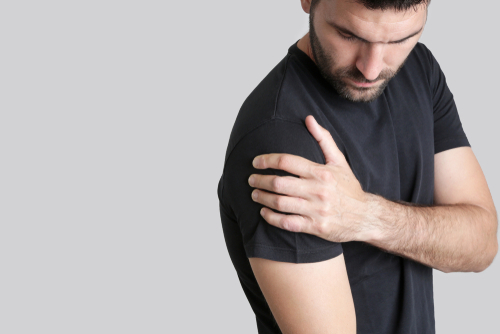
Are you also suffering from shoulder issues? How about getting an [**arthroscopic shoulder surgery in India** ](https://chennaiorthopaedics.com/shoulder-treatments/arthroscopic-surgery-for-shoulder-instability)from the best doctor. Shoulder injury should never be ignored. One of the [**best orthopaedic specialist in Chennai**](https://chennaiorthopaedics.com/) is **Dr. Bharani Kumar Dayanandam**. He along with his team uses the best infrastructure and technology to provide the best services to patients from all over the world. He is famous for the shoulder arthroscopy in India.
**Mail Us : info.chennaiortho.com@gmail.com**
**Book Your Appointment Here : [chennaiorthopaedics.com/book-appointment](http://chennaiorthopaedics.com/book-appointment)**
[Authored by Dr Bharani Kumar Dayanandam, MBBS, Orthopaedic Surgeon](https://chennaiorthopaedics.com/best-arthroscopic-surgeon)
### Share this:
- [ Share on X (Opens in new window) X](https://chennaiorthopaedics.com/blog/shoulder-arthroscopy-surgery/?share=twitter)
- [ Share on Facebook (Opens in new window) Facebook](https://chennaiorthopaedics.com/blog/shoulder-arthroscopy-surgery/?share=facebook)
-
**Categories:** Uncategorized
---
### [How Much Walking Is Good For Health?](https://chennaiorthopaedics.com/blog/walking-benefits-tips-prevent-injuries/)
**Published:** November 20, 2025
**Author:** suneethagdcs@gmail.com
**Content:**
**Walking** has incredible benefits on one’s health. Famous Greek Physician **Hippocrates** once said that **Walking is man’s best medicine**. As said by Hippocrates walking is really a great way to improve the overall health of a person. The sayings by Hippocrates centuries ago are still valid even when the world is being ruled over by the robust technological advancements.
Many people maintain good health because of a regular brisk walk. Just 30 minutes of walking every day is enough to maintain a good health. However, excess walking and physical exercising can also cause some difficulties such as chronic knee or joint pain. Excess walking may lead to [knee conditions](https://chennaiorthopaedics.com/knee-ailments/ "knee conditions") like tendinitis, bursitis or wear and tear of the knee. Some people overdo it and suffer from swelling too.If one has the following issues, then these are the signs that he/she should stop walking:
- Sudden swelling
- Severe knee pain that can’t handle
- Can’t stand stably
- Inflammation and soreness
## Things To Note Before You Start Walking
- Make sure you have good shoes. Wearing the wrong type of shoes or wrong walking actions can cause pain and injuries to soft tissue
- Walk at a comfortable intensity
- Increase the length and pace of walking gradually
- Take a rest between walks. Do stretching exercises that relax your muscles and bones
- Maintain a healthy weight
## Get Help If You Need
- If you feel soreness and swelling after a long walk, lie down with your legs raised. Take complete rest and avoid physical activities that put pressure on the knee for the next 48 hours. To reduce swelling and to alleviate knee pain, use ice packs. Keep ice packs on the knees for about 15 to 20 minutes, three times a day.
- If the pain persist compression therapy may help. Use an elastic bandage to wrap around the knees to get relieved from pain. Do not wrap it too tight and remove it before taking a shower and while sleeping.
- If swelling persists for many days and if you have intense knee pain or instability to stand, seek medical assistance immediately. Walking is an excellent exercise for people of all ages but follow these suggestions to make your walking experience convenient and painless.
**Authored by Dr. Bharani Kumar Dayanandam**
### Share this:
- [ Share on X (Opens in new window) X](https://chennaiorthopaedics.com/blog/walking-benefits-tips-prevent-injuries/?share=twitter)
- [ Share on Facebook (Opens in new window) Facebook](https://chennaiorthopaedics.com/blog/walking-benefits-tips-prevent-injuries/?share=facebook)
-
**Categories:** Uncategorized
---
### [Ankle pain treatment , Pain Is Over....](https://chennaiorthopaedics.com/blog/ankle-pain-treatment-and-cause/)
**Published:** November 20, 2025
**Author:** suneethagdcs@gmail.com
**Content:**
[Ankle ailments ](https://www.chennaiorthopaedics.com/ankle-pain-treatment)are the conditions or problems that ankle can face due to any kind of inflammation, swelling or injuries. An ankle is a common site for all these problems because of fluid retention. An ankle is a prone area to get injured due to the gravity’s effect on the fluids present in the body. A swollen ankle can look bigger than the normal body part. The problem in the ankle can give people difficulty in walking. The skin feels rigid and tight on that portion and it is a painful situation. Ankle aliments can appear at any age but it is quite common in older age.

## [What conditions cause ankle ailments?](http://chennaiorthopaedics.com/ankle-pain-treatment/stiff-and-swollen-ankle)
### Ankle Pain can cause due to many conditions such as
- Overweight
- Arthritis
- Pregnancy
- Blood clotting
- Leg infection
- Venous insufficiency
- Any previous surgery
- Heart, liver or kidney failure
- Lymphedema
## [What are the symptoms of ankle ailments?](http://chennaiorthopaedics.com/ankle-pain-treatment/pain-and-swelling-in-ankle)
### The symptoms of ankle ailments include
- Swelling
- Deformity
- Inability to bend
- Unable to walk or non-comfortable in walking
- Any other type of pain
## [What are the treatments for ankle ailments?](http://chennaiorthopaedics.com/ankle-pain-treatment/locking-or-buckling-of-ankle)
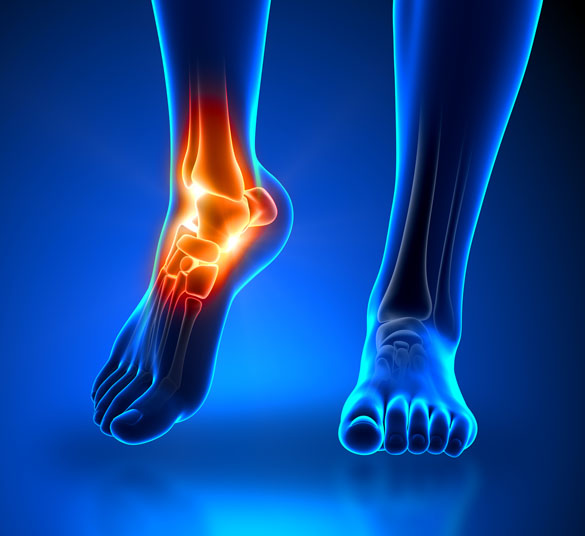
Treatment for ankle aliments includes
- Simple home treatment,
- Medications (painkillers),
- Physical Therapy (Physiotherapy),
- Pain relieving ointments,
- Surgery
Surgery is recommended in rare cases. Mostly, ankle aliments can recover with the self-care and home treatments but if it is not recovered that it may be a sign of a medical problem and consult with is a doctor is a must. Any kind of pain which does not disappear or responds well within few days should be checked by the doctor. The **[doctor of Chennai Orthopaedics](http://chennaiorthopaedics.com/best-arthroscopic-surgeon)** in Shreeya clinic, Chennai will physical examines the patients to recognize their condition and determine best suitable treatment for their ankles aliments.
## [When is doctor visit recommended?](http://chennaiorthopaedics.com/ankle-pain-treatment/ankle-pain-following-overuse-or-extended-inactivity/)
A doctor visit is recommended, if the problem is severe and doesn’t improve with rest, causes weakness, numbness or tingling in one or both ankles, spreads down one or both ankles, especially if the pain extends and is accompanied by unexplained weight loss.
**[Chennai Orthopaedics in Shreeya clinic](http://chennaiorthopaedics.com/best-arthroscopic-surgeon/)**, Chennai has best facilities to examine the root cause of the [ankle problem](http://chennaiorthopaedics.com/ankle-pain-treatment/ankle-deformity-treatment) in the people. The doctors of the clinic are highly qualified and experienced.

Mail us: <bharaniorth@gmail.com>
[Authored By Dr Bharani Kumar Dayanandam,MBBS,Orthopedic Surgeon](https://www.chennaiorthopaedics.com/best-arthroscopic-surgeon)
### Share this:
- [ Share on X (Opens in new window) X](https://chennaiorthopaedics.com/blog/ankle-pain-treatment-and-cause/?share=twitter)
- [ Share on Facebook (Opens in new window) Facebook](https://chennaiorthopaedics.com/blog/ankle-pain-treatment-and-cause/?share=facebook)
-
**Categories:** Uncategorized
---
### [Do Bony Enlargements In Your Knee Irritate You?](https://chennaiorthopaedics.com/blog/bony-enlargements-knee-treatment/)
**Published:** November 20, 2025
**Author:** suneethagdcs@gmail.com
**Content:**
Every human being wants a very flexible body that does not refrain him from engaging in any of the physical activities. Unfortunately, wear and tear of bones, muscles, tendons, ligaments, joints etc do not let him have a hassle free life and life slowly becomes a mess. A bony enlargement in knee is also one among those issues that make people apprehensive about their future. But, as there are hospitals such as Chennai Orthopaedic Center, under the guidance of Dr. Bharani Kumar Dayanandam (an eminent **[Orthopaedic Specialist in Chennai](https://www.chennaiorthopaedics.com/)**), **improving knee flexibility** is not an issue. The center is famous for **[knee pain treatment in Chennai](https://www.chennaiorthopaedics.com/knee-pain-treatments)**.

## **Bony Enlargements- An Overview**
Bony enlargements (bone spurs) are caused by osteoarthritis, rheumatoid arthritis, gout etc and even injury to the joints. It is also a symptom that might lead to other major orthopaedic disorders.
## **Osteoarthritis**
The cartilages that are seen in the joints of the hands, hips, knees and spine wear down and bones sprout out from them. A few of the symptoms include stiffness, changes in the movement and structure of the joints. Obese males above the age of 55 and are into occupations such as carpentry, dock work, shipyard work etc are more prone to Osteoarthritis. Certain bony protuberances occur as a result of Osteoarthritis and are, of course, seen under the skin near the joints too. In course of time, it enlarges too. Our hospital is famous for its **[knee osteoarthritis treatment in Chennai](https://www.chennaiorthopaedics.com/knee-pain-treatments/bony-enlargements-in-knees)**.
## **Rheumatoid Arthritis**
It causes joint pain on both sides of the body. That is, if there is pain in an arm joint, the arm joint would also be affected over time. It is through this difference, doctors diagnose Rheumatoid Arthritis. The symptoms are very much equal to Osteoarthritis. The swollen joints lead to bone erosion as well.

## **Gout**
This is a kind of arthritis where inflammation happens abruptly in one joint due to the deposition of crystals of uric acid in a joint. And, slowly bony enlargements let the person down.
Medications are taken for the recovery. In some cases, surgeries such as Osteotomy, Arthroscopic Surgery and [Arthroplasty](https://www.chennaiorthopaedics.com/knee-treatments/arthroscopic-knee-surgery-for-acl-pcl) are also done.
Safe and reliable treatments are what that make Chennai Orthopaedic Center differ from other hospitals. World class healthcare with many scientifically advanced technologies are also in line here. They provide the best treatment for knee joint disorders in Tamilnadu, India. So, are you willing to walk into Chennai Orthopaedic Center for easy functionality and movement of knee joint to **[improve knee flexibility](https://www.chennaiorthopaedics.com/knee-pain-treatments/bony-enlargements-in-knees)**?
**Mail Us :** info.chennaiortho.com@gmail.com
**Book Your Appointment Here :** [chennaiorthopaedics.com/book-appointment](https://www.chennaiorthopaedics.com/book-appointment)
[Authored By Dr Bharani Kumar Dayanandam,MBBS,Orthopedic Surgeon](https://www.chennaiorthopaedics.com/best-arthroscopic-surgeon)
### Share this:
- [ Share on X (Opens in new window) X](https://chennaiorthopaedics.com/blog/bony-enlargements-knee-treatment/?share=twitter)
- [ Share on Facebook (Opens in new window) Facebook](https://chennaiorthopaedics.com/blog/bony-enlargements-knee-treatment/?share=facebook)
-
**Categories:** Uncategorized
---
### [Do You Have Joint Pain??? Get The Right Solution !!!](https://chennaiorthopaedics.com/blog/joint-pain-treatment/)
**Published:** November 20, 2025
**Author:** suneethagdcs@gmail.com
**Content:**
A Joint Pain can be because of a mere swelling or because of something as distressing as arthritis. Joint Pain causes immense discomfort, which is also a sign for injurious ailments. Joint pain generally heals with time, but persistent joint pain needs to be treated with experienced orthopaedic doctors.
## **[Best Joint Pain Treatment ](http://chennaiorthopaedics.com/joint-pain)**
Dr. Bharani Kumar, [orthopaedic specialist Chennai](http://chennaiorthopaedics.com/best-arthroscopic-surgeon) provides effective Joint pain treatment at well-advanced technologies.
## **Main causes of Joint Pain are**
• By injury or disease affecting any of the ligaments, cartilage or joints within or surrounding the joint
• Due to joint inflammation or arthritis and infection
• By tumors of the joint
• Gout
• Osteoporosis
## [Common symptoms of Joint pain](https://www.chennaiorthopaedics.com/joint-pain)
- Persistent pain irrespective of movement
- Stiffness
- Swelling
- Restricted mobility due to pain
- Warmth in the joint
## **Joint Pain Treatment**
Treatment procedures depend on the intensity of the issue, cause of pain and age of the patient. [Joint pain treatment](https://www.chennaiorthopaedics.com/joint-pain) includes diagnosing the symptoms and treating them. Initial treatment includes medication for pain relief and discomfort. Corticosteroid injections are administered as well in case of severe pain and swelling. Other treatment options include physiotherapy and Compression Bandages. The ultimate treatment option is surgery.
## **How can Joint Pain be prevented**
Whether or not joint pain is preventable depends on whether it is caused by injury or disease. Injuries to joints can often be prevented by proper sports gear and training. Diseases are unexpectable, but medical treatment programs can help prevent recurrent joint pains to an extent.
Mail us @ info.chennaiortho.com@gmail.com
[Authored by Dr Bharani Kumar Dayanandam, MBBS, Orthopaedic Surgeon](https://www.chennaiorthopaedics.com/best-arthroscopic-surgeon)
### Share this:
- [ Share on X (Opens in new window) X](https://chennaiorthopaedics.com/blog/joint-pain-treatment/?share=twitter)
- [ Share on Facebook (Opens in new window) Facebook](https://chennaiorthopaedics.com/blog/joint-pain-treatment/?share=facebook)
-
**Categories:** Uncategorized
---
### [The Role of Nutrition in Bone & Joint Health: Tips from an Orthopedic Specialist/ The Role of Nutrition in Supporting Joint & Bone Health](https://chennaiorthopaedics.com/blog/joint-health-tips/)
**Published:** November 20, 2025
**Author:** suneethagdcs@gmail.com
**Content:**
Nutrition is essential for maintaining bone and joint health in terms of overall mobility, strength, and lifespan. Orthopedic doctors underline the need of understanding the connection between nutrition and musculoskeletal health in order to prevent diseases such as osteoporosis, osteoarthritis, and fractures. This comprehensive blog explores the important dietary elements that impact bone and joint health, with the assistance of medical knowledge, and offers helpful suggestions.

## Importance of Calcium and Vitamin D
One of the basic minerals needed to create and maintain strong bones is calcium. It increases bone density, reducing the risk of osteoporosis and fractures. In order to promote bone mineralization, vitamin D helps in calcium absorption. Weak bones and an elevated risk of fracture can result from a deficiency in certain nutrients.
## Protein for Muscle Support
Proteins are essential for maintaining joint health as well as for the growth and repair of muscles. Connective tissue is rich in collagen, a protein that gives joints structural support and assists in preventing diseases like osteoarthritis. Consuming enough protein in the diet promotes healthy musculoskeletal function overall.
## Omega-3 Fatty Acids and Inflammation
Omega-3 fatty acids have anti-inflammatory qualities that help reduce stiffness and pain in the joints brought on by diseases like rheumatoid arthritis. Omega-3 fatty fish, flaxseeds, and walnuts are good sources of omega-3 fatty acids that can help lower inflammation and improve joint comfort.
## Micronutrients and Bone Health
Micronutrients such as magnesium, phosphorus, and vitamin K are essential for bone metabolism and mineralization in addition to calcium and vitamin D. A balanced diet that provides enough of these nutrients promotes bone strength and density, which lowers the risk of fractures.
## Hydration and Joint Lubrication
Maintaining joint lubrication and padding, which promotes easy mobility and reduces discomfort, requires proper hydration. In order to maximize the longevity and function of the joints, water also helps with waste removal and nutrient transport.
Making nutrition a top priority is essential for keeping strong bones and healthy joints. A diet that is well-rounded and high in calcium, vitamin D, protein, magnesium, phosphorus, and vitamin K is highly recommended by [Dr. Bharani Kumar Dayanandam](https://chennaiorthopaedics.com/best-arthroscopic-surgeon/ "Dr. Bharani Kumar Dayanandam"). To achieve ideal bone and joint health, one should also maintain a healthy weight and abstain from inflammatory foods.
People can maintain their bone and joint health and lower their risk of osteoporosis, fractures, and other orthopedic disorders by following these dietary recommendations. Remember, the cornerstones of a healthy, active lifestyle are a balanced diet, frequent exercise, and appropriate medical treatment.
Dr. Bharani Kumar Dayanandam is a senior consultant orthopedic and trauma surgeon at Apollo Hospitals. He treats patients with a range of disorders pertaining to the bones and joints. With a wealth of knowledge regarding the role that nutrition plays in bone health and years of expertise performing orthopedic surgery Dr. Bharani Kumar Dayanandam is committed to assisting patients in achieving the best possible musculoskeletal wellbeing. Because of his knowledge and dedication, he is a reliable source for anyone looking for advice on how to keep strong bones and healthy joints.
**Authored by Dr. Bharani Kumar Dayanandam**
### Share this:
- [ Share on X (Opens in new window) X](https://chennaiorthopaedics.com/blog/joint-health-tips/?share=twitter)
- [ Share on Facebook (Opens in new window) Facebook](https://chennaiorthopaedics.com/blog/joint-health-tips/?share=facebook)
-
**Categories:** Uncategorized
---
### [Key Information on Arthroscopic shoulder surgery](https://chennaiorthopaedics.com/blog/arthroscopic-shoulder-surgery/)
**Published:** November 20, 2025
**Author:** suneethagdcs@gmail.com
**Content:**
Arthroscopy shoulder surgery is a standard procedure for treating a variety of shoulder conditions. Many benefits of this minimally invasive surgical approach over open surgery include quicker recovery times, less pain after surgery, and smaller scars. When patients and healthcare professionals are informed on the key details surrounding arthroscopic shoulder surgery, they can make well-informed decisions about their course of treatment. This article discusses the principles of arthroscopic shoulder surgery, prevalent diseases treated, the actual procedure, benefits, dangers, and the recovery time.

## What is Arthroscopic Shoulder Surgery?
During [arthroscopic shoulder surgery](https://chennaiorthopaedics.com/shoulder-pain-treatment/ "arthroscopic shoulder surgery"), a tiny camera known as an arthroscope is inserted through a tiny incision into the shoulder joint. The surgeon can see a detailed view of the inside of the joint thanks to the arthroscope’s ability to transmit images to a monitor. To restore the shoulder, more tiny incisions are made for the surgical equipment. Numerous shoulder issues can be identified and treated with this technique.
## Common Conditions Treated with Arthroscopic Shoulder Surgery
**Rotator Cuff Tears:** Ankle sprains and strains in the rotator cuff, a collection of tendons and muscles that maintain the shoulder, are frequently caused by tears. The surgery can relieve pain and mend broken tendons.
**Shoulder Impingement Syndrome:** This happens when shoulder movements compress the rotator cuff tendons, resulting in discomfort and irritation. Inflamed tissue and bone spurs can be removed during arthroscopic surgery to ease discomfort.
**Labral Tears:** The labrum is a cartilage ring that encircles the shoulder socket. Trauma or prolonged motion can cause tears. The labrum can be repaired, or the injured section removed via arthroscopy.
**Shoulder Instability:** By strengthening the ligaments and replacing any damaged components, an arthroscopic treatment for recurrent shoulder dislocations can stabilize the joint.
**Frozen Shoulder (Adhesive Capsulitis):** When conservative measures have failed, arthroscopic surgery can increase range of motion by releasing the tight capsule that surrounds the shoulder joint.
## The Arthroscopic Shoulder Surgery Procedure
**Preparation:** Depending on how much of the surgery is done, the patient is either put under general or regional anesthetic. Sterile conditions are used to clean and prepare the shoulder.
**Incisions:** Around the shoulder joint, tiny incisions called portals are created. The majority of these wounds are smaller than half an inch.
**Insertion of Arthroscope:** The arthroscope is inserted through one of the incisions, providing the surgeon with a clear view of the inside of the shoulder joint.
**Surgical Repair:** Surgical instruments are inserted through the other incisions to perform the necessary repairs, such as trimming damaged tissue, reattaching torn tendons, or removing bone spurs.
**Closure:** Once the surgery is complete, the instruments and arthroscope are removed, and the incisions are closed with sutures or surgical tape. A sterile dressing is applied to the shoulder.
## Benefits of Arthroscopic Shoulder Surgery
**Minimally Invasive:** Smaller incisions lead to less tissue damage, reduced pain, and quicker recovery times compared to open surgery.
**Reduced Risk of Infection:** The smaller incisions lower the risk of infection and postoperative complications.
**Faster Recovery:** Patients generally experience shorter hospital stays and quicker return to daily activities and sports.
**Improved Precision:** The arthroscope provides a magnified view of the shoulder joint, allowing for more precise diagnosis and treatment.
## Recovery Process
**Immediate Postoperative Care:** After surgery, the patient’s shoulder is typically placed in a sling to immobilize it and allow for healing. Pain management is achieved through medications.
**Physical Therapy:** Physical therapy usually begins shortly after surgery to restore range of motion and strength. The intensity and duration of therapy depend on the specific procedure performed.
**Gradual Return to Activities:** Patients can gradually return to normal activities as they heal. Full recovery can take several weeks to months, depending on the extent of the surgery and the individual’s health.
## Conclusion
Many shoulder disorders can be recognized and treated with minimally invasive arthroscopic shoulder surgery. Compared to open surgery, it offers a quicker recovery time, causes less discomfort, and has a lower chance of complications.
One of the top arthroscopic and joint replacement surgeons in the field is [Dr. Bharani Kumar Dayanandam.](https://chennaiorthopaedics.com/best-orthopaedic-doctor-in-chennai-dr-bharani-kumar-dayanandam/ "Dr. Bharani Kumar Dayanandam.")
Currently working in Apollo Hospitals in Ayanambakkam, Chennai, as a Consultant Trauma & Orthopaedic Surgeon (Knee and Shoulder Specialist), Dr. Bharani Kumar Dayanandam is well-known for his skill in treating complicated shoulder issues with cutting-edge arthroscopic methods. His dedication to cutting-edge surgical techniques and patient care emphasizes the noteworthy developments in arthroscopic shoulder surgery, offering patients practical answers and enhanced quality of life.
**Authored by Dr. Bharani Kumar Dayanandam**
### Share this:
- [ Share on X (Opens in new window) X](https://chennaiorthopaedics.com/blog/arthroscopic-shoulder-surgery/?share=twitter)
- [ Share on Facebook (Opens in new window) Facebook](https://chennaiorthopaedics.com/blog/arthroscopic-shoulder-surgery/?share=facebook)
-
**Categories:** Uncategorized
---
### [What Sport Injuries Require Surgery?](https://chennaiorthopaedics.com/blog/what-sport-injuries-require-surgery/)
**Published:** November 20, 2025
**Author:** suneethagdcs@gmail.com
**Content:**
Sports injuries can vary greatly in severity, from minor sprains and strains to severe injuries that require surgical intervention. While many sports injuries can be managed with rest, physical therapy, and other non-surgical treatments, certain injuries are serious enough to necessitate surgery for proper healing and recovery. Below are some common sports injuries that often require surgical treatment, broken down into understandable subtopics.
## 1. Torn Ligaments Anterior Cruciate Ligament (ACL) Tears
One of the important ligaments that help in stabilizing the knee joint is the ACL. Sports like football, basketball, and soccer that require quick stops and direction changes are prone to ACL rupture. A popping sound at the scene, excruciating pain, swelling, and instability in the knee are among the symptoms. During surgery, which is often done arthroscopically, a graft is used to repair the damaged ligament.
### **Rotator Cuff Tears**
The collection of tendons and muscles that stabilize the shoulder is called the rotator cuff. Sports like baseball, tennis, and swimming can cause repeated overhead motions that can cause tears in these tendons. Shoulder soreness, weakness, and restricted range of motion are among the symptoms. One surgical method to repair the damaged tendon and restore it to the bone is arthroscopic surgery.
## 2. Fractures Compound Fractures
A compound fracture, also known as an open fracture, occurs when the bone breaks and pierces through the skin. This type of fracture is common in high-impact sports like football and skiing. Immediate surgical intervention is needed to clean the wound, realign the bones, and stabilize the fracture with plates, screws, or rods.
### Stress Fractures
Stress fractures are small cracks in the bone that often occur in weight-bearing bones like the tibia (shinbone) and metatarsals (foot bones). These fractures are common in runners and athletes involved in high-impact sports. While many stress fractures heal with rest and physical therapy, severe cases may require surgery to insert supportive hardware to facilitate healing.
## 3. Dislocations Shoulder Dislocations
A shoulder dislocation occurs when the upper arm bone pops out of the shoulder socket, which can happen in contact sports such as football, rugby, and hockey. Chronic shoulder instability or repeated dislocations may necessitate surgical intervention to tighten the ligaments and restore shoulder stability.
### Knee Dislocations
Knee dislocations are severe injuries where the bones of the knee are forced out of alignment, often damaging ligaments, blood vessels, and nerves. This injury is common in high-energy sports like skiing and football. Surgery is required to repair the ligaments, realign the knee, and address any associated vascular or nerve damage.
## Conclusion
While many sports injuries can be managed with non-surgical treatments, certain injuries necessitate surgical intervention to restore full function and allow athletes to return to their activities. ACL tears, meniscus tears, rotator cuff tears, Achilles tendon ruptures, shoulder dislocations, and severe fractures are among the most common sports injuries requiring surgery.
[Dr. Bharani Kumar Dayanandam ](https://chennaiorthopaedics.com/best-arthroscopic-surgeon/ "Dr. Bharani Kumar Dayanandam ")a highly experienced and esteemed Orthopaedic Surgeon and Trauma Consultant, specializes in treating knee and shoulder injuries. Currently serving as the Consultant Trauma & Orthopaedic Surgeon at Apollo Hospitals in Ayanambakkam, Chennai, Dr. Bharani Kumar Dayanandam is renowned for his expertise in managing complex sports injuries and providing comprehensive care to help athletes recover and regain their peak performance levels.
**Authored by Dr. Bharani Kumar Dayanandam**
### Share this:
- [ Share on X (Opens in new window) X](https://chennaiorthopaedics.com/blog/what-sport-injuries-require-surgery/?share=twitter)
- [ Share on Facebook (Opens in new window) Facebook](https://chennaiorthopaedics.com/blog/what-sport-injuries-require-surgery/?share=facebook)
-
**Categories:** Uncategorized
---
### [Managing osteoporosis during Covid-19](https://chennaiorthopaedics.com/blog/managing-osteoporosis-during-covid-19/)
**Published:** November 20, 2025
**Author:** suneethagdcs@gmail.com
**Content:**
On March 11, 2020, the World Health Organisation officially declared Covid-19 outbreak as a pandemic, and the whole world, quite literally, went into a lockdown. And turned everybody’s life upside down, but, the most affected were those with existing medical conditions like Osteoporosis.

This is a condition when the bone becomes weak and brittle. The body is constantly absorbing and replacing the bone. With osteoporosis, the replacement does not keep up with absorption.
Taking into account the needs of hygiene and social distancing, the following are some recommendations by experts in the field to manage osteoporosis.
1. Those taking medication should continue to do without fail. There is no evidence to show any relationship between these 2 diseases. However, caution is advised with estrogen and raloxifene therapies.
2. Patients with high fracture risk rates should not delay oral biosphopate therapy.
3. Bone mineral density examinations may be delayed, if necessary, but not put off.
4. When the patient’s lab results for IV bisphosphonates for the previous year are normal, the tests for the current year may be skipped. However, those with kidney issues and/or low blood calcium levels MUST NOT SKIP the tests.
5. Those taking medication via injections need to seek alternate ways to hospital/clinic visits, like home delivery and administration by healthcare professionals; use off site clinics or as a last resort self application.
6. For those unable to receive IV biphosphate treatments, it can be delayed

Given the rapidly changing situation and the resulting lack of information, these recommendations should be considered general guidance only.
Always consult with your physician before taking any action.
***Blog Reviewed By: [Dr. Bharani Kumar Dayanandam](https://www.chennaiorthopaedics.com/best-arthroscopic-surgeon)***
***Mail Us : info.chennaiortho.com@gmail.com***
***Book Your Appointment Here : [chennaiorthopaedics.com/book-appointment](https://www.chennaiorthopaedics.com/book-appointment)***
[Authored By Dr Bharani Kumar Dayanandam,MBBS,Orthopedic Surgeon](https://www.chennaiorthopaedics.com/best-arthroscopic-surgeon)
### Share this:
- [ Share on X (Opens in new window) X](https://chennaiorthopaedics.com/blog/managing-osteoporosis-during-covid-19/?share=twitter)
- [ Share on Facebook (Opens in new window) Facebook](https://chennaiorthopaedics.com/blog/managing-osteoporosis-during-covid-19/?share=facebook)
-
**Categories:** Uncategorized
---
### [What are the different types of sports injuries and their typical treatments?](https://chennaiorthopaedics.com/blog/types-of-sports-injuries-and-treatments/)
**Published:** November 20, 2025
**Author:** suneethagdcs@gmail.com
**Content:**
Sports are an excellent way to promote teamwork, keep in shape, and have fun, but there’s always a possibility of getting harmed. Getting hurt is a constant risk for everyone who does sports like basketball, soccer, running, or even gymnastics. Sports injuries can happen to anyone, regardless of experience or degree of fitness. From less serious injuries like a sprained ankle to more significant ones like a broken bone or torn ligament, they range in severity. If you want to recover and safely get back to your favorite activities, it’s important to understand the many types of sports injuries and know how to treat them. This guide will look at common sports injuries, their causes, and the accepted treatments to keep you informed and prepared.

## Sprains and Strains
A sprain is caused by overstretching or tearing of the ligaments, which are the tissues that link the bones. Overworking or rupturing muscles or tendons is what causes strains.
**Treatment:** First, the R.I.C.E. technique (Rest, Ice, Compression, Elevation) is frequently applied. Use ice to minimize swelling, elevate the wounded area above the heart, rest the area, and use a compression bandage. Painkillers available over-the-counter may also be beneficial. The restoration of strength and flexibility may require physical therapy.
## Fractures
Breaks in the bone caused by falls, collisions, or violent impacts are known as fractures.
**Treatment:** The course of action is determined by how severe the fracture is. Simple fractures can be immobilized with a cast or splint to promote spontaneous bone healing. Surgical intervention may be necessary for more serious fractures in order to realign the bone and fix it with plates, screws, or pins.
## Dislocations
Dislocations, which are frequently observed in the fingers, knees, and shoulders, happen when bones are displaced from their natural position at a joint.
**Treatment:** The bone should be realigned by a medical expert to its original location. In the early aftereffects, immobilization, ice, and pain management are essential. Exercises for rehabilitation are frequently required to regain full function and stop further dislocations.
## Tendinitis
Tendinitis, which typically affects the shoulders, elbows, wrists, knees, and heels, is the inflammation or irritation of a tendon.
**Treatment:** Usually, the first steps involve resting the injured area, administering ice, and taking anti-inflammatory drugs. By increasing flexibility and strengthening the nearby muscles, physical therapy can lessen the pressure on the tendon. Surgery or corticosteroid injections may be required in specific circumstances.
## Preventing Sports Injuries
Preventing sports injuries is crucial for anyone involved in physical activities. Here’s how you can prevent injuries in some popular sports:
How to Prevent Injuries in Soccer: Strengthen the muscles around the knees and ankles, practice proper techniques for kicking and landing, use well-fitted shoes with proper traction, and incorporate balance and agility exercises into your training.
**How to Prevent Injuries in Kabaddi:**
Warm up properly before games, focus on strengthening the core and lower body, practice proper tackling techniques, and use appropriate footwear to avoid slips and falls.
For everybody who leads an active lifestyle, it is important to know about sports injuries and treat them quickly. Recognizing the signs and getting the right care can greatly speed up recovery and minimize long-term damage from sprains, fractures, dislocations, and tendon injuries. Preventive techniques including stretching, appropriate warm-ups, and the use of the right equipment can help reduce the chance of injury. However, it’s critical to seek advice from qualified medical specialists with expertise in [orthopedics and sports medicine ](https://chennaiorthopaedics.com/best-arthroscopic-surgeon/ "orthopedics and sports medicine ")when injuries do arise.
Expert surgical intervention may be required for patients in need of advanced care, especially for complex injuries such as ligament rips or severe joint problems. As the top arthroscopic surgeon in Chennai, Dr. Bharani Kumar Dayanandam specializes in trauma, joint replacement, and arthroscopic surgery. He guarantees that sportsmen may resume their best performance by offering superior care and expert treatment.
**Authored by Dr. Bharani Kumar Dayanandam**
### Share this:
- [ Share on X (Opens in new window) X](https://chennaiorthopaedics.com/blog/types-of-sports-injuries-and-treatments/?share=twitter)
- [ Share on Facebook (Opens in new window) Facebook](https://chennaiorthopaedics.com/blog/types-of-sports-injuries-and-treatments/?share=facebook)
-
**Categories:** Uncategorized
---
### [Platelet Rich Plasma ( PRP) treatment](https://chennaiorthopaedics.com/blog/prp-treatment/)
**Published:** November 20, 2025
**Author:** suneethagdcs@gmail.com
**Content:**
Platelet Rich Plasma (PRP) is that part of the human blood, consisting of proteins to help cellular growth and that which helps in the formation of blood clots, helping in the body’s healing process.

Plasma is the liquid portion of the blood consisting mainly of water and acts as a channel for the blood cells, both red and white, and the platelets, to circulate through the body. Platelets are the actual blood cells that help in growth and clot formation.
[PRP treatment](https://orthoinfo.aaos.org/en/treatment/platelet-rich-plasma-prp/) is an alternative to surgery and also a healing process. It consists of injecting the person’s own blood back into the ailing part of the body to boost the healing process.
The process involves using a local anaesthetic to numb the area; use ultrasound to check and confirm the area to be treated and then the injection. But first, a small amount of the patient’s own blood is taken, then a centrifuge is used to concentrate the platelets. While the time taken depends on the targeted area, it usually is over in about 30 minutes. Once in the body, the platelets start releasing growth factors that activate the healing process.
These are most commonly used to treat/repair torn tendons, inflammation of tendons, muscle injuries and also arthritis and joint related injuries/diseases. However, these days, they are also used for cosmetic procedures like treating hair loss in both men and women.

Some of the key advantages include; drastically reduced usage of pain killing and anti-inflammatory medication and extremely limited side effects as the blood is the patient’s own blood and extremely unlikely to be rejected by the body.
These are usually done in a single visit to the doctor and the patient can resume normal life immediately. There is no scar tissue, very little or no pain and fast recovery.
***Blog Reviewed By: [Dr. Bharani Kumar Dayanandam](https://www.chennaiorthopaedics.com/best-arthroscopic-surgeon)***
***Mail Us : info.chennaiortho.com@gmail.com***
***Book Your Appointment Here : [chennaiorthopaedics.com/book-appointment](https://www.chennaiorthopaedics.com/book-appointment)***
[Authored By Dr Bharani Kumar Dayanandam,MBBS,Orthopedic Surgeon](https://www.chennaiorthopaedics.com/best-arthroscopic-surgeon)
### Share this:
- [ Share on X (Opens in new window) X](https://chennaiorthopaedics.com/blog/prp-treatment/?share=twitter)
- [ Share on Facebook (Opens in new window) Facebook](https://chennaiorthopaedics.com/blog/prp-treatment/?share=facebook)
-
**Categories:** Uncategorized
---
### [Top 5 Myths About Knee Replacement Surgery](https://chennaiorthopaedics.com/blog/top-5-knee-surgery-myths/)
**Published:** November 20, 2025
**Author:** suneethagdcs@gmail.com
**Content:**
For people with significant knee discomfort and limited mobility, frequently as a result of arthritis or accident, knee replacement surgery is a popular and successful technique. But even with its success, a lot of individuals continue to have false beliefs about the procedure. These misconceptions may cause unwarranted anxiety or postpone getting help. Let us clarify the five most common myths about knee replacement surgery.

## **Myth 1: Knee Replacement Surgery Is Only for the Elderly**
A widely held misconception is that knee replacement surgery is exclusively appropriate for elderly patients. Age is not the main consideration, despite the fact that many patients are in their 60s or 70s. Age is not the only factor considered when deciding whether to have knee replacement surgery; other factors include the degree of discomfort, mobility limitations, and impact these problems have on day-to-day functioning.
Even individuals in their 40s or 50s who are younger may require knee replacement surgery if their knee issues significantly impair their capacity to work, exercise, or carry out daily duties. Younger patients can now benefit from this procedure and resume an active lifestyle because of developments in implant technology and surgical techniques.
## **Myth 2: Recovery Takes Too Long and Is Extremely Painful**
Another widespread misperception is that knee replacement surgery recovery is extremely painful and takes a very long time. Although it takes time and work to recover, it’s not as difficult as many people believe. With the advancement of pain management strategies, the majority of patients now have bearable pain that eventually goes away.
Regaining strength and mobility with the help of physical therapy is a vital component of the healing process. Most patients discover that, despite the occasional difficulties, they can resume their regular activities in a matter of months. Though the first few weeks are the most taxing, recovery can be a happy and fulfilling experience if the right support, care, and rehabilitation plan are followed.
## **Myth 3: The Results of Knee Replacement Surgery Don’t Last**
Some people think that having a knee replacement will only provide short-term relief and that the new joint will break down rapidly. This misconception could discourage people from seeking surgery if they think they’ll require another procedure soon after. On the other hand, contemporary knee replacements are made to endure a very long time—typically 15 to 20 years or longer.
The longevity of knee implants has significantly increased thanks to developments in surgical methods and materials. Even though no artificial joint lasts forever, most patients experience years of pain-free mobility following surgery. A second operation may be required later in life in certain circumstances, particularly with younger people, but this is becoming less often as technology advances.
## **Myth 4: You Won’t Be Able to Do the Activities You Enjoy**
Many people are concerned that following knee replacement surgery, they won’t be able to resume their favorite pastimes, like walking, gardening, or even sports. Actually, the purpose of knee replacement surgery is to allow patients to resume their favorite activities by relieving pain and restoring mobility.
While it may not be advisable to participate in high-impact sports like basketball or running, many people can enjoy other activities including swimming, cycling, hiking, and even light running. The important thing is to do as your doctor directs and give your knee enough time to heal before engaging in greater-impact activities.
## **Myth 5: Knee Replacement Surgery Is Too Risky**
While there is always some risk associated with surgery, knee replacements are usually safe and have a high success rate. Problems are uncommon, and when they do arise, they are typically easily resolved. The most frequent concerns include blood clots, implant problems, and infection; however, these risks have been greatly minimized by improvements in surgical methods and after care.
It’s important to keep in mind that having severe knee pain and restricted movement comes with dangers such as a lower quality of life and possible problems from leading an inactive lifestyle. Numerous individuals find that the advantages of knee replacement surgery greatly exceed the dangers, resulting in more mobility, reduced pain, and an enhanced quality of life in general.
Myths about [knee replacement surgery ](https://chennaiorthopaedics.com/knee-treatments/primary-and-revision-total-knee-replacement/ "knee replacement surgery ")are widespread and can lead to inappropriate anxiety and misunderstandings. Patients can make more educated judgments regarding their health if they are aware of the procedure’s facts, which include its acceptability for a wide age range, the manageable recovery period, and the long-term advantages.
[Dr. Bharani Kumar Dayanandam](https://chennaiorthopaedics.com/best-arthroscopic-surgeon/ "Dr. Bharani Kumar Dayanandam"), a trauma, joint replacement, and arthroscopic surgeon, shows that knee replacement is a safe, effective, and life-improving procedure for those with severe knee issues in his capacity as the Consultant Trauma & Orthopaedic Surgeon (Knee and Shoulder Specialist) at Apollo Hospitals, Chennai. Once these myths are disproved, patients can approach knee replacement with greater optimism and self-assurance, knowing that they are taking a significant step toward an active, pain-free life.
**Authored by Dr. Bharani Kumar Dayanandam**
### Share this:
- [ Share on X (Opens in new window) X](https://chennaiorthopaedics.com/blog/top-5-knee-surgery-myths/?share=twitter)
- [ Share on Facebook (Opens in new window) Facebook](https://chennaiorthopaedics.com/blog/top-5-knee-surgery-myths/?share=facebook)
-
**Categories:** Uncategorized
---
### [Arthroscopic Knee Surgery: A Step-by-step Guide to the Procedure and Recovery](https://chennaiorthopaedics.com/blog/arthroscopic-knee-surgery/)
**Published:** November 20, 2025
**Author:** suneethagdcs@gmail.com
**Content:**
Imagine, one day you feel a sudden intense knee pain while walking, playing sports,motor-riding, or doing routine activities at home like climbing steps. Initially, you may ignore it or attend the area with the RICE method: Rest, Ice, Compression, and Elevation based on suggestion or recommendation from the doctor. If the pain persists, you will choose to see an Orthopaedic doctor. During your doctor consultation, you may be recommended an x-ray, MRI, and further medications and physical therapy as well. If the pain and symptoms continue even after despite rest, physical therapy, and medication, the doctor may suggest the ideal Arthroscopic [knee surgery](https://chennaiorthopaedics.com/knee-ailments/ "knee surgery") considering your age, physical wellness, and medical condition.

## **What is Arthroscopic Knee Surgery**
Arthroscopy is a minimally invasive surgical procedure, used to diagnose and treat various knee problems. It is performed by an Orthopedic surgeon, making a small cut on your knee and inserting a small and flexible tube-like device called an arthroscope with a camera and light at the end. The device is connected to a monitor which visualizes the inside of the knee. The surgeon diagnoses the problem and performs the repair by making tiny incisions which ensures a successful cure and fast recovery.
**Arthroscopic Knee Surgery is recommended for**
- Knee pain that doesn’t get better with rest and nonsurgical treatments.
- Knee injuries like ligament sprains or cartilage damage
- Patella problems like misalignment of the kneecap
- Knee sepsis
- Torn meniscus
- Removing inflamed synovial tissue
The choice between arthroscopic knee surgery and traditional surgery depends upon the complexity of the condition and the requirements of the patient. Hence, it is always best to consult with the right doctor before you decide.
## **Get your health better with the right doctor**
If you are struggling with musculoskeletal pain or injuries, it is the best time to seek expert advice. Dr. Bharani Kumar Dayanandam, the renowned Orthopaedic Surgeon and Trauma Consultant from Chennai, with over 20 years of experience, is an expert in providing patient-centered treatment plans. He holds an FRCS degree in Trauma and Orthopaedics from the Royal College of Surgeons, UK. He also attended specialized training in knee and shoulder arthroscopy and arthroplasty at the University of Llandough, UK.
Don’t delay your appointment with Dr. Bharani Kumar Dayanandam at Apollo Hospital, Chennai.
## **A comprehensive guide to the steps involved in Arthroscopic Knee Surgery**
### **Pre-operative preparation stage:**
1. The initial consultation with an orthopedic surgeon
2. Assessment of the medical history and general health of the patient
3. Pre-operative testsand examinations like blood tests, MRI,ECG, etc.
4. An appointment with anesthesiologist.
5. Medication instructions and dietary restrictions before surgery.
If you are healthy, you can go home after the procedure and post-operative care. No need for hospitalization.
## **The procedure stage**
- Unlike open surgery, arthroscopic knee surgery offers minimal invasive but effective surgical procedures.
- The short and time-saving diagnosis and suitable treatment under local anesthesia ensures fast recovery.
- The arthroscope and its high rate of visualizing accuracy helps to provide targeted treatments.
- The tiny incisions are noncomplicated and will be closed with small stitches. In contrast to open surgery, these stitches are small and less prone to infection.
- The knee will be perfectly wrapped to defend against sudden movement.
- It is normal to have tolerable pain and stiffness in the knee after the procedure. The medication and physiotherapy will help to manage the pain.
- The patient will be discharged if he or she is out of any complications within 1 or 2 hours after surgery.
## **Recovery stage**
Unliketraditional knee surgery, arthroscopic knee surgery offers low risks, complications, and faster recovery.
**For the first few weeks,**
- Medications are prescribed for pain management, blood clots, and infection.
- Follow-up appointments with the surgeon
- Right exercise and physiotherapy
- Bearing weight
- Driving,athletics and vigorous activities
**Long-term recovery,**
- Monitor the progress with the surgeon
- Back to normal activities
- Continuing exercises
- Lifestyle modification- avoid stressful activities if your doctor advises.
## **Benefits of Arthroscopic Knee Surgery**
- Less and manageable post-operative pain
- Smaller incisions
- Shorter operation time.
- Less open to infection
- Accurate diagnoses and treatments
- Less tissue damage
- Shorter recovery time
- Less scarring
- No hospitalization
- No bed rest
- Speedy return toa normal lifestyle
- The National Library of Medicine provides a database of 95% accuracy of clinical diagnosis in arthroscopy.
**Bokk an appointment today**Take your step towards your healthy walk with Dr. Bharani Kumar Dayanandan, the skilled Orthopedic surgeon in Chennai.He practices at Shreeya Clinic, Periyar Nagar and he provides his service at Apollo Hospital, Greams Road, Chennai. So, schedule your appointment with the skilled doctor and his expert team.
**Authored by Dr. Bharani Kumar Dayanandam**
### Share this:
- [ Share on X (Opens in new window) X](https://chennaiorthopaedics.com/blog/arthroscopic-knee-surgery/?share=twitter)
- [ Share on Facebook (Opens in new window) Facebook](https://chennaiorthopaedics.com/blog/arthroscopic-knee-surgery/?share=facebook)
-
**Categories:** Uncategorized
---
### [Arthroscopic Shoulder Surgery for rotator cuff tear and shoulder instability](https://chennaiorthopaedics.com/blog/arthroscopic-shoulder-surgery-rotator-cuff-tear-instability/)
**Published:** November 20, 2025
**Author:** suneethagdcs@gmail.com
**Content:**
The shoulder is prone to injuries due to its complex structure and wide range of motion. It is one of the most mobile joints in the body, but this flexibility comes with less stability, making it vulnerable. Key factors include rotator cuff weakness, repetitive overhead movements and instability from dislocations. In this blog I’ll talk about arthroscopic surgery for rotator cuff tear and shoulder instability but before I get into that, I’ll talk about what rotator cuff tear and shoulder instability is.

## **What is rotator cuff tear?**
The[ rotator cuff ](https://chennaiorthopaedics.com/shoulder-treatments/arthroscopic-surgery-for-rotator-cuff-tear/ " rotator cuff ")is a group of four muscles and tendons in the shoulder that help stabilize the shoulder joint and assist in shoulder movements. A tear in the rotator cuff can happen suddenly due to some particular type of motion or can happen overtime due to degeneration.Rotator cuff tearis common in older people and athletes.
## **What is shoulder instability?**
Shoulder instability refers to a condition where the muscles surrounding the shoulder joint are not functioning in harmony. This happens when the shoulder joint gets loose, often due to dislocation or repeated subluxation. This can lead to damage to the ligaments, labrum or cartilage that stabilize the shoulder.
## **What is Arthroscopic surgery?**
Arthroscopic surgery is a minimally invasive surgery used to treat various shoulder conditions including rotator cuff tear and shoulder instability. In this surgery, a surgeon uses an Arthroscope, which allows the surgeon to view and operate inside the joint through small incisions.Even though it is a minimally invasive surgery, it requires specialized training and high level of skill to perform this surgery as the working space is very limited. So, it is advised to consult an experienced orthopaedic to perform this surgery since it requires extreme precision.
Athletes, older adults, people suffering from recurrent shoulder dislocations, manual laborers, people with combined shoulder issues and the ones suffering from acute shoulder injuries are typically recommended for arthroscopic surgery when the non-surgical options fail to relieve symptoms.
## **Arthroscopic surgery for rotator cuff tear:**
This surgery is usually performed under general anaesthesia, sometimes combined with a nerve block to minimize postoperative pain. In this surgery, the surgeon uses a small camera called an arthroscope to view the shoulder joint. The surgeon makes a small incision through which they insert this arthroscope which displays the image on a monitor, allowing the surgeon to see the tear and repair it through other small specialized instruments. The surgeon will remove any damaged tissue, smooth out the torn tendon and even reattach it to the bone.Duration of this surgery is about 1 to 2 hours based on the severity of the tear.
Arthroscopic surgery is highly effective for rotator cuff tear, especially when done early after the injury.
## **Arthroscopic surgery for shoulder instability**:
This surgery is typically performed under anaesthesia or regional anaesthesia. In this surgery, the surgeon makes small incisions through which he/she will insert the arthroscope to view the shoulder joint. Through other small incisions, specialized instruments are used to tighten or repair the damaged ligaments, tendons or labrum. The surgery usually takes about 1 to 2 hours, depending upon the complexity of the instability.
Arthroscopic surgery is highly effective for shoulder instability as it helps the patient regain proper shoulder mechanics and prevent them from future shoulder dislocation.
## **Benefits of arthroscopic surgery:**
- Arthroscopic surgery involves making very small incisions typically less than a centimetre. This reduces tissue damage compared to open surgery, which requires much larger incisions.
- Due to smaller incisions and less trauma to the muscles and tissues, patients experience less pain and discomfort.
- Patients often have a quick recovery compared to open surgery as the tissue damage is less.
- The smaller incisions result in minimal scarring.
- These small incisions also reduce the risk of infections as there is less exposure of tissues to the potential contaminants.
- The minimally invasive technique results in less bleeding than open procedures.
- Because there is less tissue damage, the risk of complications such as stiffness, welling and blood clots is also minimized.
## **Conclusion:**
[Arthroscopic surgery](https://chennaiorthopaedics.com/blog/shoulder-arthroscopy-surgery/ "Arthroscopic surgery") has revolutionized the way we treat shoulder injuries and conditions. With its minimal invasive approach patients experience less scarring, quick recovery and less pain. If you are experiencing shoulder instability or rotator cuff tear, arthroscopic surgery could be a game-changer for you to return to your daily life activities. Even though it is a less invasive surgery, it requires a lot of precision to perform the surgery. So, it is highly recommended to consult an expert orthopaedic like Dr Bharani Kumar who has an experience of over 21 years in this field. With extensive experience in arthroscopic shoulder surgery, offering advance treatment for conditions like shoulder instability and rotator cuff tears. Dr Bharani Kumar combines expertise with patient-centered approach to provide effective, minimally invasive care, making him a trusted choice for top quality shoulder treatment.
**Authored by Dr. Bharani Kumar Dayanandam**
### Share this:
- [ Share on X (Opens in new window) X](https://chennaiorthopaedics.com/blog/arthroscopic-shoulder-surgery-rotator-cuff-tear-instability/?share=twitter)
- [ Share on Facebook (Opens in new window) Facebook](https://chennaiorthopaedics.com/blog/arthroscopic-shoulder-surgery-rotator-cuff-tear-instability/?share=facebook)
-
**Categories:** Uncategorized
---
### [Regenerative Orthopaedics](https://chennaiorthopaedics.com/blog/regenerative-orthopaedics/)
**Published:** November 20, 2025
**Author:** suneethagdcs@gmail.com
**Content:**
[Regenerative Orthopaedics](https://www.chennaiorthopaedics.com/knee-treatments/regenerative-orthopaedics) is a minimally invasive treatment technique which boosts the body’s ability to heal diseased or damaged cells after an injury, arthritis, or other degenerative condition, with little to no downtime. This paves an alternate way for the patients to improve their overall quality of life without the need of surgery. Regenerative Orthopaedics uses substances from your own body to rejuvenate, regenerate, and repair injured muscles, ligaments, and cartilage to treat orthopaedic conditions such as osteoarthritis, tendonitis, low back pain, [joint injuries](https://www.chennaiorthopaedics.com/joint-pain), ligament injuries, sprains and strains etc. This therapy uses:
- **Stem cells**: Obtained from the bone marrow or fat to promote new tissue growth for repair and healing.
- **Platelets**: Obtained from blood in the form of [Platelet-rich plasma](https://www.chennaiorthopaedics.com/blog/prp-treatment) (PRP) and is injected into the injured area to promote healing.
- **Growth factors**: These are proteins obtained from blood which aid in tissue repair and regeneration.
### **Thus, the advantages with Regenerative Orthopaedics ar**e:
- Helps to avoid or delay surgery
- Accelerate healing after surgery or injury
- Minimally invasive
- Safe and natural healing
- No side effects
- No long hospital stays
- Return to normal activities in 72 hour

After the procedure, it is common to have tenderness at the injection site with slight stiffness and swelling. Pain relief will be slow as it takes time for the regenerative cells to promote the growth and repair of the damaged cells. However, the end results are long lasting. It may take upto six months for you to experience the full benefits of the treatment.
***Blog Reviewed By: [Dr. Bharani Kumar Dayanandam](https://www.chennaiorthopaedics.com/best-arthroscopic-surgeon)***
***Mail Us : info.chennaiortho.com@gmail.com***
***Book Your Appointment Here : chennaiorthopaedics.com/book-appointment***
[Authored by Dr Bharani Kumar Dayanandam, MBBS, Orthopaedic Surgeon](https://www.chennaiorthopaedics.com/best-arthroscopic-surgeon)
### Share this:
- [ Share on X (Opens in new window) X](https://chennaiorthopaedics.com/blog/regenerative-orthopaedics/?share=twitter)
- [ Share on Facebook (Opens in new window) Facebook](https://chennaiorthopaedics.com/blog/regenerative-orthopaedics/?share=facebook)
-
**Categories:** Uncategorized
---
### [What are the Benefits of Knee Replacement Surgery?](https://chennaiorthopaedics.com/blog/knee-replacement-surgery-benefits/)
**Published:** November 20, 2025
**Author:** suneethagdcs@gmail.com
**Content:**
## **Knee Replacement Surgery**
Knees play a vital role in supporting body’s weight and initiating movement. As one of the largest joints in the body, it bears majority of the body’s weight. Strong and healthy knees help to distribute weight evenly across the lower body. The importance of knee health is not discussed much but it is critical for maintain the balance and stability of the body.Especially as you age, your knees tend to weaken leading to instability and a higher risk of falls. Healthy knees can contribute to an active lifestyle. When knee health is compromised, it can affect your ability to enjoy these activities and limit your independence.

## **What is Knee Replacement Surgery?**
[Knee replacement surgery](https://chennaiorthopaedics.com/knee-treatments/primary-and-revision-total-knee-replacement/ "Knee replacement surgery"), also known as knee arthroplasty, is a medical condition where a damaged or diseased knee joint is replaced with artificial implants. Knee replacement surgery is mainly classified into two types:
**Total Knee Replacement (TKR):** The entire knee joint is replaced with artificial components made out of metal and plastic.
**Partial Knee Replacement (PKR):** Only the damaged part of the knee is replaced, leaving the healthy parts intact.
Knee replacement surgery can be done using traditional methods or using more advanced techniques like a minimally invasive surgery or a robotic knee replacement which is a robotic-assisted surgery to perform it more precisely and to reduce the recovery time.
## **Relief From Pain:**
One of the primary reasons people opt for knee replacement surgery is to alleviate chronic pain whether caused by osteoarthritis, rheumatoid arthritis or trauma. This surgery can significantly reduce pain. Noticeable improvement is seen in the quality of life for patients after a knee replacement surgery.
These are some of the patient testimonials that captures the experience and improvements in the quality of life after knee replacement surgery:
- I feel like I have new lease on life Before my surgery, I struggle with constant knee pain and limited mobility. Now, I can walk, play with my grandkids and can even take long hikes without any pain.
- I finally got my life back
After years of suffering from chronic knee pain, the surgery has given me the freedom to enjoy activities I once had to avoid. I can now climb stairs, walk long distance, and can also participate in my favorite sports again.
## **Improved Mobility and Movement:**
Improvement in mobility is one of the key benefits of knee replacement surgery. According to research, 90% of the patients report a significant reduction in knee pain within the first 6 months after surgery, improving walking ability. Patients experience a 10 to 20 -degree improvement in knee flexion after total knee replacement surgery. It is also noted that around 80% of the patients are able to resume their daily life routine activities. After a knee replacement surgery, patients had regained independence and are participating in daily life activities which they were once a limitation. Advantages of knee surgery includes long term mobility benefits, enhancing the movement of the knee, enabling patients to move without any discomfort previously experienced.
## **High Success Rates and Longevity of the Implants:**
Knee replacement is known to have a high success rate.Advancements in surgical techniques like Minimally Invasive knee replacement or robotic knee replacement have increased the longevity of knee implants.These modern surgical methods and implants give the patients long term benefits up to 15 to 20 yrs.
## **Better Lifestyle and Independence:**
After knee replacement surgery, many patients experience a significant improvement in their lifestyle. The increased mobility and reduced pain after knee surgery allow them to engage in activities which was once out of reach. Whether it’s returning to hobbies which needed active movement, walking long distance, or participating in social events. Post-knee surgery, patients regain their independence and an active pain free life.
## **Psychological Benefits:**
People suffering from knee issues often experience significant mental and emotional challenges due to the lifestyle restrictions they go through. Thus, the psychological benefits of knee surgery should not be overlooked. With reduced pain and increased mobility, many patients experience improvements in their overall well-being after knee surgery. The ability to move freely without any pain increases their confidence, reducing the feeling of helplessness associated with chronic pain.
## **Consult a Knee Replacement Specialist:**
It is essential to consult a knee replacement specialist to get tailored advice based on your specific health needs and lifestyle. They can provide you with crucial insights into the surgery, recovery expectations, and long-term benefits, helping you make an informed decision. Choosing a specialist, you trust is vital for a successful outcome and a comfortable surgical experience, that’s why choosing Dr. Bharani Kumar Dayanandam is a smart choice as he’s a highly experienced orthopaedic surgeon and a trauma consultant who had been thriving in this field for over two decades. He had worked for different surgeons during his training period and had been exposed to various aspects of [orthopaedic surgery](https://chennaiorthopaedics.com/best-arthroscopic-surgeon/ "orthopaedic surgery") gaining him valuable experience in all aspects of knee surgery. Dr Bharani Kumar combines expertise with patient-centred approach to provide effective treatment, making him a trusted choice for top quality knee replacement surgeon.
**Authored by Dr. Bharani Kumar Dayanandam**
### Share this:
- [ Share on X (Opens in new window) X](https://chennaiorthopaedics.com/blog/knee-replacement-surgery-benefits/?share=twitter)
- [ Share on Facebook (Opens in new window) Facebook](https://chennaiorthopaedics.com/blog/knee-replacement-surgery-benefits/?share=facebook)
-
**Categories:** Uncategorized
---
### [How is Osteoarthritis Diagnosed and Treated](https://chennaiorthopaedics.com/blog/how-is-osteoarthritis-diagnosed-and-treated/)
**Published:** November 20, 2025
**Author:** suneethagdcs@gmail.com
**Content:**
Osteoarthritis (OA) is the most prevalent form of arthritis. It occurs when the protective cartilage cushioning the joints wears away, causing bones to rub against each other during movement. This leads to pain, stiffness, and reduced mobility.
In our joints, the ends of bones are covered with a protective layer called cartilage. This cartilage acts like a cushion and lubricant, helping bones move smoothly. However, this cartilage gradually wears away in osteoarthritis, leading to discomfort and stiffness in the affected joints.
Osteoarthritis can affect your
- Hands
- Knees
- Hips
- Neck
- Lower back
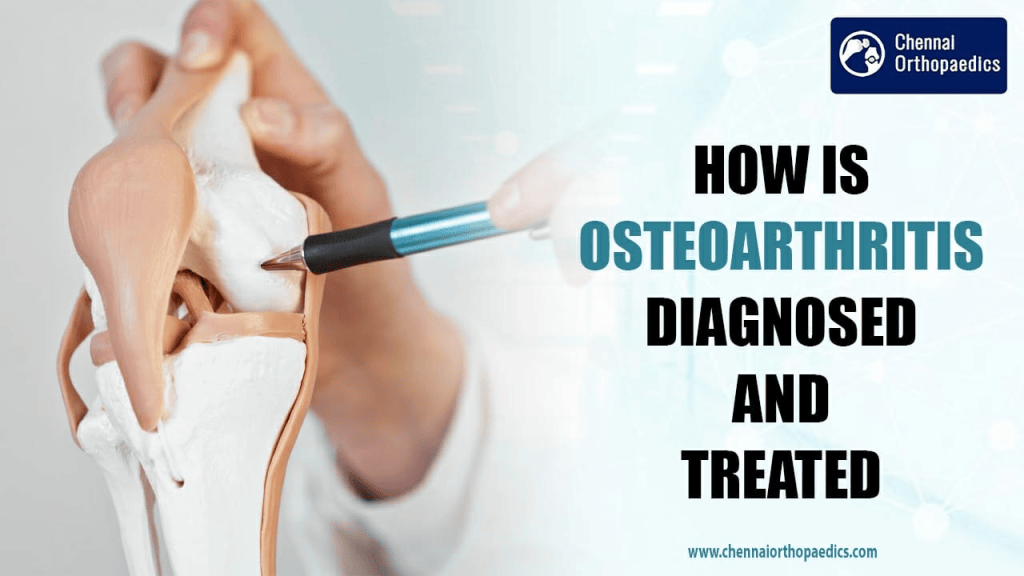
## The Causes of Osteoarthritis
It is not quite clear why the condition occurs, but primary osteoarthritis typically develops gradually as you grow older. With age, the natural wearing down of your joints can lead to the breakdown of cartilage.
Osteoarthritis can also arise as a result of:
- Car Accidents
- Sport injuries
- Falls
## **Osteoarthritis Symptoms**
The symptoms of Osteoarthritis usually build with time. These are:
- Joint pain or ache after prolonged activity, or at the end of the day.
- Limited motion that might improve with movement.
- Clicking or popping sound when a joint bends.
- Muscle weakness around the joint.
- Stiff joints, especially in the morning or after resting.
- Swelling around the joint Osteoarthritis can impact various body parts differently. Some instances are:
Pain in the groin or buttocks, sometimes inside the knee or thigh.
A scraping or grating sensation when you move your knee.
Bony growths called spurs on joint edges can make fingers swollen, tender, and red, with pain possibly at the base of the thumb.
Pain and tenderness in the big toe, with swelling possibly in the ankles or toes.
## ****Osteoarthritis** Diagnosis**
A thorough physical exam is crucial for diagnosis. Pain and limited motion are typical in all types of osteoarthritis, but each joint has its unique signs during examination.
An orthopaedic doctor would examine your joints and use imaging tests. They would enquire on the first sighting of the symptoms. A healthcare professional would also use X-rays to see your joints and may also order an MRI or CT scan. Blood tests might be necessary to rule out other conditions with similar symptoms.
There isn’t a blood test to diagnose osteoarthritis. Blood tests are done to rule out diseases that can cause secondary osteoarthritis and to differentiate from other arthritis conditions that might look like osteoarthritis.
Doctors often do arthrocentesis in their office. They use a sterile needle to take out joint fluid for analysis. This helps rule out conditions like gout or infection. Removing fluid and injecting corticosteroids into the joints during this procedure can ease pain, swelling, and inflammation.
Arthroscopy is a surgery where a doctor puts a small camera into your joint. This helps find and sometimes fix problems with the cartilage and ligaments.
## **[Osteoarthritis Treatment](https://chennaiorthopaedics.com/cartilage-regeneration-treatments/ "Osteoarthritis Treatment")**
A healthcare professional would aid you in easing your osteoarthritis symptoms. Arthritis is a condition that can’t be cured, and the cartilage in your joints won’t grow back. But there are ways to manage symptoms when they occur.
## Medication
You can use over-the-counter pain relievers to reduce pain and swelling. This might include pills you swallow pain-relieving ointments, or patches that you apply on the skin near your sore joints.
## Exercise
Performing exercises reduces stiffness and makes the muscles around them stronger. Activities like swimming, water aerobics, and weight training, which are gentle on the joints, can be beneficial. Your doctor might also advise physical therapy during this time.
Heat and Cold Therapies
Using heat or cold on your sore joints can ease pain and stiffness. Your doctor will advise you on how often and for how long you should use a heating pad, ice packs, or a cold compress.
## Surgery
Surgery isn’t usually necessary for osteoarthritis. But if your symptoms are severe and other treatments haven’t helped, your doctor might suggest surgery. This could involve replacing the joint (arthroplasty). Your doctor or surgeon will explain what to expect.
Osteoarthritis is a complex and multifaceted condition that requires a comprehensive approach to diagnosis and management. With ongoing research and advancements in medical science, the outlook for individuals living with osteoarthritis continues to improve, offering hope for a better quality of life and enhanced mobility.
**Authored By Dr Bharani Kumar Dayanandam,MBBS,Orthopedic Surgeon**
### Share this:
- [ Share on X (Opens in new window) X](https://chennaiorthopaedics.com/blog/how-is-osteoarthritis-diagnosed-and-treated/?share=twitter)
- [ Share on Facebook (Opens in new window) Facebook](https://chennaiorthopaedics.com/blog/how-is-osteoarthritis-diagnosed-and-treated/?share=facebook)
-
**Categories:** Uncategorized
---
### [Knee Osteotomy](https://chennaiorthopaedics.com/blog/knee-osteotomy/)
**Published:** November 20, 2025
**Author:** suneethagdcs@gmail.com
**Content:**

Guru (name changed) had been experiencing pain in his left knee for several years. It was a minor annoyance at first, but it gradually started to hamper his mobility. On a hiking trip with my colleagues, I had to take frequent breaks to sit down because my left knee was in agony. I was so embarrassed that the whole group had to slow down to accommodate me,Guru recalls. After the disastrous trip, Guru decided to visit a doctor and find a permanent solution to his knee problem.
Dr. Bharani Kumar came highly recommended by my family doctor and I decided to get a consultation with him,” says Guru. Dr. Bharani Kumar thoroughly examined Guru’s knees and found that he has early-stage osteoarthritis, which is damaging one side of his left knee.
Dr. Bharani Kumar Dayanandam, the Trauma, Joint Replacement, and [Arthroscopic Surgeon at Chennai Orthopaedics in Chennai](https://www.chennaiorthopaedics.com/best-arthroscopic-surgeon), has decades of experience conducting osteotomy surgeries. According to Dr. Bharani Kumar, “Osteotomy is typically performed for young, active patients who have advanced or grade 3/4 osteoarthritis, or bone-on-bone arthritis.” Young people, those with unilateral knee arthritis (damage to only one side of the knee), and those whose knees are misaligned are the best candidates for knee osteotomies.
Guru was concerned about undergoing knee replacement surgery because he was only 48 years old and wanted to maintain his active lifestyle. It was at this point that Dr. Bharani Kumar suggested a knee osteotomy. “I thought it was the perfect solution for my problem. I need not have an artificial joint and I can stay active without limiting myself,” says Guru. [Dr. Bharani Kumar](https://www.chennaiorthopaedics.com/best-arthroscopic-surgeon) was quick to point out that knee osteotomy had its own disadvantages. It takes a longer time to recover from a knee osteotomy than a [knee replacement surgery](https://www.chennaiorthopaedics.com/knee-treatments/knee-osteotomy). In some formats of [knee osteotomy](https://www.chennaiorthopaedics.com/blog/osteotomy-pros-cons-insights), patients will not be able to put weight on the knee for a couple of weeks and will have to rely on crutches during that time.
After discussing all the pros and cons of knee osteotomy, Guru decided to take the plunge. An opening wedge osteotomy was conducted which requires more healing time than a closing wedge osteotomy. However, with the latest implants, opening wedge osteotomy is advantageous as weight bearing can be resumed soon after the surgery. “The basic idea is to correct the alignment if there is any abnormality and transfer the weight to the unaffected side. This decreases the load on the affected cartilage, thereby reducing the pan and increasing the mobility of the joint,” explains Dr. Bharani Kumar.
Guru underwent a 6-month long rehabilitation program following his surgery. It was designed to help the knee heal by strengthening the muscles and knee joints. I will be lying if I said the recovery was easy. However, [Dr. Bharani Kumar](https://www.chennaiorthopaedics.com/best-arthroscopic-surgeon) and his team at Chennai Orthopaedics were very helpful and supported me throughout my rehabilitation,” says Guru. According to Dr. Bharani Kumar, recovery after the osteotomy is as important as the surgery itself. The post-operative guidelines and physical therapy regimen must be strictly followed.
[Knee osteotomy](https://chennaiorthopaedics.com/types-of-knee-osteotomy-procedures/ "Knee osteotomy") ensures that patients can prolong the life of their knees and protect it from the effects of osteoarthritis. Additionally, it gives them the option to continue engaging in extremely strenuous physical activities despite having knee issues, which is not possible if they opt for [knee replacement surgery](https://www.chennaiorthopaedics.com/blog/total-knee-replacement). Guru, who is getting ready for yet another hiking trip with his friends, is the ideal illustration of an [osteotomy surgery](https://www.chennaiorthopaedics.com/blog/knee-osteotomy-procedure-and-recovery) that was a success.
[Authored By Dr Bharani Kumar Dayanandam,MBBS,Orthopedic Surgeon](https://www.chennaiorthopaedics.com/best-arthroscopic-surgeon)
### Share this:
- [ Share on X (Opens in new window) X](https://chennaiorthopaedics.com/blog/knee-osteotomy/?share=twitter)
- [ Share on Facebook (Opens in new window) Facebook](https://chennaiorthopaedics.com/blog/knee-osteotomy/?share=facebook)
-
**Categories:** Uncategorized
---
### [ACL Surgery: 5 Things Nobody Tells You](https://chennaiorthopaedics.com/blog/acl-surgery-recovery/)
**Published:** November 20, 2025
**Author:** suneethagdcs@gmail.com
**Content:**
If you’ve ever played sports or even watched them, you might be familiar with ACL injuries. It is a common injury especially in people who play football, basketball and skiing. You might have seen a footballer falling to the ground mid game holding their knee, or maybe you have experienced it yourself, that is ACL tear. It is one of the injuries hated by every athlete, not just because it’s painful, but because it can bench them for months to maybe even a year. But what exactly is ACL Tear? Why it happens? And what are those 5 things which nobody tells you about it? Let’s get straight into it!

## **What is ACL tear?**
**ACL**– Anterior Cruciate Ligament
The ACL is a ligament which connects the thigh bone to the shin bone, the main function of this ligament is to keep the knees stable, especially when you twist, pivot or change the directions quickly. When this ligament is stretched beyond its capacity, it results in an [ACL tear](https://chennaiorthopaedics.com/knee-treatments/arthroscopic-knee-surgery-for-acl-pcl/ "ACL tear").
### **Types of ACL tear:**
1. **Grade 1:** Slight stretch, but the ligament is still intact.
2. **Grade 2:** Partial tear, a bit rare than usual but still possible.
3. **Grade 3:** complete tear, the ligament is fully torn and is separated into two.
**Not so fun fact:**
Women are more likely to tear their ACL due to wider hips which affects the knee alignment, hormonal factors that affects ligament looseness and neuromuscular control differences.
## **5 things which nobody tells you about ACL Tears**
1. **ACL recovery is not just about the body and is also about the mind**
ACL tear can have a mental toll on patients as they experience anxiety, fear of re-injury or even depression during the recovery period. That’s why comprehensive care is necessary, patient should receive more than just physical treatment. They should receive mental health support as well as patient counselling, especially for younger or athletic individuals.
2. **A previous ACL tear increases your chances of another**
Shocking, right? yes, that’s true, studies have shown that the patients who have torn their ACL have 15-30% higher chances of tearing it again. That’s why post recovery injury prevention training is necessary.
3. **Not all ACL tears require surgery**
While ACL reconstruction is common, not every patient needs it. For non-athletes, older adults and less-active people, a structured non-surgical rehab program tailored by an orthopaedic specialist can be highly effective and a surgery is not necessary.
4. **Full recovery takes longer than most people expect**
Recovery isn’t linear, so it is important that the patients set a realistic expectation on the recovery time. Yes, it can be frustrating when we think about it, as it does take a long time to go back to normal life and we must learn to accept it. A progressive and monitored rehab plan guided by professionals who understand long-term joint health is crucial for recovery.
5. **Meniscus damage often comes along an ACL tear**
Up to 50% ACL injuries also involve a damage to the meniscus (the cartilage that cushions your knee). If left untreated, this combo can accelerate early-onset arthritis. That’s why in some cases surgery is necessary.
## **Kids and teens can tear their ACL too and the treatment is different**
ACL injuries in common in young athletes but their treatment is different from that of adults. Only experienced orthopaedic surgeons must be preferred when it comes to this case as the surgeon must consider growth plates when deciding the reconstruction techniques. A specialized orthopaedic care is necessary to avoid any kind of disruption to the bone development.
## **Conclusion**
An ACL tear is more than just sports injury, it’s a life interrupting event which affects your mobility, confidence and overall quality of life,that’s why it’s crucial to consult an expert orthopaedic. Dr Bharani Kumar Dayanandam is the best choice as he can provide you with crucial insights into the surgery, recovery expectations, and long-term benefits. He’s an expert orthopaedic surgeon and trauma consultant with an extensive experience for over two decades. Whether you are an athlete, an active adult or a concerned parent, the smart decision to make is to consult [Dr Bharani Kumar](https://chennaiorthopaedics.com/best-arthroscopic-surgeon/ "Dr Bharani Kumar") and receive the best treatment. He combines expertise with patient-centred approach to provide effective treatment, making him a trusted choice for top quality surgery.Book your consultation with Dr Bharani Kumar and take your first step towards full recovery!
### Share this:
- [ Share on X (Opens in new window) X](https://chennaiorthopaedics.com/blog/acl-surgery-recovery/?share=twitter)
- [ Share on Facebook (Opens in new window) Facebook](https://chennaiorthopaedics.com/blog/acl-surgery-recovery/?share=facebook)
-
**Categories:** Uncategorized
---
### [Sprained Ankle Treatment](https://chennaiorthopaedics.com/blog/sprained-ankle-treatment/)
**Published:** November 20, 2025
**Author:** suneethagdcs@gmail.com
**Content:**
The 19-year-old dance enthusiast Amy (real name changed) found that college provided the ideal platform to display her skills. She participated in every dance competition that came her way and always excelled in them. During one such riveting performance, Amy felt her right ankle twisting and a sharp pain in her ankle. She did not, however, stop dancing. The thrill of the competition and an adrenaline rush ensured that she completed her performance without a hitch.
But as soon as the curtains closed, Amy lost her balance because her right leg would not support her weight. Her friends had to help carry her off the stage. Amy’s ankle was swelling up, and they realized that she might have sprained it right away. Amy was unconcerned because she had seen people with sprains in the past and was aware that the R.I.C.E. technique—rest, icing, compression, and elevation—would help her sprained ankle to heal.
With R.I.C.E. therapy, Amy should have fully recovered and resumed dancing in about a week. She tried for three weeks to put weight on her injured leg, but her sprained ankle still showed no signs of improvement. Finally, she decided to consult Dr. Bharani Kumar Dayanandam, the [senior orthopaedic surgeon](https://www.chennaiorthopaedics.com/) and trauma consultant at Chennai Orthopaedics.

“[Ankle sprain](https://www.chennaiorthopaedics.com/ankle-pain-treatment) is one of the most common injuries in the world, affecting almost everyone. Amy was not wrong in believing that R.I.C.E would heal her injury,” says Dr. Bharani Kumar. When an ankle is sprained or twisted, three major ligaments are at risk of being torn or injured. The posterior talofibular ligament (PTFL), anterior talofibular ligament (ATFL), and calcaneofibular ligament (CFL) are among them. These ligaments contribute to the ankle joint’s stability and functionality. An ankle sprain is classified into three grades based on the severity of the tear and the number of ligaments involved: grade I (mild), grade II (moderate), and grade III (severe).
Amy, unfortunately, had suffered a grade III ankle sprain. Her inability to bear weight on the affected leg, severe swelling, and discoloration/bruising that extended to her feet and a few inches above her ankle all indicated this. “Grade III sprains, like grade I and grade II ankle sprains, necessitate frequent icing and adequate rest. However, it must also be immobilized for 3-4 weeks with a cast or walking boots to ensure that the ligaments heal completely,” explains [Dr. Bharani Kumar](https://www.chennaiorthopaedics.com/best-arthroscopic-surgeon).
Once twisted or sprained, an ankle tends to become unstable, increasing the risk of further twisting or spraining. The ligaments must receive the proper care, which includes physical therapy and strengthening exercises. According to Dr. Bharani Kumar, this is done to ensure that the ankle completely maintains its structural stability and does not roll or twist in the future.
The initial step is to rule out bone fractures when someone twists their ankle and exhibits sprain-like symptoms. Once this has been confirmed, it is critical to comprehend the extent of the ligament damage and the sprain. In order to make sure no long-term harm occurs, [Dr. Bharani Kumar](https://www.chennaiorthopaedics.com/shoulder-pain-treatment) advises anyone who has sprained their ankles to see a doctor.
[Authored by Dr Bharani Kumar Dayanandam, MBBS, Orthopaedic Surgeon](https://www.chennaiorthopaedics.com/best-arthroscopic-surgeon)
### Share this:
- [ Share on X (Opens in new window) X](https://chennaiorthopaedics.com/blog/sprained-ankle-treatment/?share=twitter)
- [ Share on Facebook (Opens in new window) Facebook](https://chennaiorthopaedics.com/blog/sprained-ankle-treatment/?share=facebook)
-
**Categories:** Uncategorized
---
### [Minimally Invasive Orthopedic Surgery Techniques for faster Recovery](https://chennaiorthopaedics.com/blog/minimally-invasive-orthopedic-surgery-techniques/)
**Published:** November 20, 2025
**Author:** suneethagdcs@gmail.com
**Content:**
Less intrusive techniques have revolutionized orthopedic surgery, which was previously linked to painful recovery times. These techniques’ main goals include speedier recovery, fewer injuries to the surrounding tissues, and smaller incisions. Let’s examine the main elements of these methods and how they help patients recuperate more quickly.
**Minimally Invasive Approach:**
Minimally invasive orthopedic surgery involves fewer incisions than traditional techniques. Surgeons can use advanced imaging technologies like arthroscopy and specialized equipment to precisely access the affected area while causing the smallest possible amount of damage to healthy tissues. This technique reduces post-operative pain and speeds up healing.
**Reduced Tissue Trauma**:
Minimally invasive surgical methods do not injure the surrounding muscles, tendons, or ligaments as much as conventional surgery does. Patients have less discomfort and inflammation as a result of minimal tissue damage, which speeds up their return to regular activities. Preserving healthy tissue also improves long-term results and lowers the chance of problems.
Enhanced Recovery Protocols:
Customized rehabilitation programs are frequently used in conjunction with minimally invasive orthopedic procedures. To maximize healing, these regimens include a strong emphasis on physical therapy, early mobilization, and pain management techniques. Soon after surgery, patients are urged to perform functional motions and mild exercises to increase joint strength and flexibility.
Shorter Hospital Stays:
Compared to standard surgery, patients usually have shorter hospital stays after minimally invasive procedures. Many operations are done as outpatient procedures, enabling patients to go home the same day. Decreased hospital stays not only result in decreased medical expenses but also lessen the chance of hospital-acquired infections and improve patient comfort.
**Quicker Return to Daily Activities:**
The fast return to normal activities following minimally invasive orthopedic surgery is one of its main advantages. Patients frequently recover more quickly and resume their jobs, sports, and leisure activities sooner. This promotes a sense of happiness and well-being by allowing people to restore their independence and quality of life more quickly.
The minimally invasive orthopedic surgery expertise of [Dr. Bharani Kumar Dayanandam](https://chennaiorthopaedics.com/best-arthroscopic-surgeon/ "Dr. Bharani Kumar Dayanandam") at Apollo Hospitals demonstrates her dedication to giving patients the best and most advanced care possible. Patients can have better overall results, shorter recovery times, and less pain by adopting these cutting-edge techniques, guaranteeing a more seamless return to mobility and quality of life.
### Share this:
- [ Share on X (Opens in new window) X](https://chennaiorthopaedics.com/blog/minimally-invasive-orthopedic-surgery-techniques/?share=twitter)
- [ Share on Facebook (Opens in new window) Facebook](https://chennaiorthopaedics.com/blog/minimally-invasive-orthopedic-surgery-techniques/?share=facebook)
-
**Categories:** Uncategorized
---
### [Are you Suffering From Hip Pain?........](https://chennaiorthopaedics.com/blog/hip-pain-symptoms-and-treatment/)
**Published:** November 8, 2025
**Author:** suneethagdcs@gmail.com
**Content:**

[A hip](http://chennaiorthopaedics.com/hip-pain-treatment/) is a ball and socket joint that attaches the leg to the torso of the body. Generally, hip pain is arises from the hip joint but it can also arises from swelling, redness or warmth in the some external structures attached with hip.
## **Symptoms**
- Joint pain
- Limping
- Loss of motion of the hip
- Groin pain
- Warmth
- Tenderness of the hip
- Swelling on the hip
- Difficult to sleep on the hip
Many times pain from the other areas of the body such as from the back or hernia may radiate to the hip. The pain gets worse while doing any activity. With the pain, some people develop a limp or reduced motion. It is recommended to consult with a doctor with notice redness, swelling or warmth around the joint.
## **A doctor advice is important if**
- The pain is extreme
- A fall or injury caused the hip pain
- Hip pain suddenly came
- Joints looked deformed
- Bleeding
- Can’t bear any weight on hip area
- Can’t move hip or leg
## **Symptoms of hip pain can vary from low to severe. Sometimes**
[Hip pain](https://chennaiorthopaedics.com/hip-pain-treatment-chennai/ "Hip pain") can be a cause of disability. Doctors diagnose hip pain with the physical examination. Physical examination of hip pain include
- Internal and external rotation of the hip
- Analyse pain aggravating positions
- Tenderness
- Inflammation
## **The hip pain can be diagnosed by**
- Imaging studies
- X-rays
- CT-scan
- MRI
- Nuclear medicine bone scans
The treatment of hip pain includes proper rest, cold application, avoid weight bearing, and anti-inflammatory medications. Fractures in hip area needs surgical repairs with the use of plates, pinning, screws, and total joint replacement.
Chennai Orthopaedics in Shreeya clinic, Chennai provides best treatment facilities for hip pain. The clinic has highly qualified doctors and modern facilities to help the patients. The clinic has provides all the facilities to perform the hip surgery smoothly and effetely.
Visit Us: [chennaiorthopaedics.com](http://chennaiorthopaedics.com/)
Mail Us: info.chennaiortho.com@gmail.com
### Share this:
- [ Share on X (Opens in new window) X](https://chennaiorthopaedics.com/blog/hip-pain-symptoms-and-treatment/?share=twitter)
- [ Share on Facebook (Opens in new window) Facebook](https://chennaiorthopaedics.com/blog/hip-pain-symptoms-and-treatment/?share=facebook)
-
**Categories:** Uncategorized
---
### [Back Pain Treatment in Vadapalani,Chennai](https://chennaiorthopaedics.com/blog/back-pain-treatment-chennai/)
**Published:** November 8, 2025
**Author:** suneethagdcs@gmail.com
**Content:**
A common disorder among people irrespective of their age, back pain has a higher prominence today. This can be attributed to all the sitting around and bad postures that we develop with time. Back pain is known to be a product of the irregularity in the functioning of ligament, muscles or bones.
Most cases of back pain reported are temporarily caused, like a bad posture or strain. These tend to fade away when the causal factor is corrected. However, in some cases, intense back pain can be caused due to deformities, structural irregularities in spine, muscles, bones or associates parts, as a symptom of certain diseases and so on which demand intensive back pain treatment.
## **Causes of back pain**
The course of [back pain treatment ](https://chennaiorthopaedics.com/back-pain-treatment/ "back pain treatment ")is by the cause of the pain. some causes that result in back pain are as below.
- Strain on back muscles or ligaments on the back due to heavy lifting.
- Back muscle spasm
- Structural abnormalities due to arthritis, osteoporosis, sciatica, abnormal spine curvature, ruptured or bulging disks.
- Spine cancer
- Infections in kidney, spine or bladder
- Posture issues
## **Back pain treatment**
Back pain treatment is done after ascertaining the causes and intensity of the condition through various diagnosis tests which includes X-rays, bone scan, EMG, CT scan, blood analysis and so on.
Cases of back pain caused due to strain or posture can be corrected with a life style change or mild pain killers. However, if these do not alleviate the pain, the following treatment measures are offered: –
- Medications – medications are provided for pain relief include NSAIDs, topical medications, cortisone injections and so on.
- Physical therapy – physical therapy includes manipulating the soft tissues and muscles on the back to reduce pain by applying muscle relaxation techniques. Exercise can be used as a follow through to avoid further pain.
- Transcutaneous electrical nerve stimulation – TENS improves endorphin production to reduce pain by electrical stimulation using small electrodes placed inside the skin.
- Surgery – surgery is relied on, only if other procedures fail. The surgical procedures include discectomy, artificial disk insertion, fusion and so on.
Under the expertise of [Dr. Bharani Kumar Dayanandam](http://chennaiorthopaedics.com/best-arthroscopic-surgeon), [Chennai orthopaedics](https://www.chennaiorthopaedics.com/) offers advanced and effective treatment for joint pain and related ailments.
[Authored By Dr Bharani Kumar Dayanandam,MBBS,Orthopedic Surgeon](https://www.chennaiorthopaedics.com/best-arthroscopic-surgeon)
### Share this:
- [ Share on X (Opens in new window) X](https://chennaiorthopaedics.com/blog/back-pain-treatment-chennai/?share=twitter)
- [ Share on Facebook (Opens in new window) Facebook](https://chennaiorthopaedics.com/blog/back-pain-treatment-chennai/?share=facebook)
-
**Categories:** Uncategorized
---
### [Why Do you Have Neck Pain?](https://chennaiorthopaedics.com/blog/neck-pain-common-causes/)
**Published:** November 8, 2025
**Author:** suneethagdcs@gmail.com
**Content:**

Neck Pain is a common complaint where in neck muscles are strained. Neck pain, although felt in the neck, can be caused by numerous other spinal problems. The head is mainly supported with the help of the lower neck and the upper back, and it is these areas which commonly cause different kinds of neck pain. The top three joints in the neck allow most of the movements of the neck and head. The lower joints present in the neck and the joints of the upper back provide a supportive structure for the head to sit on. If this support system is affected adversely, then the muscles in this area will tighten, leading to neck pain.
## **What causes neck pain?**
- Neck pain or stiffness can happen due to various reasons.
- Poor posture.
- Working at a desk for too long without changing the position.
- Sleeping in a bad position straining the neck.
- Jerking the neck during exercise.
- Rheumatoid arthritis.
- Fibromyalgia
## **When to see a doctor?**
- Severe [neck pain](https://www.ncbi.nlm.nih.gov/books/NBK338120/ "neck pain") without an apparent cause.
- A lump in the neck.
- Swollen glands.
- Weakness.
- Numbness in the neck region.
- Tingling.
- Pain that radiates down to the arms or legs.
- Inability to move the arms or hands.
- Inability to touch the chin to the chest.
## **How is neck pain treated?**
The various treatment options for neck pain depends on the diagnosis. The diagnosis includes physical examination and imaging studies such as X-rays, MRI or blood tests. There are various treatment for neck pain such as ice or heat therapy, various exercises, stretching and physical therapy, medication to reduce pain, muscle relaxants like ointments, neck collar, surgery, which is rarely necessary.
Chennai Orthopedics provides [best treatment for neck pain](https://www.chennaiorthopaedics.com/blog/neck-pain-treatment-in-chennai), leading to faster relief at affordable rates. We have the best team of doctors along with the latest infrastructure which helps to provide the right diagnosis and the right treatment.
Visit Us: [chennaiorthopaedics.com](http://chennaiorthopaedics.com/)
Mail Us: info.chennaiortho.com@gmail.com
[Authored By Dr Bharani Kumar Dayanandam,MBBS,Orthopedic Surgeon](https://www.chennaiorthopaedics.com/best-arthroscopic-surgeon)
### Share this:
- [ Share on X (Opens in new window) X](https://chennaiorthopaedics.com/blog/neck-pain-common-causes/?share=twitter)
- [ Share on Facebook (Opens in new window) Facebook](https://chennaiorthopaedics.com/blog/neck-pain-common-causes/?share=facebook)
-
**Categories:** Uncategorized
---
### [Top Cartilage Regeneration Treatments For Knee Osteoarthritis You Should Know](https://chennaiorthopaedics.com/cartilage-regeneration-treatments/)
**Published:** February 2, 2026
**Author:** suneethagdcs@gmail.com
**Content:**
## Cartilage Regeneration Options for Managing Knee Osteoarthritis
Knee pain has a way of creeping into your life without asking permission. At first, it’s nothing dramatic. A small ache after a long day. A bit of stiffness when you get out of the car. Easy to ignore. Then one day, you notice you’re choosing the elevator instead of the stairs. You start skipping walks. You hesitate before standing too long at a gathering.
That’s how knee osteoarthritis usually shows up. Not as a big moment, but as a slow narrowing of what feels comfortable. It’s frustrating, because nothing feels wrong enough to panic—yet nothing
feels normal either. For a long time, the advice around knee osteoarthritis was pretty bleak. You manage the pain,
maybe try physiotherapy, and wait. Wait until it hurts enough to justify surgery. It felt like being told to live carefully until the joint finally gives out. That thinking has shifted. Doctors now focus more on what’s actually happening inside the knee, especially the cartilage. And when you support that cartilage early, you can often slow things down. Cartilage regeneration treatments are built around this idea. They don’t promise miracles. But for alot of people, they offer something realistic—less pain, easier movement, and more time before surgery ever enters the picture.
## **What Is Knee Osteoarthritis?**
At its core, knee osteoarthritis is about wear. The cartilage inside the joint the smooth layer that lets bones move without rubbing starts to thin out. Once that happens, the knee doesn’t glide the way it used to. Movements feel stiff. Sometimes uncomfortable. Sometimes noisy.
Doctors call it degenerative, but really, it just means the joint is wearing down faster than expected.
That can happen for many reasons. Old injuries. Extra weight. Years of physical work. Or sometimes, no clear reason at all. The tricky part is how quietly it begins. A little stiffness in the morning. Swelling after a busy day. Pain that comes and goes. Over time, though, it sticks around longer. The knee starts feeling heavy or tight. Bending down or standing up takes more effort. Because cartilage doesn’t heal easily on its own, the damage tends to add up. That’s why things often get worse slowly instead of better.
### **Why Cartilage Regeneration Matters**
Cartilage does more than people realize. It spreads out pressure and protects the joint every time you move. When it starts to disappear, the knee reacts with inflammation. That’s where the deep, aching pain comes from. Pain makes you move less. Moving less weakens the muscles that support the knee. Weak muscles
mean more stress on the joint. It becomes a loop that feeds itself.Cartilage regeneration treatments try to interrupt that loop. They’re not about rebuilding a perfect knee. They’re about calming things down inside the joint and giving it a better chance to function
normally. For many people, that means less pain during the day and fewer limits on what they can do. Keeping your natural knee working, even if it’s not perfect, is usually better than replacing it too early.
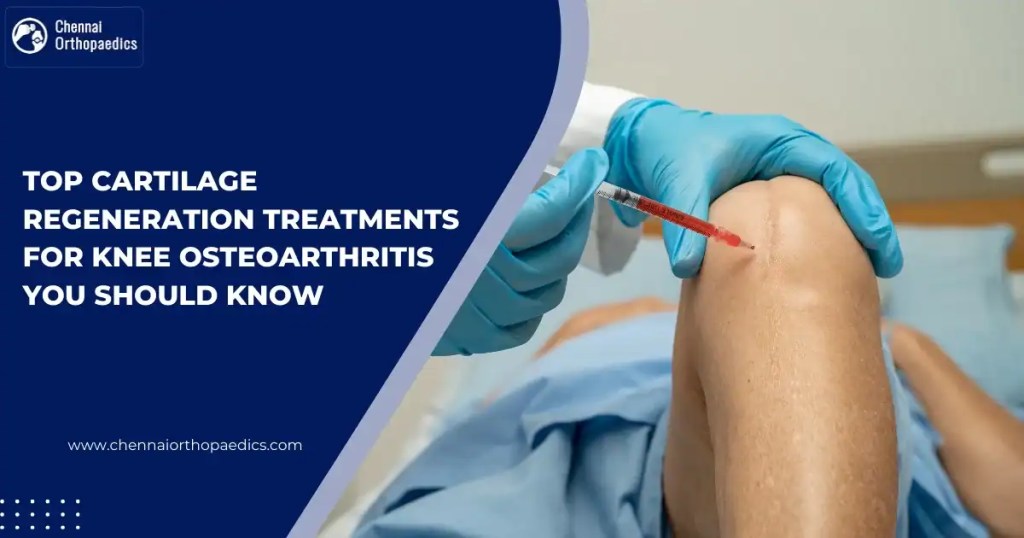
## **Top Cartilage Regeneration Treatments for Knee Osteoarthritis**
### **Stem Cell Therapy**
[Stem cell therapy](https://chennaiorthopaedics.com/knee-treatments/regenerative-orthopaedics/ "Stem cell therapy") often sounds more dramatic than it actually is. The cells are taken from your own body—usually bone marrow or fat—and injected into the knee. They don’t instantly rebuild cartilage. What they do instead is help reduce inflammation and support repair. Think of it as helping the knee calm down and recover rather than forcing it to rebuild overnight. Many people notice gradual improvement over a few months, especially if their arthritis isn’t too advanced.
### **Platelet-Rich Plasma (PRP) Therapy**
PRP therapy is one of the simpler options. A small amount of your blood is taken, processed, and injected into the knee. Platelets help with healing, and in arthritic knees, they can settle inflammation and ease pain. PRP works best early on, when symptoms are starting to interfere but the joint isn’t severely damaged yet. It’s quick, non-surgical, and often done in a single visit.
### **Autologous Chondrocyte Implantation (ACI)**
ACI is more involved. Healthy cartilage cells are taken from your knee, grown in a lab, and placed back into a damaged area.
This isn’t for general wear and tear. It’s used when there’s a specific damaged spot, often from an injury. It’s more common in younger, active patients and comes with a longer recovery, but it can be effective in the right situation.
### **Microfracture Surgery**
Microfracture surgery encourages the body to form new cartilage-like tissue. Tiny holes are made in the bone beneath the damaged area, which triggers healing.
The new tissue isn’t exactly the same as original cartilage, but it provides cushioning and can reduce pain. Recovery takes time and commitment, but for some people, it makes daily movement much easier.
### **Gene Therapy (Still Emerging)**
Gene therapy is still being researched. The idea is to change how cells inside the knee behave—less inflammation, more protection for cartilage. It’s not widely available yet, but it’s an exciting area that may shape future treatment options.
## **Benefits of Cartilage Regeneration Treatments**
The biggest benefit is simple: life feels easier. Walking hurts less. Standing feels safer. You stop thinking about your knee every time you make plans.Another major advantage is delaying knee replacement surgery. Many people use these treatments to buy themselves years. Staying active also helps strengthen the muscles around the knee, which protects the joint even more.
### **Risks and Things to Keep in Mind**
No treatment works the same for everyone. Injections can cause temporary soreness. Surgical options take longer to recover from.
Because these treatments rely on your body’s healing ability, results can vary. Cost and insurance coverage are also things to consider. It’s important to go in with realistic expectations and a clear understanding of what each option can—and can’t—do.
### **What to Expect from Treatment**
Most plans start with imaging to see what’s actually going on inside the knee. Injection treatments are usually quick. Surgery requires rehab and patience. Improvement is gradual. Healing happens over months, not days. Physical therapy often plays a big role in getting the best results.
### **Are These Treatments Right for You?**
These treatments work best when there’s still cartilage left to work with. If the joint is already severely worn down, options become limited.
Good candidates are people willing to stay active and follow through with rehab. The best step is talking to a specialist who focuses on preserving joints, not just replacing them.
## Choosing the Right Cartilage Regeneration Treatment for Your Knee
Knee osteoarthritis doesn’t have to mean giving up movement or waiting for surgery. Cartilage regeneration treatments offer another path—one that focuses on protecting what you still have. It’s not about chasing perfection. It’s about staying mobile, staying involved, and not letting knee pain quietly shrink your world. If your knees are starting to slow you down, there are more options today than most people realize.
### **FAQs**
1. **Do these cartilage regeneration treatments really work?**
They can help, especially in the early stages. Some people feel a big difference, others just a modest one.
2\. **Are the results permanent?**
Not always. Relief can last years, but it depends on the knee, the treatment, and how active you stay.
3\. **Do all these treatments involve surgery?**
No. PRP and stem cell treatments are done through injections, not surgery.
4\. **How long does recovery usually take?**
It varies. Some people feel better in weeks, others need a few months.
5\. **Can this help me avoid knee replacement surgery?**
Sometimes, yes. Many people use these treatments to delay surgery rather than rush into it.
### Share this:
- [ Share on X (Opens in new window) X](https://chennaiorthopaedics.com/cartilage-regeneration-treatments/?share=twitter)
- [ Share on Facebook (Opens in new window) Facebook](https://chennaiorthopaedics.com/cartilage-regeneration-treatments/?share=facebook)
-
**Categories:** Knee Osteoarthritis
---
### [Young Arthritic Knees (YAK): Causes, Symptoms & Best Treatment Options for Knee Restoration](https://chennaiorthopaedics.com/young-arthritic-knee/)
**Published:** January 21, 2026
**Author:** suneethagdcs@gmail.com
**Content:**
## **Why Are Young Adults Getting Knee Arthritis?**
Knee arthritis is not only common amongst older people anymore, but also seen in younger people. Many younger adults are suffering from knee pain and early joint degeneration before the age of 45. This increase is primarily due to busy lifestyles, sports injuries, long work hours, obesity, and genetic predisposition. All of these habits create added stress on the knee that increases cartilage absorption over time. The good news is that early diagnosis of bone and joint issues along with current treatment options can restore normal movement. Dr Bharani Kumar, Knee and Shoulder Specialist at Kauvery Hospital shares this information.
## **What Are Young Arthritic Knees?**
Young Arthritic Knees, or Y.A.K., is arthritis of the knees that begins prior to age 45. In young knees with arthritis, the smooth protective cartilage inside the knee degrades too early. There are multiple reasons this can happen: past injuries, over-use, excess body weight or joint alignment. When the cartilage has become thin or rough, the bone is not supported in its natural state and can cause discomfort or pain. Knee arthritis in young people is different from knee arthritis as we age. It becomes more aggressive and can disrupt an active life.
### **Causes of Knee Arthritis in Young Adults**

There are several reasons that can lead to early knee arthritis in young adults, and the primary causes include injury, repetitive stress, wrong alignment, inflammation, obesity, and genetics.
**1.Previous Knee Injuries (Post-Traumatic Arthritis)**
Past[ knee injuries](https://chennaiorthopaedics.com/knee-ailments/ " knee injuries") are the primary reason for early arthritis development. The joint remains at risk of damage after ACL tears, meniscus injuries and fractures heal. Sports activities and accidental events lead to these injuries among young people. The knee might appear normal for many years but the injured area will gradually deteriorate. The injury creates a risk for arthritis development even after ten to fifteen years. Taking early care or rehabilitation may prevent this condition from occuring.
**2.Repetitive Stress & Overuse**
Running on hard surfaces, heavy lifting, and high-impact exercises cause stress on the knee. They subject the cartilage to continuous loading and it may not be able to repel this process over time. These activities put repeated pressure on the cartilage and, joint will become rough, which can cause pain. This is often seen in the gym enthusiasts, or athletes, who push their limits without enough rest.
**3.Knee Misalignment (Varus/Valgus)**
Bow legs (the legs to curve outward) and knock knees (the legs curve inward) change joint load distribution. One side of the knee takes more pressure than the other. This causes faster cartilage wear. Young people do not notice alignment problems until they experience pain. Early alignment correction slows down arthritis.
**4.Inflammatory Conditions**
Autoimmune diseases such as rheumatoid arthritis can start during young adulthood between ages 20 to 30. The inner lining of joints suffers damage from inflammation which causes early cartilage loss. The conditions require immediate medical intervention to prevent permanent harm.
**5.Obesity & Sedentary Lifestyle**
Extra body weight puts additional pressure on the knee joints. The muscles which support joints become weaker when people do not move their bodies enough. Both lead to premature joint deterioration and cause pain. The joints of young adults will experience less stress when they lose even a small amount of weight.
**6.Genetic & Anatomical Factors**
Certain individuals may have shallow grooves in their knees (The space where the kneecap normally moves is not deep enough) or less durable cartilage. Family history also plays a role. All of these will increase the risk for early arthritis, even if there hasn’t been a significant injury.
## **Symptoms of Young Arthritic Knees**
The initial symptoms are mild but they get worse when performing physical activities. People may experience symptoms such as knee pain and morning stiffness and a grinding sensation during movement. Some people notice swelling after walking or climbing stairs. Squatting and running may become difficult. The knee may feel unstable or buckle during sudden turns. The meniscus damage leads to locking of the knee joint.
### **How Knee Arthritis Is Diagnosed in Young Adults**
**1.Clinical Examination**
The doctor evaluates knee function through movement assessment, swelling observation and stability testing.
**2.X-rays**
X-rays reveal the space between joints, bone alignment and early signs of arthritis in the body.
**3.MRI Scan**
MRI technology identifies cartilage damage, ligament injuries together with early arthritis symptoms that remain hidden during X-ray examinations.
**4.Blood Tests**
Blood tests help to detect autoimmune diseases and inflammatory conditions which include rheumatoid arthritis.
**Best Non- Surgical Treatments for Young Arthritic Knees**
Many young adults will benefit from non-surgical treatment. These treatment options will help reduce pain and protect the joint against further degeneration.
**1.Physiotherapy & Strength Training**
The knee receives support from strengthening exercises which target the quadriceps, VMO muscles (a small part of the thigh muscle on the inner side of your knee) as well as the hips and glutes. Therapy methods improve balance and reduce the stress on their joints. Regular sessions improve daily activities.
**2.Activity Modification**
High-impact sports activities need to be avoided when pain becomes worse. People should select safer options like cycling or swimming. Stop performing deep squats or lunges when you experience pain from these exercises.
**3.Weight Management**
A small weight loss reduces the amount of stress on your knees. The treatment approach provides pain relief while it helps preserve long-term joint health.
**4.Pain Medication**
Short-term use of prescribed pain tablets or gels provides relief during flare-ups.
**5.Knee Braces & Orthotics**
Braces can help provide additional support for individuals with weak muscles. They may also help if there are alignment problems with the knee such as bow legs or knock knees.
**6.Injection Therapies**
Daily activities become unbearable because of injections which deliver instant pain relief. Corticosteroids (strong anti-inflammatory medicines) help during sudden flare-ups. The joint receives lubrication through the presence of hyaluronic acid. PRP therapy enables natural healing through its ability to reduce inflammation. The doctor decides the right option after examining the knee.
## **Advanced Surgical Treatments for Young Arthritic Knees**
Surgery is needed when pain continues in spite of a well-executed non-surgical treatment plan. Modern surgical approaches aim to preserve the natural joint.
**1. Knee Arthroscopy**
Doctors perform a keyhole procedure called [arthroscopy](https://chennaiorthopaedics.com/knee-treatments/arthroscopic-knee-surgery-for-acl-pcl/ "arthroscopy"). The procedure helps to remove free fragments, smoothing rough cartilage and treat meniscus problems. It reduces mechanical symptoms like locking.
**2.Cartilage Preservation & Restoration Procedures**
These techniques repair or replace damaged cartilage. The available options for the treatment are Microfracture, autologous cartilage implantation (ACI), and meniscal implants. It is suitable for young patients with small areas of damage.
**3.Osteotomy (Alignment Correction Surgery)**
The procedure corrects bow legs together with knock knees. The body transfers weight to the healthy section of the knee joint. It is suitable for active younger adults who desire to postpone a joint replacement.
**4.Partial Knee Placement (Unicompartmental)**
This is used when only a single part of the knee is affected. The procedure provides better recovery, while supporting a more natural knee feeling.
**5.[Total Knee Replacement](https://chennaiorthopaedics.com/knee-treatments/primary-and-revision-total-knee-replacement/ "Total Knee Replacement") (Rare in Young Patients)**
This may only be used for severe damage. Modern implants can offer long-lasting support but are considered last only when other options do not help.
**Lifestyle Tips to Protect Young Knees & Slow Arthritic Progression**
- Strengthen legs three to four times a week.
- Wear proper shoes during walking and workouts.
- Maintain weight control through proper management.
- Avoid deep squats or heavy loads if they increase pain.
- Provide simple warm-up and stretching support for your knee.
- Seek medical advice if pain continues longer than two weeks.
The habits function as protective measures which defend joints against damage while they also slow down arthritis.
### **When Should You See a Knee Specialist?**
You need to seek advice from a knee specialist when the pain continues to persist beyond six weeks. The symptoms of this condition include joint locking, instability, post-exercise swelling and stair-climbing difficulties. Pain from an old injury should also be reviewed.
[Dr. Bharani Kumar Dayanandam](https://chennaiorthopaedics.com/best-arthroscopic-surgeon/ "Dr. Bharani Kumar Dayanandam") at Kauvery Hospital is known for knee arthroscopy, ligament reconstruction, cartilage surgery, osteotomy, and joint preservation procedures.
### **Young Knee Arthritis Is Treatable — Early Action Matters**
Young knee arthritis can be managed well when detected early. Modern medical treatments exist to restore movement while protecting joint function for extended periods. People should never ignore knee pain or stiffness which starts during their young age. The right diagnosis together with timely treatment allows you to keep moving and prevent future damage.
### Share this:
- [ Share on X (Opens in new window) X](https://chennaiorthopaedics.com/young-arthritic-knee/?share=twitter)
- [ Share on Facebook (Opens in new window) Facebook](https://chennaiorthopaedics.com/young-arthritic-knee/?share=facebook)
-
**Categories:** Young Arthritic Knee
---
### [Most Common Orthopedic Problems Suffered By Women](https://chennaiorthopaedics.com/blog/most-common-orthopedic-problems-suffered-by-women/)
**Published:** November 20, 2025
**Author:** suneethagdcs@gmail.com
**Content:**
Most Common Orthopedic Problems Suffered By Women
The human body goes through so many physical activities daily and the gender factor plays a vital role here. Both men and women equally partake in all kinds of physical activities in daily life and are prone to various health concerns too. These concerns can be associated with bones muscles and joints. However, certain orthopaedic challenges impact women more than men. So it’s time to shed light on these common orthopaedic problems faced by women. Let’s take a look at them one by one.

## Osteoporosis
Osteoporosis is a condition where bones become weaker and brittle making them prone to poor bone density and fractures. These fractures often happen in the hip, spine, arm, or leg, and they can be painful. In women, as they get older and go through menopause, their estrogen levels drop. Estrogen helps keep bones strong as calcium does. But when estrogen levels go down, bones can get weaker and easier to break. Osteoporosis happens much more often in women than in men, about four times as much.
If you’re worried about osteoporosis, there are things you can do to lower your risk and make it less likely to happen to you. One of the best things you can do is exercise regularly and eat a balanced diet. This is super important, especially when you’re a teenager or young adult. It helps keep your bones strong as you get older.
## Carpal Tunnel Syndrome
Carpal Tunnel Syndrome (CTS) causes swelling, pain, tingling, and weakness in the wrist and hand. Women are three times more likely to get CTS than men, usually between ages 30 and 60. Conditions like diabetes, high blood pressure, and arthritis increase the risk. You can prevent it through ergonomic adjustments, regular breaks, wrist splints, and exercises to alleviate strain.
## Plantar Fasciitis
Plantar fasciitis stands as a prevalent source of heel discomfort, characterized by the inflammation of a sturdy band of tissue spanning the underside of the foot, linking the heel bone to the toes, known as the plantar fascia.
This condition usually causes sharp, stabbing pain, especially when you first get up in the morning. But as you start moving around, the pain usually gets better. However, it might come back after standing for a long time or when you stand up after sitting down.
The most common treatments for plantar fasciitis are rest, icing the foot, wearing supportive shoes, massaging and stretching exercises.
## Morton’s Neuromas
Morton’s neuroma is a painful problem that affects the front part of your foot, usually between your third and fourth toes. It might feel like there’s a small rock in your shoe or a wrinkle in your sock.
This condition happens when the tissue around one of the nerves in your toes gets thicker. It can cause a sharp, burning pain in the front part of your foot. Your toes might also feel like they’re stinging, burning, or numb. The treatment for this condition includes arch supports and foot pads, strength exercises, wide-toe shoes or surgery.
## Fibromyalgia
Fibromyalgia is a chronic condition characterized by widespread musculoskeletal pain fatigue, and tenderness in specific areas of the body. While the exact cause of fibromyalgia remains elusive, it predominantly affects women, with a ratio of about 8:2 compared to men.
Factors such as genetics, infections, and physical or emotional trauma may contribute to its onset. Management involves a multidisciplinary approach, including medication, physical therapy, stress management techniques, and lifestyle modifications.
## Conclusion
Only if we take proactive steps today we can lead a healthier tomorrow. The first step should always go towards prevention, early detection, and effective management of these conditions. Through education and personalized care, we can ensure that women lead fulfilling lives, free from the shackles of orthopaedic ailments. Remember, investing in women’s health is not just an individual choice but a collective responsibility towards building a healthier, more equitable society.
**[Authored By Dr Bharani Kumar Dayanandam,MBBS,Orthopedic Surgeon](https://www.chennaiorthopaedics.com/best-arthroscopic-surgeon)**
### Share this:
- [ Share on X (Opens in new window) X](https://chennaiorthopaedics.com/blog/most-common-orthopedic-problems-suffered-by-women/?share=twitter)
- [ Share on Facebook (Opens in new window) Facebook](https://chennaiorthopaedics.com/blog/most-common-orthopedic-problems-suffered-by-women/?share=facebook)
-
**Categories:** Uncategorized
---
### [Rheumatoid arthritis treatment](https://chennaiorthopaedics.com/blog/rheumatoid-arthritis-treatment/)
**Published:** November 20, 2025
**Author:** suneethagdcs@gmail.com
**Content:**
Consider the inconvenience of swollen, misshapen fingers or painful[ knee joints](https://www.chennaiorthopaedics.com/knee-pain-treatments). Picture a situation in which your life is dictated by the amount of pain you experience every day. Consider changing your entire lifestyle or relearning your daily chores to accommodate your pain. This was Disha’s (name changed) reality since she was diagnosed with rheumatoid arthritis at the age of 23.
[Dr. Bharani Kumar Dayanandam](https://www.chennaiorthopaedics.com/best-arthroscopic-surgeon), the senior orthopaedic surgeon and trauma consultant at [Chennai Orthopaedics,](https://www.chennaiorthopaedics.com/) discusses the case of Disha, who had to have surgery to repair her rheumatoid arthritis-damaged joints.

Rheumatoid arthritis is an autoimmune disorder in which the immune system mistakes host cells for invaders. “The main course of action that the immune system takes to remove these misidentified cells is to cause inflammation. As a result, a person suffering from rheumatoid arthritis will experience pain, redness, swelling, and other symptoms of inflammation. Since the tissues surrounding the joint are the target of the immune attack in rheumatoid arthritis, the pain and inflammation will be concentrated in the finger joints, knees, wrists, elbows, and so on,” explains Dr. Bharani Kumar.
Rheumatoid arthritis is a disease for which there is no cure. The only treatments available are aimed at relieving symptoms and assisting the patient in living as comfortably as possible, Dr. Bharani Kumar says. Drugs and physical therapy are the most commonly used treatment options. Pain relievers, steroids, nonsteroidal anti-inflammatory drugs (NSAIDs), and disease-modifying anti-rheumatic drugs [(](https://www.ncbi.nlm.nih.gov/books/NBK507863/#:~:text=Indications-,Disease%2Dmodifying%20antirheumatic%20drugs%20(DMARDs)%20are%20a%20class%20of,and%20ankylosing%20spondylitis%20(AS).)DMARDs) are among the medications available. Depending on the severity and progression of the condition, different combinations of these drugs are prescribed.
However, in some advanced cases of rheumatoid arthritis, surgery might be necessary to relieve the pain, stabilize the joints, and improve the quality of life. Disha was one such patient who required surgery in order to improve her life and live it to the fullest. When Disha approached me, her knee joints and finger joints were swollen and she was in a lot of pain. Since she had been on various medications for more than 15 years and was still suffering, the best option for her was to have a [knee replacement surgery](https://chennaiorthopaedics.com/knee-treatments/primary-and-revision-total-knee-replacement/ "knee replacement surgery"), says Dr. Bharani Kumar.
### Share this:
- [ Share on X (Opens in new window) X](https://chennaiorthopaedics.com/blog/rheumatoid-arthritis-treatment/?share=twitter)
- [ Share on Facebook (Opens in new window) Facebook](https://chennaiorthopaedics.com/blog/rheumatoid-arthritis-treatment/?share=facebook)
-
**Categories:** Uncategorized
---
### [முழுமையான முழங்கால் மாற்று அறுவை சிகிச்சை](https://chennaiorthopaedics.com/blog/anterior-cruciate-ligament-injury/)
**Published:** November 21, 2025
**Author:** suneethagdcs@gmail.com
**Content:**
சென்னை, ஆவடியைச் சேர்ந்த கமலா, (வயது 81) 15 வருடமாகக் கால் வலியைக் கொண்ட அவர், பல மருத்துவர்களைச் சந்தித்த பின் சென்னை ஆர்த்தோபீடியாக்ஸில் முழங்கால் மாற்று அறுவை சிகிச்சை (Knee Replace Surgery) செய்து கொண்டதாகவும், இதற்கு முன்னர் வீல்சேரில் (Wheel Chair) அமர்ந்து சென்று கொண்டிருந்த அவர், சிகிச்சைக்குப் பின்னர், குச்சிகளை (Walking Stick) ஊன்றி நடக்கும் அளவிற்குத் தாம் முன்னேறியதாகக் குறிப்பிடுகிறார். முழங்கால் மாற்று அறுவை சிகிச்சை, என்றால் அதனால் ஏற்படும் விளைவு என்ன என்று நீங்கள் அறியவேண்டுமெனில், இப்பதிவைப் படியுங்கள்.
முழங்கால் மாற்று அறுவை சிகிச்சையானது காயமடைந்த அல்லது தேய்ந்து போன முழங்கால் மூட்டுகளின் பாகங்களை மாற்றுவதற்காகச் செய்யப்படுவது. அறுவை சிகிச்சை, வலியைக் குறைக்கவும் முழங்கால் நன்றாக வேலை செய்யவும் உதவும். அறுவை சிகிச்சையின் போது, சேதமடைந்த எலும்பு மற்றும் குருத்தெலும்புகள் உலோகம் மற்றும் நெகிழியால் செய்யப்பட்ட பாகங்களால் மாற்றப்படுகின்றன. முழங்கால் மாற்று உங்களுக்குச் சரியானதா என்பதைத் தீர்மானிக்க, ஒரு அறுவை சிகிச்சை நிபுணர் உங்கள் முழங்காலின் இயக்கம், நிலைத்தன்மை மற்றும் வலிமை ஆகியவற்றைச் சரிபார்க்கிறார். X- ரேகள் (X-ray) சேதத்தின் அளவைக் காட்ட உதவுகின்றன.
உங்களுக்கான சரியான செயற்கை மூட்டுகள் மற்றும் அறுவை சிகிச்சை நுட்பங்கள் உங்கள் வயது, எடை, செயல்பாட்டு நிலை, முழங்கால் அளவு மற்றும் வடிவம் மற்றும் ஒட்டுமொத்த ஆரோக்கியத்தைப் பொறுத்தது.
முழங்கால் மாற்று அறுவை சிகிச்சைக்குப் பிறகு வலி, வீக்கம் மற்றும் சிராய்ப்பு பல வாரங்கள் அல்லது மாதங்களுக்கு நீடிக்கும். சுருக்கக் காலுறைகளை அணிவது, உங்கள் கால்களை உயர்த்தி வைத்திருப்பது மற்றும் மேற்பூச்சு சிகிச்சையைப் பயன்படுத்துவது நிவாரணம் அளிக்கும். சில வலி, வீக்கம் மற்றும் சிராய்ப்பு ஆகியவை முழங்கால் அறுவை சிகிச்சையைத் தொடர்ந்து மீட்பு செயல்முறையின் இயல்பான பகுதியாகும். அறுவைசிகிச்சைக்குப் பிந்தைய அறிகுறிகளை நிர்வகிப்பதற்கும் உங்கள் மீட்சியை எளிதாக்குவதற்கும் பல வழிகள் உள்ளன.
ஆரம்ப வலி மற்றும் வீக்கத்திற்குப் பிறகு, மொத்த முழங்கால் மாற்று அறுவை சிகிச்சை செய்த சில வாரங்களுக்குள் பெரும்பாலான மக்கள் தங்கள் முழங்கால் பிரச்சினைகளில் வியத்தகு முன்னேற்றத்தைக் காண்பார்கள். அறுவை சிகிச்சையின் இந்த பொதுவான பக்க விளைவுகளைச் சமாளிக்க உதவும்
உதவிக்குறிப்புகளைப் படிக்கவும். சில வலி, வீக்கம் மற்றும் சிராய்ப்பு ஆகியவை முழங்கால் அறுவை சிகிச்சையைத் தொடர்ந்து மீட்பு செயல்முறையின் இயல்பான பகுதியாகும். அறுவைசிகிச்சைக்குப் பிந்தைய அறிகுறிகளை நிர்வகிப்பதற்கும் உங்கள் மீட்சியை எளிதாக்குவதற்கும் பல வழிகள் உள்ளன.
செயல்முறைக்குப் பிறகு பல வாரங்களுக்கு, நீங்கள் ஊன்றுகோல் அல்லது வாக்கரைப் (Walker) பயன்படுத்த வேண்டியிருக்கும், எனவே உங்கள் அறுவை சிகிச்சைக்கு முன் அவற்றை ஏற்பாடு செய்யுங்கள். நீங்கள் மருத்துவமனையிலிருந்து வீட்டிற்குச் சவாரி செய்வதை உறுதிசெய்து, சமையல், குளித்தல் மற்றும் சலவை செய்தல் போன்ற அன்றாட பணிகளுக்கு உதவுங்கள். சிகிச்சைக்கு பின்னர் மீளும் போது உங்கள் வீட்டைப் பாதுகாப்பாகவும் எளிதாகவும் செல்ல தேவையான வசதிகளைச் செய்து கொள்ளுங்கள்.
இங்கு பெரும்பாலும் பலருக்கு இருக்கும் ஒரு கருத்து முழங்கால் மூட்டு மாற்று அறுவை சிகிச்சையின் தேர்ச்சி பற்றித் தான். சிகிச்சைக்குப் பின் ஏற்படும் அதிக வலி, அதிக காய்ச்சல், தொற்று (அறுவை சிகிச்சை செய்த இடத்தில்) போன்றவற்றிற்குக் கவனம் அளிக்க வேண்டும். மேலும் கீழே விழாமல் பார்த்துக் கொள்ள வேண்டும். முழங்கால் மாற்று அறுவை சிகிச்சையின் பொழுது நீங்கள் மனதில் வைத்துக் கொள்ள வேண்டிய ஒன்று எந்த பொழுதிலும் இந்த சிகிச்சையைத் தாமதிக்கக் கூடாது. சரியான வயது என ஒன்று கிடையாது, இருந்தாலும் கூடிய விரைவில் இந்த சிகிச்சையைச் செய்து கொள்வது சிகிச்சைக்குப் பின் மீண்டெழுவதில் உறுதி அளிக்கும் ஒரு செயலாக இருக்கும்., என்கிறார் [மருத்துவர் பரணி குமார்](https://chennaiorthopaedics.com/best-arthroscopic-surgeon/ "மருத்துவர் பரணி குமார்"), சென்னை ஆர்த்தோபீடியாஸ், சென்னை.
**Authored by Dr Bharani Kumar Dayanandam, MBBS, Orthopaedic Surgeon**
### Share this:
- [ Share on X (Opens in new window) X](https://chennaiorthopaedics.com/blog/anterior-cruciate-ligament-injury/?share=twitter)
- [ Share on Facebook (Opens in new window) Facebook](https://chennaiorthopaedics.com/blog/anterior-cruciate-ligament-injury/?share=facebook)
-
**Categories:** Knee
---
### [Top 5 Surgical and Non-Surgical Treatments for Knee Pain Relief](https://chennaiorthopaedics.com/blog/knee-pain-treatment-options/)
**Published:** November 21, 2025
**Author:** suneethagdcs@gmail.com
**Content:**
## **Understanding Knee Pain: Causes and Symptoms**
- Overuse, arthritis, and accidents are a number of lifestyle the [causes of knee pain.](https://www.chennaiorthopaedics.com/knee-pain-treatments) specially in athletes, injuries like tendinitis, meniscus harm, and ligament sprains or tears are not unusual. Rheumatoid arthritis and osteoarthritis are kinds of arthritis which can reason unexpected or sluggish knee joint stiffness and pain. Knee pain also can end result from overuse, particularly whilst conducting repetitive sports or wearing an excessive amount of weight.
- A ramification of problems, from minor injuries to long-term illnesses, can motive knee pain, which can range in depth from slight to excessive. when signs and symptoms include instability, confined variety of movement, swelling, continual pain, or pain that interferes with everyday sports, it’s essential to see a knee specialist, together with an orthopaedic doctor.
- For knee pain to be efficaciously relieved and lengthy-term headaches to be prevented, early prognosis is crucial.
## **Top Non-Surgical Treatments for Knee Pain**
- Bodily remedy, capsules like NSAIDs, joint injections (hyaluronic acid or PRP), manner of existence changes like controlling weight, and bracing are the awesome non-surgical remedies for knee pain.
- Knee ache can be dealt with at home with rest, ice and heat remedy, slight exercising, weight reduction, and natural dietary supplements like ginger and turmeric.
- An orthopaedic specialist with a wealth of expertise in knee and shoulder surgical procedure, consisting of joint replacements and arthroscopy, is Dr. Bharani Kumar D.
### **Physiotherapy and Exercises**
- through strengthening supporting muscle groups, increasing flexibility, and enhancing average knee stability, physiotherapy and focused physical games are useful for treating knee ache.
- For the secure and lengthy-time period healing from knee accidents or the control of knee situations, professional knee physiotherapy is essential.
### **Medications and Injections**
- By that specialize in numerous factors of the pain cycle, medicinal drugs and injections can efficaciously reduce infection and knee pain. Injecting corticosteroids reduces irritation and briefly relieves pain. Injections of hyaluronic acid function as a cushion and lubricant inside the joint, in all likelihood decreasing pain and growing mobility.
- Injections of corticosteroids and hyaluronic acid, as well as procedures like radiofrequency ablation and genicular artery embolization, are examples of minimally invasive knee ache management alternatives. by using enhancing characteristic and briefly relieving pain, these options may additionally assist delay or save you surgery.
### **Platelet-Rich Plasma (PRP) Therapy**
- A patient’s personal blood is used in platelet-rich plasma (PRP) remedy to encourage tissue repair and reduce ache.
- For knee ache, which include osteoarthritis, Bharani Kumar D, a renowned orthopaedic health practitioner in Chennai, recommends Platelet-wealthy Plasma (PRP) life-style.
### **Home Remedies and Lifestyle Changes**
- Attention on an aggregate of rest, ice, compression, and elevation (RICE), in addition to mild exercise, weight control, and excellent posture, for life-style recommendation and at-domestic self-care for knee pain that has been approved by means of specialists.
- Joint replacement and arthroscopy physician Dr. Bharani Kumar D. stresses a multifaceted method for managing weight and maintaining healthy joints.
## **Surgical Options for Knee Pain**
### **Arthroscopy**
Using a tiny camera and specialised gear inserted thru tiny incisions, a doctor performs minimally invasive arthroscopic [knee surgical treatment ](https://www.chennaiorthopaedics.com/blog/minimally-invasive-orthopedic-surgery-techniques)to take a look at and treat problems inside the knee joint.
A minimally invasive surgical technique for figuring out and treating joint issues is arthroscopy.
### **Partial or Total Knee Replacement**
When conservative knee ache remedies, such as bodily remedy or medication, are not able to control excessive pain and constrained mobility added on via illnesses like osteoarthritis, knee replacement surgical procedure is normally taken into consideration.
For sufferers looking for better mobility and comfort from knee ache, he offers a variety of cutting-edge strategies and complementary therapies.
## **When Should You Consider Surgery?**
- When non-surgical treatments are insufficient to manage chronic knee pain, stiffness, and limited mobility, knee surgery more especially, knee replacement may be considered.
- Despite the fact that recuperation instances range, maximum sufferers can resume most sports in 6 weeks, and it can take 6 months to 12 months to completely recover.
- [Orthopaedic surgeon](https://www.chennaiorthopaedics.com/best-arthroscopic-surgeon) Dr. Bharani Kumar Dayanandam is renowned for treating knee pain surgically with a patient-centered approach.
## **Choosing the Best Knee Pain Treatment for You**
- Following the diagnosis, Dr. Bharani Kumar adjusts the treatment plan to each patient’s particular requirements, taking into account the severity of the ailment and the patient’s demographics.
- For the best outcomes when dealing with knee issues, speaking with a committed knee specialist is essential. The cause and intensity of your knee pain will determine the best course of action.
## **Take the First Step Toward Pain-Free Knees with Dr. Bharani Kumar D**
- Orthopaedic conditions can be treated surgically or non-surgically by [Dr. Bharani Kumar Dayanandam](https://www.chennaiorthopaedics.com/best-arthroscopic-surgeon). In addition to medication and lifestyle changes, non-surgical treatments for injuries such as [PCL tears](https://www.chennaiorthopaedics.com/knee-treatments/arthroscopic-knee-surgery-for-acl-pcl) include RICE therapy (Rest, Ice, Compression, Elevation). Often regarded as a last resort, surgical options include ligament reconstruction, osteotomy (realignment surgery), and arthroplasty (joint replacement).
- If you have concerns about your knee, don’t be afraid to seek professional care. Make an appointment with Dr. Bharani Kumar D right now to start down the path to a more active, healthy future.
- You can make an appointment at Apollo Hospitals to see [Dr. Bharani Kumar D](https://www.apollo247.com/doctors/dr-bharani-kumar-d-ed4806e2-7349-42f2-8972-61851ae48083).
## **FAQ**
What is the best non-surgical treatment for knee pain?
Depending on the cause and severity of the pain, the “best” non-surgical treatment for knee pain may involve a mix of physical therapy, pain management, lifestyle changes, and occasionally injections.
How can I [book a consultation with Dr. Bharani Kumar D?](https://www.chennaiorthopaedics.com/book-appointment)
You can schedule an appointment with Dr. Bharani Kumar D online or by getting in touch with Apollo Hospitals. You can also make a reservation by calling their appointment helpline or using the Apollo 24\|7 app.
How long does recovery take after knee surgery?
Ans: Most patients can return to their regular activities within six weeks of knee surgery, especially a knee replacement, although recovery can take several weeks to a year.
Are there alternatives to knee replacement at Dr. Bharani Kumar D’s clinic?
Indeed, orthopaedic care clinics, such as the ones where Dr. Bharani Kumar Dayanandam works, offer alternatives to knee replacement.
### Share this:
- [ Share on X (Opens in new window) X](https://chennaiorthopaedics.com/blog/knee-pain-treatment-options/?share=twitter)
- [ Share on Facebook (Opens in new window) Facebook](https://chennaiorthopaedics.com/blog/knee-pain-treatment-options/?share=facebook)
-
**Categories:** Knee
---
### [Avoid these 5 common mistakes in managing knee osteoarthritis](https://chennaiorthopaedics.com/blog/knee-osteoarthritis-management-mistakes/)
**Published:** November 21, 2025
**Author:** suneethagdcs@gmail.com
**Content:**
Are you over 50 and experiencing knee pain? It could be knee osteoarthritis.
Knee osteoarthritis is a common age-related degenerative joint disease. Your knees are cushioned by cartilage. As you age, you start losing cartilage. So it can result in stiffness and pain in the knees. Due to this, patients with arthritis have limited mobility.
Here are some mistakes that people who have knee osteoarthritis may make thinking that it can help with their pain:

## Mistake 1: Avoiding movement
Due to pain in the knees, people with knee arthritis often reduce their movement to avoid the pain. Walking is a simple, low-impact exercise, and people with knee pain often cut down on the distance they are walking. But, without proper care, your [knee arthritis](https://www.ncbi.nlm.nih.gov/books/NBK507884/) pain will not go away, and you may end up decreasing your walking distance until you lose your mobility to a great extent.
## Mistake 2: Overexerting too much
Some people may think that their pain will go away if they just keep doing hard exercises. While movement is important for your knees, overexertion is not the right thing to do. If your knees are painful or stiff when you walk or exercise, it’s a signal from your body that both knees and muscles in that region need attention. So, overexerting, like excessive walking or stair climbing, can be detrimental to your knees.
## Mistake 3: Not managing the weight

If you are overweight, the additional body weight puts a lot of pressure on your knees. Reducing your weight even by a few kilograms can reduce the pressure on your knees. Strength training exercises can improve the muscular strength of the calf and gluteus muscles that indirectly support your knees. Foods supporting bone strength and cartilage can also help. If you have knee pain and want to exercise to lose weight, consult a knee expert first.
## Mistake 4: Wearing the wrong footwear
When you walk, your footwear also plays a major role in supporting your ankles and knees. For example, people who are in the early stages of [knee arthritis](https://www.chennaiorthopaedics.com/knee-treatments/regenerative-orthopaedics) should avoid wearing heels. Supportive footwear can reduce the pressure on the joints and ensure that you don’t risk falling down.
## Mistake 5: Be afraid of surgery
While it’s possible to manage the pain and [symptoms of knee arthritis](https://www.chennaiorthopaedics.com/knee-pain-treatments) with medications, in some cases, you may need surgery. It’s not a quick fix, but surgery can greatly help you relieve pain and restore function. There is no need to be afraid of surgery because expert care drastically reduces the risk.
## Seek Professional Help
If you have knee pain, consult an expert at [chennai orthopaedics](https://www.chennaiorthopaedics.com/best-arthroscopic-surgeon). The orthopaedic experts listen to your problems and create a pain management plan to support your lifestyle. Start walking pain-free with customised care that includes everything from regular checkups to modern surgeries to restore mobility.
### Share this:
- [ Share on X (Opens in new window) X](https://chennaiorthopaedics.com/blog/knee-osteoarthritis-management-mistakes/?share=twitter)
- [ Share on Facebook (Opens in new window) Facebook](https://chennaiorthopaedics.com/blog/knee-osteoarthritis-management-mistakes/?share=facebook)
-
**Categories:** Knee Osteoarthritis
---
### [Take A Long Walk With Your Healthy Knee](https://chennaiorthopaedics.com/blog/knee-injury-treatment/)
**Published:** November 20, 2025
**Author:** suneethagdcs@gmail.com
**Content:**

The knee is more prone to injuries. Bone, ligaments, cartilages, tendons and fluid are the parts of the knee joint. Tendons and muscle help in the movement of a knee joint. A knee problem arises if any of the structures is diseased or injured. Knee trouble occurs in all age group. Knee pain deters a person from doing even normal activities like walking, getting up from a chair and doing routine works. The pain creates a huge impact on normal life.
## **The different types of knee injury are:**
- Fractures by sudden fall, a direct blow, and osteoporosis
- Knee dislocation
- Knee sprain
- Knee strains
- Anterior cruciate ligament injuries
- Posterior cruciate ligament injuries
- Tendonitis & Tendon tears
- Collateral ligament injuries
- Meniscal tears
- Brusitis
- Overuse injuries
## **What are the risk factors for knee injury?**
- High impact sports like football, hockey, cycling etc
- Strenuous exercise and difficult yoga postures
- Sudden fall and osteoporosis in aged people
- Overweight results to put stress on the lower extremity joints
## **Knee injury symptoms**
- Knee injury symptoms depend on the knee part and the type of injury. However, the following are the common [knee injury symptoms](https://chennaiorthopaedics.com/knee-pain-treatments/pain-and-swelling-in-knee)
- [Pain & swelling](https://chennaiorthopaedics.com/knee-pain-treatments/pain-and-swelling-in-knee)
- Heat & redness
- Tenderness
- Knee locking
- Difficulty in weight bearing
- Difficulty in bending the knee
- Popping sounds in the knee
- Bruising
- Instability
- [Knee deformity](https://chennaiorthopaedics.com/knee-pain-treatments/knee-deformity-treatment)
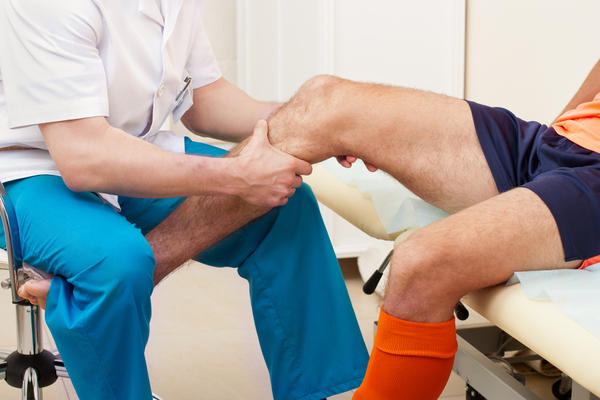
## **Diagnosis of Knee injury:**
X-Ray, CT/MRI, Bone Scan, Arthroscopy and Biopsy are recommended to find out the problem in the knee. Depends on the patient’s pain condition, the doctor will recommend the diagnostic approach.
## **Immediate first aid for knee injury is P.R.I.C.E.**
P-Protection R-Rest I-Ice C-Compression and E-Elevation
## **[Knee injury Treatment](https://chennaiorthopaedics.com/knee-pain-treatments):**
Knee injury treatment is offered to the patient depends on the pain level and knee condition.
- **Oral Medicines:** Non-steroidal anti-inflammatory drugs and injection are administered to reduce the pain initially.
- **Physiotherapy:** With the detailed prescription of the doctor, the physiotherapist will impart knee exercises to strengthen the knee and improve movements in joint.
- **Weight loss:**It is an effective way of reducing pain in the knee
- **Surgery:** When other conservative methods do not help, finally the patient is suggested with knee surgery for a heavily damaged knee joint.
Dr. Bharani Kumar is a [leading orthopedist in Chennai](https://chennaiorthopaedics.com/) offers excellent and effective**[Knee Joint Disorders treatments in Tamil Nadu](http://chennaiorthopaedics.com/knee-deformity-treatment/)**. He is well-known for his excellent**[knee injury treatment in Chennai ](http://chennaiorthopaedics.com/knee-pain-treatments/knee-fracture-treatment/)**and **[knee deformity treatment in Chennai](http://chennaiorthopaedics.com/knee-pain-treatments/knee-deformity-treatment/)**.

Mail Us @ <info.chennaiortho.com@gmail.com>
[Authored By Dr Bharani Kumar Dayanandam,MBBS,Orthopedic Surgeon](https://chennaiorthopaedics.com/best-arthroscopic-surgeon)
### Share this:
- [ Share on X (Opens in new window) X](https://chennaiorthopaedics.com/blog/knee-injury-treatment/?share=twitter)
- [ Share on Facebook (Opens in new window) Facebook](https://chennaiorthopaedics.com/blog/knee-injury-treatment/?share=facebook)
-
**Categories:** Knee
---
### [Most Common Types Of Sports Injuries](https://chennaiorthopaedics.com/blog/common-sports-injuries/)
**Published:** November 20, 2025
**Author:** suneethagdcs@gmail.com
**Content:**
Sport is an important part of many people’s lives. Some people play sports professionally, while others do so to stay active and healthy. While the goal of participating in sports is to stay physically fit, it is not uncommon for injuries to occur. [Dr. Bharani Kumar Dayanandam](https://www.chennaiorthopaedics.com/), senior orthopaedic surgeon and trauma consultant at Chennai Orthopaedics, discusses the most common types of sports injuries and how to identify them.
Sports injuries are divided into two categories: acute and chronic. Acute injuries occur suddenly, whereas chronic injuries occur as a result of repeated use of a specific muscle group or joint. Chronic injuries typically develop over time.
Acute injuries most commonly include bone fractures, sprains, muscle strains, joint dislocations, rotator cuff tears, and so on. Such injuries are frequently the result of accidents, abrupt changes in direction, collisions, and so on. Acute injuries can happen in any sport and always necessitate immediate medical attention. “The pain caused by acute injuries always develops suddenly and results in an immediate inability to continue playing. As a result, acute injuries are more likely to be quickly noticed and treated,” explains Dr. Bharani Kumar. Such injuries are typically characterized by sudden pain, swelling in the affected area, inability to move the joint normally or use the part as intended, and so on.
Tennis elbow, rotator cuff impingements, and [instability](https://www.chennaiorthopaedics.com/knee-pain-treatments/knee-fracture-treatment), runner’s knee, meniscal tears, shin splints, Achilles tendinitis, etc are some examples of chronic sports injuries that are very common among professional athletes. Such injuries are more common in people who engage in repetitive activities such as swimming, cycling, running, and so on. Chronic injuries are frequently overlooked until the symptoms become severe and incapacitating. “Though chronic injuries are far more common than acute injuries among professional players they are frequently ignored because initially, the symptoms might not be very apparent,” says [Dr. Bharani Kumar.](https://www.chennaiorthopaedics.com/best-arthroscopic-surgeon) Chronic sports injuries cause dull aches while sleeping or resting, pain in the affected area while performing specific movements, and swelling among other symptoms.
Any type of sports injury, acute or chronic, must be attended to by a professional. “It is always better to seek professional advice about a sports injury so that the problem can be resolved without jeopardizing one’s ability to continue playing the sport in the long run,” Dr. Bharani Kumar advises. Sports injuries are treated differently depending on their location, type, and whether they are acute or chronic.
[R.I.C.E.](https://ukhealthcare.uky.edu/orthopaedic-surgery-sports-medicine/treatment/rice#:~:text=As%20soon%20as%20possible%20after,Ice%2C%20Compression%2C%20and%20Elevation.) – Rest, Ice, Compression, Elevation – can be used to treat most acute injuries. If the symptoms do not go away after a week, medication, physical therapy, or even [surgery](https://www.chennaiorthopaedics.com/blog/what-sport-injuries-require-surgery) may be required. Chronic injuries, if detected early on, can also be treated with R.I.C.E. However, chronic injuries are typically diagnosed late and necessitate medical intervention in the form of surgery or medications.
According to [Dr. Bharani Kumar](https://www.chennaiorthopaedics.com/), whether you are a professional athlete, a [sports enthusiast](https://www.chennaiorthopaedics.com/blog/orthopaedic-issues-for-active-athletic-women), or a casual player, injuries can be devastating to your overall health. Understanding the difference between acute and chronic injuries can help you avoid them and stay strong.
[Authored by Dr Bharani Kumar Dayanandam, MBBS, Orthopaedic Surgeon](https://www.chennaiorthopaedics.com/best-arthroscopic-surgeon)
### Share this:
- [ Share on X (Opens in new window) X](https://chennaiorthopaedics.com/blog/common-sports-injuries/?share=twitter)
- [ Share on Facebook (Opens in new window) Facebook](https://chennaiorthopaedics.com/blog/common-sports-injuries/?share=facebook)
-
**Categories:** Uncategorized
---
### [Orthopaedic Issues for Active Athletic Women](https://chennaiorthopaedics.com/blog/orthopaedic-issues-for-active-athletic-women/)
**Published:** November 20, 2025
**Author:** suneethagdcs@gmail.com
**Content:**
Women have proved their true potential in every field, breaking barriers and have set an example for coming generations and there’s no doubt about it. Women achieving accolades is defining their capabilities, but keeping a close eye on their health is crucial, especially for those highly active in the world of sports. In the long run, comes unique challenges, particularly in the realm of orthopaedics. From weekend warriors to professional athletes, women face a myriad of orthopaedic issues that demand attention, understanding, and proactive management. Let’s take a look at each one of them.
Understanding Orthopaedic Issues in Female Athletes
Women have made significant strides in the world of athletics, but it’s essential to recognize that their bodies have unique physiological differences compared to their male counterparts. These differences can predispose them to certain [orthopaedic issues](https://www.chennaiorthopaedics.com/), such as:

## **ACL Injuries**
Women have unique healthcare needs, especially when it comes to sports injuries. Take ACL tears, for instance. They’re more common in women than men because of differences in knee joint structure. Women’s knees tend to have more looseness and range of motion, and less muscle mass around the knee, making them more prone to instability and ligament tears.
Treatment usually involves physical therapy, anti-inflammatory meds, and sometimes surgery. Factors like age and activity level influence the treatment decision. Older women or those with lower activity levels might do well with just physical therapy. But for active women involved in sports or knee-straining activities like dancing, surgery might be the best option to restore function and keep them moving.
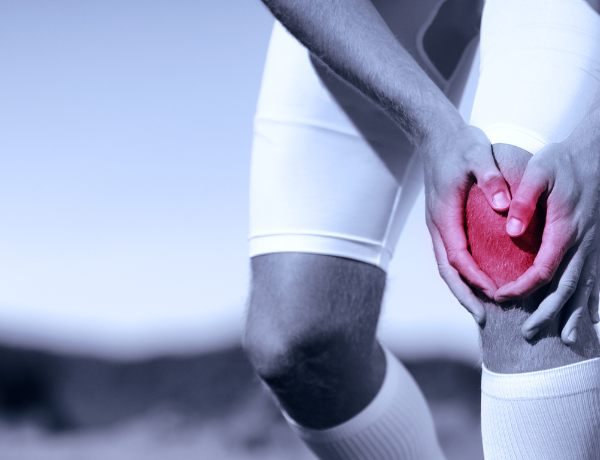
## **Patellofemoral Pain Syndrome (PFPS)**
Patellofemoral pain syndrome (PFPS) is knee pain around or under the kneecap. It’s a common cause of knee pain in female athletes. PFPS happens when there are imbalances in the forces controlling how the kneecap moves when you bend and straighten your knee. Symptoms include pain behind or around the kneecap, especially when running, squatting, or going up and down stairs. PFPS is more common in females compared to males.
You can usually treat PFPS at home with the RICE method. Firstly, ample rest would be the first thing to avoid activity that causes pain. Then, apply ice to your knee for about 20 minutes every three to four hours, making sure to wrap the ice pack in a towel or cloth to protect your skin. Additionally, use a compression bandage or wrap around your knee to reduce swelling, following instructions from your healthcare provider. Finally, elevate your knee above the level of your heart by propping it up with pillows, blankets, or cushions. These simple steps can help alleviate PFPS symptoms and promote healing.
## **Stress Fractures**
Female athletes, especially those involved in activities involving repetitive impact, are at a heightened risk of stress fractures, often occurring in weight-bearing bones like the tibia and metatarsals. Factors such as low bone density, hormonal imbalances, and inadequate nutrition can further increase this risk. To prevent stress fractures, it’s crucial to focus on proper nutrition, incorporate strength training to enhance bone density, and gradually ramp up training intensity. By addressing these factors, athletes can reduce their susceptibility to stress fractures and maintain optimal bone health for continued performance and well-being.
By understanding the unique physiological factors at play, implementing preventive measures, and adopting a proactive approach to health and well-being, women can take control of their health. Because resilience is not just about overcoming obstacles; it’s about growing despite them.
**Authored By Dr Bharani Kumar Dayanandam,MBBS,Orthopedic Surgeon**
### Share this:
- [ Share on X (Opens in new window) X](https://chennaiorthopaedics.com/blog/orthopaedic-issues-for-active-athletic-women/?share=twitter)
- [ Share on Facebook (Opens in new window) Facebook](https://chennaiorthopaedics.com/blog/orthopaedic-issues-for-active-athletic-women/?share=facebook)
-
**Categories:** Uncategorized
---
### [Stem cell treatment for rotator cuff injuries](https://chennaiorthopaedics.com/blog/stem-cell-treatment-for-rotator-cuff-injuries/)
**Published:** November 20, 2025
**Author:** suneethagdcs@gmail.com
**Content:**
The group of muscles and tendons that surround the human [shoulder joint](https://www.chennaiorthopaedics.com/shoulder-pain-treatment/shoulder-fracture-treatment) and keep the bone firmly in the [shoulder socket](https://www.chennaiorthopaedics.com/shoulder-pain-treatment) are, collectively, called the ‘rotator cuff.’
Injuries to the rotator cuff are surprisingly common, but are more likely to happen to people who have to perform repeated overhead movement of their arms.

While medication, physio-therapy and surgery are advised, depending on the severity of the injury, a new line of treatment involving stem cells has started getting serious consideration. While the older techniques have varying levels of success, the biggest problem, with the currently most popular; that is surgery; is that it is very hard to achieve good tendon to bone healing. This is where stem cell treatment is being considered.
Stem cells are the body’s raw materials. Under the right conditions these cells divide to form daughter cells, which themselves become more stem cells or specialized cells with very specific functions.
It has been observed that when introduced into a damaged joint, stem cells modify the joint’s environment from damaged to healing by telling the native cells to get ready for rebuilding.
In 2016 a group of Australian researchers published an academic paper confirming how this change of joint environment works. Stem cells provide a non-surgical healing environment by decreasing the muscle degeneration associated with rotator cuff injuries.
While stem cell therapy has shown great potential and a lot of research is going on all around the world, it is, in many institutions considered in its experimental phase.

However, advanced stem cell therapy and gene therapy, represent a viable future option in rotator cuff healing.
***Blog Reviewed By: [Dr. Bharani Kumar Dayanandam](https://www.chennaiorthopaedics.com/best-arthroscopic-surgeon)***
***Mail Us : <info.chennaiortho.com@gmail.com>***
***Book Your Appointment Here : [chennaiorthopaedics.com/book-appointment](https://www.chennaiorthopaedics.com/book-appointment)***
[Authored By Dr Bharani Kumar Dayanandam,MBBS,Orthopedic Surgeon](https://www.chennaiorthopaedics.com/best-arthroscopic-surgeon)
### Share this:
- [ Share on X (Opens in new window) X](https://chennaiorthopaedics.com/blog/stem-cell-treatment-for-rotator-cuff-injuries/?share=twitter)
- [ Share on Facebook (Opens in new window) Facebook](https://chennaiorthopaedics.com/blog/stem-cell-treatment-for-rotator-cuff-injuries/?share=facebook)
-
**Categories:** Uncategorized
---
## Pages
### [Arthroscopic surgery for Rotator cuff tear](https://chennaiorthopaedics.com/shoulder-treatments/arthroscopic-surgery-for-rotator-cuff-tear/)
**Published:** November 6, 2025
**Author:** anjujosephgdcs@gmail.com
**Content:**
## Arthroscopic Shoulder Surgery for Rotator Cuff Injury
The shoulder is the most flexible joint in our body and it is used for all types of hand movements like rotating, working, cooking, lifting things, raising arms and all the daily activities. The shoulder joints are connected by a group of 4 muscles and their tendons called the rotator cuffs, which help the work be smooth and flexible. These muscles keep the upper arm bone (humerus) attached to your shoulder blade (scapula) and provide stability and mobility.
But sometimes these rotator cuff muscles may face injuries or damage because of overuse or intense sports activities like throwing or lifting or due to ageing. As a result, the cuff muscles get torn and won’t be able to heal well with medications or physical exercises. You will have severe pain and won’t be able to move your arms at all. In such situations your doctor might advise you to get a cuff repair.
## What is Arthroscopic Rotator Cuff Repair?
Rotator cuff repair becomes a necessity when the tendons are torn or extremely injured. If your rotator cuff doesn’t respond to non-surgical treatments like medications, or you have severe shoulder pain while losing mobility, then surgery becomes mandatory to repair it.
There are two ways in which cuff repairs are done, either by [arthroscopy](https://chennaiorthopaedics.com/shoulder-treatments/arthroscopic-surgery-for-shoulder-instability/) or through open surgery. We are looking at the arthroscopic way to repair rotator cuffs. For large injuries where the tears cannot be repaired, the surgeon does an SCR (superior capsular reconstruction) where a tissue graft is used to reconstruct the superior capsule of the shoulder.
Arthroscopic methods are very popular among orthopaedic surgeons nowadays, as they involve only minimal incisions and inserting a camera to find out the actual issue on screen. With the clear visuals from the camera on an external screen, the repairs are performed by the doctor using surgical tools. The doctor also uses methods like tendon transfer or in severe cases, the patient would need a [reverse total shoulder replacement.](https://chennaiorthopaedics.com/shoulder-treatments/primary-and-reverse-total-shoulder-arthroplasty/)
Arthroscopic rotator cuff repair involves arthroscopy performed in the shoulder joints. A surgery done this way would help your shoulder get complete relief from pain in the joints and heal the rotator cuff tears.
[Dr. Bharani Kumar Dayanandam](https://chennaiorthopaedics.com/best-arthroscopic-surgeon/) is a well-regarded orthopaedic surgeon at Chennai Orthopaedics and brings with him over 21 years of experience and expertise in shoulder surgeries, especially the arthroscopic rotator cuff repair.
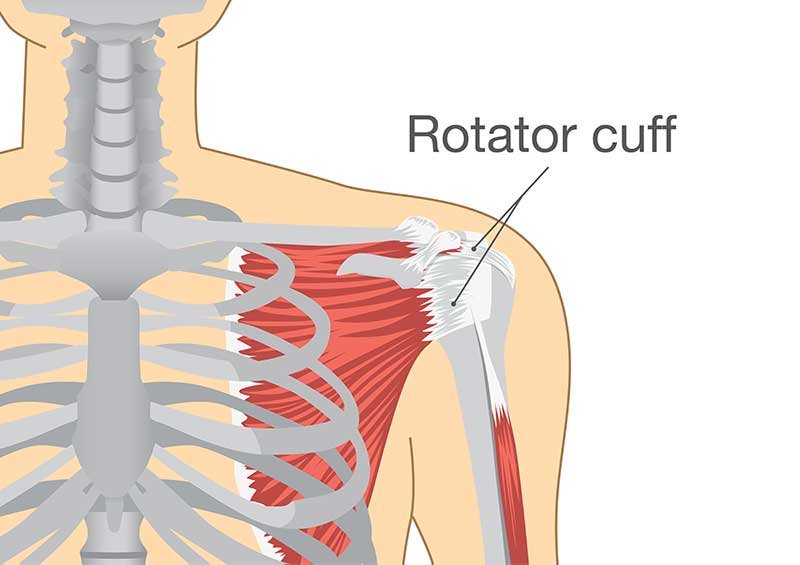
## Common Causes of Rotator Cuff Tears
The rotator cuff might get injured due to various reasons. They could be due to overuse of your shoulders in your job, accident, intense hand use in sports like cricket, tennis, etc., or age-related degeneration of muscles. Either way, your tendons might face a tear, causing an extreme condition which would need medical intervention.
While the common causes are due to the above-mentioned issues, the major causes are[ shoulder dislocations](https://chennaiorthopaedics.com/shoulder-pain-treatment/shoulder-dislocation-treatment/) or any other traumatic injuries. If it is not given timely treatment, it may cause severe pain, loss of strength and degenerative issues.
## Why Choose Arthroscopic Surgery for Rotator Cuff Tears?
Rotator cuff tears are usually mechanical concerns and medications might not help a patient to a great extent except for giving sudden [pain relief](https://chennaiorthopaedics.com/shoulder-pain-treatment/pain-and-swelling-in-shoulder/). But the problem keeps continuing; hence, surgical correction is the only option to repair cuff tears.
However, in some cases steroids may be administered when the pain becomes unbearable, but it comes with its own risks.
If you have a constant pain in your shoulders, there might be a chance that the tendons are torn and might never heal with medications. In those situations you must be recommended to get a surgery.
Arthroscopic surgery is a very reliable and minimally invasive procedure where only small surgical instruments are used to repair the damage. Hence, you will have only minimal pain, or cuts, or sutures involved, unlike open surgery.
## Benefits of Arthroscopic Surgery for Rotator Cuff Tears
There are a lot of benefits from arthroscopic shoulder surgery, like
- It is minimally invasive and involves very small cuts and quicker healing.
- There is very little pain and scarring, as it doesn’t disturb any surrounding tissues.
- Fast recovery with a quick return to your normal routine.
- Very less risk of infections or other complications, unlike traditional surgery.
- Less [joint stiffness](https://chennaiorthopaedics.com/shoulder-pain-treatment/stiff-and-swollen-shoulder/)
## The Procedure – How Arthroscopic Rotator Cuff Repair is Performed
### Before the procedure
Like in any surgical procedure, the doctor will evaluate your concerns in detail and check your medical history and whether you are taking any medications.
Once the evaluation is done, you will be given specific guidelines, like getting your blood work done, a chest X-ray and an ECG. Some patients would need an MRI scan to evaluate the severity of the damage. You might have to stop eating and drinking some hours before the surgery as recommended by your doctor.
### During the procedure
- Just before beginning the procedure, the patient will be given general or regional anaesthesia.
- The patient will be made to lie on their side or a beach chair position. The shoulder in which the surgery is done will be facing the doctor. One or more small incisions will be made on the skin of the shoulder joint.
- The [arthroscope](https://chennaiorthopaedics.com/shoulder-treatments/arthroscopic-surgery-for-shoulder-instability/) will be inserted through those cuts. The doctor will be able to view the inside of the area on the computer screen in the operating room.
- Small surgical instruments will be inserted into the cut and the injured tissue or damaged parts of the tendon will be removed.
- The remaining tendon parts are stitched together without damaging nerves or blood vessels.
- The torn tendons should be reattached to the bone, and it is done with the help of a suture anchor.
- With that the procedure gets over, and the incisions are closed, and bandages are applied to cover them to prevent infections and help fast healing.
## Who Should Consider an Arthroscopic Rotator Cuff Repair?
**You might be a good candidate for arthroscopic shoulder surgery if**
- You have had shoulder pain for more than six months and failed to respond to physiotherapy.
- Your shoulder movements are restricted.
- Your daily activities get severely affected.
- You have lost strength in your shoulders.
- You have large tears that are difficult to heal naturally.
- You had an open surgery earlier but tendons got torn.
## What to Expect After Surgery?
Once the surgery is over, your shoulder will be kept in a sling to stop moving the same. Pain and inflammation management will be done through non-steroidal drugs. Most [arthroscopic](https://chennaiorthopaedics.com/shoulder-treatments/arthroscopic-surgery-for-shoulder-instability/) procedures are done in an outpatient category and will be done within 1-2 hours depending on the size and severity of the injury. The patients will be able to return home the same day after some time.
The pain might persist for some days and the medications will have to be continued as per the doctor’s instructions. Ice applications are also usually recommended to reduce [swelling or pain](https://chennaiorthopaedics.com/shoulder-pain-treatment/pain-and-swelling-in-shoulder/). It is very important to adhere to the guidelines given by your doctor about aftercare measures. The recovery period might range from weeks to months.
## Why Choose Dr. Bharani Kumar Dayanandam for Arthroscopic Rotator Cuff Repair?
[Dr. Bharani Kumar Dayanandam](https://chennaiorthopaedics.com/best-arthroscopic-surgeon/) is a well-known orthopaedic surgeon and trauma consultant at Chennai Orthopaedics and brings with him over 26 years of experience in arthroscopic rotator cuff repair. He is also an expert in arthroscopic knee joint surgeries, ACL/PCL/MCL, meniscus implants, patella realignments, joint arthroplasty, osteotomy, and shoulder stabilisation.
Apart from being an MBBS graduate, Dr. Bharani Kumar is also an Associate Fellow (AFRCSI) of the Royal College of Surgeons, Ireland. He did an AFRCSI in 2001 and also achieved a Diploma in Orthopaedic Engineering from the University of Cardiff, Wales, in 2004. He also did an FRCS in Trauma and Orthopaedics in 2010 as well.
If you are looking for the best shoulder surgeon in Chennai for arthroscopic rotator cuff repair, then Dr. Bharani Kumar Dayanandam is the trusted choice.
## FAQs
****What is arthroscopic rotator cuff repair?****
It is a very minimally invasive surgical procedure that makes use of only small incisions and a camera to repair the damaged or torn shoulder tendons.
****How long does it take to recover from rotator cuff surgery?****
Normally a recovery from rotator cuff surgery takes around 3-6 months. But it depends on the type of damage and its severity with the rehabilitation response.
****How much does rotator cuff surgery cost in Chennai?****
Ideally the costs for rotator cuff surgery in Chennai range from Rs 80,000 to Rs 2,50,000 but they vary substantially in different hospitals due to several factors.
****What are the benefits of arthroscopic rotator cuff repair?****
The benefits include fewer cuts, less scarring or pain and faster healing with an improved functioning shoulder.
****When should I consider rotator cuff surgery?****
If you have severe pain, loss of strength, are not able to move or lift your hands overhead, or show no improvement with medicines or physiotherapy, then you might be recommended to undergo the surgery.
---
### [Wrist Ailments](https://chennaiorthopaedics.com/wrist-pain-treatment/)
**Published:** November 11, 2025
**Author:** anjujosephgdcs@gmail.com
**Content:**
The wrist is one of the most complex joints of our body that connects the hand to the forearm. It contains eight small bones known as carpals, their associated ligaments, surrounding tendons and nerves that support the function of the hand and fingers. Any damage to any of these structures can cause [wrist ailments](https://chennaiorthopaedics.com/wrist-pain-treatment/pain-and-swelling-in-wrist) that can affect an individual’s ability to use his wrist and hand.
## **Causes of Wrist Ailments**
Wrist problems can occur due to a variety of reasons including:
- A sudden (acute) injury may occur due to
- fall on an outstretched hand
- a direct blow to the hand or wrist
- abnormal twisting or bending of the wrist
- Repetitive wrist motion like hitting a tennis ball or driving a car for hours on end without a break
- Manual labour and playing sports like cricket, throw ball etc.
- Wear and tear of the joint due to overdoing of an activity or through repetition of an activity
- Forceful twisting or rotating the wrist beyond the normal range of motion
- Excessive strain on the wrist
- Different types of arthritis (inflammation of joints and tissues) like osteoarthritis, rheumatoid arthritis, post-traumatic arthritis etc.
- Other disorders like Carpal tunnel syndrome, ganglion cysts, Kienbock’s disease etc.
## **Symptoms of Wrist Ailments**
The symptoms of wrist ailments depend upon the disorder and its extent (acute or chronic), But in the majority of the cases, the patient complains of the following problems associated with the wrist joint:
- [Pain](https://chennaiorthopaedics.com/wrist-pain-treatment/pain-and-swelling-in-wrist/) in the wrist joint with or without movement
- Pricking sensation in the wrist (carpal tunnel syndrome)
- Inability to move the wrist
- Swelling of the joint
- [Stiffness ](https://chennaiorthopaedics.com/wrist-pain-treatment/stiff-and-swollen-wrist/)in the joint
- Numbness or tingling sensation in the wrist
- Weakness in the joint that makes it unable to move
- Warmth in the join
- Limping
- Restricted physical activity
- Bruising
- Loud popping sounds
These are just common symptoms but the patient may have other symptoms too that should not be ignored as wrist joint is one of the most important joints of our body. So anything that is not normal or is causing discomfort should be discussed with the doctor and treated accordingly.
## **Diagnosis of Wrist Ailments**
The diagnosis of wrist ailments starts with a complete medical history of the patient. It is also required to consider family history of joint pains as some of these disorders run in families. This is followed by thorough physical examination of the joint to find any visible signs and assess its level of activity. In addition to these following diagnostic tests are almost always required to conclude the disorder:
- X-ray
- Ultrasound
- Bone scan
- CAT scan
- MRI
- Arthroscopy
- Biopsy
## **Treatment of Wrist Ailments**
Treatment of wrist problems specifically depends upon the cause and extent of disorder. It is required to first evaluate the damage that has already occurred and simultaneously start the treatment that would prevent further damage. Treatment may include some of the following:
- Medication: Oral or injectable medicines are given to reduce pain, swelling and inflammation e.g. NSAIDs (nonsteroidal anti-inflammatory drugs).
- Physical therapy: Various types of exercises and activities are advised to the patient so as to improve the joint movement and strength.
- Compression bandage: Wearing compression bandages or casts to immobilize the wrist joint.
- Cortisone (steroid) injections: These are given to reduce pain and swelling.
- Surgery: In cases of severely damaged wrist joint that cannot be managed by any of the conservative ways, surgery can prove to be beneficial for the patient.
[ Authored by Dr Bharani Kumar Dayanandam, MBBS, Orthopaedic Surgeon](https://www.chennaiorthopaedics.com/best-arthroscopic-surgeon)
---
### [Elbow Fracture Treatment and Surgery in Chennai](https://chennaiorthopaedics.com/elbow-pain-treatment/elbow-fracture-treatment/)
**Published:** November 12, 2025
**Author:** suneethagdcs@gmail.com
**Content:**
An [elbow fracture ](https://chennaiorthopaedics.com/elbow-pain-treatment/)means one or more of the bones making up the elbow joint has broken. Depending on exactly where that break sits, it can make it hard to bend, straighten, or even rotate your arm. Plenty of fractures heal just fine with a sling, splint, medication, and some structured rehab. Others do not if the bone has shifted out of place, surgery is usually what gets it back into proper alignment. Dr. Bharani Kumar Dayanandam, an [elbow fracture doctor in Chennai](https://chennaiorthopaedics.com/), looks at each case on its own terms before deciding what is actually needed.
## **Book an Appointment for Elbow Fracture Treatment in Chennai**
## **What Is an Elbow Fracture?**
Put simply, an elbow fracture is a break in one or more bones that form the elbow joint. It usually happens after a fall, a direct hit, a sports injury, or a road accident.
Three bones come together at the elbow the humerus, radius, and ulna. Break any one of them, and bending, straightening, or rotating the arm can become genuinely difficult, depending on where exactly the fracture sits and how bad it is.

## **What Are the Main Elbow Fracture Types?**
These fractures get classified by which bone broke and where. And that classification matters a lot — it is what tells the doctor whether non-surgical care will do the job, or whether surgery is the better route.
**Olecranon Fracture** — This is the bony point at the back of your elbow, the part that hits the table when you lean on it. Usually breaks from falling straight onto it. Makes up around 10% of all elbow fractures.
**Radial Head and Radial Neck Fracture** — Involves the upper part of the radius, typically from falling onto an outstretched hand. This one is actually the most common elbow fracture in adults roughly a third of all elbow fractures fall into this category.
**Distal Humerus Fracture** — Happens at the lower end of the upper arm bone, and can involve the joint itself.
**Coronoid Fracture** — The coronoid process is a small piece that helps keep the elbow stable. When it fractures, it is often alongside a dislocation, not on its own.
**Elbow Fracture-Dislocation** — A fracture combined with the joint actually coming out of place. This one needs urgent attention, since the joint can be genuinely unstable.
## **What Causes an Elbow Fracture?**
Mostly, it comes down to sudden impact or force on the elbow:
- Falling directly onto the elbow
- Falling onto an outstretched hand
- Road traffic accidents
- Sports injuries
- Workplace injuries
- A fall from height
- A direct blow to the elbow
- Weaker bones in older adults, which means even a small fall can cause a fracture
## **What Are the Symptoms of an Elbow Fracture?**
Pain, swelling, bruising, and trouble moving the elbow are the usual giveaways, though how bad they are depends on the fracture itself.
- Sudden pain right after the injury
- Swelling and bruising
- Trouble bending or straightening the arm
- Pain when rotating the forearm
- Tenderness
- Visible deformity
- Numbness or tingling
- Weakness in the hand or fingers
- In severe cases, an open wound or visible bone
### **When Should You Seek Emergency Care?**
Some elbow injuries genuinely cannot wait nerves, blood vessels, skin, or the joint itself could be involved. Get to emergency care if you notice:
- Visible deformity
- Bone breaking through the skin
- Heavy bleeding
- Cold, pale, or blue fingers
- Loss of feeling, or trouble moving the fingers
- Severe swelling
- An injury from a major accident
## **Seek Immediate Elbow Injury Treatment in Chennai**
### **How Is an Elbow Fracture Diagnosed?**
Usually it starts with a physical exam and an X-ray. A CT scan gets added in for more complex fractures, or before surgery.
The doctor checks for swelling, tenderness, deformity, joint movement, sensation, and blood flow to the hand. X-rays pin down where exactly the fracture is and whether anything has shifted. For trickier cases, a CT scan fills in detail an X-ray just cannot show. The wrist, shoulder, ligaments, and nerves often get a look too, since elbow injuries rarely happen in complete isolation.
### **Does Every Elbow Fracture Need Surgery?**
No — not every elbow fracture needs an operation.
Fractures that are stable and have not shifted much tend to heal fine on their own. Surgery comes into play once the bones have moved out of place, the joint is unstable, the fracture is open, or there are several fragments to deal with. What actually decides this: the fracture type, how much it is displaced, joint stability, whether it is open or closed, any nerve or vessel involvement, the patient’s age, bone quality, an associated dislocation, and what the person actually needs to do day to day.
### **Non-Surgical vs Surgical Treatment**
| **Approach** | **When It Is Used** | **What It Involves** |
|---|---|---|
| Non-surgical | Stable, aligned fractures | Sling/splint, medication, ice, follow-up X-rays, physiotherapy |
| Surgical | Displaced, unstable, or open fractures | ORIF, radial head fixation or replacement, external fixation |
### **When Is Elbow Fracture Surgery Required?**
Surgery tends to be the call when:
- The bones have shifted out of position
- The joint surface itself is affected
- The elbow is unstable
- There are multiple bone fragments
- The fracture is paired with a dislocation
- Bone has broken through the skin
- Nerves or blood vessels are hurt
- A splint just cannot hold the fracture where it needs to be
## **What Are the Types of Elbow Fracture Surgery?**
- **Open Reduction and Internal Fixation (ORIF)** — The bones get repositioned, then held together with plates, screws, or wires.
- **Radial Head Fixation** — Select radial head fractures get repaired with screws.
- **Radial Head Replacement** — Comes into play when the radial head is too damaged to fix.
- **External Fixation** — Reserved for severe, open, or very unstable fractures.
- **Ligament Repair** — Added on when instability or dislocation comes along with the fracture.
### **Recovery After Surgery and Healing Timeline**
Initial bone healing usually takes around six to eight weeks. Full recovery, though, can stretch into several months especially with more complex fractures or after surgery.
How long it actually takes comes down to the fracture type, its severity, whether surgery was needed, the patient’s age and bone health, smoking, any associated injuries, and how consistently physiotherapy and follow-ups get kept up.
- **Weeks 1–2:** Pain control, bringing down swelling, immobilisation, wound checks
- **Weeks 2–6:** Controlled movement might start, depending on stability
- **Weeks 6–12:** Bone healing keeps improving, physiotherapy shifts toward range-of-motion work
- **Months 3–6:** Gradual return to normal activities, work, and select sports
### **What Complications Can Occur?**
Most fractures heal well with proper care, but severe or complex injuries can lead to stiffness, reduced movement, ongoing pain or weakness, delayed healing, bone that does not heal right (or heals crooked), joint instability, nerve injury, infection, or arthritis showing up later down the line.
### **How Can Elbow Stiffness Be Reduced?**
Movement should only really start once the fracture is stable and a doctor has given the go-ahead. What genuinely helps sticking to movement guidance, attending physiotherapy, doing home exercises regularly, not lifting too soon, keeping up with follow-ups, and flagging any spike in pain or swelling right away rather than waiting it out.
### **Why Choose an Elbow Fracture Doctor in Chennai?**
Dr. Bharani Kumar Dayanandam builds treatment decisions around the specific fracture pattern, imaging findings, elbow stability, bone quality, age, and what the patient actually needs functionally not a fixed approach applied to everyone the same way. That covers detailed evaluation, non-surgical options, fixation surgery where it is needed, follow-up imaging, and rehab guidance for more complex injuries, with consultations available across Vadapalani, Vanagaram, Perambur, and Old Washermenpet.
**[Consult an Elbow Fracture Orthopaedic Surgeon in Chennai](https://chennaiorthopaedics.com/contact-us/)**
## **Frequently Asked Questions**
**Can an elbow fracture heal without surgery?**
Stable, minimally displaced fractures often heal fine without surgery. Unstable or displaced ones may need fixation.
**Does every elbow fracture need surgery?**
No. It comes down to displacement, joint stability, whether it is open, and how many fragments are involved.
**How long does an elbow fracture take to heal?**
Initial healing generally takes six to eight weeks; full recovery can run longer.
**What is the fractured elbow recovery time?**
Varies quite a bit — depends on fracture type, treatment, age, bone health, and how consistent rehab is.
**Can I move my elbow after a fracture?**
Depends on how stable it is. Always follow your doctor’s specific guidance here rather than guessing.
**How is an elbow fracture diagnosed?**
A physical exam plus an X-ray, with a CT scan added for complex cases.
**What are the symptoms of an elbow fracture?**
Pain, swelling, bruising, restricted movement, sometimes visible deformity.
**When is fixation surgery needed?**
For fractures that are displaced, unstable, involve the joint, or are open.
**Can an elbow fracture cause permanent stiffness?**
It can, especially after complex injuries — though timely treatment and rehab genuinely help.
**When can I return to work after an elbow fracture?**
Depends on the job. Desk work, manual work, and heavy lifting all follow different timelines.
## **Book an Appointment for Elbow Fracture Treatment in Chennai**
Dealing with severe pain, swelling, deformity, numbness, or restricted movement after an elbow injury? Do not wait it out. Dr. Bharani Kumar Dayanandam offers elbow fracture treatment and surgery in Chennai, from diagnosis right through to recovery.
**[Book an Elbow Fracture Consultation \| Speak to an Elbow Fracture Doctor in Chennai](https://chennaiorthopaedics.com/contact-us/)**
---
### **Dr. Bharani Kumar Dayanandam – Elbow Fracture Orthopaedic Surgeon in Chennai**
- **Specialisation:** Orthopaedic Surgery, Trauma and Fracture Care
- **Consultation Locations:** Vadapalani, Vanagaram, Perambur, Old Washermenpet, Chennai
- **Appointment Number:** [+91 882 588 1253](tel:918825881253)
---
### [Best Knee Fracture Treatment in Chennai | Chennai Orthopaedics](https://chennaiorthopaedics.com/knee-pain-treatments/knee-fracture-treatment/)
**Published:** November 10, 2025
**Author:** anjujosephgdcs@gmail.com
**Content:**
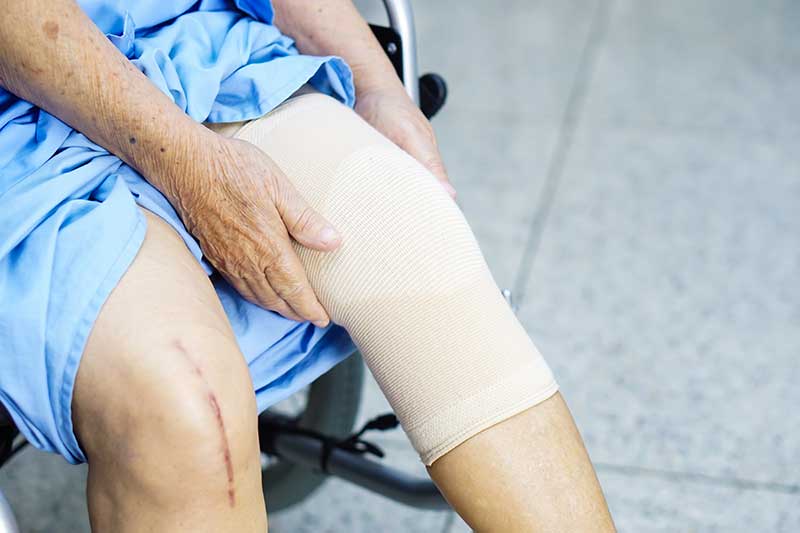
A knee fracture is a break in one of the bones that make up the knee — usually the kneecap, the lower thighbone, or the top of the shinbone. It rarely takes much. A hard fall, a road accident, a bad landing on the field, or in older adults, sometimes just a routine slip. Treatment depends entirely on how bad the break is. Some fractures heal fine with a brace and time. Others need surgery to put things back in place. Getting it looked at early changes how the knee ends up functioning.
## **What Is Knee Bone Fracture Treatment?**
Treatment starts with figuring out what’s broken, usually through X-rays or a CT scan. From there it splits two ways — bracing and rest for stable fractures, surgery for anything displaced or complex. Either path is followed by rehab, since the bone healing is only half the job. Getting strength and movement back takes real, structured work afterward.
## **What Is a Knee Bone Fracture?**
Three bones meet at the knee the patella, the distal femur, and the tibial plateau. A fracture means one of them has cracked or broken, and how serious that is comes down to location, whether it’s shifted out of place, and whether the skin’s been broken too. Some fractures are barely more than a hairline crack. Others shatter the bone into pieces and need far more involved care.
## **Types of Knee Fractures**
**Patella Fracture Treatment**
Usually caused by a direct hit falling straight onto the knee, or the impact of a car accident. Pain hits fast, swelling follows, and straightening the leg becomes genuinely hard. An X-ray confirms it. If the pieces haven’t shifted, a brace often does the job. If they have, surgery realigns and secures things. Recovery runs anywhere from a few weeks to a few months.
**Tibial Plateau Fracture Treatment**
This affects the top of the shinbone, right at the joint. High-impact trauma is the usual cause — accidents, falls from height, heavy direct force. Severity varies a lot here, from a simple crack to a break that caves the bone surface in. Treatment follows suit, from bracing on the mild end to surgical fixation when the joint surface itself is disrupted.
**Distal Femur Fracture Treatment**
This one involves the lower thighbone, just above the knee. Significant trauma is the typical cause, though older patients with weaker bone can fracture it from far less. Imaging maps out how the break runs. Surgery is common here, since this area carries real weight and needs to heal aligned properly to avoid long term joint issues.
### **Knee Fracture Symptoms**
Sharp, severe pain. Swelling that comes on fast. Bruising, often visible. Walking becomes hard, sometimes impossible. Many can’t straighten the [knee](https://chennaiorthopaedics.com/knee-ailments/) at all. More serious breaks can bring visible deformity, a locking feeling, or a knee that just doesn’t feel stable under weight.
### **What Causes a Knee Fracture?**
Road accidents top the list, given the forces involved. Falls come next, especially for older adults. Sports injuries account for a good share too, particularly anything involving sudden impact. Osteoporosis weakens bone enough that minor trauma can fracture it, and any hard, direct blow to the knee carries risk regardless of age.
### **Risk Factors for Knee Bone Fractures**
Bone density drops with age, so older adults face more risk. Athletes take on risk through repeated impact. Anyone with weaker bones, prior fractures, or osteoporosis is more vulnerable sometimes to falls that wouldn’t otherwise cause any damage.
### **Knee Fracture Diagnosis**
It starts with a physical exam checking swelling, tenderness, movement, how the knee handles weight. An X-ray usually confirms the fracture from there. For more detail, especially with complex breaks, a CT scan or MRI often follows. A bone scan gets used occasionally when other imaging doesn’t tell the full story.
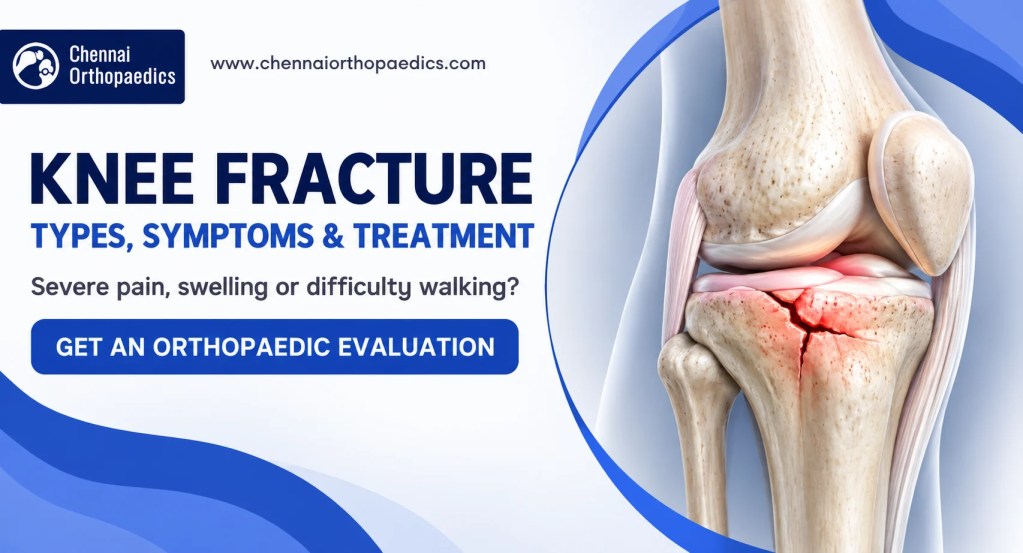
## **Knee Bone Fracture Treatment Options**
Treatment isn’t uniform. It depends on which bone broke, how displaced it is, and the patient’s overall health.
**Non-Surgical Knee Fracture Treatment**
Stable, non-displaced fractures often just need a brace or cast to hold things in place while healing happens. Rest, ice for the swelling, pain medication, and modified activity round out the rest.
**Knee Fracture Surgery**
More complex breaks usually need fixation — ORIF, where plates and screws hold the bone in position, is common. Pins or tension band wiring show up in certain patella fractures. If bone’s been lost or badly fragmented, grafting may be added to support healing.
**Can a Knee Fracture Heal Without Surgery?**
Often, yes. Stable fractures, hairline cracks, and breaks that haven’t shifted out of alignment tend to heal well with bracing alone. Surgery becomes necessary mainly when fragments have moved, the joint surface itself is affected, or the fracture has broken through the skin.
## **Recovery After Knee Fracture Surgery**
Recovery moves in stages. Week one is mostly about pain control and protecting the knee. Weeks two through four bring early, guided movement. By week six, weight-bearing usually starts progressing. At three months, most patients are walking with far more confidence. By six months, many are close to normal activity though this varies a lot depending on how bad the break was and how the body responds.
## **Knee Fracture Rehabilitation Guide**
This is where the real work happens. Weight-bearing gets introduced gradually so the healing bone isn’t stressed too soon. Physiotherapy rebuilds muscle strength around the knee, restores range of motion, and retrains balance. Walking comes first, stair climbing follows as strength improves. Returning to work depends on the job itself, and sports take longer still, since that demands the knee handle much higher stress reliably.
### **Possible Complications of an Untreated Knee Fracture**
Skip treatment, or under-treat it, and the risks stack up. Arthritis can set into the joint over time. Chronic pain and stiffness can become permanent. Bones can heal crooked (malunion) or fail to heal at all (nonunion), both hurting long-term function. Mobility tends to suffer, and open fractures carry real infection risk without proper care early on.
### **Knee Fracture Prevention Tips**
Regular exercise keeps bones and the muscles supporting them strong. Bone health matters on its own too enough calcium, enough vitamin D, and some awareness of density as the years go on. Fall prevention at home helps older adults specifically. Athletes benefit from proper protective gear during high-impact sports.
### **Foods That Help Bone Fracture Healing**
Healing bone needs the right materials. Protein supports tissue repair broadly. Calcium and vitamin D drive bone formation directly. Vitamin C supports the collagen bone needs to rebuild. Zinc and magnesium play supporting roles, and staying hydrated helps the whole process along.
## **Why Choose Dr. Bharani Kumar for Knee Fracture Treatment in Chennai?**
A cast alone isn’t always the answer for a knee fracture. What actually matters is having someone who can look at the break, judge how serious it really is, and choose the right path from there not just default to the same approach for every case. Dr. Bharani Kumar at Chennai Orthopaedics has spent years handling trauma and fracture cases, and works with diagnostic tools that make timely, accurate decisions possible. Every plan gets built around the specific fracture sometimes surgical, sometimes not, sometimes a bit of both and rehab support carries through to the end.
## **Knee Fracture Treatment FAQs**
**What is a knee fracture?**
A break in one of the bones that make up the knee the kneecap, lower femur, or upper tibia. Can be as minor as a hairline crack or as serious as a complex, displaced break.
**What causes a knee fracture?**
Road accidents, falls, sports injuries, a direct hit to the knee, or bone weakened by osteoporosis the last of which means even a small impact can cause a fracture.
**What are the symptoms of a fractured knee?**
Sharp pain, swelling, bruising, trouble walking or straightening the leg. Sometimes there’s visible deformity, or the knee just feels unstable or like it’s locking up.
**Can I walk with a knee fracture?**
Depends how bad it is. Some stable fractures still allow a bit of weight-bearing; more serious ones make walking difficult, even risky, until treated.
**Is knee fracture surgery always necessary?**
No. Plenty of stable fractures heal fine with a brace and rest. Surgery comes into play mainly when the bone’s shifted or the joint surface itself is damaged.
**Which fractures heal without surgery?**
Hairline fractures and stable, non-displaced ones usually heal on their own with the right bracing and activity limits.
**How is a knee fracture diagnosed?**
Starts with a physical exam, then an X-ray. A CT or MRI might follow for more complicated fractures or to check soft tissue.
**What Is the Recovery Time for Knee Fractures?**
Depends on the fracture and how it’s treated could be a few weeks for something minor, or several months if surgery was involved.
**When can I climb stairs after knee fracture surgery?**
Gradually, as part of rehab, once the doctor’s cleared weight-bearing.
**When Can I Drive After Knee Fracture Surgery?**
Once the knee’s got enough strength and control to brake safely this gets judged case by case.
**When can I return to sports?**
Later in recovery, once the knee can actually take higher-impact stress without issue. Depends a lot on how severe the fracture was and how rehab’s going.
**What foods help Knee fracture healing?**
Protein, calcium, vitamin D, vitamin C, zinc, magnesium — and just staying hydrated.
**Is Physiotherapy Necessary for Knee Fractures?**
Yes, almost always. It’s what rebuilds strength, motion, and stability, and it matters a lot for how things turn out long term.
**What happens if a knee fracture is left untreated?**
Arthritis, chronic pain, stiffness, bone that heals wrong, reduced mobility — and if it’s an open fracture, a real risk of infection.
**How much does knee fracture treatment cost in Chennai?**
Depends on how severe it is, whether surgery’s needed, and the treatment plan overall — best to ask directly during consultation.
**Which doctor treats knee fractures?**
Orthopaedic specialists with trauma and fracture experience — Dr. Bharani Kumar at Chennai Orthopaedics is one.
**Is knee fracture surgery painful?**
Not during the procedure — that’s done under anaesthesia. Some soreness afterward is normal and gets managed with medication.
## **Book an Appointment for Knee Bone Fracture Treatment in Chennai**
Don’t wait this one out. Early diagnosis and the right treatment plan make a real difference in how the knee heals and works afterward. Dr. Bharani Kumar at [Chennai Orthopaedics ](https://chennaiorthopaedics.com/)offers care that follows through from diagnosis to full rehab. Schedule Your Consultation Today.
---
### [Shoulder Dislocation: Symptoms and Treatment in Chennai](https://chennaiorthopaedics.com/shoulder-pain-treatment/shoulder-dislocation-treatment/)
**Published:** November 6, 2025
**Author:** anjujosephgdcs@gmail.com
**Content:**
## SHOULDER DISLOCATION OVERVIEW
Your [shoulder joint](https://chennaiorthopaedics.com/shoulder-pain-treatment/) is the most active joint in your body, with which you can perform a wide range of motions, like rotating your arms, swinging them as fast as you can, reaching over your head or behind your back and more. You get a lot of freedom while working with your arms with the help of shoulder joints, but it can also cause dislocations when you least expect it. This results in shoulder instability, where you cannot move your joints anymore the way you want. Once you get a shoulder dislocation, there are high chances that you might get it again. Let us know more about the condition, why it happens and what treatments are available in Chennai for recurrent shoulder instability.

## **What Is Shoulder Dislocation?**
Your shoulder joint is a complex construction made by several structures, and it’s not just the bones involved. The joint involves muscles, tendons, and ligaments, along with the bones, to provide your arms with the ability to move freely. The bone that connects your trunk to the arm is the clavicle or collarbone. There is a bone called the shoulder blade that has a glenoid cavity for the humerus or the upper arm bone, to fit in. Next comes the humerus (the upper arm bone), and its top ball-like portion fits into the cavity; hence, the joint is called a ball-and-socket joint.
There are several muscles and ligaments as well as tendons attached to the bones for allowing effortless and flexible movements of your arms. During a severe injury or trauma, the ball of the upper arm bone might fall out partially (subluxation) or fully from the socket or the glenoid cavity. When this happens, the soft tissues will become very weak at keeping the joint in place and you get shoulder instability. If there are frequent injuries happening, then shoulder instability will become recurrent.
## **Why Shoulder Dislocation Happens**
Shoulder dislocations happen due to various reasons.
They may be due to
- Intense sports activities
- Repetitive strain
- Repeated overhead movements
- Hypermobility (loose ligaments)
- [Trauma](https://chennaiorthopaedics.com/shoulder-pain-treatment/shoulder-trauma/) or accidents
- Weak rotator cuff (shoulder muscles)
- Ligament or labrum tears
- Previous case of dislocation
- Falling on an outstretched arm
## **Symptoms of Shoulder Dislocation**
Some of the most common symptoms people get when they have a shoulder dislocation are:
- Excruciating pain
- Weakness
- Feeling of a loss of arm
- The shoulder is clearly showing as deformed or out of place.
- [Swelling](https://chennaiorthopaedics.com/shoulder-pain-treatment/pain-and-swelling-in-shoulder/)
- Discolouration
- Bruising
- Inability to make movement
- Muscle spasm
- Numbness or a tingling sensation in your arms, hands or fingers.
- Popping out shoulders recurrently due to instability.
## **When Should You See a Shoulder Specialist?**
There are some pains that people might ignore, by assuming that it will go on its own. Or some might rely on pain medications. When you don’t seem to get rid of the pain or any unusual experiences associated with the pain in your shoulders, you must seek medical attention.
Some who are sure to consider getting medical help are:
- If your shoulder dislocates repeatedly.
- If the pain lasts for more than 24 hours.
- If there is a numbness or feeling of weakness and emptiness.
- If you cannot lift your arm or rotate it.
- If your shoulder looks visibly deformed.
Timely medical attention might save a lot of complications.
## **Shoulder Dislocation Treatment in Chennai**
# SHOULDER DISLOCATION
If you think your shoulder has got dislocated, then wait no more to get immediate help from an orthopaedician. The treatments will be based on the problem faced by the patient.
Nonsurgical treatment involves:
**Closed Reduction** – Physically putting your arms back into the socket as per the natural anatomy. The doctor manually pushes the femur into the glenoid cavity and aligns your shoulder in the proper way. During this procedure a local anaesthesia might be given to numb the shoulder area.
**Immobilisation** – After the manual alignment, the doctor will recommend wearing a sling to ensure the injured shoulder is held together in place. It helps the patient heal and you will be asked to apply an ice pack to reduce swelling and pain.
**Medication** – Your doctor will prescribe you some medicines for pain management and it will be for a limited time only. You might have to stop it when your doctor asks to avoid any overdose effects.
**Rest** – Out of all the treatments given, taking rest is the major healer for a shoulder injury. You must avoid any physical activities that might be pressurising your arms or shoulders.
**Physiotherapy** – When the healing begins after the sling/immobilisation and rest phase, the doctor will recommend you light exercises to begin with. Later on, he will advance you towards strengthening exercises to make your shoulder strong and fully recovered. Some of the most important exercises will be targeted to strengthen the rotator cuff, stabilise the scapula and a variety of motion exercises.
## **Surgical Treatment Options (for Recurrent Instability)**
When the non-surgical options are tried and tested but with zero results, surgery becomes the only option to correct the shoulder injury and to prevent a recurrent dislocation.
The surgery type will depend on how severe the problem is and whether there are any other damages associated with the trauma or injury.
The surgical methods are usually done either arthroscopically or through an open surgery. Arthroscopy involves inserting a camera through small incisions made on the treatment area.
The important surgical procedures done for shoulder instability are
### **Bankart Repair**
As we know, the shoulder joint is like a ball-and-socket structure where the arm bone is fitted into the glenoid cavity, and there is a cartilage cushion that allows free movement of the joint. When this cartilage ring (labrum) gets damaged, your doctor might recommend an arthroscopic Bankart or labral repair.
### **SLAP Tear Repair**
In this[ injury](https://chennaiorthopaedics.com/shoulder-pain-treatment/shoulder-fracture-treatment/) the SLAP (superior labrum anterior & posterior) part of the labrum is damaged. This top area is where the tendon on the biceps attaches to the labrum. A SLAP tear happens from the anterior to the posterior of this attachment area. The tendon can also get damaged along with this in some cases. The repair is usually done through arthroscopy, where the torn parts are reattached to their proper places through suturing.
### **Capsular Tightening**
This is a method used to tighten the shoulder joint capsule and is usually done through an [arthroscope](https://chennaiorthopaedics.com/shoulder-treatments/arthroscopic-surgery-for-shoulder-instability/). The surgeon uses this method to tighten the capsule as well as ligaments to stabilise the unstable shoulder.
### **Latarjet Procedure**
This procedure is done in cases where the bone at the shoulder socket’s front portion gets chipped off because of recurrent dislocation episodes. Here the surgeon transfers a piece of bone and the tendon from a different part of your shoulder and then attaches them to the injured area. It is usually done as an open surgery. The Latarjet procedure usually prevents the shoulder from slipping.
These surgical treatments provide a lot of benefits, like prevention of recurrent dislocations while maintaining the shoulder stability; they enhance the strength of your shoulders and prevent any future damage.
## **Recovery & Rehabilitation After Treatment**
Recovery takes place properly if you take the right aftercare steps as recommended by your surgeon. The rehabilitation process restores function of your shoulder and protects the treated area. As it is a multiphased recovery, each step is designed to make the patient progress into the full recovery slowly and safely.
**Phase 1- immobilisation and healing (0-6 weeks)**
The patient is supposed to protect the surgical aftereffects and take good care to manage pain and swelling. During this stage the shoulder is often kept in a sling to prevent any big movements. This helps the healing process in a proper way. Pain medications will be provided and ice applications also will be suggested to manage [pain and swelling.](https://chennaiorthopaedics.com/shoulder-pain-treatment/pain-and-swelling-in-shoulder/)
**Phase 2 – Mobility restoration (6-12 weeks)**
There will be an increased range of motion in this phase, where your surgeon will recommend you do assisted exercises from a physiotherapist. This is to enhance your flexibility, as it was kept immobilised for a long time.
**Phase 3 – Strengthening (12-16 weeks)**
In this stage, the focus is more on shoulder strength improvement and making it more stable. The ROM activities will be further increased. You will be suggested isometric exercises, resistance training and exercises for scapular stabilisation.
**Phase 4 – Advanced Strength training (weeks 16-24)**
During this stage, a fully fledged strength and stability is focused on. You might be able to return to sports activities at this stage. There will be dynamic and functional exercises also with endurance training.
**Phase 5 – Return to Full Activity (6-12 months)**
This is the final recovery stage where you will be able to get full shoulder function and return to sports or other activities fully. However, your surgeon will be able to guide you through the proper precautions to take while performing certain types of activities. The physiotherapy will still continue till you reach the level of taking things under your control.
It is always recommended to actively participate in the physiotherapy and all the aftercare guidelines that you got from your surgeon for a full rehabilitation to happen. Always do the follow-up visits on time and any unusual sensations or anything that makes you uncomfortable should be reported to the doctor immediately.
## **Why Choose Shoulder Dislocation Treatment with Dr. Bharani Kumar in Chennai?**
[Dr. Bharani Kumar Dayanandam](https://chennaiorthopaedics.com/best-arthroscopic-surgeon/) is a leading trauma consultant and orthopaedic surgeon with over 26 years of experience in orthopaedic surgery related to knee and shoulder. He is an MBBS, AFRCSI, Dip in Orthopaedic Engineering (UK) and FRCS holder. He has got years of professional experience in orthopaedic treatments with senior doctors all over India and the UK. He is very popular among his patients and colleagues for offering compassionate care for all of his patients and giving them the exact treatment they need. His precision and individualised treatment methods heal the patients really well.
His fields of interest are arthroscopic knee surgery, ACL, PCL, and meniscal tear correction. Arthroscopic shoulder repair, rotator cuff repair, stabilisation and more. People feel terrible to get into a recurrent condition of shoulder dislocation and other discomforts. But thanks to Dr. Bharani Kumar’s phenomenal treatment approaches that heal the patient to the maximum and prevent them from coming to treatment for the same problems.
Being a specialist in arthroscopic shoulder surgery, he has a proven record of successful Bankart repair, SLAP tear repair, and shoulder stabilisation treatment.
## **FAQs**
**What is the best treatment for shoulder dislocation?**
There are both surgical and non-surgical options available for correcting shoulder dislocations, including closed reduction, ice therapy, immobilisation, etc., but when those fail, then surgery might be the only answer.
**How long does it take to recover from the dislocated shoulder?**
Usually the recovery takes a few weeks to many months but it depends on the severity of the injury, the age of the patient and how well they contribute to taking proper aftercare. If there are any associated damages like ligament tears or surrounding tissue injuries, it might take longer.
**Why does my shoulder keep popping out?**
Recurrent popping out of shoulders is due to severe shoulder instability. This happens when the ligaments are too stretched and have hyperlaxity. They could also occur because of weak rotator cuff muscles, any previous dislocations, or similar problems.
**Can shoulder dislocation heal without surgery?**
To put it short, it’s a yes. But it largely depends on the strength of the ligaments and tissues. The nonsurgical treatments include closed surgery, physiotherapy and immobilisation. But chances are that it may appear in the future too and then surgery becomes mandatory.
**Is arthroscopy good for recurrent shoulder instability?**
Yes, there are several kinds of arthroscopic procedures for shoulder instability, like the Bankart repair and SLAP tear repair, that restore the stability of the shoulder without causing much risk.
**How do I stop shoulder dislocation from recurring?**
You can prevent recurrence to an extent by avoiding risky activities, and by doing proper strength workouts the shoulder strength and stability can be increased, thus preventing the shoulder from giving in to any injuries.
---
### [Primary and Revision Total knee replacement Surgery](https://chennaiorthopaedics.com/knee-treatments/primary-and-revision-total-knee-replacement/)
**Published:** November 10, 2025
**Author:** anjujosephgdcs@gmail.com
**Content:**
## **Total Knee Replacement Surgery in Chennai**
### **Total Knee Replacement Surgery**
A total knee replacement or knee arthroplasty, is a common surgical procedure performed on patients with severe knee pain that limits their mobility caused by arthritis or injury. These advanced knee joint issues cannot be managed with medicine or physical therapy. The surgery involves removing all damaged cartilage and bone and replacing them with an artificial joint made of metal and plastic components.
Dr. Bharanikumar is among the best in all places associated with [**knee replacement surgery** **in Chennai**](https://chennaiorthopaedics.com/knee-treatments/partial-knee-replacement). His extensive experience and success in performing total knee replacement surgery have earned him the repute of being one of the best doctors for knee replacement. Advanced surgical techniques and patient-centric approaches made him successfully assist many patients in overcoming devastating knee pain.
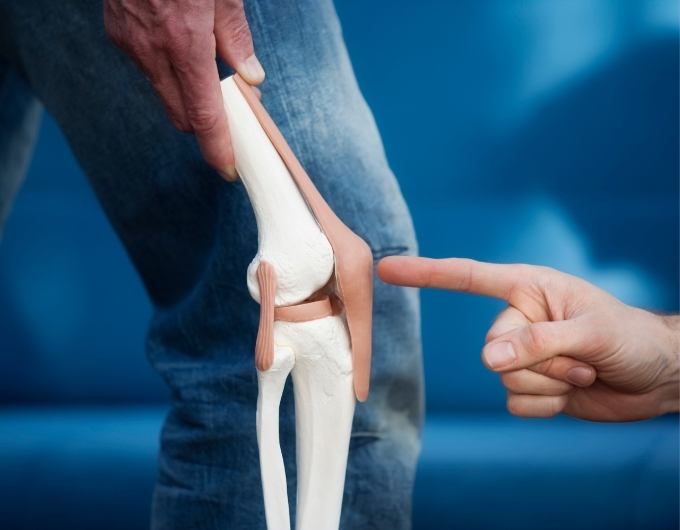
## **What is Total Knee Replacement Surgery?**
A procedure known as [total knee arthroplasty](https://chennaiorthopaedics.com/knee-treatments/arthroscopic-knee-surgery-for-acl-pcl), or total knee replacement surgery replaces the damaged surfaces of the knee joint with artificial components. The surgery is recommended for patients suffering from severe arthritis, especially osteoarthritis, or significant knee joint damage due to injury or degenerative conditions. When the cartilage that cushions the bones in the knee wears away, bones may begin to rub against each other, causing pain, swelling, and restricted movement.
A primary total knee replacement involves the complete replacement of the entire knee joint with a prosthetic, usually made from metal, plastic, or ceramic material. It nearly replicates the movement of a natural knee. So, that results in significantly reduced pain and improves the patient’s ability to move. Doctors typically recommend knee joint replacement when other treatments, such as medication, physical therapy, or less invasive surgeries, have failed to relieve pain or improve mobility.
## **When is Revision Knee Replacement Needed?**
A revision knee surgery becomes necessary when a previously implanted knee replacement begins to fail or causes severe discomfort. Even though a primary total knee replacement is meant to last for many years, some circumstances may require a second surgery known as revision total knee replacement. This procedure replaces a knee replacement that has become loose, worn out or shifted. These issues may occur due to infection, degradation from normal wear and tear, or problems that developed after the initial surgery.
## **Common reasons for needing revision knee surgery include:**
- Implant wear and tear over time
- Instability or loosening of the implant
- Infection around the joint
- Continuous or significant pain after primary surgery
- Stiffness or decreased range of movements of the joint
Revision knee surgery often results in a much more complicated process than the initial surgery and requires a very experienced surgeon to ensure proper correction and restoration of knee function.
## **Primary vs. Revision Knee Replacement Surgery**
Both **[total knee replacement](https://chennaiorthopaedics.com/blog/knee-replacement-surgery-cost-chennai/ "total knee replacement")** and revision knee surgery procedures aim to restore the knee’s functions and make it free from pain, however, each possesses many differences concerning complexity, duration, and recovery.
### **Primary Total Knee Replacement:**

A primary total knee replacement is a first-time surgery where the damaged parts of the knee joint are replaced with artificial components. It is typically a well-planned procedure with a high success rate, often lasting 15-20 years. Recovery from primary surgery usually takes several weeks, during which patients undergo physical therapy to regain strength and mobility.
### **Revision Knee Replacement:**
A revision knee surgery procedure is performed when the initial knee replacement has failed or is causing issues due to various reasons, such as pain, instability, or infection. It is a more complex procedure because the surgeon has to remove the old implant, assess the bone and tissue surrounding it, and then have to place a new prosthetic joint. Surgeons commonly face difficulties such as bone loss, scar tissue, or joint instability during this procedure.
[**Book Your Knee Surgery Consultation Today!**](https://chennaiorthopaedics.com/contact-us)
### **Key Differences:**
Complexity: Revision surgery is more complex due to factors such as bone deterioration, scarring, or previous surgeries. It requires specialized techniques and planning compared to primary knee replacement.
**Duration**: Revision surgery often takes longer than a primary knee replacement, as it involves more detailed work in removing old implants and rebuilding the joint.
Recovery: Recovery after revision knee surgery can sometimes be hard because longer periods are required to regain strength and functionality. Patients often ask, Is revision knee surgery more painful? Revision surgeries are usually more painful at the initial stage due to the complex procedure and the condition of the surrounding tissue. However, pain management techniques and proper rehabilitation ensure good results.
## **Total Knee Replacement Surgery Procedure**
A procedure of total knee replacement surgery involves several critical steps that include the removal of the damaged parts of the knee joint and the replacement of these parts with prosthetic components so that patients regain pain-free mobility. Whether it is primary knee replacement or revision surgery, it is well-planned and executed by an experienced surgeon. The following is a detailed procedure for both types:
### **Primary Total Knee Replacement Procedure:**
- **Preoperative Preparation**: Patients are usually assessed before knee replacement surgery, including their medical history, and physical exam with imaging tests like X-rays or an MRI to determine the amount of damage done to the knee joint.
- **Anesthesia**: The patient is either given general anesthesia, causing the patient to become completely unconscious, or regional anesthesia, where the patient remains free from pain but the lower half of their body goes numb during the surgery procedure.
- **Incision and Exposure**: The surgeon makes an incision, typically 6 to 10 inches long, to access the knee joint. The kneecap (patella) is moved aside to expose the joint surface.
- **Bone Preparation**: The damaged cartilage and bone from the femur (thigh bone) and tibia (shin bone) are carefully removed. Special tools are used to shape the bone surfaces to ensure a perfect fit for the new prosthesis.
- **Implant Placement**: Metal components are attached to the prepared bone surfaces using bone cement or other bonding agents. A medical-grade plastic spacer is placed between the metal components to create a smooth gliding surface, simulating natural knee movement.
- **Final Steps**: The kneecap may also be resurfaced with a plastic implant, if necessary. After positioning the prosthetic components, the surgeon tests the knee for stability and range of motion. The incision is closed with sutures, and a sterile dressing is applied.
- **Recovery**: After surgery, patients are monitored in the recovery room before being moved to a hospital room. Physical therapy typically starts within a day or two to promote mobility.
### **Revision Total Knee Replacement Procedure:**
A revision knee surgery follows similar steps but involves additional complexities:
- Preoperative Assessment: The surgeon evaluates the failure of the original knee replacement, whether due to loosening, infection, or wear. Imaging tests help identify the condition of the surrounding bone and tissues.
- Anesthesia: As in primary surgery, anesthesia is administered to ensure the patient is comfortable and pain-free.
- Removal of the Old Implant: The surgeon carefully removes the old prosthesis and any cement used in the first surgery. In cases of infection, infected tissue may also be removed.
- Bone and Joint Reconstruction: Additional steps may be necessary to rebuild the joint. Bone grafts or metal augments might be required to replace missing or weakened bone around the knee.
- Placement of New Implant: The new prosthetic components, which may be larger or more complex than those used in a primary replacement, are carefully placed. A spacer is inserted to maintain smooth movement of the joint.
- **Final Steps**: The surgeon tests the joint for stability and function before closing the incision.
- Recovery: Recovery from revision surgery may be longer due to the complexity of the procedure. Patients may experience more discomfort initially but will work with physical therapists to restore mobility over time.
[**Book Your Knee Surgery Consultation Today!**](https://chennaiorthopaedics.com/contact-us)
### **What Patients Can Expect:**
Patients undergoing a surgical knee replacement can expect to stay in the hospital depending on the type of surgery. Physical therapy begins soon after the operation to aid in recovery. While both procedures aim to relieve pain and restore function, revision total knee replacement may involve a longer and more challenging recovery process due to the nature of the surgery.
## **Types of Knee Replacement Surgeries**
There are several [**types of knee replacements** ](https://chennaiorthopaedics.com/blog/total-knee-replacement/ "types of knee replacements ")designed to address various levels of knee damage and patient needs. Each surgery aims to restore knee function and relieve pain, but the extent of the replacement and complexity varies.
- **Full Knee Replacement (Total Knee Replacement)**
Also known as complete knee replacement or full knee replacement surgery, this is the most common type. It involves replacing the entire knee joint, including the damaged cartilage and bone on both sides of the joint (femur and tibia), and sometimes the kneecap. A prosthetic joint made of metal and plastic components is used to replicate the movement of a natural knee.
This surgery is typically recommended for those with severe arthritis or extensive knee damage that affects most or all of the joints. It significantly reduces pain and improves mobility for the majority of patients.
- **Partial Knee Replacement**
In a **[partial knee replacement](https://chennaiorthopaedics.com/knee-treatments/partial-knee-replacement/ "partial knee replacement")**, only the damaged portion of the knee is replaced, leaving healthy cartilage and bone intact. This procedure is less invasive than a full knee replacement, resulting in a quicker recovery and less postoperative pain.
Partial knee replacement is ideal for patients with arthritis or damage confined to one section of the knee. However, it’s not suitable for everyone, particularly if the damage extends beyond a single part of the joint.
- **Revision Knee Replacement**
A revision knee replacement is performed when a previous knee replacement has failed or worn out. This procedure is more complex, as it involves removing the old implant and replacing it with a new one. Surgeons may also need to address complications such as bone loss, scar tissue, or instability.
Revision surgery is necessary when patients experience continued pain, instability, or issues with the original implant, such as loosening or infection. It typically requires longer recovery than primary knee replacements due to the complexity involved.
Each of these types of knee replacements addresses specific knee conditions, helping patients regain mobility and reduce pain based on their unique needs.
[Book Your Knee Surgery Consultation Today!](https://chennaiorthopaedics.com/contact-us)
## **Recovery After Total Knee Replacement Surgery**
Recovery after a total knee replacement surgery is a gradual process that requires a commitment to physical therapy and proper care. While each patient’s healing varies, understanding the general knee replacement recovery time can help set realistic expectations. Here’s a breakdown of the typical recovery timeline, rehabilitation tips, and what to expect in terms of mobility and pain management.
### **Recovery Timeline**
- **First Week After Surgery**:
- Patients are encouraged to begin walking with the aid of a walker or crutches within 24 hours of surgery.
- [Swelling and pain](https://chennaiorthopaedics.com/knee-pain-treatments/pain-and-swelling-in-knee/) are common, and pain management will include medications and ice therapy.
- Light physical therapy exercises begin in the hospital to improve movement and prevent stiffness.
- **2-6 Weeks Post-Surgery**:
- By this time, patients can walk more independently, often with the help of a cane or walker.
- Physical therapy continues regularly to strengthen the knee and improve flexibility.
- The knee surgery recovery time during this period will involve gradually resuming daily activities, though full mobility is still limited.
- **6-12 Weeks Post-Surgery**:
- Patients usually see significant improvement in mobility and pain levels.
- Most can resume moderate daily activities, such as walking without assistance or climbing stairs.
- At this stage, physical therapy helps patients regain full range of motion and strength.
- For many, the healing time for knee replacement falls within this window, with most resuming normal activities.
- **3-6 Months Post-Surgery**:
- Most patients return to normal daily routines with minimal pain.
- Light recreational activities, such as swimming or biking, can be reintroduced.
- Full recovery and recuperation time for knee replacement varies, but it often takes 6 months to a year for the knee to feel fully functional.
### **Rehabilitation Tips**
Stick to Physical Therapy: Regularly attending physical therapy sessions is key to regaining knee strength and flexibility. Exercises focus on building muscle strength and restoring knee motion.
Follow Doctor’s Instructions: Adhering to post-op care, including keeping the incision clean and taking prescribed medications, is crucial for proper healing.
Gradually Increase Activity: It’s important to take it slow during recovery. While light walking is encouraged early on, strenuous activities should be avoided until cleared by a doctor.
Use Assistive Devices: A walker or cane can help with balance and reduce the strain on your new knee during the initial recovery period.
### **Mobility and Pain Management**
Mobility: Early on, patients may need help walking and moving around, but mobility improves steadily over the weeks. After 6 to 8 weeks, most people can walk independently and perform daily tasks without significant discomfort.
Pain Management: Pain is common but manageable. Doctors prescribe pain medication, and ice therapy can reduce swelling. As healing progresses, pain typically decreases, and patients can gradually switch to over-the-counter pain relievers.
While the knee replacement recovery time varies by individual, most patients experience a significant improvement in knee function and pain relief within 3-6 months, with full recovery taking up to a year. The key to a successful recovery is staying active within the limits advised by your doctor and therapist.
## **Success Rates of Total Knee Replacement Surgery**
Total knee replacement surgery is one of the most successful procedures for relieving chronic knee pain and improving mobility. Both primary and revision knee replacement surgeries have high success rates, but the outcomes can vary based on several factors. Here’s an overview of the typical knee replacement surgery success rates and the key contributors to positive outcomes.
### **Success Rates of Primary Total Knee Replacement Surgery**
The total knee replacement surgery success rate for primary procedures is exceptionally high, with around 90-95% of patients experiencing significant pain relief and improved function. The majority of these patients enjoy long-term benefits from their new knee joint, with implants typically lasting 15 to 20 years or more. Advances in surgical techniques and prosthetic designs continue to improve the longevity and effectiveness of the surgery.
Factors that contribute to a higher knee operation success rate include:
**Patient’s Age and Activity Level:** Younger, more active patients may experience greater wear on the prosthetic over time. However, the surgery is highly effective for older patients or those with more sedentary lifestyles.
**Overall Health:** Patients in good overall health tend to recover faster and have fewer complications, contributing to a higher success rate.
**Surgeon Expertise:** The skill and experience of the surgeon play a critical role in the success of the procedure. Surgeons who specialize in knee replacements often achieve better outcomes.
### **Success Rates of Revision Knee Replacement Surgery**
Revision knee replacement surgeries are more complex than primary surgeries and typically have slightly lower success rates. About 85-90% of patients still report improvement in pain and function after revision surgery. However, the outcomes may depend on the reasons for revision, such as loosening of the original implant, infection, or wear.
Factors influencing the success of revision knee replacement include:
Condition of the Bone and Tissue: Patients who undergo revision surgery due to bone loss or severe joint damage may face a longer recovery and less predictable results.
Infection Control: If the revision surgery is performed to treat an infection, additional treatments may be needed to fully resolve the issue, which can affect the overall success.
Prosthetic Technology: Newer, more advanced prosthetic designs can improve outcomes for revision surgery, especially in cases of complex bone or joint reconstruction.
### **Key Factors for Positive Outcomes**
Several factors contribute to the overall knee replacement surgery success rate for both primary and revision surgeries:
**Patient Adherence to Recovery Plan:** Patients who follow their rehabilitation and physical therapy plans tend to recover faster and maintain better joint function.
**Weight Management:** Maintaining a healthy weight reduces stress on the knee joint and prolongs the lifespan of the prosthetic.
**Physical Therapy:** Regular and consistent physical therapy improves strength, mobility, and range of motion, contributing to a more successful recovery.
Overall, total knee replacement and revision knee replacement surgeries have high success rates, allowing most patients to return to daily activities with reduced pain and improved mobility.
## **Cost of Total Knee Replacement Surgery in Chennai**
The **[total knee replacement surgery cost](https://chennaiorthopaedics.com/blog/knee-replacement-surgery-cost-chennai/ "total knee replacement surgery cost")** in Chennai varies based on several factors, including the type of procedure, hospital facilities, and surgeon expertise. Both primary and revision knee replacement surgeries have different price ranges, with revision surgeries typically costing more due to their complexity.
### **Primary Total Knee Replacement Surgery Cost**
The replacement knee surgery cost for a primary procedure in Chennai usually ranges between ₹1.5 lakhs to ₹3.5 lakhs. This cost covers various aspects of the surgery, including:
**Preoperative Tests and Consultations:** Includes X-rays, MRIs, blood tests, and pre-surgery evaluations by the orthopedic surgeon.
Surgeon’s Fees: Fees charged by the surgeon, can vary based on their experience and reputation.
**Hospital Stay and Facilities:** The cost of staying in the hospital, typically for 2-3 days post-surgery, including room charges and nursing care.
**Implants and Prosthetics:** The type of implant used in the surgery (metal, plastic, or ceramic) significantly influences the full knee replacement cost. High-quality imported implants can increase the price.
### **Revision Knee Replacement Surgery Cost**
The [total knee replacement surgery cost](https://chennaiorthopaedics.com/blog/knee-replacement-surgery-cost-chennai/ "total knee replacement surgery cost") for a revision procedure is generally higher, ranging from ₹2.5 lakhs to ₹5 lakhs. This is because revision surgery is more complex and often requires additional procedures, such as bone grafting or specialized prosthetics. Key factors affecting the cost include:
Removal of Old Implant: The process of removing the existing implant adds to the complexity and duration of surgery.
Bone Grafting or Reconstruction: If there is significant bone loss or damage, the surgeon may need to perform reconstructive procedures, increasing the overall cost.
Extended Hospital Stay: Patients undergoing revision surgery may require a longer hospital stay and more intensive rehabilitation.
### **Factors Influencing the Cost of Knee Replacement Surgery in Chennai**
- **Type of Hospital**: Private hospitals or specialty orthopedic centers tend to charge more for surgery due to the quality of care and advanced technology they provide. Public hospitals may offer more affordable options.
- **Surgeon’s Expertise**: Surgeons with extensive experience or a specialized focus on knee replacement surgeries may charge higher fees.
- **Type of Prosthetic**: The cost of the prosthetic material (metal, plastic, ceramic) and whether the implant is locally produced or imported plays a significant role in determining the replacement knee surgery cost.
- **Postoperative Care and Rehabilitation**: The cost of physiotherapy and follow-up visits after surgery can vary depending on the level of care required.
**Insurance Coverage**
Many health insurance plans cover a portion or all of the knee replacement surgery cost, including hospital fees, surgeon’s fees, and prosthetics. Patients are advised to check with their insurance provider to understand the coverage details and out-of-pocket expenses.
Overall, the **cost of knee replacement surgery** in Chennai is relatively affordable compared to other regions, with high-quality care provided by experienced surgeons.
[Book Your Knee Surgery Consultation Today!](https://chennaiorthopaedics.com/contact-us)
### **Common Knee Replacement Surgery Concerns (FAQs)**
Before undergoing total or revision knee replacement surgery, patients often have several concerns about the procedure, recovery, and long-term outcomes. Below are answers to some of the most frequently asked questions, addressing common worries and providing clarity.
- **What is the average lifespan of a total knee replacement?**
A total knee replacement typically lasts 15 to 20 years. However, the lifespan of the prosthetic can vary based on factors such as patient activity level, weight, and overall health. With advancements in prosthetic materials and surgical techniques, many patients can expect even longer-lasting results. For younger, more active patients, revision surgery may be needed if the prosthetic wears out over time.
- **What is the recovery process after knee replacement?**
The recovery process after a knee replacement involves several phases:
Hospital Stay: Most patients stay in the hospital for 2 to 3 days after surgery.
Physical Therapy: Physical therapy starts shortly after surgery, focusing on regaining mobility and strength.
Mobility Aids: Walking aids such as crutches or a walker are often used during the first few weeks.
Long-Term Recovery: It usually takes about 6 to 12 weeks for most people to resume daily activities, though full recovery can take up to a year. Regular physical therapy and following the surgeon’s post-operative instructions are key to successful healing.
- **Is the surgery painful, and how is pain managed?**
Patients experience pain following knee replacement surgery, but it is managed through medication, ice therapy, and physical therapy. While the initial discomfort is common, the pain decreases significantly as the knee heals. Most patients find that the surgery alleviates the chronic knee pain they have been experiencing before.
- **How long will I be off work or unable to perform normal activities?**
The recoup time for knee replacement varies depending on the type of job and the patient’s recovery progress.
- Patients with sedentary jobs can usually return to work after 4 to 6 weeks.
- Those with more physically demanding jobs may need to wait 3 to 6 months before resuming work.
- Everyday activities such as walking, climbing stairs, and driving are typically resumed within 6 to 8 weeks post-surgery.
- **Can I return to sports or recreational activities after knee replacement?**
Yes, many patients return to low-impact sports and recreational activities like swimming, cycling, and walking. However, high-impact activities such as running or jumping should be avoided, as they can wear down the prosthetic more quickly. Always consult your doctor before resuming any sports.
- **What are the risks of knee replacement surgery?**
Like any surgery, total knee replacement carries some risks, including infection, blood clots, or prosthetic complications. However, these risks are relatively low, and most patients experience significant pain relief and improved mobility after the procedure. Proper post-operative care and following the surgeon’s instructions can help minimize these risks.
- **How do I prepare for knee replacement surgery?**
Preparation for knee replacement surgery involves:
- Stopping certain medications that may increase the risk of bleeding.
- Arranging for assistance at home during the initial recovery period.
- Undergoing pre-surgery tests like blood work and imaging scans.
- Following any specific instructions provided by your surgeon regarding diet and activity before surgery.
- **Will I need revision surgery in the future?**
Revision surgery may be necessary if the original knee implant wears out or if complications such as infection or loosening of the prosthetic occur. The need for revision surgery depends on factors such as the patient’s age, activity level, and the durability of the original implant.
Addressing these common concerns helps patients better understand the total knee replacement process and what to expect, leading to more informed decisions and a smoother recovery.
If you’re struggling with chronic knee pain and considering surgery, take the first step toward a pain-free life by scheduling a consultation with Dr. Bharanikumar, one of the best doctors for knee replacement in Chennai. With his extensive experience and high success rates in total knee replacement surgery, you’ll receive expert care according to your needs.
Don’t wait to reclaim your mobility and improve your quality of life. **[Contact us today](https://chennaiorthopaedics.com/contact-us/ "Contact us today")** to schedule your consultation and explore the best options for your knee health.
Let us guide you through your knee replacement surgery journey, with a smooth and successful recovery.
- **How long does a total knee replacement last?**
A total knee replacement typically lasts 15 to 20 years. With advancements in materials and surgical techniques, many patients experience even longer-lasting results. However, factors such as patient activity level and overall health can impact the longevity of the prosthetic.
- **When should I consider knee replacement surgery?**
- You should consider knee replacement surgery if you experience:
- Persistent, severe knee pain that limits daily activities.
- Reduced mobility and function despite non-surgical treatments.
- Advanced arthritis or knee damage that affects your quality of life.
- Consulting with a specialist will help determine if surgery is the best option.
- **How long is the recovery time after knee replacement surgery?**
Recovery typically takes about 6 to 12 weeks for most patients, with full recovery occurring within 6 months to a year. Physical therapy and your surgeon’s rehabilitation plan are key to regaining mobility and strength after surgery.
- **What are the risks associated with revision knee replacement?**
Risks of revision knee replacement include:
- [Infection](https://chennaiorthopaedics.com/knee-pain-treatments/knee-infections/)
- Blood clots
- Loosening or misalignment of the new implant
- Bone loss or fractures
- Extended recovery time
While these risks are slightly higher than primary surgery, most patients still experience improved outcomes.
- **What is the success rate of total knee replacement surgery?**
The success rate of total knee replacement surgery is very high, with 90-95% of patients experiencing significant pain relief and improved function. For revision surgeries, the success rate is slightly lower, but still around 85-90%.
- **What is the difference between total knee replacement and partial knee replacement?**
Total Knee Replacement: Replaces the entire knee joint (both sides of the knee and, sometimes, the kneecap).
Partial Knee Replacement: Only replaces the damaged portion of the knee, preserving healthy cartilage and bone. This procedure is less invasive with a shorter recovery time but is only suitable for select patients.
- **How much does knee replacement surgery cost in Chennai?**
In Chennai, the cost of total knee replacement surgery ranges from ₹1.5 lakhs to ₹3.5 lakhs for primary surgery and ₹2.5 lakhs to ₹5 lakhs for revision surgery. Costs vary based on hospital facilities, surgeon expertise, and the type of implant used.
- **Can I resume normal activities after knee replacement surgery?**
Yes, most patients can resume normal daily activities within 6 to 12 weeks after surgery. Low-impact recreational activities like walking, swimming, and cycling are usually recommended. High-impact sports should be avoided to prevent damage to the new knee joint.
- **What factors affect the success of a knee replacement?**
Factors that influence the success of a knee replacement include:
- Patient’s age and overall health
- The surgeon’s skill and experience
- Adherence to post-operative care and physical therapy
- Maintaining a healthy weight to reduce stress on the knee joint
- **Who is the best doctor for knee replacement in Chennai?**
One of the [top knee replacement surgeons in Chennai](https://chennaiorthopaedics.com/best-arthroscopic-surgeon), Dr. Bharanikumar is well-known for his proficiency in both primary and revision knee replacement procedures. He offers complete care for patients looking for relief from chronic knee pain, and he has a high success rate and an approach that prioritizes patients.
[ Authored by Dr Bharani Kumar Dayanandam, MBBS, Orthopaedic Surg](https://www.chennaiorthopaedics.com/best-arthroscopic-surgeon)eon
---
### [Knee Injury Treatment in Chennai for Fractures, Ligament Tears and Meniscus Injuries](https://chennaiorthopaedics.com/knee-ailments/)
**Published:** October 29, 2025
**Author:** Akhila
**Content:**
## Knee Injury Treatment in Chennai for Pain, Swelling and Instability
You might have felt an excruciating knee pain as an aftermath of the fall you just had or while playing sports, which doesn’t seem to go away. Or your knee might be swollen and you cannot sit or stand or bend your legs. It doesn’t seem to be something that will just heal with pain medications, so you might have had a serious knee injury. This needs to be confirmed by an orthopaedician after further checks.
Knee injuries appear commonly in the form of fractures, ligament tears ([ACL, PCL](https://chennaiorthopaedics.com/knee-treatments/arthroscopic-knee-surgery-for-acl-pcl/), MCL), meniscus tears, or damage to the other parts of the knee. All kinds of unusual pains that might affect your daily life or activities have to be taken to a doctor for treatment. Every knee injury doesn’t really need surgery, but expert trauma care is very essential to get you back on your feet. Some ACL or PCL tear might certainly need surgery. However, a proper diagnosis and treatment will avoid any long-term damage to your knees and will help you achieve smoother physical health.
At [Chennai Orthopaedics](https://chennaiorthopaedics.com/ "Chennai Orthopaedics"), led by Dr. Bharani Kumar Dayanandam, people receive complete trauma assessment and advanced knee care that provides them with long-term results for all kinds of concerns with their knees.
## What Are the Common Types of Knee Injuries?
The knees are made up of the femur (thigh bone), the tibia (shinbone – lower leg) and the fibula (calf bone) that also contributes to stability. The bones meet at the knee joint, which is covered by a kneecap, or patella and is cushioned by a cartilage tissue called meniscus to allow free movement and flexibility.
When it comes to knee injuries, they can be anything from sprains, fractures, dislocations, ligament injuries, overuse syndromes, tendon injuries, or anything similar. The injuries, however, vary in their severity and might cause problems in your quality of life. The most common types of injuries are sprains, fractures and dislocations.
Let us look at the major types of knee injuries in brief
**Patella Fracture** – Occurs when there is a direct hit to the patella or kneecap, usually from a serious trauma like car accidents, intense sports activities or falling from a height. There will be extreme pain, swelling and difficulty in moving the legs during this fracture.
**Tibial Plateau Fracture** – This type of fracture also occurs during a high-impact trauma like a fall from a ladder or accidents, etc. the tibia or the shinbone, is located in the lower leg and the tibial plateau is a flat and smooth portion connecting to the femur to form the knee. [Traumas](https://chennaiorthopaedics.com/knee-trauma/) may cause mild or severe shattering of the plateau, causing fracture. Symptoms include inflammation in the knee, loss of ROM, loss of stability, and immobility.
**Femoral Condyle Fracture** – This fracture happens as a result of jumping from an unusual height where the ball-shaped femoral condyle that is located at the end of the thigh bone (the femur) breaks. There will be an uncontrollable pain and bleeding in open fractures.
**Meniscus Tear** – Injuries or tears to the menisci are found to be very common among athletes where sudden movements like catching a ball, running, or twisting the knee might tear the cartilage cushion in the knees. This might also happen with people as a result of ageing where the cartilage starts wearing out and also due to arthritis. You might have a painful and [swollen knee](https://chennaiorthopaedics.com/knee-pain-treatments/stiff-and-swollen-knee/) and it might feel stiff, stopping you from bending or straightening your legs.
**Ligament Injuries** – All knee injuries are not necessarily fractures. Ligament tears are common with sports activities or traumatic incidents, where intense movements occur and the ligaments, which are the flexible tissues connecting the knee joints can get overstretched or sometimes torn. This leads to an injury and is accompanied by swelling and extreme pain.
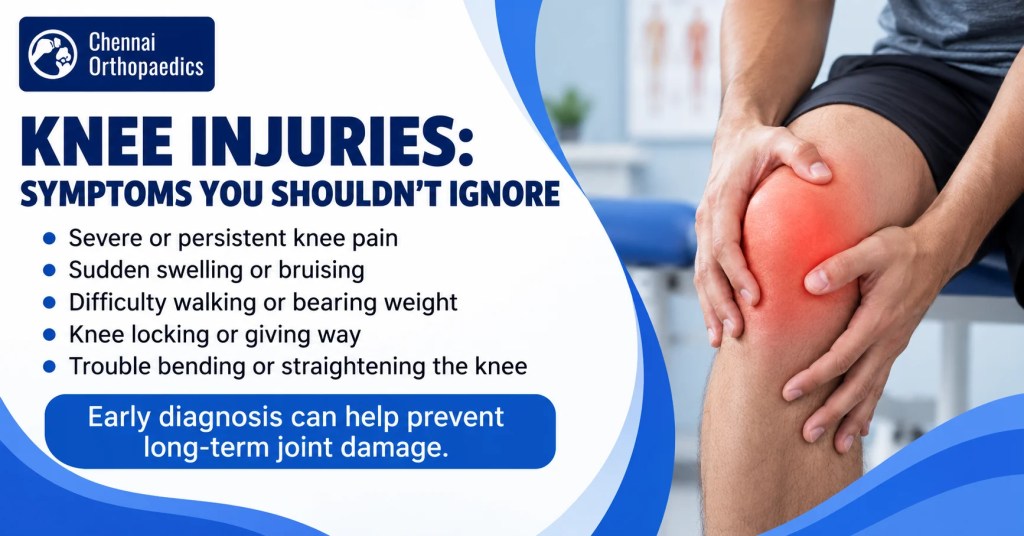
## What Are the Symptoms of a Knee Injury?
Knee injuries show different types of symptoms depending on their type. However, there are some symptoms showing there might be an injury that includes
- Severe and sharp pain in the knee.
- Swelling or inflammation that begins to get worse.
- Difficulty in walking.
- Bruising and inability to bend or straighten the leg.
- Inability to bear weight.
### How Is a Knee Injury Diagnosed?
The doctor diagnoses a knee injury by understanding the cause of injury and performing a physical exam and would ask you to take X-rays or an MRI scan. Once the type of injury, whether it is a sprain, a fracture, or a ligament tear, etc. is confirmed, the doctor will formulate a treatment plan, and if required, might perform a surgery.
## FAQ’s about the Knee Ailments
Q1 Lorem Ipsum is simply dummy text.
Lorem Ipsum is simply dummy text of the printing and typesetting industry. Lorem Ipsum has been the industry’s standard dummy text ever since the 1500s, when an unknown printer took a galley of type and scrambled it to make a type specimen book.
Q2 Lorem Ipsum is simply dummy text.
Lorem Ipsum is simply dummy text of the printing and typesetting industry. Lorem Ipsum has been the industry’s standard dummy text ever since the 1500s, when an unknown printer took a galley of type and scrambled it to make a type specimen book.
Q3 Lorem Ipsum is simply dummy text.
Lorem Ipsum is simply dummy text of the printing and typesetting industry. Lorem Ipsum has been the industry’s standard dummy text ever since the 1500s, when an unknown printer took a galley of type and scrambled it to make a type specimen book.
Q4 Lorem Ipsum is simply dummy text.
Lorem Ipsum is simply dummy text of the printing and typesetting industry. Lorem Ipsum has been the industry’s standard dummy text ever since the 1500s, when an unknown printer took a galley of type and scrambled it to make a type specimen book.
Q5 Lorem Ipsum is simply dummy text.
Lorem Ipsum is simply dummy text of the printing and typesetting industry. Lorem Ipsum has been the industry’s standard dummy text ever since the 1500s, when an unknown printer took a galley of type and scrambled it to make a type specimen book.
Patient Feedback

Lorem Ipsum is simply dummy text of the printing and typesetting industry. Lorem Ipsum has been the industry’s standard dummy text ever since the 1500s, when an unknown printer took a galley of type and scrambled it to make a type specimen book.
K. Ashok
India
## What Are the Treatment Options for Knee Injuries?
Doctors advise treatments depending on the type of injury and its severity. There are two ways to treat the injuries – surgical and non-surgical ways.
Non-surgical methods include rest, ice therapy, compression and elevation (RICE) and might need physiotherapy to strengthen the muscles, but it it delays the healing after a recommended time period, you must immediately visit the doctor.
### Non-Surgical Knee Injury Treatment
Fractures can be really hard to manage but some types of fractures, which are stable, are where there are simple cracks or breaks but the bones are aligned. These fractures can heal with a knee cast or by avoiding activities that put pressure on the knees.
Meanwhile, unstable[ fractures](https://chennaiorthopaedics.com/knee-pain-treatments/knee-fracture-treatment/) are serious and need surgical intervention, where open fractures demand immediate surgery to avoid risk of infection and closed fractures will be done at a later time.
When the kneecap gets multiple breakages and the pieces are displaced, surgeons take off the smallest fragments and will reconnect the remaining pieces with screws and wires. Some fractures, like horizontal breaks, will be fixed with screws, plates, or pins or all of them.
All related injuries also will be treated by the doctor. After surgery the knees might still need casting or splints to keep the knee immobilised till full healing.
### **Knee Injury Recovery Time**
The rehabilitation of trauma in the knees needs you to manage injuries effectively and this would require proper aftercare and following of the prescribed guidelines. Physiotherapy helps to restore muscle strength, function, and mobility through strengthening, ROM and balance and stability exercises. The rehabilitation also involves physical therapies that involve electrical stimulation, heat therapy or manual therapy to improve knee function. Along with it, for pain management, you would need medications and necessary supplements for your overall health.
### **Recovery & Rehabilitation**
Knee Injury Recovery Time – The months after a [knee surgery](https://chennaiorthopaedics.com/knee-treatments/primary-and-revision-total-knee-replacement/) is very important and activities and aftercare determine the full recovery. It might last upto a year. Hence, actively participating in physiotherapies and other aftercare measures is very crucial and must be followed religiously.
Recovery begins as soon as the surgery is over. After the required amount of rest in the hospital, you will be able to stand and walk using external equipment like a walker, crutches, or cane sticks. A typical recovery happens in 3-6 months; however, full recovery might take up to a year.
### **When Can I Walk Again After Surgery?**
The first week’s activities will include gait training, ROM exercises and other gentle exercises. By the third week you may notice a huge improvement but the exercises will keep continuing. Most patients will usually be able to stand or walk for more than 10-15 minutes, depending on the doctors evaluations.
## **Physiotherapy Exercises After Knee Injury**
During the 4th to 6th weeks, the physiotherapist will focus on increasing your knee strength more than before and might require you to take longer walks. The exercises may have toe and heel raises and hip abductions.
Weeks 7 to 11 will include advanced ROM exercises to improve mobility and knee strength in an advanced method and may include bicycling on stationary equipment, leg balancing exercises, mini squats, and step-ups.
During the 12th week you might have got into a better position to do more advanced activities like normal bicycling, dancing, playing golf, etc., though you should not do risky activities like skiing, running, aerobics, football, high-intensity cycling or basketball.
Having said that, it is very crucial to follow the instructions of your doctor and adhere to the plan to ensure a full and effective recovery. You must do regular checkups and attend the follow-ups diligently to make sure proper improvement and healing are taking place.
## **Complications & Prevention**
### **Knee Injury Complications**
Some knee injuries or fractures can cause different types of complications or risks that might affect normal functioning and mobility and those include
- Knee arthritis leading to intense pain and stiffness in your knees.
- Loss of mobility that limits the knee activities like bending or straightening the legs.
- Muscle weakness where the quadriceps might never return to its normal functioning.
- Excruciating knee pain may persist even after an initial healing.
### **Risks of Untreated Knee Injuries**
First of all, knee injuries must not be taken lightly because if left untreated, they might affect your quality of life, as they affect your normal activities like walking, sitting, standing, bending, etc. Your several ranges of motion will be stopped if you don’t visit a doctor and seek help. Only when you get timely evaluation and treatment will you be able to prevent such complications.
### **Preventing Sports Knee Injuries**
If you are an athlete or active in sports activities, then you must keep yourself active in a consistent plan of exercises before getting into them. These include warm-up exercises, strength, flexibility and mobility exercises, balance training, etc. to avoid any repeated injuries. New athletes or sports too have to follow these to prevent any quick injuries or fractures, as prevention is always a step ahead of going through the pain and aftereffects of injuries.
### Knee Injury Treatment Cost in Chennai
The cost for knee injury treatments in Chennai depends on the type of injury or fracture and how it is treated, the hospital where it’s done, the surgeon’s expertise, the location of the hospital and the type of treatment.
For a total knee replacement in Chennai, the price starts from Rs 3.2 lakhs to Rs 5 lakhs or more.
For a knee arthroscopy the cost comes to around Rs 1.2 lakhs to Rs 2.8 lakhs or more.
For a partial knee replacement surgery, the costs range from Rs 1.5 lakhs to Rs 4 lakhs or more.
However, the charges vary substantially in different hospitals.
At Chennai Orthopaedics, [Dr. Bharani Kumar Dayanandam ](https://chennaiorthopaedics.com/best-arthroscopic-surgeon/)offers affordable knee injury or fracture treatments with flexible payment options without compromising on quality. It is advised that you contact the team at Chennai Orthopaedics to know more about the price details, as it is determined on the basis of your knee problem.
## **Why Choose Dr. Bharani Kumar Dayanandam for Knee Injury Treatment in Chennai?**
[Dr. Bharani Kumar Dayanandam](https://chennaiorthopaedics.com/best-orthopaedic-doctor-in-chennai-dr-bharani-kumar-dayanandam/ "Dr. Bharani Kumar Dayanandam") is a prominent orthopaedic surgeon and trauma consultant at Chennai Orthopaedics. He is well known for his patient-centred treatment and care in all his treatments for all kinds of knee concerns. He is a knee and shoulder specialist and brings with him over 26 years of experience in orthopaedic knee surgery and other treatments.
Dr Bharani Kumar has done his MBBS in Tamil Nadu at Dr. MGR Medical University. In 2001 he achieved an Associate Fellowship from the Royal College of Surgeons in Ireland and in 2004 he did his Diploma in Orthopaedic Engineering from the University of Cardiff, Wales, at the College of Engineering & Medicine. He also got an FRCS in trauma & orthopaedics in 2010. He has immense experience by working with many senior doctors both in India and in the UK.
His fields of interest are [arthroscopic knee surgery](https://chennaiorthopaedics.com/knee-treatments/arthroscopic-knee-surgery-for-acl-pcl/), ligament reconstructions (ACL, PCL, MCL, PLC) and meniscal transplants/implants, patella realignment, cartilage-preserving surgery, joint arthroplasty and osteotomy.
His patients trust him completely, as the procedure success rates are positive and reliable. If you face any issues with your knees like pain or mobility issues, or anything similar, you can choose to consult Dr. Bharani Kumar to get a proper diagnosis and precise treatment.
## Frequently Asked Questions About Knee Injury Treatment
**What is the recovery time for a knee injury?**
Recovery time differs depending on the type and severity of the injury and treatment done. Small injuries like sprains heal fast, while serious injuries like fractures might take a longer time like months or up to a year.
****Can a knee injury heal without surgery?****
Yes, there are many injuries that can heal without any surgical intervention like ligament injuries or damage to the cartilage tissues. All these might require only rest, ice, compression and elevation (RICE) along with the necessary medication.
****How do doctors fix a broken patella?****
Patella injury treatment depends on the type of it whether it is just an injury or a fracture. If it is a small break then a casting or immobilisation might be enough, while more complex ones require reconnecting pieces with wires and surgical screws.
****How long does it take to recover from knee injury surgery?****
Typical recovery time for knee injury treatments is 3-6 months but active participation in physiotherapy is crucial to get an effective recovery.
******What happens if a knee injury is not treated?******
If you don’t get timely diagnosis and treatment for a knee injury, then it can lead to chronic pain, and complications like long-term joint damage, instability, severe arthritis, etc.
---
### [Hand Pain Causes, Symptoms, and Treatment in Chennai](https://chennaiorthopaedics.com/hand-pain-treatment/)
**Published:** November 12, 2025
**Author:** suneethagdcs@gmail.com
**Content:**
Hand is one of the most important parts of our body that is used for doing almost all the activities. And pain in hand can affect all those activities making it difficult for the person to perform their daily activities.

## **Causes of Hand Pain**
Pain in hand can be due to various reasons like:
- Injury Diseases Tendonitis Repetitive activities and overuse of hand Awkward positioning to hold the baby by new mothers [Wrist fractures](https://www.chennaiorthopaedics.com/wrist-pain-treatment/wrist-fracture-treatment) Carpel tunnel syndrome
- Arthritis including osteoarthritis, rheumatoid arthritis, gout etc.
## **Symptoms of Hand Pain**
- Pain on any side or whole of the hand while doing activities that involve hand like making a fist, holding objects or turning wrist etc.
- [Swelling](https://www.chennaiorthopaedics.com/wrist-pain-treatment/stiff-and-swollen-wrist) of the wrist
- Stiffness in the hand
- Loss of movement
- Weakness in hand
- Numbness or tingling sensation in hand
- General discomfort in the hand
- Deformity of hand

## **Diagnosis of Hand pain**
The diagnosis of hand pain requires thorough physical examination of the patient and the detailed history of the disease. In addition to this, following diagnostic tests are performed to confirm the cause of the pain and the treatment required:
- X-rays of the hand
- CT (computerized tomography) or MRI (magnetic resonance imaging) scan
- Bone scan
- Electromyography or EMG
- Blood test
## **Hand pain Treatment In Chennai**
Most of the hand pain cases can be resolved with rest, change in lifestyle or OTC (over-the-counter, no prescription required) painkillers. If these do not help, following treatment options may be required depending upon the cause and severity of the pain:
- **Medication** – If PTC painkillers do not help then a prescription of NSAID (nonsteroidal anti-inflammatory drug) or codeine or hydrocodone (narcotics) or tricyclic antidepressants may be required for short periods under the close monitoring by the doctor.
- **Physical Therapy (Physiotherapy)** – This includes application of heat, ice, ultrasound and electrical stimulation and other muscle-relaxing techniques to alleviate pain.
- **Splints for the fingers or wrist** – This is done to immobilize the wrist and fingers to allow healing.
- **TENS (transcutaneous electrical nerve stimulation)** – It involves delivery of small electric pulses into the body through electrodes that are placed on the skin. This encourages the body to produce endorphins, and may possibly block pain signals returning to the brain.
- **Surgery** – Surgery is rarely required for hand pain but may be the only option to give relief to the patient after all the conservative management methods fail.
---
### [Knee Buckling: Causes, Symptoms, Treatment & When to See a Doctor](https://chennaiorthopaedics.com/knee-pain-treatments/locking-or-buckling-of-knee/)
**Published:** November 13, 2025
**Author:** anjujosephgdcs@gmail.com
**Content:**
## **What Is Knee Buckling?**
That sudden moment where your knee just… gives. You’re walking normally, or stepping down a stair, and the joint sort of collapses under you. Sometimes it recovers immediately. Sometimes you actually fall.
Knee buckling is when the knee gives way, feels unstable, or feels too weak to hold your weight. It might happen once and never again. Or it might keep showing up, which is when it becomes a real problem. Knee instability like this isn’t something to keep brushing off — a knee that feels like it will give out is telling you something’s not right underneath.
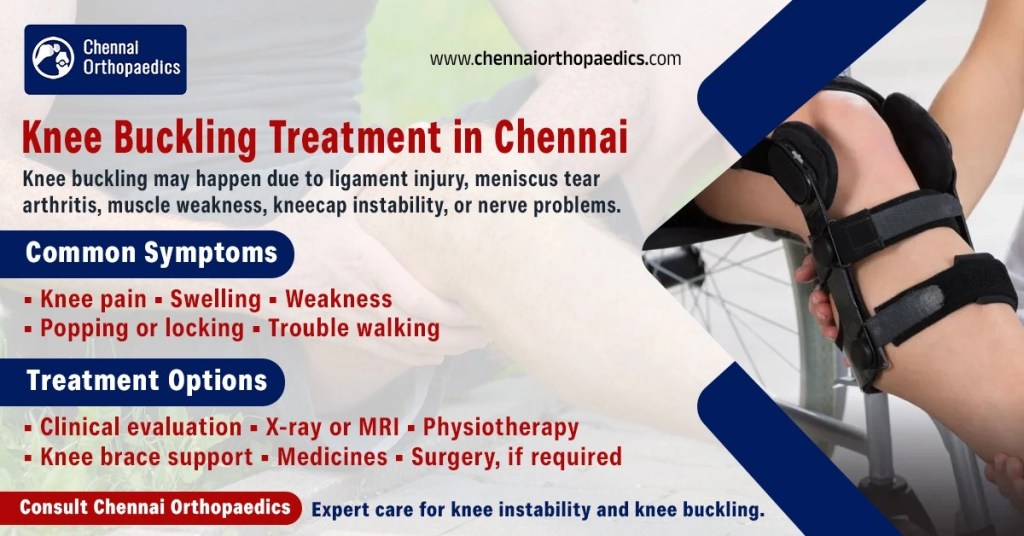
## **Knee Buckling vs Knee Locking**
These get mixed up a lot but they’re different things.
Buckling is the knee giving way — it folds or collapses. Locking is when the knee gets stuck and won’t bend or straighten properly. Both are concerning but for different reasons, and they usually point to different causes.
| **Problem** | **Meaning** |
|---|---|
| Knee buckling | Knee gives way or feels unstable |
| Knee locking | Knee gets stuck or cannot move normally |
A catching sensation during movement sits somewhere in between — it’s worth mentioning to a doctor either way.
## **Common Knee Buckling Causes**
There isn’t one single reason knees buckle. It could be a ligament, the meniscus, arthritis, the kneecap tracking wrong, weak muscles, nerve issues, or something called plica syndrome. The cause changes the treatment entirely, so figuring out which one applies actually matters.
### **Ligament Injury**
The ACL, MCL, PCL, LCL — these ligaments are what keep the knee from moving in directions it shouldn’t. When one of them tears or gets stretched from a sports injury, fall, or awkward twist, the joint loses that stability. ACL tear and knee buckling often go together. The knee feels like it can’t be trusted, especially during direction changes or uneven ground.
### **Meniscus Tear**
The meniscus acts like a cushion and a stabiliser. When it tears, it can cause pain, swelling, and that catching or locking sensation during squatting, twisting, or regular walking. Knee locking and buckling together — especially if there’s swelling — is a common presentation of meniscus damage.
### **Arthritis**
Osteoarthritis gradually wears away cartilage. As the joint surface deteriorates, the knee becomes painful, stiff, and progressively less stable. Rheumatoid arthritis causes inflammation that weakens the joint differently, but the result can look similar — swelling, stiffness, and a knee that suddenly gives way during normal activity.
### **Patellar Instability**
The kneecap is supposed to glide in a specific groove as the knee moves. When it doesn’t track properly — shifting sideways or sitting unevenly — the knee feels unreliable during movement. Patellar instability and knee buckling often show up together when someone’s kneecap is moving in ways it shouldn’t. Chondromalacia patella, where the cartilage under the kneecap softens, can contribute to this too.
### **Muscle Weakness**
This one gets overlooked. Quadriceps weakness is one of the most common reasons knees buckle, especially going downstairs. The quads control how the knee handles load. When they’re weak, the joint takes more stress than it can manage and starts giving way. Hamstring and glute weakness adds to this — the whole chain of muscles around the knee matters.
### **Nerve Problems**
Femoral neuropathy or nerve damage can reduce the signals that keep muscles working properly. When those signals get disrupted, the knee can buckle without warning — sometimes without pain at all, which makes it confusing. Knee buckling without pain, especially with any numbness or unusual sensations in the leg, is a reason to get a neurological cause ruled out.
### **Plica Syndrome**
The plica is a fold of tissue inside the knee joint. When it gets irritated — from overuse, injury, or repeated movement — it can cause clicking, popping, discomfort, and a feeling of instability. Knee popping and buckling together, with no clear structural injury, sometimes traces back to this.
### **Symptoms That May Come With Knee Buckling**
Buckling doesn’t always arrive alone. Most people also deal with at least a few of these:
- [Knee pain](https://chennaiorthopaedics.com/knee-ailments/ "Knee pain")
- Knee swelling
- Knee stiffness
- Knee popping
- Locking or catching
- Weakness
- Reduced range of motion
- Fall risk
Some people have knee buckling with swelling and significant pain. Others have buckling without pain, which is actually sometimes harder to figure out — and harder to take seriously until a fall happens.
### **Why Does My Knee Buckle While Walking or Going Down Stairs?**
Stairs put more demand on the knee than flat walking. Going downstairs especially loads the quadriceps heavily and requires the joint to control the descent. If there’s muscle weakness, arthritis, a kneecap tracking issue, or ligament instability stairs expose it. The knee buckles going down stairs because that’s where the weakness can’t hide.
Walking on uneven surfaces does the same thing. The knee gives out while walking more often when there’s less predictable ground to deal with, because the joint has to make small adjustments constantly and can’t.
### **Is Knee Buckling Serious?**
One random episode after a long walk? Probably not alarming. But repeated buckling, or buckling that comes with other symptoms, is a different situation.
**See a doctor if you have:**
- Repeated knee buckling
- Knee buckling after injury
- Swelling or severe pain
- Knee locking
- Trouble walking
- Frequent falls
- Numbness or weakness
Sudden knee buckling after a sports injury or fall needs prompt evaluation. Waiting tends to make the underlying cause harder to treat.
## **How Knee Buckling Is Diagnosed**
The doctor starts with questions — when does it happen, how long has it been going on, any recent injury then moves to a physical exam. They’ll test range of motion, check how the kneecap tracks, and do specific ligament tests that can reveal instability without imaging.
From there, a knee X-ray can show bone structure and joint spacing. Knee MRI is more useful for soft tissue ligament tears, meniscus damage, cartilage problems. If nerve damage is suspected, additional testing may be needed. An [orthopedic specialist](https://chennaiorthopaedics.com/ "orthopedic specialist") puts the clinical exam and imaging together to get the full picture.
## **Knee Buckling Treatment**
Treatment follows the cause. There’s no point wearing a brace if the problem is a ligament tear that needs repair. And there’s no point jumping to surgery when weak quadriceps are the whole issue.
| **Treatment** | **Best For** |
|---|---|
| RICE method | Mild pain or swelling |
| Physical therapy | Weakness and instability |
| Knee brace | Temporary support |
| Cane support | Fall risk |
| Medical treatment | Injury, arthritis, or severe symptoms |
Mild cases — especially those driven by muscle weakness or early arthritis — often respond well to physical therapy and targeted strengthening. More significant causes like ligament tears, meniscus damage, or advanced joint disease need medical management beyond what rest and exercises alone can fix.
### **Should You Use a Knee Brace for Knee Buckling?**
A knee brace helps in the short term. It gives the joint some external support and can reduce the immediate fall risk while you’re getting things evaluated or going through rehab. That’s genuinely useful.
But a brace doesn’t fix the reason the knee is buckling. It’s support, not treatment. If knee instability keeps happening and a brace is the only thing being used — the underlying cause is still there, just temporarily propped up. Frequent or recurring buckling needs a proper diagnosis, not just a brace and hope.
### **Expert Knee Buckling Care at Chennai Orthopaedics**
Knee buckling can make the knee feel weak, unstable, or as if it may suddenly give way while walking, standing, or using stairs. At Chennai Orthopaedics, Dr. Bharani Kumar provides expert evaluation to identify the cause of knee instability — whether it’s related to ligament injury, meniscus tear, arthritis, muscle weakness, or kneecap tracking problems — and recommends the right treatment plan based on each patient’s condition.
## **Frequently Asked Questions About Knee Buckling**
**Why does my knee buckle when I walk?**
Usually muscle weakness, ligament instability, arthritis, or kneecap tracking issues. Walking exposes any of these when the knee has to handle repeated load. Worth getting checked if it keeps happening.
**Why does my knee give out without pain?**
Nerve-related causes — like femoral neuropathy — can reduce muscle control without causing obvious pain. The knee gives way because the muscles aren’t getting proper signals. Knee buckling without pain alongside numbness or weakness should be evaluated promptly.
**Can arthritis cause knee buckling?**
Yes. Both osteoarthritis and rheumatoid arthritis weaken and destabilise the joint over time. Pain, stiffness, and swelling from arthritis all contribute to the knee feeling like it might give way.
**Can a meniscus tear cause knee buckling?**
It can. A torn meniscus disrupts the mechanical function of the joint. Knee locking and buckling together, especially after twisting movements, is a common pattern with meniscus damage.
**Is knee buckling a sign of an ACL tear?**
It can be. ACL tear and knee buckling is a classic combination, especially after a sports injury or fall. The knee feels unreliable and may give way during direction changes or uneven ground.
**What is the difference between knee buckling and knee locking?**
Buckling — the knee gives way or collapses. Locking — the knee gets stuck and can’t move through its normal range. Both need attention but usually have different causes.
**Can weak thigh muscles cause knee buckling?**
Yes, and this is more common than people expect. Quadriceps weakness means the knee can’t control load properly. Strengthening the quads — and the surrounding muscles — often significantly reduces buckling in cases where weakness is the main driver.
**Should I wear a knee brace for buckling?**
A brace can help short-term with stability and fall prevention. But it doesn’t treat the cause. If buckling is recurring, get a diagnosis alongside using the brace.
**When should I see a doctor for knee buckling?**
Repeated episodes, buckling after an injury, swelling, locking, trouble walking, or any falls caused by the knee giving out — all of those are reasons to get seen rather than wait.
[ Authored by Dr Bharani Kumar Dayanandam, MBBS, Orthopaedic Surgeon](https://www.chennaiorthopaedics.com/best-arthroscopic-surgeon)
---
### [Best Arthroscopic Surgeon in Chennai - Dr. Bharani Kumar](https://chennaiorthopaedics.com/best-arthroscopic-surgeon/)
**Published:** October 21, 2025
**Author:** gdcsllpworld
**Content:**
 About doctor
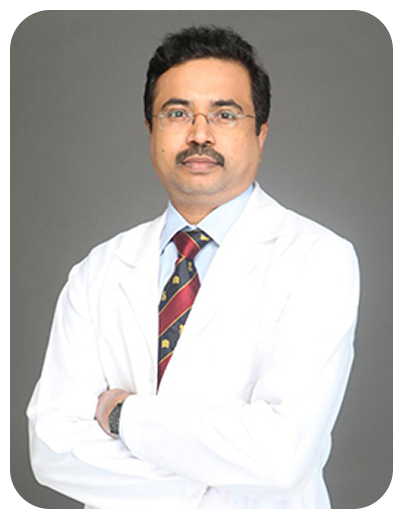
 About doctor
Dr. Bharani Kumar Dayanandam
Trauma, Joint replacement and Arthroscopic Surgeon
Dr. Bharani Kumar Dayanandam is the top orthopaedic surgeon specialised in knee, joint and sports injuries in Chennai. He brings with him 26 years of experience in orthopaedic surgery using advanced surgical methods that have helped his patients regain their ROM (range of motion) and have improved their quality of life. He is widely recognised within his patients as well as work communities for his ability to explain about the orthopaedic problems in simple language that gives them confidence for treating the concerns in the right way.
Professional Expertise:
Orthopaedic Surgery and Orthopedics, mainly joint arthroplasty, knee osteotomy surgery, arthroscopic shoulder decompression, rotator cuff repair, and shoulder stabilisation.
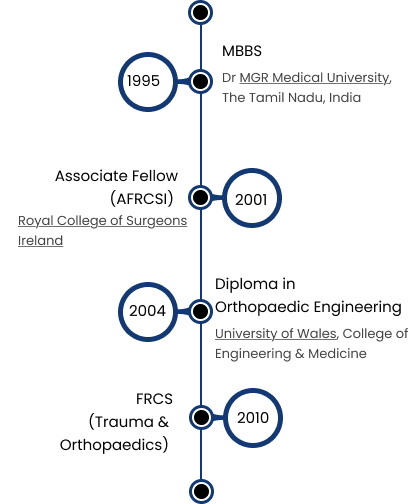
Field of interest
At Chennai Orthopaedics, our orthopaedic surgeon and trauma consultant, Dr. Bharani Kumar, provides a wide range of orthopaedic care for problems occurring in the joints of the knees and shoulders.
Arthroscopic Knee Surgery ( Ligament Reconstructions-ACL/PCL/PLC/MCL, Meniscal implants/transplants, Patella realignment, Cartilage preserving surgery)
Joint Arthroplasty
(Primary & Revision), UKR, PFJR, Osteotomy
Arthroscopic Shoulder decompression,
Rotator cuff repair, Shoulder stabilisation
Professional Experience
Dr. Bharani Kumar Dayanandam is widely recognised as one of the leading orthopaedic surgeons in Chennai.
1
Dr Bharani Kumar worked with a broad spectrum of interests during his foundation years as a basic Surgical Trainee. He started with basic surgical training in trauma and orthopaedics, accident and emergency and general surgery. His particular interest in Orthopaedics was stimulated whilst working for Mr J Adams at the Prince Philip Hospital.
2
Dr Bharani Kumar then worked for a year each in Trauma & Orthopaedics at Hereford and Maidstone General Hospitals. There he treated a wide range of trauma and elective Orthopaedic surgery cases. During this period he completed his Basic Surgical Training exams and then worked as a senior SHO gaining valuable surgical experience in Orthopaedics.
3
To further complement his experience in Trauma & Orthopaedics he worked as a clinical fellow in Plastics and Hand surgery at Broomfield hospital, Chelmsford one of the largest Plastic Surgery unit in the UK. He was exposed to both elective and emergency pathology in hand, management of soft tissue injuries and was also posted to cover the Burns department, a tertiary unit.
Professional Experience
Dr. Bharani Kumar Dayanandam is widely recognised as one of the leading orthopaedic surgeons in Chennai.
4
He then worked in [Weston General Hospita](https://www.waht.nhs.uk/)l as a clinical fellow (SSHO grade), where he learnt to perform supervised primary hip and knee arthroplasty, knee arthroscopy, dupuytren’s surgery, carpal tunnel lists and all trauma cases.
5
Dr Bharani Kumar had worked as a Registrar in Trauma & Orthopaedic surgery from Aug 2004-Aug 2011 at Prince Charles Hospital, which was a busy DGH. He has been exposed to a wide variety of trauma and elective orthopaedic surgery. He has worked for different surgeons during this period and been exposed to various aspects of orthopaedic surgery. Initially he worked with Mr K Kara, knee surgeon. Under his guidance Dr Bharani Kumar was exposed to computer navigated total knee arthroplasty.
6
His next term was with Mr G Zafiropolous, where he had exposure to revision hip and [knee arthroplasty](https://www.chennaiorthopaedics.com/knee-treatments/partial-knee-replacement).
Professional Experience
Dr. Bharani Kumar Dayanandam is widely recognised as one of the leading orthopaedic surgeons in Chennai.
7
From April 2009, he worked for a year for Mr A Sharma, who had special interest in[ shoulder surgery](https://www.chennaiorthopaedics.com/blog/arthroscopic-shoulder-surgery). During this period he was exposed to various aspects of arthroscopic shoulder surgery.
8
From March 2010 – Aug 2011, Dr Bharani Kumar worked with Mr P Lewis, hip and knee arthroplasty surgeon and Mr G Clewer who had special interest in soft tissue reconstruction of knee.
9
During the period Aug 2011- Aug 2012, he worked as Senior Knee and Shoulder fellow at Llandough Hospital, University Hospital of Wales. He gained valuable experience in the management of all aspects of knee surgery (Soft Tissue reconstruction and Arthroplasty) and shoulder surgery under the guidance of Mr M Forster, Mr S White and Mr A Robertson.

26
years of
Experience
MBBS, AFRCSI, Dip Orth Eng (UK) FRCS (Trauma & Orthopaedics) Chennai.
Dr Bharani Kumar Dayanandam, a prominent and experienced (over 26 years) Orthopaedic Surgeon and Trauma Consultant
CALL US AT
+91 8825 88 1253
Book An Appointment
CALL US AT
+91 8825 88 1253
Book An Appointment
Our Team

Our Team
Dr.Bharani Kumar Dayanandam believes in teamwork and his team of expert medical professionals work very hard to offer the [best Orthopaedic Treatment ](https://chennaiorthopaedics.com/best-orthopaedic-doctor-in-chennai-dr-bharani-kumar-dayanandam/ "best Orthopaedic Treatment ") to all his patients in a caring environment. The team led by Dr.Bharani Kumar Dayanandam comprises of internationally educated, precisely skilled and highly experienced doctors, physiotherapists, sports therapists and paramedical staff who work hand in hand with the patient to give them an improved fitness and wellness. The diverse academic background and experience of each individual team member combined with dedication and hard work results in a well-balanced, multi-disciplinary team, who can effectively analyse, evaluate and plan the treatment of every patient according to their specific needs.
The team makes the best use of technology and infrastructure, so as to deliver best in class, highest-quality, and highest-value care to every patient. The sympathetic approach of the team makes every patient feel comfortable. All this and more makes our team perfect to help every patient in their path to well-being.
Infrastructure
Dr. Bharani Kumar is associated with world class healthcare institutes that provide comprehensive healthcare services with care and dedication. The institutes have cutting edge technology and delivers world-class healthcare to facilitate the best and shortest road to recovery for every patient. They offer a full continuum of diagnostic, therapeutic and surgical services for adults and children with bone, joint or connective tissue disorders.
They comply with international guidelines and follow the International Patient Service Protocols. The highest standard of hygiene is ensured by their infection control norms.
Equipments
Dr. Bharani Kumar is associated with world class healthcare institutes that are equipped with the latest technology equipments that can work on condition-specific protocols to facilitate individualised treatment programs which are safe, time-efficient and deliver measurable results. The equipments maintain the highest priority of safety and care for the patient. The institutes have a wide range of equipments that can treat almost all the orthopaedic ailments.
Frequently Asked Questions (FAQ’s)
What all conditions do orthopaedic surgeons treat?
Orthopaedic surgeons treat patients with orthopaedic problems related to bones, joints, ligaments and muscles.
What is the recovery time for knee replacement surgery?
Most of the patients will be able to walk after three months and recover completely within 3-6 months.
How long does it take to recover from shoulder surgery?
A shoulder surgery recovery depends on the actual problem and type of surgery done. Ideally the recovery time is from 3-6 months and for severe problems it might extend to a year for full strength and functioning.
What are the symptoms of knee arthritis?
The most common symptoms of knee arthritis include knee pain, stiffness, difficulty in walking and other related problems. It could vary in different people.
What should I expect during a consultation with Dr. Bharani Kumar Dayanandam?
You can expect a full assessment, diagnosis and explanation if your problem and recommendation of the correct treatment with Dr. Bharani Kumar.
How can I book a consultation with Dr. Bharani Kumar Dayanandam?
You can either schedule a booking online or call us to book a consultation with Dr. Bharani Kumar.
---
### [Shoulder Injury Treatment in Chennai for Fractures, Trauma, Dislocation & Ligament Tears](https://chennaiorthopaedics.com/shoulder-pain-treatment/)
**Published:** November 7, 2025
**Author:** anjujosephgdcs@gmail.com
**Content:**
## **Understanding Shoulder Injuries and Fracture Treatment in Chennai**
The shoulders play a major role in our life, as most of our daily activities are carried out by our arms, which move only if we have healthy shoulders. For the same reason, it is very common for people aged between 15 and 30 to get shoulder injuries, as they are mostly involved in a wide range of activities like sports, intense manual work patterns, and more.
Injuries could be related to shoulder joints, muscles or bones, according to the trauma that occurred. It is very difficult to bear the pain with a broken bone, though. Fractures are the most common shoulder injuries that happen to athletes, traumatic incidents, etc. But at Chennai Orthopaedics you can get the finest treatment for all types of shoulder fractures and recover faster than with traditional methods. Let us look at more details of the same.

## **Understanding Shoulder Injuries & Fractures**
Your shoulders consist of a complex joint structure with bones, tendons and ligaments attached to it for allowing free movements with your hands – lifting, throwing something (like in sports), reaching heights or your back (overhead motion), and rotating. Injuries and fractures are found more commonly in shoulders compared to other joints of your body.
The shoulder structure is formed by three bones.
- The arm bone (humerus)
- The shoulder blade (scapula)
- The collarbone (clavicle)
These three bones are connected together by muscles, tendons, ligaments and the joint capsule to form a platform that helps your arms to work freely.
Shoulder fractures happen when any of these bones get broken, cracked or chipped, causing pain, swelling and immobility, which need immediate medical attention. You might need surgical intervention to repair the fracture or the adequate amount of rest in some cases.
Large fractures can happen due to several reasons, like trauma or any type of injury from falls, sports, car accidents, or any activity that gives a hard and direct impact on the shoulder area.
Small fractures are often called stress fractures, which are small cracks in any of the shoulder bones that could happen due to overuse of shoulders with any sports, repeated kinds of the same activities, and similar things.
There could also be some instances where the pieces of bones might get chipped off from the main bone due to some bone conditions like osteoporosis or also from overuse activities.
## **Common Causes And Risk Factors of Shoulder Injuries**
Causes of shoulder fractures or shoulder traumas can be many.
**Sports injuries** – This is the most common cause of shoulder fracture, especially with young athletes, as sports activities include applying direct pressure on the shoulder, causing injuries including fractures. Sports like cricket, baseball, rugby, tennis, swimming, hockey, and more are at risk.
**Road accidents** – This includes car accidents where the hands get a huge impact, especially if you are driving or in the front seat, causing shoulder bones to break.
**Falls** – Falling from a height, if you are falling with your hands trying to protect yourself from hitting the ground, can impact the hand and shoulder bones directly. You might fall with an outstretched arm, which makes it even worse. Activities like rock climbing, falling from a ladder, horse riding, etc., are at high risk.
**Twisting or abnormal bending** – Any kind of abnormal position, bending or rotating of your arms can impact shoulder joints directly, causing the bones to break in extreme situations.
**Blunt Trauma** – These incidents can be something like getting hit by a blunt object or even car accidents and falls causing the breakage of bones.
**Bone conditions** – If you are suffering from bone conditions like osteoporosis that eventually weaken the bones, then it is easier to break with even a small impact on bones.
**Seizures** – If you are epileptic, there are high chances of a shoulder fracture or dislocation during the seizure episode due to violent muscle contractions.
## **Symptoms of Shoulder Injury or Fracture**
You might experience the following symptoms if you have a shoulder fracture.
- Persistent and excruciating pain in the shoulders following the injury.
- Increased shoulder joint swelling and tenderness.
- Discolouration in the shoulder with some redness.
- Grinding or popping sensation when trying to move the shoulder or the arm.
- Feeling like the shoulder might have gone out of place or an emptiness.
- Stiffness in the shoulder.
There could be different symptoms of a [shoulder fracture](https://chennaiorthopaedics.com/blog/shoulder-pain-causes-and-treatment/ "shoulder fracture") according to the way it got broken. However, if you are experiencing any of these symptoms, then you can consult a shoulder specialist in Chennai who will give a proper shoulder pain diagnosis.
## **Types of Shoulder Fractures & Injuries**
[Dr Bharani Kumar Dayanandam](https://chennaiorthopaedics.com/best-arthroscopic-surgeon/ "Dr Bharani Kumar Dayanandam") and his expert team specialize in treating all types of shoulder fractures and trauma conditions that include:
### **Proximal Humerus Fracture**
This is a fracture occurring at the top part of the arm bone – the humerus – and this can happen to people of all ages but people over the age of 65 are at higher risk due to reduced bone density and weakness due to ageing.
### **Clavicle Fracture**
The clavicle or collarbone, is a thin bone that starts from the breastplate (sternum) to the shoulder. The fracture on this bone can happen if you had a fall landing on your shoulder or an outstretched arm and you will find it extremely difficult to move or raise the arms. There will be bumps or swelling when you get this kind of fracture.
### **Scapula Fracture**
The scapula or the shoulder blade, is the large bone located in the upper back. Though fractures in this area are rare, you may still get one if you have to face a huge motor vehicle accident or a high-impact fall that can cause other bones, like in the ribs, also to break.
### **Other Injuries**
### **Shoulder Dislocation & Instability**
This is a condition that happens due to the upper ball-like area of the humerus slipping out of the socket-like glenoid area because of overuse, intense sports activities, etc. This condition can also accompany fractures of the bones or might cause ligament tears too, which are corrected by Dr Bharani Kumar.
### **Soft Tissue Injuries & Ligament Tears**
With an overuse of shoulders, there can be other soft tissue injuries around the shoulder joints like ligament tears, rotator cuff tears, labral tears, or sprains that would need proper diagnosis, and this is precisely done by the doctor.
## **Diagnosis of Shoulder Injuries**
The diagnosis of a shoulder fracture is done in several ways according to the severity, type and location of the fracture. However, the common methods used by doctors to identify a fracture in your shoulders are through
### **Clinical methods**
The doctor will ask about the incident that might have caused the condition, when the symptoms started or any existing shoulder problems. You will then undergo a physical examination to understand whether there are swellings, discolouration, bruising, deformity or extreme pain when touched or moved.
### **Imaging methods**
This method includes X-rays, CT scans, MRIs and ultrasounds to get details of the fracture types, whether any nerves or blood vessels are damaged, tissue injuries, and more specific details.
The doctor might need additional details like blood work to diagnose fractures caused by bone conditions and also to make sure the patient does not have any underlying health conditions that might have caused the bone breakage.
All these methods are very important to diagnose the actual reason for or severity of the fracture. This helps doctors to form a precise treatment plan that will give you a full healing and recovery. At Chennai Orthopaedics, Dr Bharani Kumar makes sure you get a quick and accurate diagnosis and the apt treatment for it.
## **Advanced Shoulder Injury Treatment Options**
Shoulder fracture treatment In Chennai depends on the location of the fracture, the type of injury, and its severity. Dr Bharani Kumar offers a wide range of treatment options for shoulder fractures or injuries in both surgical and non-surgical ways.
### **Non-Surgical Treatments (conservative management)**
Not all shoulder fractures or injuries need surgery, especially if the bones remain properly aligned. The non-surgical methods includes
**Immobilisation** – This is done by using a shoulder immobiliser or a sling to make your shoulder stay in place to let the bones heal in their natural way. The healing might take up to 6 weeks or more depending on the severity of the breakage.
**Medications for pain management** – Over-the-counter pain-relieving medicines or anti-inflammatory medicines help to manage pain and swelling when the bones go through the healing process.
**Physical exercises** – Once the bones are partially healed, the doctor might advise you to get physiotherapy to restore muscle strength and mobility. This increases the range of motion after the healing is complete.
**Lifestyle modifications** – You will be supposed to avoid any intense activities till you get a full recovery from shoulder injuries and fractures.
**Ice therapy** – Applying ice to painful and swollen areas helps a great deal to control the pain, inflammation and any discomfort in the beginning stages.
### **Surgical Treatments (Operative Management)**
Surgical treatments provided by Dr. Bharani Kumar include
#### **The ORIF Method – (open reduction and internal fixation)**
Here your bones will be realigned to their actual positions through internal fixation, where the surgeon will use metal plates, screws or rods to keep them in place and make sure that they heal well.
Shoulder Replacement/Shoulder Arthroplasty
If your shoulder has got injured or fractured, then the doctor can do a joint replacement surgery. Here the doctor will replace the damaged joint with an artificial joint or a prosthesis.
#### **Shoulder Arthroscopic Surgery**
For some shoulder joint fractures, then the doctor might recommend [shoulder arthroscopy](https://chennaiorthopaedics.com/shoulder-treatments/arthroscopic-surgery-for-rotator-cuff-tear/ "shoulder arthroscopy") as the remedy, as it is the modern way of treatment, instead of doing an open surgery like in the old days. Arthroscopy involves making small incisions in the target area and inserting a camera with lights into the incisions. The doctor will be able to view the inside of the problem area clearly on a computer screen. The surgeon corrects the damages or injuries with the help of additional tools.
## **Post-Surgical Rehabilitation & Recovery**
Shoulder fracture recovery time depends on several factors, like which bone of your shoulder was broken, the reason for breakage, and the type of treatment the doctor had to administer, the severity of the injury, and if any other injuries occurred along with the fracture (ligaments, surrounding muscles, tendons, etc.).
However, the full recovery usually takes between weeks and months, depending on these factors. Your doctor will be able to give the proper timeline for your injury type.
## **Recovery of fractures according to bone type**
**Proximal humerus fracture** **recovery** – The person might have to wear a sling for immobilisation, usually for up to 6 weeks. The complete healing takes place within 12 weeks. It is then followed by physiotherapy and the patient will be able to perform light activities.
**Collarbone fracture** **recovery** – Recovery from a broken clavicle or collarbone takes place in 6-8 weeks’ time. Most of them usually take less time to recover, with children having a faster recovery time (3-4 weeks). The patient has to wear a sling for about 2-3 weeks, after which the shoulder should get adequate rest.
**Scapula fracture recovery** – The healing time for shoulder blade fracture recovery is usually between 6 and 12 weeks. The patient may have to wear a sling for up to 6 weeks or more and after removal, physical exercises will be recommended.
Even though the recovery time is different for specific bones, proper aftercare needs to be followed, like participating in physiotherapy actively and preventing certain activities that might cause injury, like intense sports activities, and also preventing anything that causes stiffness to your shoulders.
Though you recover in a few weeks, rehabilitation might take several months; hence, it is important that you follow proper preventive measures. You should follow up with the doctor regularly to get a clear picture about your improvements.
Dr Bharani Kumar Dayanandam at Chennai Orthopaedics recommends the exercises to help you recover effectively from a shoulder fracture and restore your arm strength and mobility. You will have an improved range of motions that can be performed effortlessly.
## **Why Choose Dr Bharani Kumar Dayanandam for Shoulder Injury Treatment in Chennai?**
Dr Bharani Kumar Dayanandam is an expert senior[ orthopaedic surgeon and trauma consultant ](https://chennaiorthopaedics.com/best-orthopaedic-doctor-in-chennai-dr-bharani-kumar-dayanandam/ " orthopaedic surgeon and trauma consultant ")who has over 26 years of experience at Chennai Orthopaedics, Chennai, India. He specialises in shoulder and knee reconstruction and joint replacement. His academics and certifications include an MBBS in 1995 from Dr MGR University, Tamil Nadu; an AFRCSI in 2001 from the Royal College of Surgeons, Ireland; a diploma in orthopaedic engineering in 2004 from the University of Cardiff, Wales; and an FRCS in trauma and orthopaedics in 2010.
He has worked as an SHO at Hereford and Maidstone General Hospitals in the UK, where he treated a wide range of trauma and elective orthopaedic surgical cases.
His fields of interest are arthroscopic knee and shoulder surgery, ligament reconstructions (ACL, PCL, MCL, PLC), meniscus transplants/implants, patella realignment, cartilage-preserving surgery, joint arthroplasty, osteotomy, arthroscopic shoulder replacement/decompression, rotator cuff repair and shoulder stabilisation.
## **Cost of Shoulder Injury Treatment in Chennai**
The cost of shoulder injury or fracture treatment in Chennai depends on the type of injury or fracture, how it was managed (surgical or non-surgical methods), rehabilitation and physiotherapy requirements, implant type, hospital stay, and other similar factors.
Ideally the shoulder fracture treatment costs range from ₹15,000 to ₹40,000 for non-surgical care and ₹60,000 to ₹250,000 for the type of surgery administered and aftercare.
At [Chennai Orthopaedics](https://chennaiorthopaedics.com/ "Chennai Orthopaedics"), we provide flexible pricing and transparency with no hidden costs that helps everyone to access quality treatment at an affordable cost.
## **Recovery Tips & Lifestyle After Shoulder Injury**
If you had to face a trauma resulting in your shoulder fracture or injury – whether big or small – it is very important that you take preventive measures to avoid any repetitions of the same. To ensure a smooth recovery and to prevent any re-injuries, you can take some preventive measures, which include:
- Following physiotherapy properly.
- Taking proper medication for pain management.
- Applying ice packs for any discomfort or swelling in the treated area.
- Eating vitamin-D- and calcium-rich food and drinking adequate amount of water to keep yourself well hydrated.
- Maintaining proper posture during work and rest as advised by the doctor.
Some of the lifestyle improvements include wearing protective equipment while playing sports, wearing a seatbelt while driving, preventing yourself from falling and taking proper medication for any bone conditions.
## FAQ’s
**What is the best treatment for shoulder fractures in Chennai?**
Some of the best treatments for shoulder fractures include advanced orthopaedic care through surgical and non-surgical methods, including physiotherapy.
**How long does it take to recover from a shoulder fracture?**
Recovery usually takes 6-12 weeks depending on the type of fracture and proper treatment and rehabilitation.
**Can a shoulder injury heal without surgery?**
Yes, if it is a minor injury or fracture, an adequate amount of rest, immobilisation and physiotherapy can heal it.
**What is the cost of shoulder surgery in Chennai?**
The cost of shoulder surgery in Chennai typically ranges from ₹60,000 to ₹150,000 depending on the type of surgery and some other factors.
---
### [Wrist Pain following Overuse or Extended Inactivity](https://chennaiorthopaedics.com/wrist-pain-treatment/wrist-pain-following-overuse-or-extended-inactivity/)
**Published:** November 21, 2025
**Author:** suneethagdcs@gmail.com
**Content:**
[Wrist joint ](https://www.chennaiorthopaedics.com/wrist-pain-treatment)may become painful due to its repeated use in certain activities like writing for long time, cooking etc. It may also pain due to prolonged inactivity for some time. Both these reasons are distinct but cause pain in the wrist joint.
## **Causes:**
Pain related to overuse is caused by chronic and repetitive micro trauma to the joint and its structures. This is usually related to sports (like cricket, volley ball, throw ball etc.) and cause damage to local tissues and results in onset of discomfort and pain. While on the other hand, physical inactivity can cause strain on the muscles and the tissues, making movement of wrist difficult and painful.
## **Symptoms:**
The pain associated with overuse of wrist joint can be described as pain that comes on gradually without a discrete inciting incident. While the pain associated with inactivity is more of[ stiffness](https://chennaiorthopaedics.com/wrist-pain-treatment/morning-stiffness-of-wrist/) and difficulty to move the wrist for first few minutes.
[Authored by Dr Bharani Kumar Dayanandam, MBBS, Orthopaedic Surgeon](https://chennaiorthopaedics.com/best-arthroscopic-surgeon/)
---
### [Computer-Navigated and Robotic Total Knee Replacement](https://chennaiorthopaedics.com/knee-treatments/computer-navigated-and-robotic-total-knee-replacement/)
**Published:** November 14, 2025
**Author:** anjujosephgdcs@gmail.com
**Content:**
## Knee Pain, Treatment Options, and the Role of Robotic Knee Replacement
[Knee pain](https://chennaiorthopaedics.com/knee-ailments/ "Knee pain") is a terrible condition to live with, as it affects your daily activities and stops you from moving around freely while affecting the quality of life. Knee pain can occur due to several reasons, like osteoarthritis, degenerative conditions during ageing, or injury, etc. You won’t be able to walk, climb stairs, or stand for a long time. People usually take the condition seriously when the pain starts interfering in their daily tasks. They might opt for non-surgical treatments like medications or physiotherapy, or some change their whole lifestyle to get relief from this pain. But if your condition is getting worse, all these treatment options will not work anymore. Then your doctor would recommend a knee replacement surgery, which was usually done in the traditional surgical way. But we have new technologies that help a patient get a precision-based surgical method with faster recovery and less cuts through robot-assisted surgery.
We shall look into the robotic surgery specialities, their benefits and aftercare and everything related in this article.[Total knee arthroplasty](https://www.chennaiorthopaedics.com/knee-treatments/arthroscopic-knee-surgery-for-acl-pcl), i.e., abbreviated as TKA is a well-known method opted for Total [Knee Replacement](https://www.chennaiorthopaedics.com/knee-treatments/partial-knee-replacement). TKA is a process followed by the surgeons to improve the functioning of knees for the patients suffering from osteoarthritis. It is highly recommended by the doctors as it quickly helps in relieving severe pain. The aim considered while performing this surgery is to avail the respective patient with a well-aligned prosthesis that eventually helps in getting properly balanced ligaments. After the surgery, the wear and tear risks get minimized, and that is how the patient feels instant relief in his/her pain.

## **What is Robotic-Assisted Knee Replacement?**
With the most advanced surgical techniques available today for [knee replacement](https://chennaiorthopaedics.com/knee-treatments/primary-and-revision-total-knee-replacement/), the robot-assisted knee replacement method is the highest on demand. This is because it enhances precision during a knee replacement, and the surgeons get more accuracy as they monitor the alignment through the screen making it easier to perform. This technique uses robotic technology that assists the surgeon for his surgical procedures.
It is a huge misconception even today that the robotic surgeries are performed by a robot on its own. That is certainly not the case. The doctor performs the surgery and robotic technology assists the surgeon to perform it with accuracy to ensure a precise implant placement. The technology uses 3D images of the patient’s knee on a screen, helping the surgeon perform the replacement by looking at the screen. This allows the surgeon to plan the procedure and perform it well with accuracy.
The artificial implant should fit with the patient’s existing anatomy and this is made easy with the help of robotic assistance. Improved precision makes room for better alignment, reducing any tissue damage, and keeps the knee implant for a much longer period than usual, provided it is a high quality implant, and patient is healthy and active.
## **Why Choose Robotic-Assisted Knee Replacement in Chennai?**
Knee pain affects almost all age groups due to several reasons, and daily activities become difficult, as mentioned earlier. For some people who have severe concerns, surgery might be the only option.
Robotic knee replacement surgery in Chennai is playing a huge role in offering safer and faster recovery for people when compared to the standard surgical methods. People find the robotic method to be safer, more precise and quicker for recovery.
Some of the specialities of hospitals in Chennai that offer robotic knee replacement are:
### **Advanced Technology, Trusted Care**
More and more hospitals in Chennai are adopting the modern technology of robotic procedures that are of phenomenal help for surgeons to perform knee replacements with precision and accuracy. This gives way to less pain, and better long-term outcomes for most of the patients.
### **Experienced Surgeons You Can Rely On**
Some of the most experienced knee replacement specialists are based in Chennai. They combine years of expertise with the robotic method and patients get compassion and personalised care which builds trust and confidence.
### **Chennai as a Healthcare Destination**
Chennai is home to world-class hospitals that provide affordable treatment options without compromising on quality. The city has already got a reputation for excellence and people both from India and abroad seek reliable treatment options in Chennai for many orthopaedic concerns.
## **Advantages of Robotic Surgery**
[Robot-assisted knee replacement](https://chennaiorthopaedics.com/knee-treatments/primary-and-revision-total-knee-replacement/ "Robot-assisted knee replacement") offers several benefits over the traditional methods. Here are some of the main advantages
### **Precision on point**
The robotic system creates a precise model of the patient’s knee joints, with the damages shown in detail through 3D imaging methods. This is what helps the surgeon to create a procedure plan, thereby ensuring precise implant alignment, as it is crucial for the lasting life of the implant and improved functioning.
### **Minimally invasive**
In robotic surgery, surgeons do not need to make big cuts; instead, they can make small incisions and perform the rest of the procedure. Patients get lesser risk of damages, infections, or blood loss ensuring faster healing and recovery unlike traditional methods.
### **Reduced pain and quick recovery**
Patients experience less pain and swelling after a robotic surgery, as it is a more precise and minimally invasive procedure. This lets the patient return to daily activities and a long hospital stay is not needed.
### **Long-lasting implant life.**
As the robotic technique aligns the implant precisely in place, there won’t be much wear and tear for a longer time, and this extends its longevity. If it is a high quality implant and is the patients bone is healthy, then they might not even need a revision surgery.
## **Who is an Ideal Candidate for Robotic-Assisted Knee Replacement Surgery?**
If you are not improving even after following non-surgical treatments like physiotherapy, injections, medications, bracing, etc., then knee replacement surgery becomes the only option for correcting the concern. Those who are eligible for a standard knee replacement surgery can get robot-assisted procedure too.
Usually the proper candidates for the knee replacement surgery are those who got:
- A complex degeneration in their bones.
- Faliled implants from previous surgery.
- Deformities in the thigh bone (the femur) after a severe[ injury.](https://chennaiorthopaedics.com/knee-pain-treatments/knee-fracture-treatment/)
- Severe arthritis and mobility issues.
However it is the orthopaedic surgeon who will be able to decide on the treatment options for you and that depends on the actual problem and its severity.
## **Top Robotic Knee Replacement Surgeons in Chennai**
### **Expert Team at Chennai Orthopaedics**
At [Chennai Orthopaedics](https://chennaiorthopaedics.com/ "Chennai Orthopaedics"), a robotic knee replacement is not just another procedure with advanced technology, but it is all about providing patients a smoother way to recovery while ensuring safety. Our expert team of surgeons, led by Dr. Bharani Kumar Dayanandam, brings with them many years of experience with the precision of robotic technology.
Chennai Orthopaedics has built a reputation for outstanding ortho care for people all over India and abroad with its world-class outcomes. The latest robotic platform is used for accuracy and faster recovery while reducing complications. All patients approaching us have reported reduced pain and quicker mobility back in their lives after the robot-assisted knee replacement.
### **Lead Robotic Knee Surgeon – Dr. Bharani Kumar Dayanandam**
Dr Bharani Kumar Dayanandam, a [leading orthopaedic surgeon ](https://chennaiorthopaedics.com/best-arthroscopic-surgeon/ "leading orthopaedic surgeon ")with over 26 years of experience as an orthopaedic surgeon and trauma consultant, is currently serving as the consultant trauma & orthopaedic surgeon in Chennai, India. He is specialising in knee and shoulder surgery and replacement procedures. He is well known among his patients and doctors for his patient-first approach and also popular for making his patients understand about their problems in detail and giving personalised care.
Dr. Bharani Kumar is an MBBS, AFRCSI, Dip in Orthopaedic Engineering (UK) and an FRCS holder. He has got expertise as an orthopaedic surgeon with many senior surgeons across India and in the UK. His areas of interest are arthroscopic knee surgery, ligament reconstruction, ACL, PCL, and meniscal tear corrections, joint arthroplasty, patella realignment, cartilage-preserving surgery, and shoulder surgeries.
## **Cost of Robotic Knee Replacement in Chennai**
The cost of robot-assisted knee replacement might change with regard to several factors, like the problem complexity, the hospital where the treatment is done, the expertise of the doctor, the location of the hospital, and the facilities. It also depends on which technology version of robot is used for the procedure, as the newest ones might be slightly more expensive but have more positive effect than older ones.
An ideal cost ranges from ₹3.5 lakhs to ₹7 lakhs but depends on the factors involved. The cost is more for robotic procedures because of precision with advanced technology, less tissue damage and faster recovery results than with the traditional methods.
## **Why Choose Our Robotic Knee Replacement Surgery?**
Our robotic knee replacement procedures are carried out by the most advanced robotic technology available in the market, making sure that the implant placements are precisely aligned with the patient’s actual anatomy. Our approach to pain management does not involve using opioids as it might cause dependency and other risks; instead, we provide physiotherapy and natural ways of managing the recovery period and also NSAIDS for a limited time. Our holistic approach to patient care before, during and after surgery makes us one of the best robotic knee replacement services available in Chennai.
## **Final Takeaway**
Robotic knee replacement surgery offers a faster and safer recovery and helps people return to a relatively pain-free and active life with improved confidence. The knee pain will no longer limit you from your everyday activities if you can get the right solution and that is exactly what is offered by [Dr Bharani Kumar Dayanandam](https://chennaiorthopaedics.com/best-orthopaedic-doctor-in-chennai-dr-bharani-kumar-dayanandam/ "Dr Bharani Kumar Dayanandam") and his team at Chennai Orthopaedics.
So if you are looking for a phenomenal result from knee replacement, you can reach out to us and our team will book a consultation with Dr Bharani Kumar Dayanandam for further discussions.
---
### [Cartilage Regrowth by PRP/Stem Cell therapy](https://chennaiorthopaedics.com/knee-treatments/cartilage-regrowth-by-prpstem-cell-therapy/)
**Published:** November 14, 2025
**Author:** anjujosephgdcs@gmail.com
**Content:**

Knee pain caused due to osteoarthritis proves to be a significant reason for a person to make him/her disable and miss out many things out of his/her regular schedule. Osteoarthritis is a severe degenerative disorder, and it eventually leads to the destruction of the [knee joint](https://chennaiorthopaedics.com/knee-ailments/) cartilage. Osteoarthritis may be caused due to a slight injury to the knee joint like ligament tears, tendon destruction, or fracture, etc.
Conventional treatment is kept focussed on easing the pain, and it involves anti-inflammatory & opioid pain medications and physical therapy. Injection therapy using hyaluronic acid & corticosteroids is generally chosen as the following treatment procedure for repairing knee cartilage. Surgical treatments including arthroscopy, microfracture, and subchondral bone drilling are considered as the next steps in the treatment saga.
Though, many of the patients eventually lead towards the knee joint replacement surgery. Stem cell therapy for the knees is considered as a treatment that is minimally invasive and is very effective in decreasing inflammation. The stem cell therapy helps in reducing the arthritic damage, delays [knee replacement surgery](https://chennaiorthopaedics.com/knee-treatments/primary-and-revision-total-knee-replacement/), and repairs joint cartilage.

## **Methods involving Stem Cell Extraction**
Adult stem cells are being extracted by using minimally invasive methods while utilizing bone marrow & fat tissue. Bone marrow stem cells hold enough potential for the concentrated cells, as they contain many growth factors, which eventually help in the cartilage formation process. Cell numbers associated with the bone marrow decrease with time, and become ineffective & idle in the older patients.
Fat derived stem cells express increased capability to generate differentiation into cartilage and are being found in increasingly high numbers in comparison to the bone marrow. The major difference is that they are not only 200-500 times higher in numbers, but also they do not decrease as we grow old. Fat-derived cells have proven to be helpful in curing cartilage defects, and eventually improving [osteoarthritis ](https://chennaiorthopaedics.com/knee-treatments/knee-osteotomy/)conditions. Fat-derived adult stem cells have shown better outcomes than bone marrow while being considered in relation to cartilage repair.
But still, due to the introduction of new advancements, techniques, and inventions in the same sector, stem cell therapy is not preferred in all the treatment methods. While monitoring multiple scenarios, we get to know that stem cell therapy doesn’t prove to be similarly potent for all the patients.
## **Supplement including PRP**
A minimally invasive process for harvesting stem cells using both bone marrow and fat tissue, as well as the injection process of including the concentrated cells under the image guidance can be done in two to three hours. When this process is being supplemented with extra growth factors coming from concentrated placental or platelet-rich plasma, it involves best-ever properties of each available source.
## **Outcomes Associated with the Treatment**
The outcomes involving the treatments mentioned above have proven to be successful and all positive. And, the doctor prescribes medication, exercises, and further treatments as per the condition of the patient. The main focus is kept on relieving the pain from the which the patient suffers. Many of the patients are being saved from major surgeries as they witnesses miracles while opting for advanced stem cell therapies.
[ Authored by Dr Bharani Kumar Dayanandam, MBBS, Orthopaedic Surgeon](https://www.chennaiorthopaedics.com/best-arthroscopic-surgeon)
---
### [Regenerative Orthopaedics](https://chennaiorthopaedics.com/knee-treatments/regenerative-orthopaedics/)
**Published:** November 14, 2025
**Author:** anjujosephgdcs@gmail.com
**Content:**
## Regenerative Medicine for Arthritis: Treatment Overview
It is indeed an uncomfortable situation when your joints give up on you with pain, stiffness, limited range of motion and swelling. You might be having a joint condition – arthritis. It is a very common condition you get normally due to wear and tear over time, autoimmune responses or could be genetic, or other reasons like injuries or trauma. When this condition continues, your joints will have severe discomfort or damage, which will limit your daily activities. There are several treatments you can opt for to correct it – both non-surgically and surgically. But not all want to go through the surgical process. Nonsurgical options include physiotherapy, pain medications, etc., and those also have their own limitations and won’t work for some people over time. Regenerative medicine is also an approach where the body shows its natural healing approach to treat arthritis or other joint pains by targeting the root cause of the concern instead of a temporary treatment for symptoms. will dive into the details of regenerative medicine techniques, how they work to treat arthritis, and why they are the most promising way of treatment for arthritis.
## **Know more about arthritis**
Arthritis is found to be the major cause of disabilities in older people. It is not just a single condition, but it covers many different types of joint conditions, where the most common forms are osteoarthritis and rheumatoid arthritis. Osteoarthritis is a degenerative condition where the cartilage tissue between the bones wears off, whereas rheumatoid arthritis is more of an autoimmune condition in which the immune system attacks the synovial lining of the joints that causes inflammation and leads to damage in the joints.
Both types of arthritis cause severe [joint pain](https://chennaiorthopaedics.com/joint-pain/), stiffness and limited mobility and lead to a poor quality of life. There are many ways to treat arthritis, both surgically and non-surgically. But when you don’t want surgery and all the other non-surgical ways give up on providing any kind of improvements, regenerative treatment can be your valuable alternative.
## **What is Regenerative Medicine?**
Regenerative medicine provides a natural approach to treating the joint pain, arthritis, stiffness, etc. by focusing on the root cause of the condition. Your body is extremely powerful to heal on its own. Regenerative medicine focuses on stimulating and supporting the body’s natural healing abilities. Here the body’s own cells are used to promote healing, as the treatment is cell-based like regrowing cartilage, tissues and ligaments. The regenerative approach is used to treat conditions like arthritis, tendonitis and degenerative disc conditions in the spine, and more. These treatments reduce symptoms, and in some cases, they can reverse the progression of arthritis.
Most people would not wish to go for joint replacement surgery, as it comes with its own set of risks like infections and long periods of recovery, and sometimes the knee implants may cause failure in some people. Such fears will make them think of minimally invasive options to get them relief. That is where regenerative medicine comes as tremendous help and hence it is now becoming a top option to treat arthritis in the non-surgical way.
## **Who Can Benefit From Regenerative Arthritis Treatments?**
You might get effective results from regenerative treatments if you:
- Have osteoarthritis or any degenerative joint conditions.
- Have not got any result from traditional non-surgical methods, including physiotherapy.
- Are in your early to moderate stages of arthritis.
- You want to avoid surgical treatment.
- Have a damaged tendon or a meniscal tear and want a non-surgical treatment.
Your expert orthopaedician will be able to suggest if you are the right candidate to appear for regenerative medicine depending on the condition and its severity.
## **Types of Regenerative Treatment Procedures for Arthritis**
There are different [types of regenerative medical treatments](https://chennaiorthopaedics.com/cartilage-regeneration-treatments/ "types of regenerative medical treatments") available to treat arthritis and these have proven to give positive results in treating the condition. The treatment will be given based on your unique condition.
- **Stem Cell Therapy**
The master cells or stem cells are found in various tissues in our body and they are not specially differentiated. These cells have got the ability to renew by themselves and differentiate into unique cell types where they are introduced in our body. For treating arthritis, mesenchymal stem cells are taken from the patient’s bone marrow or from the fat tissue (adipose tissue), and then it is injected into the affected joint. From there these stem cells can stimulate repair of the damaged tissues and control inflammation. It also plays a role in releasing the signaling molecules or growth factors in other cells to help with the regeneration process. Stem cell injections have proven to reduce pain, improve cartilage thickness and increase mobility in patients.
- **PRP Therapy for Arthritis**
PRP involves using the patient’s own blood to promote tissue regeneration and repair. The platelets are found in the blood in plenty and they serve as the growth factors. The PRP solution is prepared by processing the patient’s blood in a centrifuge. This solution will have 5-10 times more platelets than the normal blood sample.
When PRP is injected into the joints, it stimulates the healing process. [PRP](https://chennaiorthopaedics.com/knee-treatments/cartilage-regrowth-by-prpstem-cell-therapy/) treats osteoarthritis by targeting the damaged cartilage tissues and promoting healthy tissues. This is mainly used by athletes to recover from injuries that are usually slow in healing. This method is found to be more durable than other types of non-biologic injections, as it is taken from the patient’s own body for healing the condition.
- **Prolotherapy**
In this method a natural irritant, usually a dextrose or sugar solution, is injected into the joint or the surrounding tendons. The solution makes the body send healing cells to that area because, being an irritant, that area will get inflamed as a natural response of the body. The healing cells’ interference will help strengthen the tissues and make the joints stabilised. This is normally used for people having joint instability or early-stage arthritis or hyperactive ligaments due to laxity. Prolotherapy has proven to be effective in reducing pain and improving mobility.
- **Cartilage Regeneration Treatment**
Cartilage is a connective tissue found throughout our body, with an important role in bones where it helps with smooth joint movements and functioning with very minimal friction. But when this cartilage is damaged, our joints will have a difficult phase and we start feeling pain and discomfort.
Cartilage regeneration is focused specifically on restoring cartilage through regenerative medicine methods for cases of chronic arthritis or severe injury.
## **Regenerative Treatment for Knee Osteoarthritis**

Osteoarthritis is widely known for its popularity in creating diseases in your joints and has been found to have affected over 530 million people all over the world. It creates extreme joint pain, stiffness and reduced mobility in people, subsequently affecting their quality of life. The non-surgical treatments, however, help in reducing pain and symptoms, but only temporarily, and may not treat the root causes of the condition.
Osteoarthritis is found to make bone alterations too that result in pain and stiffness. Living with such a condition is extremely difficult, as it affects your everyday activities, leading to physical, social and psychological distress.
Traditional methods of treatment involved NSAIDs (non-steroidal anti-inflammatory drugs), in addition to physiotherapy, which caused severe risks when taken for a long time, like kidney damage, heart problems, gastric issues, etc. Most of the people never wanted to invite a surgical remedy in their life for obvious reasons.
That is when regenerative medicine was found to give very good results in treating the condition by treating the underlying cause of the condition. This method uses stem cells to regenerate the damaged cartilage tissues or surrounding areas while providing tremendous healing and relief from the pain and stiffness caused by [osteoarthritis](https://chennaiorthopaedics.com/knee-treatments/knee-osteotomy/). The end result is healed and regenerated tissues with improved functioning.
Regenerative medicine makes good use of the body’s natural healing mechanisms to repair, regenerate or replace the injured or damaged tissues using different methods like PRP treatment, stem cell therapy, cartilage regeneration, and prolotherapy. The treatments are proven to provide remarkable results in providing reduction in knee pain. Improved mobility and inflammation management. This method has helped people to improve their joint function as well as their quality of life, as they specifically focus on regenerating cartilage tissues in the knee joints. This has helped many patients to delay the need for total knee replacement surgery when done in the early stages of arthritis.
## **Regenerative Treatment Procedures for Arthritis**
The advanced procedures of regenerative treatment for osteoarthritis are the new reliable solutions happily accepted by both patients and the doctors alike due to their proven ability to provide great results.
Biological therapies like regeneration treatments help the body’s natural healing solution to act. This method makes use of the body’s own products like proteins, growth factors, and cells. The damaged tissues are repaired with the help of these, and thus they trigger the natural regeneration of the cells where they are injected. They act on the root cause of the problem.
Injection-based therapies in regenerative medicine include PRP (platelet-rich plasma), stem cell therapy and prolotherapy. There are combination therapies too that are used for specific conditions, like pairing PRP with stem cells or PRP with cartilage regeneration, etc., to address multiple conditions associated with knee arthritis.
There are also provisions to administer injections with the help of images of the affected areas like with ultrasound or fluoroscopy. This ensures precision and maximum effectiveness with less risk of complications. The therapies are mainly meant for knee arthritis and shoulder arthritis only during their early stages, as they are the weight-bearing joints. When there is a timely intervention, patients will be able to delay joint replacement surgeries, can maintain mobility and can have their discomforts reduced.
## **PRP vs Stem Cell Therapy Which is Better?**
When it comes to different types of regenerative therapies, it is really tough to say which is better than the other, as the type of treatment provided will be exclusively for the patient’s unique condition. However, PRP is found to be safer and more effective for mild-moderate arthritis or other injuries. It is also more affordable, as it involves only the patient’s blood. Stem cell therapy is administered for cases involving severe degenerative conditions and is also more expensive.
Let us look at the key differences between PRP and stem cell therapy and it is up to the doctor to decide which is the best solution for your individual condition.
| **PRP Treatment** | **Stem Cell Therapy** |
|---|---|
| Includes growth factors that trigger healing properties. | Regenerates new cells or tissues |
| Usually affordable, as it doesn’t involve any medicines externally. | Very expensive |
| Safe and less risky | Though safe, it’s a complex process. |
| Healing lasts for months, after which it can be repeated. | Longer duration of relief. |
## **Cost of Regenerative Therapy for Arthritis in Chennai**
The cost of regenerative therapy in Chennai for arthritis varies substantially depending on different factors, like the type of treatment provided (PRP or stem cell), the number of sessions given, hospital location and reputation, and the surgeon’s expertise. In Chennai the stem cell therapy costs from Rs 80,000 to Rs 3,00,000 per session, and the PRP treatment costs from Rs 8,000 to Rs 25,000 per session.
It is different in different hospitals or clinics, and hence it is always best to contact the concerned team for more details about the pricing.
## **Does Stem Cell Therapy Work for Arthritis?**
The symptoms of arthritis are proven to be reduced with stem cell therapy, but the actual function is yet to be confirmed by the right sources. If you want to know if stem cell therapy works for osteoarthritis, then it is better you understand about the reality of stem cell therapy outcomes and who can benefit from it.
Stem cell therapy is used in arthritic conditions that are in the starting or moderate stages. If there are severe bone changes, it cannot be corrected with stem cell therapy. This therapy just gives relief from symptoms.
Stem cell therapy does not promise a reversal in bone structure, but a huge relief in symptoms is proven, as the mesenchymal stem cells can perform those functions efficiently.
## **Why Choose Regenerative Arthritis Treatment in Chennai?**
Chennai is a popular hub for advanced regenerative treatments for [knee](https://chennaiorthopaedics.com/knee-ailments/) and shoulder problems, where PRP injections and stem cell therapy play the main role. A lot of patients benefit from the advanced medical technology led by specialised orthopaedic and regenerative medical experts. The professionals stick to international protocols for regenerative arthritis treatments to ensure consistency.
Many leading hospitals in Chennai are already equipped with advanced stem cell labs, cryopreservation facilities, and safe and sterile environments. Doctors ensure holistic recovery for the patients by helping patients understand which treatment suits them the best for their unique conditions.
So if you are looking for a regenerative treatment for arthritis in Chennai, you can rest assured that you are accessing highly qualified regenerative medical experts, world-class medical technology, proven care and a patient-first approach.
## **Best Regenerative Treatment for Knee Osteoarthritis**
As mentioned earlier, the [best regenerative treatments](https://chennaiorthopaedics.com/blog/regenerative-orthopaedics/ "best regenerative treatments") practiced in Chennai for treating knee osteoarthritis are
**[PRP therapy](https://chennaiorthopaedics.com/blog/prp-treatment/ "PRP therapy")** – where the patient’s blood is drawn and centrifuged to obtain the concentrated platelet solution having growth factors and then injected into the target area. This stimulated the tissues with their natural healing and regenerating properties.
**Stem cell therapy** – here the stem cells, usually the mesenchymal cells, are extracted from the patient’s bone marrow or fat tissues and injected into the injured area. Here the cells differentiate into those cells where they have been injected and regenerate the damaged portion.
**Biologic injections** – This is used to reduce inflammation and to lubricate the joints for flexible movement. The biologic injection usually has hyaluronic acid and cytokine blockers to perform the function.
**Customised treatment plans** – Doctors perform a customised treatment for some cases where the patient needs attention on more than one issue. It can be a combination of regenerative treatment like PRP with biologic injections, PRP with stem cell therapy, etc.
All treatment depends on the severity of the condition and the patient’s overall health and body adjustments to the treatment, as different regenerative treatments give different outcomes.
## **FAQs**
************What is the regenerative treatment for arthritis and how does it work?************
The regenerative medicine uses biologic therapies like stem cells, cytokines, PRP and other injections to trigger the body’s natural healing process to reduce the knee joint swelling, inflammation, etc. Regenerative medicine works on the root cause of the problem rather than giving temporary relief.
************Is PRP or stem cell therapy better for knee osteoarthritis?************
It depends on the arthritis stage of yours. If it is mild or moderate arthritis, then PRP is supposed to act better than stem cell therapy. But if it’s advanced osteoarthritis, then it should be the stem cell therapy that you should be looking for.
************How much does regenerative arthritis treatment cost in Chennai?************
The cost varies with different factors like which therapy it is, the hospital and surgeon’s reputation and expertise, and much more. However, ideally, it is shown that PRP treatment will cost from Rs 8,000 to Rs 25,000 per session and stem cell therapy will cost from Rs 80,000 to Rs 3,00,000 per session depending on from which site the stem cells are extracted.
************Can regenerative therapy prevent knee replacement surgery?************
Prevention of knee replacement surgery with regenerative medicine cannot be guaranteed; however, if the therapy is introduced at an early stage of arthritis, it can provide complete healing and proper aftercare for lasting results. And this can significantly delay the need for a complete knee replacement process.
**************How long do PRP or stem cell therapy results last?**************
PRP therapy results last for about 6 months to a year, with a need for repeated sessions. Stem cell therapy will push the results to 1-3 years with longer relief. The lasting results depend largely on how well the patient is adjusting to the new lifestyle, like strict dieting to prevent overweight pressure on knees, which stage of arthritis, and also depend on the clinic’s expertise and injection methods. The patient also should actively participate in the prescribed method of physiotherapy too.
---
### [Best Orthopaedic Doctor in Chennai - Dr. Bharani Kumar Dayanandam](https://chennaiorthopaedics.com/best-orthopaedic-doctor-in-chennai-dr-bharani-kumar-dayanandam/)
**Published:** November 21, 2025
**Author:** Akhila
**Content:**
## **Why Choose Dr. Bharani Kumar Dayanandam for Your Orthopaedic Care in Chennai?**
Dr. Bharani Kumar Dayanandam is a prominent and well-experienced [orthopaedic surgeon](https://chennaiorthopaedics.com/best-arthroscopic-surgeon/ "orthopaedic surgeon") and trauma consultant. He is currently serving as the trauma and orthopaedic surgeon at Chennai Orthopaedics in Chennai, Tamil Nadu, India. Being a knee and shoulder specialist, his principles of practice are highly appreciated by his patients, as he provides quality and patient-centred care to all.
## **Our Specialized Orthopaedic Services**
At [Chennai Orthopaedics](https://chennaiorthopaedics.com/ "Chennai Orthopaedics"), our orthopaedic surgeon and trauma consultant, Dr. Bharani Kumar, provides a wide range of orthopaedic care for problems occurring in the joints of the knees and shoulders. His primary focus of interest includes joint arthroplasty, knee osteotomy surgery, arthroscopic shoulder decompression, rotator cuff repair, and shoulder stabilisation. He also does arthroscopic knee surgery, cartilage-preserving surgery, patella realignment, ligament reconstructions (ACL, PCL, MCL, and PLC), and meniscus implants/transplants.
### **[Knee Osteotomy Surgery](https://chennaiorthopaedics.com/knee-treatments/knee-osteotomy/ "Knee Osteotomy Surgery")**
We offer knee pain treatment for people having bone damage in the early stages of osteoarthritis. The surgery involves cutting the shinbone (the tibia) or femur (thighbone) to rectify the deformities in the bones. The doctor shifts the weight of the damaged bone into the healthy one to relieve pain and give relief, allowing the patient to function properly. This sometimes avoids knee replacement surgery if done at early stages.
### **Knee & Shoulder Replacement Surgery**
Knees and shoulders could get various types of injuries that never seem to heal with medications or physical exercises, which will affect the person’s quality of life and mobility. Our knee and shoulder surgeon Dr. Bharani Kumar, provides personalised treatment plans for people with these problems and provides advanced methods of knee and shoulder replacement surgery. It is proven to provide long-lasting relief from joint pain and lets the patient get back to their normal life with ease.
### **Knee Arthroscopy & Minimally Invasive Surgery**
Our knee arthroscopy is a minimally invasive surgery that involves precise correction of knee problems in a keyhole surgery method. An arthroscope with a camera and lights is inserted into the incisions and correction is done using small surgical tools. Our arthroscopic surgery for knees is proven to provide long-term relief for people with issues with knees and faster recovery than traditional open surgery.
### **Shoulder Surgery & Sports Injury Treatment**
Our orthopaedic specialist Dr. Bharani Kumar, provides modern surgical remedies for people having sports injuries involving shoulders. He specialises in surgical treatment of rotator cuff tears, shoulder dislocations, or instability. He also focuses on treating shoulder injuries happening very often with young athletes through innovative surgical and non-surgical methods that let them heal effectively and return to sports activities.
### **Sports Injury & Recovery**
We have special treatments for sports-related injuries like ACL tear, meniscus tears, rotator cuff tears and injuries and more. Our sport injury treatment specialist, Dr Bharani Kumar Dayanandam, uses a combination of minimally invasive and other non-surgical methods to treat such injuries.
### **Common Sports Injuries Treated by Dr. Bharani Kumar Dayanandam**
Dr. Bharani Kumar Dayanandam treats specific sports and athletic injuries like ligament reconstructions – ACL, PCL, PLC and MCL tears, meniscus tears, rotator cuff tears and many more. He implements the latest rehabilitation techniques to help his patients return to their daily activities and sports tasks.
### **Comprehensive Care for Knee, Shoulder and Joint Conditions**
Dr. Bharani Kumar specialises in treating knee arthritis, ligament tears or injuries, shoulder instability and pain. He assesses the actual issue and focuses on providing the correct treatment with a personalised treatment plan and care to reduce your pain for a long time.
### **Knee Arthritis Treatment and Relief**
If you are suffering from knee arthritis that reduces your quality of life and prevents you from walking or moving around, Dr. Bharani Kumar helps get you the precise assessment about your problem and provide you the exact treatment options. He focuses on improving motion and pain reduction through his minimally invasive surgical options and non-surgical methods according to your unique problems.
### **Rotator Cuff Tears and Shoulder Impingement Surgery**
Dr. Bharani Kumar Dayanandam specialises in treating shoulder and rotator cuff injuries. He does shoulder impingement surgery where some extra space will be created around the joints to relieve the pressure on the tendons in the rotator cuff muscles. It is an arthroscopic method and involves only minimal invasions.
### **Knee Ligament Injuries and Treatment**
Our conservative treatment approach to manage knee ligament injuries like ACL tears, PCL tears, and other similar injuries is widely popular, as Dr Bharani Kumar aims at improving the ROM (range of motion) and strength of your shoulder with his modern treatment techniques.
### **Trauma and Fracture Care**
Our orthopaedic surgeon and trauma consultant [Dr. Bharani Kumar](https://chennaiorthopaedics.com/ "Dr. Bharani Kumar"), is an expert in managing both trauma and fractures, both simple and complex types. His patient-centred treatment plans and care are managed throughout every procedure to make sure of long-term healing and a faster recovery.
## **What Sets Dr. Bharani Kumar **Dayanandam** Apart?**
Dr. Bharani Kumar Dayanandam is widely recognised as one of the leading [orthopaedic surgeons in Chennai](https://chennaiorthopaedics.com/best-arthroscopic-surgeon/ "orthopaedic surgeons in Chennai"). His treatment approach is always patient-first and he successfully establishes a relationship of trust and comfort with them to make them more confident in getting the treatment. He gives thoughtful and uncomplicated remedies for his patients and gets them long-lasting pain relief.
He strongly believes in customising orthopaedic care for each patient to get them precise and effective results. His treatment plans include modern and advanced technologies to give patients fast recovery and very little pain, unlike the aftereffects of open surgery. He explains the diagnosis done for his patients in very simple language to give them the idea of their actual problem and how he is going to treat it in the most effective way. This gives the patients more confidence and trust in him throughout their treatment and recovery journey.
## FAQ’s
**********What all conditions do orthopaedic surgeons treat?**********
Orthopaedic surgeons treat patients with orthopaedic problems related to bones, joints, ligaments and muscles.
**********What is the recovery time for knee replacement surgery?**********
Most of the patients will be able to walk after three months and recover completely within 3-6 months.
**********How long does it take to recover from shoulder surgery?**********
A shoulder surgery recovery depends on the actual problem and type of surgery done. Ideally the recovery time is from 3-6 months and for severe problems it might extend to a year for full strength and functioning.
**********What are the symptoms of knee arthritis?**********
The most common symptoms of knee arthritis include knee pain, stiffness, difficulty in walking and other related problems. It could vary in different people.
************What should I expect during a consultation with Dr. Bharani Kumar Dayanandam?************
You can expect a full assessment, diagnosis and explanation if your problem and recommendation of the correct treatment with Dr. Bharani Kumar.
**************How can I book a consultation with Dr. Bharani Kumar Dayanandam?**************
You can either schedule a booking online or call us to book a consultation with Dr. Bharani Kumar.
---
### [Shoulder Deformity](https://chennaiorthopaedics.com/shoulder-deformity/)
**Published:** November 14, 2025
**Author:** anjujosephgdcs@gmail.com
**Content:**
Shoulder deformity is the malformation or distortion of the normal shape and positioning of the shoulder.
## **Causes:**
It can be congenital like sprengel’s deformity (also known as high scapula or congenital high scapula) or acquired due to [shoulder dislocation](https://www.chennaiorthopaedics.com/shoulder-pain-treatment/shoulder-dislocation-treatment), fracture or paralysis of the muscles attached to shoulder joint.
## **Symptoms:**
The deformity is mainly characterized by distortion of the normal alignment or structural organization of the joint. It can be visible to the other persons. It may cause pain in the joint along with reduced activity of the joint.
[ Authored by Dr Bharani Kumar Dayanandam, MBBS, Orthopaedic Surgeon](https://www.chennaiorthopaedics.com/best-arthroscopic-surgeon)
---
### [Primary and Reverse Total Shoulder Arthroplasty](https://chennaiorthopaedics.com/shoulder-treatments/primary-and-reverse-total-shoulder-arthroplasty/)
**Published:** November 19, 2025
**Author:** anjujosephgdcs@gmail.com
**Content:**
## Shoulder Replacement Surgery Overview
[Shoulder joints](https://chennaiorthopaedics.com/shoulder-pain-treatment/) are the most used and flexible joints in the human body. The shoulder joints are made in a ball-and-socket form where the head of the upper arm bone – the ball portion of the humerus – is fitted into the disc-shaped space – the glenoid cavity – in the shoulder blade. A group of four muscles with their tendons or rotator cuffs, holds both of the bones together to keep a stable joint and makes lifting of the arm possible.
This way our hands can be lifted and moved however we want, like when cooking or playing sports, working, rotating arms, doing workouts, and many more countless activities. Due to the same reason, the shoulder might get overused and lead to injuries or damage, especially if you are over your 40s. But athletes also might face a large number of injuries. You will get severe pain and will not be in a position to move your shoulders because of the stiffness and it will not heal with medication or physiotherapy.
This is where shoulder arthroplasty would be recommended. Depending on your problem, the arthroplasty could be done in either primary or reverse mode. Primary arthroplasty is the replacement of your shoulder joints in the standard anatomical way of a human shoulder. While the reverse arthroplasty is done the opposite way of the normal human anatomy.
Dr Bharani Kumar Dayanandam at Chennai Orthopaedics is a popular orthopaedic and arthroplasty surgeon who provides the best primary and reverse total shoulder arthroplasty in Chennai.
Let us discuss the two types of arthroplasty in more detail.

## **Understanding Shoulder Arthroplasty**
Arthroplasty refers to replacement of joints, and shoulder replacement, or shoulder arthroplasty is done when it undergoes severe[ injuries](https://chennaiorthopaedics.com/shoulder-pain-treatment/shoulder-fracture-treatment/), like rotator cuff tears, osteoarthritis, avascular necrosis or rheumatoid arthritis and similar damages. Arthroplasty in shoulders is done to relieve pain and for the person to be able to use the shoulders fully and strengthen themselves and the arm.
The shoulder injuries may damage the upper arm bone head (humeral head), which is like a ball and also the glenoid surface (the socket). In some cases the tendons or muscles may be affected severely. A total shoulder replacement replaces the ball and socket artificially, which is then fitted together with screws to allow the person to get back into doing normal activities.
Primary shoulder replacement or arthroplasty, is done in a way which mimics the natural anatomy of the shoulders. Here the rotator cuff will remain strong like before, as it is not the part injured.
Reverse shoulder arthroplasty Chennai is done for people with severe rotator cuff tears, arthritis, or a previously failed surgery that will not allow the proper shoulder movement. This is normally done in cases where the cuffs have got damaged. The arm muscles or deltoid, will help in the shoulder movement.
## **Who Needs Shoulder Replacement?**
Some shoulder pains or conditions can be effectively treated with physiotherapies, injections, or medications or even arthroscopic surgeries. But getting a total shoulder replacement is very much necessary if you are suffering from chronic conditions like
- Cuff tear arthropathy (rotator cuff tear with arthritis)
- Rotator cuff tears
- A previous failed shoulder replacement surgery
- Chronic shoulder dislocation
- [Tumor](https://chennaiorthopaedics.com/shoulder-pain-treatment/shoulder-tumour/) in the humerus
- Shoulder fracture
- Implant loosening in the previous surgery
- Post-traumatic arthritis
Shoulder replacement is focused on providing the patient with pain relief and strengthening and using your shoulder and arms again as easily as it was before getting the condition.
## **Primary vs Reverse Shoulder Arthroplasty**
The difference between primary and reverse shoulder arthroplasty is that in the primary replacement, a prosthesis ball is fitted into the humerus and is fixed into an artificial socket fitted in the scapula (shoulder blade) as it is in the natural human anatomy. The movement is assisted well by the rotator cuff as usual. This is done in people who have chronic pain and stiffness due to severe arthritis or damage to the bones of the joint because of any injury and won’t heal with medicines, injections or physical exercises.
Reverse shoulder replacement is done for people who have their rotator cuff severely damaged or torn. Here the prosthesis ball will be fitted into the glenoid cavity of the scapula and the socket will be fitted in the humerus – the reverse way of the human anatomy. After the recovery, the arm muscles (the deltoid) will take a lead in free shoulder movement as the rotator cuff muscles are weak. Reverse replacement is done usually when people have severe cuff damage or injuries where it gets torn, and have rotator cuff tear arthropathy, failure in a previous shoulder replacement surgery, fracture or tumour in the humeral head, etc. With a reverse shoulder arthroplasty, the patient gets back the shoulder stability and pain relief with enhanced mobility and freedom.
## **Surgical Procedure Overview**
### **The preparation stage**
Before the procedure begins, you will have to get into a detailed discussion with your doctor to tell about your concerns and what all medications you are taking and for what health conditions they have been given.
If you must stop any medication before surgery, it will be mentioned, as blood-thinning medications are risky in surgical procedures. You are not supposed to eat or drink the previous night of the surgery day.
You also may need to take X-rays, MRIs and CT scans for clear details.
### **The surgery**
Before the procedure begins, you will be given a general anaesthesia for putting you to sleep, a regional anaesthesia for numbing the target area and a combination of both.
The procedure usually takes several hours depending on the problem that you are facing and how severe it is.
Your surgeon will first make an incision on the top of your shoulder, or sometimes in the front. Through the incisions the joint will be exposed to get a clear view for the surgery. The damaged part of the bone will be cut off and prepared for implanting the prosthesis.
In primary replacement, the ball will be placed in the cut-off portion of the humeral head that can fit into a prosthetic disc-shaped cavity that will look like the normal human joint.
In reverse replacement, the artificial ball or glenosphere will be fitted in the original socket area and the humeral head will have a prosthetic cup to fit the ball. The fixations in both the procedures will be done with the help of screws and cement.
Once the surgery is done, the shoulder joint is held together with sutures. You will have to keep that shoulder immobile with a sling for some days as prescribed by your doctor.
## **Benefits of Shoulder Arthroplasty**
Shoulder replacement surgery is done for the purpose of enabling a person to do his everyday activities easily with strong, stabilised shoulders and pain relief. There are a lot of benefits, usually lifelong positive results for a person after their shoulder arthroplasty.
- Major pain relief where patients feel very comfortable and confident to do their tasks.
- Enhanced ROM (range of motion), where you can do any type of activity that includes the shoulders.
- Complete restoration of shoulder strength is achieved with proper aftercare and physiotherapy treatments.
- Improved quality of life with no more worries that stop you from doing your tasks.
- Long-term results that can last for years.
- Reduced risk of complications or infections compared to open surgery.
- Also cures any underlying conditions that might have been contributing to the injury or pain.
## **Recovery & Rehabilitation**
The recovery process for the shoulder arthroplasty depends on what your problem was and how severe it was, as the procedure will take more time in solving the issues based on their complexity.
The recovery time is usually dependent on whether it is a primary replacement or a reverse process and if the bones were replaced fully or if its problem area was cut to keep the prosthesis. Bone grafting can also affect the recovery process. You will be given pain medications for managing pain. Initially the hands will be kept in a sling to avoid moving your shoulders.
You will be able to move your fingers, elbow and [wrist](https://chennaiorthopaedics.com/wrist-pain-treatment/) within the first three weeks. But you will get clear instructions as to when you can move your arms and hands more freely. Movement of the shoulder might take some time, but within the 4th to 6th week, active physiotherapy will begin slowly. From the 8th week to the 12th week, strength training for the rotator cuff or deltoid (depending on the type of arthroplasty) will start.
Active physiotherapy will continue for restoring motion and stabilising the shoulders. It depends on how well you are participating in the same, which will give you long-lasting results and fast healing. You won’t be allowed to lift any weights though for some time.
## **Why Choose Dr. Bharani Kumar Dayanandam**
[Dr. Bharani Kumar ](https://chennaiorthopaedics.com/best-arthroscopic-surgeon/)is a renowned arthroscopic & orthopaedic surgeon and trauma specialist at Chennai Orthopaedics. He has over 21 years of experience in arthroscopic shoulder surgery & joint replacement surgery. He is a former registrar at Prince Charles Hospital as well as the University Hospital of Wales. He has done his MBBS, AFRCS, Diploma in Orthopaedic Engineering and FRCS in trauma & orthopaedics.
He specialises in primary and reverse shoulder arthroplasty, rotator cuff repair and ligament reconstruction. He is well known for his precision-oriented surgical methods with minimally invasive procedures and gives his patients personalised rehabilitation plans while providing care and compassion.
## FAQ’s
**What is the difference between primary and reverse shoulder replacement?**
In primary shoulder replacement the natural positions of ball and socket are maintained with prosthesis models. In the reverse process, the positions of the ball and socket are reversed from the normal anatomy and arm muscles assist arm lifting instead of the rotator cuff.
**When is the reverse shoulder replacement recommended?**
When the person has a severely torn rotator cuff and is beyond repair with unbearable pain and weakness, a reverse shoulder arthroplasty will be recommended.
**How long is recovery after shoulder arthroplasty?**
The recovery process is generally 3-6 months but depends on the healing process, how well you are participating in the physiotherapy and your overall shoulder capacity.
**Is reverse shoulder replacement safe for elderly patients?**
Yes, the procedure is commonly done in elderly people and considered safe if proper exercises, aftercare, and proper evaluation are done before the procedure.
**What are the possible surgical risks?**
The most common risks are infection, stiffness, implant wear, injury to the nerves, dislocation of shoulders, or pain. While the risks are very rare, the surgeon’s expertise plays a major role in it, and so does the way you are following the aftercare measures like physiotherapy.
---
### [Knee Osteotomy](https://chennaiorthopaedics.com/knee-treatments/knee-osteotomy/)
**Published:** November 13, 2025
**Author:** anjujosephgdcs@gmail.com
**Content:**
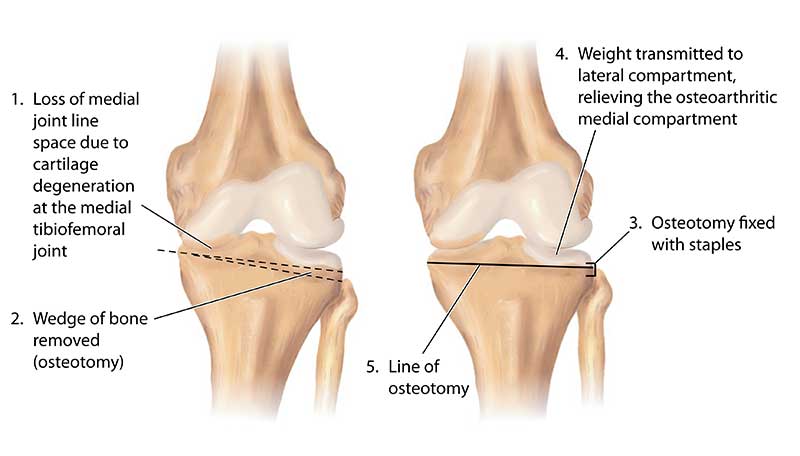
## Knee Osteotomy – Bone Realignment for Knee Health
## Overview of Knee Osteotomy Surgery
Osteotomy, or reshaping the bone, is a surgical procedure to reduce stress on the knees and reshape only one area of the knee joint. If you have an early diagnosis of osteoarthritis affecting one side of the knee, then it must have caused a misalignment for the knee bones. For such people, doctors perform an osteotomy, where the body weight is redistributed away from the damaged location to ensure pain reduction and improved knee function.
At Chennai Orthopaedics, Dr Bharani Kumar Dayanandam and his team provide advanced knee osteotomy treatments that correct the [knee alignment](https://chennaiorthopaedics.com/knee-ailments/) issues and discomforts for better knee health.
## What is knee osteotomy?
Knee osteotomy is a surgical way of aligning the bones in your knee joint to provide pain relief and improve the functions that you have lost due to arthritis or other deformities. This is different from [total knee replacement](https://chennaiorthopaedics.com/knee-treatments/primary-and-revision-total-knee-replacement/), as only the damaged part are corrected and the rest of the joint functions are preserved.
This procedure is usually done for younger patients, usually below 60 years of age, who might be at their early stage of arthritis or have misalignments of the legs like bowleg or knock-knee deformities. The knee angle is adjusted so that the affected side does not get much pressure and the patient will be able to walk without much pain.
There are two main types of knee osteotomy performed by doctors.
- High tibial osteotomy (opening and closing wedge osteotomy)
- Distal femoral osteotomy.
In this article, we shall look into both these procedures in detail and the causes and symptoms of osteotomy, the benefits and risks associated with it, if any, and more.
## Types of Knee Osteotomy Procedures
Knee osteotomy can be done mainly in three different ways according to the deformity type.
### High Tibial Osteotomy (HTO)
High tibial osteotomy is done for realignment of the knee joint for patients suffering from unicompartmental osteoarthritis due to varus deformity. This procedure is done on young sportspeople and helps them get back on their feet by avoiding knee replacement surgery. The patients getting this osteotomy can usually be able to delay the knee replacement surgery requirements up to 10-15 years.
### Distal Femoral Osteotomy (DFO)
This is a more corrective surgery that is done on the lower (distal) part of the femur (thigh bone). This is mainly used to correct the knock-knee or valgus deformity where the knee’s outer area experiences cartilage wear, resulting in excess pressure between the joints.
The surgeon realigns the femur inwards. The closing wedge and opening wedge apply in this method as well, depending on the requirement. Metal plates and screws are used here as well.
**High tibial osteotomy can be done in two ways.**
**Medial opening wedge osteotomy** – In the open wedge procedure, a wedge of the patient’s own bone graft or a synthetic piece is placed on the medial side of the tibia and is secured into it with a metal plate and screws.
**Lateral closing wedge osteotomy** – In this method a wedge of bone is taken from the outer or lateral side of the shinbone (tibia); that area is closed, which brings the cut edges together with the help of metal plate and screws. This is usually done for a larger [deformity ](https://chennaiorthopaedics.com/knee-pain-treatments/knee-deformity-treatment/)and is preferred for complex corrections.
## Benefits of Knee Osteotomy
Knee osteotomy is a minimally invasive procedure that includes cutting and reshaping bone of the tibia or femur to lessen the knee joint stress.
Most patients get pain relief and a delay in arthritis progress, helping them to lead a healthy and normal lifestyle. Osteotomy may delay the need for knee replacement surgery for up to 10 years.
An effective procedure preserves and maintains your natural knee alignment and there won’t be any restrictions once the healing stage is over but some activities msut be done with some extra care for being on a safer side. Patients can normally return to high-impact workouts or other physical activities.
## Indications of Knee Osteotomy
If you have pain only on one side of your knee or pain during activity or long hours of standing, then you can consult a doctor to confirm if you can get it healed through osteotomy. If you are at your early stages of knee arthritis and below 60 years old, you can discuss osteotomy with your doctor.
You must be a non-smoker, and your bone density must be healthy for proper healing. If you have a bowleg or knock-knee deformity, then you can get osteotomy surgery.
There should not be any discomfort under your kneecap, though, and you should be able to straighten your knee and bend to at least a right angle measure (90 degrees).
However, if you have a severe arthritic condition, obesity or concerns with ligaments, like damage, or other discomforts, then your surgeon might consider other alternatives instead of osteotomy.

## The Knee Osteotomy Procedure
A knee osteotomy procedure might take about 1-2 hours to complete, and it is a minimally invasive surgery usually done under general or spinal anaesthesia.
### Preoperative steps
Before the surgery your doctor evaluates you for the condition you are having with your medical history, your lifestyle, and the exact difficulty you are facing. The anaesthesia choices will be discussed with you. The doctor might need X-rays and physical examinations or MRI scans.
### The Surgery
Your surgeon will align your knees with the proper equipment after evaluating your X-rays or scan reports. A small incision will be made at the starting point below your kneecap in the front portion of your knee. The doctor uses guidewires to understand the correct size of the wedge to be cut out. The surgeon then uses an oscillating saw to cut the wedge bone. Then a metal plate is fxed with screws is fixed in the space, and the wound is then closed.
### Post-operative care
This stage includes covering up the cuts and wounds with proper sterile dressings, and medications will be administered to manage pain. Your condition will be monitored properly to make sure there are no complications.
## Recovery & Rehabilitation
Patients usually recover within 3-6 months, but it depends on how well you follow the prescribed aftercare guidelines.
The hospital stay after the surgery will end in two days in most cases. Pain management will be done with medications, and it’s very crucial to enhance the healing process.
During the first two weeks, you would be advised to walk only with crutches to avoid weight bearing on the treated knee. Additionally, the knee might be covered with a cast for additional protection and healing. You must adhere to all the postoperative measures that your surgeon has given to ensure full recovery takes place.
During the 3rd to 6th week, the small weight-bearing exercises might start to regain knee motion and blood circulation. By 3-6 months there will be a great improvement, and you can get back to your normal activities, but the low-impact ones. After 6 months most types of activities can be carried out if your surgeon clears it.
You must do timely follow-up visits to get your progress evaluated by the doctor. This might need further x-ray reports or other examinations. Physiotherapy is a very crucial step to follow to ensure an effective recovery. You must avoid certain habits like smoking/alcohol consumption.
## Risks & Complications of Knee Osteotomy
Even though the knee osteotomy is a minimally invasive procedure, it comes with some risks in some cases. Your doctor will be able to point out all those for making sure you take good care of them after the surgery till you get a full recovery. The most common risks involved are
- Blood clots and infections
- [Knee joint stiffness](https://chennaiorthopaedics.com/knee-pain-treatments/stiff-and-swollen-knee/).
- Blood vessels or nerves might get injured.
- Unsuccessful healing of osteotomy might require a re-surgery.
## Cost of Knee Osteotomy Surgery in Chennai
The pricing of knee osteotomy in Chennai varies with different factors like the hospital, expertise of the surgeon, location, your problem severity, what type of osteotomy is done, and more. The general cost for knee osteotomy in Chennai ranges from Rs 1,20,000 to Rs 1,80,000.
At Chennai Orthopaedics, led by Dr Bharani Kumar Dayanandam, you have flexible payment options for knee osteotomy, and the cost is affordable to ensure people get the timely help without a compromise on quality factors.
You will find insurance coverage along with the flexible payment method at Chennai Orthopaedics, but for more details you may have to get in touch with the financial department.
## Why Choose Dr Bharani Kumar Dayanandam for Knee Osteotomy Surgery in Chennai?
[Dr Bharani Kumar Dayanandam ](https://chennaiorthopaedics.com/best-arthroscopic-surgeon/)completed his MBBS from Tamil Nadu and brings with him over 26 years of experience as an orthopaedic surgeon and trauma specialist. He did his AFRCSI in 2001 at the Royal College of Surgeons in Ireland and a Diploma in orthopaedic engineering in 2004 at the College of Engineering & Medicine, University of Cardiff, Wales. In 2010 he also received an FRCS in trauma & orthopaedics.
Dr. Bharani Kumar Dayanandam is one of the most well-recognised and trusted doctors and is liked by all his patients and fellow doctors for his simple way of explaining things to his patients, which makes them confident and ready for the treatment procedures. He is popular for his patient-centred treatment methods and compassionate approach to them. He has worked with a broad spectrum of interests with many senior surgeons both in India and the UK.
His areas of interest are knee osteotomy, arthroscopic knee surgery, ligament reconstructions, cartilage-preserving surgery, patella realignment, joint arthroplasty, meniscus transplants/implants and much more.
So if you feel you have any of the symptoms or have difficulty in doing everyday activities that require your legs, then you have to consult an orthopaedician for further diagnosis. Dr. Bharani Kumar at Chennai Orthopaedics has the perfect solution for all your problems.
## FAQ’s
**How much does knee osteotomy surgery cost in Chennai?**
The cost of knee osteotomy varies with different factors, but the typical cost range in Chennai is between Rs 1,20,000 to Rs 1,80,000. The price changes with the complexity to higher rates.
**What is knee osteotomy surgery for deformity?**
Knee osteotomy is a minimally invasive surgery where the surgeon cuts the bone and reshapes it to realign with your knee joint area.
**Is knee osteotomy effective for osteoarthritis?**
Yes, if you are in your early stages of osteoarthritis, the osteotomy is effective, as it will be localised only on one side of the knee.
**How long does recovery take after knee osteotomy surgery?**
A full recovery might take about 6-12 months but normal activities can be continued in 3-6 months for most patients without any restrictions.
**What happens during knee osteotomy surgery?**
The surgery would take only 1-2 hours normally but depends on the severity of the problem in patients. The surgeon makes an incision in the front part of the knee and cuts the wedge of bone and replaces it with metal plates and screws, resulting in alignment of bones as natural anatomy.
---
### [Arthroscopic surgery for Shoulder Instability](https://chennaiorthopaedics.com/shoulder-treatments/arthroscopic-surgery-for-shoulder-instability/)
**Published:** November 10, 2025
**Author:** anjujosephgdcs@gmail.com
**Content:**
## **What is a shoulder instability?**
Shoulder instability occurs when the shoulder joint becomes loose, slipping out of its normal position. This can lead to recurrent dislocations, pain, and limited movement and function of the arm. Shoulder instability can be treated with shoulder [arthroscopic surgery](https://chennaiorthopaedics.com/shoulder-treatments/arthroscopic-surgery-for-rotator-cuff-tear/), which would use a small key-hole technique to perform a repair, restore normal stability, and enhance recovery time.
Dr. Bharani Kumar Dayanandam is an experienced Orthopedic, Trauma, and Arthroscopy Surgeon located in Chennai, with over twenty-one years of surgical experience, and clinically, the best in leading surgery and providing care to his patients. Dr. Dayanandam works with his patients using modern practice arthroscopic surgery to enable and expedite their recovery and return to regular activities
## **Understanding Shoulder Instability**

Shoulder instability occurs when the [shoulder joint](https://chennaiorthopaedics.com/shoulder-pain-treatment/) fails to maintain a stable position. The ball portion of the joint slides back and forth outside or within the glenoid cavity. Part of that glenoid cavity is formed by the glenoid labrum, but ligaments also stabilize the glenoid cavity. Any injury to the soft-tissue structure creates the needed soft-tissue instability. Instability is typically demonstrated by weakness or tearing of the soft tissues that attach the shoulder to the joint on the inside and outside of the joint connection.
Shoulder instability is generally categorized into three basic types. Anterior instability is the most common form of instability, in which the shoulder joint is able to move forward and backward. Posterior instability is usually referred to when there is sliding backward of the joint. Multidirectional instability of the shoulder is present when there is laxity when assessed in multiple directions.
In most cases, shoulder instability happens from sports medicine injuries or injuries defined as motor vehicle accident injuries, or repeated overhead use of the shoulder, especially in a clearly weak individual with weak soft tissue around the shoulder ligament itself. All of these injuries make the shoulder weak and eventually lead to slipping and dislocating.
## **Symptoms of Shoulder Instability**
Shoulder instability can lead to sensations of looseness or misalignment. Many people will experience repeated shoulder dislocations with active or forceful movements of the arm that require lifting the arm, or while participating in sports or high-intensity activities. Pain is generally present with dislocations or instability, either with shoulder movement or for those individuals after an arm falls. There may also be a sense of weakness and stiffening, which can limit the ability to raise or rotate the arm.
Some patients may even report hearing or feeling a popping or cracking sensation with movement of the shoulder. This may happen when the soft tissues within the joint become overstretched or partially torn. Following [shoulder dislocations](https://chennaiorthopaedics.com/shoulder-pain-treatment/shoulder-dislocation-treatment/), an individual may experience numbness and tingling progressing downward in the arm and into the fingers. All of these symptoms should be evaluated to prevent repeated injuries or longer-term shoulder difficulties.
## **Diagnosis of Shoulder Instability**
Shoulder instability is diagnosed with a comprehensive physical exam. The doctor will use special tests (e.g., the Apprehension Test, Relocation Test, and Load and Shift Test) to assess the position and[ stability of the shoulder joint](https://chennaiorthopaedics.com/shoulder-pain-treatment/shoulder-soreness-and-ache/). These tests will identify the direction and degree of instability.
Imaging studies also play a key role in confirming the diagnosis. MRI is used to identify labral tears or other soft tissue injuries. CT scans are used to visualize bone defects and changes to the anatomy around the shoulder joint. X-rays are useful in identifying Bankart or Hill-Sachs lesions, which result from [traumatic](https://chennaiorthopaedics.com/shoulder-pain-treatment/shoulder-trauma/) or chronic dislocation.
Once shoulder instability is diagnosed, the surgeon will be able to efficiently plan appropriate treatment. Likewise, an accurate diagnosis will lead to a greater likelihood of a successful arthroscopic stabilization, coordinating the method that is best for the joint, and limiting additional damage to the shoulder joint or surrounding soft tissues.
## **Arthroscopic Surgery for Shoulder Instability**
### **What Is Arthroscopic Shoulder Stabilization?**
Arthroscopic shoulder stabilization is a keyhole surgery or minimally invasive technique that uses a small camera, responsible for which surgery called an arthroscope. This device offers the surgeon a view of the inside of the shoulder joint so that repairs may be performed. The torn labrum is repaired, while the capsule that is loose is tightened to restore stability to the shoulder. Advances in anesthesiology and the effectiveness of [pain ](https://chennaiorthopaedics.com/shoulder-pain-treatment/significantly-reduced-shoulder-function/)management after surgery played a role in managing pain and helped speed recovery.
### **Procedure Steps**
The surgery is commonly done under general or regional anesthesia. Once the patient is in a comfortable position, the surgeon will make three to four small incisions in the skin around the shoulder. An arthroscope will be passed through one of the incisions, allowing the surgeon to visualize the internal structure of the shoulder joint. The torn labrum will be repaired and placed back on the bone, while the loose capsule will be tightened with small suture anchors. The shoulder will have stability and firm fixation with the labrum and the capsule repaired. The surgery usually takes approximately ninety minutes from the start until completion. Most patients are discharged home on the same day because an arthroscopic shoulder stabilization procedure is outpatient.
### **Benefits**
Arthroscopic surgery has many advantages compared to an open surgery. It leaves smaller surgical scars and causes less pain after surgery, leading to faster recovery time and a lower risk of infection. Most patients return to full activity fairly quickly, and it helps to restore strength and stability in the shoulder for long-term comfort. This is especially helpful for athletes or active individuals who want to safely return to their sport.
### **Recovery and Rehabilitation**
The rehabilitation process following arthroscopic stabilization surgery of the shoulder occurs in phases; each is critical for the appropriate healing and returning the shoulder to full function.
**Phase 1 (0-3 weeks):** The arm is immobilized in a sling to protect the shoulder and allow soft tissue healing. During this time, the physician may encourage some passive range of motion in an effort to keep the shoulder flexible while reducing stiffness.
**Phase 2 (3-6 weeks):** The sling will be weaned, and normal light active range of motion will begin in conjunction with physiotherapy. Guided controlled active range of motion will help regain movement and strength in to shoulder, but without adding excessive pressure to the stabilizing soft tissues.
**Phase 3 (6-12 weeks):** The strengthening phase will begin by developing the rotator cuff and scapular musculature with a focus on controlling shoulder motion and reducing repeat shoulder instability.
Most people will achieve full shoulder range of motion and function within a 4 – 6 month window from the date of surgery. Physiotherapy is part of the recovery phase post-surgery, and habitually performing into the post-surgery recovery phase of physiotherapy intervention will improve your body’s response to stiffness, pain, or re-injury. Patients may return to normal activities or play sports with an optimal process.
## **Why Choose Dr. Bharani Kumar Dayanandam**
[Dr. Bharani Kumar Dayanandam](https://chennaiorthopaedics.com/best-arthroscopic-surgeon/ "Dr. Bharani Kumar Dayanandam") is an esteemed Orthopaedic and Trauma Surgeon with over twenty-one years of experience. He is a specialist in Arthroscopic Shoulder Surgery, Joint Replacement, and Sports Injury. He completed his advanced training in the UK at Prince Charles Hospital and the University Hospital of Wales.
His clinical skills include, but are not limited to: Arthroscopic Shoulder Stabilisation, Rotator Cuff Repair, Ligament Reconstruction, and Joint Arthroplasty for primary and revision, in addition to his innovative repeat procedure techniques that lessen pain and speed up recovery time.
Patients report his accuracy along with the care he takes in every procedure, as well as his desire to match the patient to the best treatment for their pathology and situation. Dr. Bharani Kumar’s skill set in education ensures safety for truly optimum long-term therapeutic outcomes. This is why he is well-regarded as one of the best shoulder surgeons in Chennai.
### Trust Your Recovery to a Shoulder Specialist
Shoulder instability may prevent you from participating in your preferred active lifestyle. Arthroscopic shoulder stabilization can help provide lasting relief from shoulder instability, as well as improve the fluidity of movement in your shoulder. [Dr. Bharani Kumar Dayanandam](https://chennaiorthopaedics.com/best-orthopaedic-doctor-in-chennai-dr-bharani-kumar-dayanandam/ "Dr. Bharani Kumar Dayanandam") is a specialist in complex arthroscopic shoulder surgery in Chennai. He commits to performing surgery with precision and comfort for the patient. His experience and specialized training in arthroscopic surgery will help you regain your strength and confidence in the safest way possible.
---
### [Wrist Tumour](https://chennaiorthopaedics.com/wrist-pain-treatment/wrist-tumour/)
**Published:** November 21, 2025
**Author:** suneethagdcs@gmail.com
**Content:**
The bones of [wrist joint](https://chennaiorthopaedics.com/wrist-pain-treatment/) may get bone tumour or cancer from some other part of the body may spread and reach bones of wrist. It may be benign or malignant. This occurs due to uncontrolled or abnormal growth of cells in the bone that results in the formation of a lump. Wrist cancer can also originate in the bone marrow, skin, cartilage, and soft tissue. The most common types of cancers seen in hand or wrist are Ganglion cyst, Giant cell tumour of the tendon sheath or epidermal inclusion cyst. Others like lipomas (fatty tumors), neuromas (nerve tumors), nerve sheath tumors, fibromas and glomus tumors, etc. may occur rarely.
**Causes:**
Although the exact cause of tumour is not known but it can be associated with genetics, radiation treatment, and injuries to the bones.
**Symptoms:**
Tumour in the wrist may cause symptoms like:
- A dull ache in the affected bone that starts off as occasional and then becomes severe and constant
- Severe wrist pain that can wake you up in the night
- Weakening of the involved bone can lead to fractures
- Swelling at the site of the tumor
- Enlarged lymph nodes
- Night sweats or fevers with chills
- A new mass of tissue or lump may be felt in the wrist
- Fatigue and a general ill feeling
[Authored by Dr Bharani Kumar Dayanandam, MBBS, Orthopaedic Surgeon](https://www.chennaiorthopaedics.com/best-arthroscopic-surgeon)
---
### [Arthroscopic Knee Surgery in Chennai - Best ACL & PCL Treatment](https://chennaiorthopaedics.com/knee-treatments/arthroscopic-knee-surgery-for-acl-pcl/)
**Published:** November 18, 2025
**Author:** Akhila
**Content:**
## Arthroscopic Knee Surgery for ACL/PCL – Minimally Invasive Ligament Surgery
## Comprehensive Care for Knee Ligament Injuries
Consider your knee as a knuckle joint, where the upper thigh bone and lower shin bone are joined together with rope-like structures – the [knee ligaments](https://chennaiorthopaedics.com/knee-ailments/). These ligaments are the ACL (anterior cruciate ligament), PCL (posterior cruciate ligament) and MCL (medial collateral ligament).
A fibrocartilaginous tissue – the meniscus between the bones – is what helps the ACL and PCL move the bones freely. It is a disc shaped pad and hence acts as a shock absorber for the knees. When these ligaments or cartilage are injured, you will get knee injuries that will result in your mobility loss and affect your life’s quality in a severe way.
Knee injuries can happen to anyone or any age group at any time. The most common causes of knee injuries are serious accidents where the knee gets hit, falling from a height, landing on the knee or intense sport activities. However, there are remedies available for these types of injuries.
Arthroscopic knee surgery is the most popular treatment to correct knee injuries. It is minimally invasive in nature and surgeons assess the inside of the joints to evaluate the severity and perform the surgery with the help of the visuals. It is commonly used for ACL, PCL and meniscus injuries.
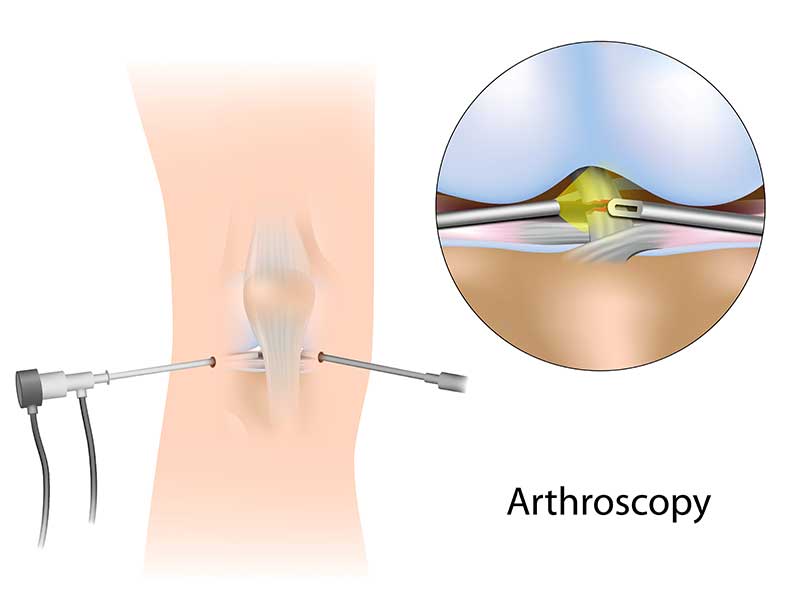
[Dr. Bharani Kumar Dayanandam,](https://chennaiorthopaedics.com/best-arthroscopic-surgeon/) at Chennai Orthopaedics, who is a prominent and well-experienced Orthopaedic Surgeon and Trauma Consultant for over 21 years, provides arthroscopic knee surgery, along with other speciality treatments with precision and quality to cure knee problems.
## What is Arthroscopic Knee Surgery?
As mentioned earlier, knee injuries can occur due to many reasons, and the ACL or PCL (the knee ligaments) or the meniscus might get affected big time.
Arthroscopy is a technique used by orthopaedic surgeons to examine and treat injuries or defects inside the[ joints ](https://chennaiorthopaedics.com/joint-pain/)of an individual with the help of a camera – the arthroscope.
Knee arthroscopy is the same method but used only for assessing the knee joints.
In this minimally invasive procedure, the surgeon makes small cuts and inserts a [camera ](https://chennaiorthopaedics.com/knee-treatments/computer-navigated-and-robotic-total-knee-replacement/)to look into the area, which will be visible on a big screen set in the room. Then they fix the issues as required by the condition without damaging any surrounding tissues.
Knee arthroscopy is usually done on patients if they are over 35 years of age, where natural healing might be delayed with traditional operative procedures. But it is also very common in young athletes aged between 18 & 35 who keep getting [ACL and PCL](https://chennaiorthopaedics.com/knee-treatments/arthroscopic-knee-surgery-for-acl-pcl/) tears very frequently.
The best part of knee arthroscopy is that the affected area doesn’t go under the knife like the traditional surgical methods and hence you will experience only minimal pain and scarring, unlike in open surgery.
## Types of [Knee Injuries](https://chennaiorthopaedics.com/knee-pain-treatments/knee-fracture-treatment/) Treated with Arthroscopy
### ACL Tears & Reconstruction
ACL or the most stable ligament, is the rope-like structure starting from the thigh bone till the lower shin bone. When this gets torn, it causes knee instability. Injuries can be from sports activities like netball, football, soccer, basketball, or more, where pivoting, jumping, etc., is involved. The person will face knee instability and will keep having continuous knee pain
The anterior cruciate ligament or ACL, is not a single cord but a combination of bundles of single fibers, and hence a bit complicated in structure. It used to be open surgical procedures followed by doctors for reconstructions earlier. But every surgeon has their own way to do an ACL reconstruction on patients with the advanced medical innovations. Dr Bharani Kumar Dayanandam uses an intra-articular procedure through arthroscopy where a proper evaluation of the patient’s condition is done and then proceeds.
### PCL Tears & Reconstruction
The same goes with the posterior cruciate ligament or PCL, which is located at the back of the knee. When the PCL gets injured, you won’t be able to move the knee to the back. The injuries in PCL can happen commonly during accidents with a direct shock involved or a sudden twist or overextension of the[ knee ](https://chennaiorthopaedics.com/knee-treatments/primary-and-revision-total-knee-replacement/)with a hit.
The PCL injuries appear in three forms. In grade 1, where the damage is mild; in grade 2, the ligament will be partially torn and with a grade 3 injury, complete damage occurs in the ligament, where it might be cut into two halves causing severe pain and instability.
### Meniscus Tears
The meniscus is commonly known as the shock absorber and allows easy rotation of the knee joints. It has no blood supply and any injury caused on it will not be able to heal normally. When the ACL injury occurs, it might create a great force on the meniscus, which increases meniscus tears as well. In such cases the knee arthroscopy can be used to perform both ACL and meniscus reconstruction.
### MCL & LCL Surgery
There is also a medial [collateral ligament](https://chennaiorthopaedics.com/knee-treatments/collateral-ligament-injury-of-the-knee/) (MCL) and lateral collateral ligament (LCL) that support the sides of the knee. They are situated on the interior of the knee that connects the topmost part of the shinbone (tibia) to the lower part of the thighbone (femur).
When this gets damaged or gets multiple tears, doctors use a minimally invasive procedure or an open surgery for reconstruction of the same. The injuries for MCL can also be in three forms – grade, 1,2,and 3 depending on the severity. This is comparatively a more complex procedure and is provided by Dr. Bharani Kumar.
## Benefits of Knee Arthroscopy
The major benefits of knee arthroscopy are that there will be only a small number of incisions involved and the recovery time is faster than with open surgery. Also there will be minimal risk of infections. You don’t have to stay in the hospital for long, like with open surgery.
## The Knee Arthroscopic Procedure
The knee arthroscopic procedure is done in steps. Before starting any kind of surgery, a proper assessment is very important. Knee surgeries also follow the same rules. Your doctor will be able to assess what your actual problem is and only when he suggests a surgery is needed, it is performed.
- The surgery can be done in hospital, where you will be given local anaesthesia to numb the area.
- A regional or general anaesthesia, will be given additionally to make your whole lower waist area also numb. And then you will be put to sleep.
- After cleaning the area, the surgeon makes a small incision in your knee and the metal arthroscope is inserted into the incision.
- The doctor will be able to see images inside the joints, which helps him identify the damage type and severity.
- Then repairs are made on the torn ligaments or meniscus, and the damaged bone is also shaved off if necessary.
- Once the procedure is done, the incisions are closed by stitching them and covering them up with small bandages. The knees will be finally wrapped with larger dressing as well.
- You will be under proper monitoring once the procedure is done. Let us look into more details of postoperative care of the surgery.
## Recovery & Rehabilitation After Knee Arthroscopy
The first and foremost step in recovery after knee arthroscopic surgery is managing pain. The patient will be given medications for pain management and the doctor might recommend using ice applications to bring down the swelling. The wounds, even though small, would need to be covered as long as the doctor advises.
After about 2 weeks, the bandages would be removed. Immobilisation may be suggested for the initial days. Immobilisers will be provided to help with the same for a month.
The patient will be advised not to put on weight on the treated knee and hence crutches would be recommended. They would need to keep the leg elevated to relieve [pain and swelling.](https://chennaiorthopaedics.com/knee-pain-treatments/pain-and-swelling-in-knee/)
Once the healing time is over, the patient would need physical therapy that will be customised for the specific condition the patient has gone through. The PT helps regain strength and mobility, as it will have special exercises meant for the same.
## Risks & Complications of Knee Arthroscopy
It is very uncommon to get any side effects after a knee arthroscopy is done. However, some people might get some complications after the surgery.
The risks might range from bleeding to infection.
- Blood clots
- Stiffness in the knee
- Blood pooling in the knee causes severe swelling (extremely rare).
- Nerve damage
- Infection at the area of incision.
It is always better to be safe than to be sorry; hence, you must follow instructions on aftercare very strictly to avoid any complications.
## Cost of Knee Arthroscopy Surgery in Chennai
The ACL, PCL, or MCL surgery cost in Chennai, depends on a wide range of factors, like the hospital where it is done, its location, the type of procedure, the surgeon’s experience in the same, if it has got an insurance cover, etc.
The ideal knee arthroscopy cost in Chennai ranges from ₹1,20,000 to ₹2,80,000. However, the expense depends on the above-said factors and can vary substantially. At Chennai Orthopaedics, the price options are kept flexible, affordable and transparent for patients to get the best procedure under high-quality guidance.
The costs are customised based on your problem and what you need. For this you must first book a personal consultation and then have an idea on the charges.
## Why Choose Dr. Bharani Kumar Dayanandam for Knee Arthroscopy Surgery in Chennai?
At Chennai Orthopaedics, Dr. Bharani Kumar brings with him over 26 years of experience as an orthopaedic surgeon and a trauma consultant. He specialises in arthroscopic knee surgery, joint arthroplasty, osteotomy, rotator cuff repair, shoulder stabilisation, arthroscopic shoulder decompression and much more.
Apart from being an MBBS graduate at Dr MGR Medical University, India, Dr. Bharani Kumar has also achieved AFRCSI from the Royal College of Surgeons, Ireland and Diploma in Orthopaedic Engineering from the University of Wales. He also got an FRCS in Trauma & Orthopaedics in 2010.
If you have any kind of joint pain, shoulder pain, or mobility issues it is the best decision to visit Dr. Bharani Kumar Dayanandam and get yourself the quality treatment from the best hands.
## Patient [Testimonials](https://chennaiorthopaedics.com/testimonials/) – Success Stories
From doctors website
## Big Thanks To Dr Bharani Sir
Thank you Dr. Bharani Sir.. for your excellent work while performing surgery on my mother Minakshi Chatterjee from WB for her fracture of Hip joint. To your skilled hands, my mother’s symptom is very insignificant and my mother’s unbearable difficulty was much less after resolving it. Thank you again Sir for this outstanding work which you have done. My mother is feeling much better now. I’m eternally thankful that there were not any complications during the surgery. The word thank you is very insignificant to this great work of yours. GOD Bless You Sir..
## Knee replacement surgery
Dear Dr.Bharani Kumar Dayanandam, I want to express my heartfelt thanks on behalf of my whole family. My Mother G.Vasanthi was going through immense pain and suffering due to her knee problem. The elegant way in which you have guided us and performed the knee replacement surgery has helped her greatly. The ease with which you have handled all her doubts and made her feel very comfortable during the whole process has greatly helped her to face the surgery with confidence and recuperate very soon. My mother has greatly improved in her health within a month from the surgery and is able to perform her day to day activities with great ease now. The surgery has not only changed her life but the whole family’s everyday life has improved immensely. We cannot thank you enough for the excellent care and exceptional professional services that you have provided.
## FAQs
**How long does ACL surgery recovery take?**
The recovery usually takes about 6-7 months before you can start your normal activities or sports. But aftercare and physical exercises need to be followed as prescribed by the doctor.
**What happens during knee arthroscopic surgery?**
The doctor makes small cuts in the target area and inserts a camera to get a view of the damage while using small tools to perform surgery and repair.
**Is knee arthroscopy effective for meniscus tears?**
Of course, knee arthroscopy can be used to repair or remove damaged meniscus tissues along with ACL reconstruction too.
**What are the risks of ACL surgery?**
While the risks are very rare, like any surgical procedure, when cuts are made, there could be some risks involved only in some people. They include bleeding, clotting, infections, etc.
**How much is the cost of ACL surgery in Chennai?**
The cost of ACL surgery in Chennai depends on various factors like the hospital where it’s done, the surgeon’s expertise, the type of procedure, etc. Hence, it is always recommended to consult with the hospital that you are meeting your doctor at.
---
### [Wrist Trauma](https://chennaiorthopaedics.com/wrist-pain-treatment/wrist-trauma/)
**Published:** November 20, 2025
**Author:** suneethagdcs@gmail.com
**Content:**
[Wrist joint](https://chennaiorthopaedics.com/wrist-pain-treatment/) is made up of various structures like bones, ligaments, muscles etc. that may get injured due to trauma. Trauma may result in wrist injuries like fractures, dislocation, and sprains and tears of soft tissues, like ligaments. In many cases, injuries involve more than one structure in the wrist joint.
## **Causes:**
The most common cause of wrist injury and fracture is vehicular accident, fall from height on an outstretched hand or abnormal twisting or bending of the wrist. It can also occur due to blunt trauma to the wrist, such as from a car crash. Twisting, rolling or rotating of wrist may also injure it. Weak bones (for example, in osteoporosis) tend to break more easily.
## **Symptoms:**
The symptoms of wrist trauma may include any of the following:
- Pain in the wrist
- Swelling of the wrist
- Bruising in or around the joint
- S[tiffne](https://chennaiorthopaedics.com/wrist-pain-treatment/stiff-and-swollen-wrist/)ss
- Inability to move the wrist
- Redness and warmth over the joint
- Bone protruding out of the joint
- Deformity (“out of place”), particularly if the wrist joint is dislocated as well
[Authored by Dr Bharani Kumar Dayanandam, MBBS, Orthopaedic Surgeon](https://chennaiorthopaedics.com/best-arthroscopic-surgeon/)
---
### [Wrist Soreness and Ache](https://chennaiorthopaedics.com/wrist-pain-treatment/wrist-soreness-and-ache/)
**Published:** November 21, 2025
**Author:** suneethagdcs@gmail.com
**Content:**
A [wrist joint](https://www.chennaiorthopaedics.com/wrist-pain-treatment) that is painful and uncomfortable while performing activities like bathing, holding a glass, writing, cooking etc. is termed as sore wrist.
**Causes:**
It can occur due to various reasons like injury of the wrist joint, sprain, infection, overuse of the joint, malalignment of the bones, carpel tunnel syndrome or weak or unbalanced wrist muscles.
**Symptoms:**
Soreness in wrist joint can be felt as discomfort as any of the following:
- Severe pain
- [Swelling](https://chennaiorthopaedics.com/wrist-pain-treatment/pain-and-swelling-in-wrist/)
- Bruising
- Inability to move the joint
[Authored by Dr Bharani Kumar Dayanandam, MBBS, Orthopaedic Surgeon](https://chennaiorthopaedics.com/best-arthroscopic-surgeon/)
---
### [Wrist Infections](https://chennaiorthopaedics.com/wrist-pain-treatment/wrist-infections/)
**Published:** November 21, 2025
**Author:** suneethagdcs@gmail.com
**Content:**
[Wrist joint ](https://www.chennaiorthopaedics.com/wrist-pain-treatment)infection is a serious condition that needs immediate medical intervention. It happens when germs get into the bone or joint and reproduce. Viruses, bacteria, fungi and parasites can all cause infections.
## **Causes:**
Wrist joint infection may occur due to infected or septic arthritis, septic joint, infection after wrist surgery or after wrist replacement, bursal infection, soft tissue infection or cellulitis.
## **Symptoms:**
Symptoms of wrist infection generally include the following:
- Fever with chills
- Fatigue
- Generalized weakness
- Inability to move the wrist
- Severe pain in the joint, especially with movement
- Swelling
- Joint is red and warm to touch
[Authored by Dr Bharani Kumar Dayanandam, MBBS, Orthopaedic Surgeon](https://chennaiorthopaedics.com/best-arthroscopic-surgeon/)
---
### [Wrist Fractures or Injuries](https://chennaiorthopaedics.com/wrist-pain-treatment/wrist-fracture-treatment/)
**Published:** November 11, 2025
**Author:** anjujosephgdcs@gmail.com
**Content:**
Wrist fracture means that one or more of the bones that make up the wrist joint (carpal bones, radius or ulna) are broken making it unstable. It can be a simple break in one bone, which may not restrict movement, or several fractures, that may displace wrist out of place.

## **Causes:**
The most common cause of wrist injury and fracture is vehicular accident, fall from height on an outstretched hand or abnormal twisting or bending of the wrist. It can also occur due to blunt trauma to the wrist, such as from a car crash. Twisting, rolling or rotating of wrist may also injure it. Weak bones (for example, in osteoporosis) tend to break more easily.
## **Symptoms:**
The symptoms of wrist fracture or injury may include any of the following:
- Pain in the wrist
- [Swelling of the wrist](https://chennaiorthopaedics.com/wrist-pain-treatment/stiff-and-swollen-wrist)
- Bruising in or around the joint
- Stiffness
- Inability to move the wrist
- Redness and warmth over the joint
- Bone protruding out of the joint
- Deformity (“out of place”), particularly if the wrist joint is dislocated as well
[ Authored by Dr Bharani Kumar Dayanandam, MBBS, Orthopaedic Surgeon](https://www.chennaiorthopaedics.com/best-arthroscopic-surgeon)
---
### [Wrist Deformity](https://chennaiorthopaedics.com/wrist-pain-treatment/wrist-deformity-treatment/)
**Published:** November 21, 2025
**Author:** suneethagdcs@gmail.com
**Content:**
[Wrist deformity](https://www.chennaiorthopaedics.com/wrist-pain-treatment) is the malformation or distortion of the normal shape and positioning of the wrist. One such deformity is Madelung’s deformity that is characterized by malformed wrists and wrist bones and is often accompanied by short stature.
## **Causes:**
It is caused by growth disturbance and occurs predominantly in adolescent females. It often has a genetic etiology.
## **Symptoms:**
It is a congenital subluxation or dislocation of the distal end of ulna, due to malformation of the bones. The deformity is mainly characterized by pain, decreased range of motion, and deformity.
[Authored by Dr Bharani Kumar Dayanandam, MBBS, Orthopaedic Surgeon](https://chennaiorthopaedics.com/best-arthroscopic-surgeon/)
---
### [Unicompartmental/Partial Knee Replacement in Chennai](https://chennaiorthopaedics.com/unicompartmental-partial-knee-replacement-in-chennai/)
**Published:** November 21, 2025
**Author:** Akhila
**Content:**
## Partial Knee Replacement: Who Needs It and Why
When you can walk freely and bend your legs without any problem, that means your knees are doing well. But[ knee joints ](https://chennaiorthopaedics.com/knee-ailments/)are highly affected when you have certain bone conditions like osteoarthritis, ageing, obesity and any kind of injury. As a result, you will have severe knee pain, and it will prevent your free movement, which will eventually affect your quality of life.
There are several ways in which your knees can be treated, like non-surgical ways and surgical methods. But when the condition does not get any better with just injections and medications, physiotherapy, etc., surgical treatment becomes the only option. Thanks to the advanced medical treatment available for partial knee replacement in Chennai, you can improve the condition with a minimally invasive procedure.
## **What Is a Partial Knee Replacement?**
Knee arthritis can affect people in different ways, because it can do either full damage to the cartilage tissue or just partial damage. So every time when the doctor says you need knee replacement surgery, it doesn’t mean you have to get a full replacement. There are options like partial [knee replacement](https://chennaiorthopaedics.com/knee-treatments/primary-and-revision-total-knee-replacement/) for people who got damage only in one part of the knee cartilage. This preserves the other undamaged parts of natural bone or the ligaments and muscles well.
Osteoarthritis is the most common type of arthritis occurring in people that makes your daily activities like walking , running, bending or anything with your legs really difficult.
Some patients might have only localised arthritis and not full-blown arthritis. For such people unicompartmental knee arthroplasty is the best option. This is a joint replacement (arthroplasty) where only the damaged compartments of the knee are replaced with prosthetic parts to help you start moving in an effortless way.
## **Who Needs Partial Knee Replacement?**
When you have an osteoarthritic knee, and if you fail non-surgical healing continuously, then the doctor will consider doing an arthroplasty. If your arthritic condition is limited to only one compartment, then you should consider doing a partial knee replacement if your doctor says that.
You might be having prominent knee stiffness, damage or inflammation in one part of your bones, but at the same time your ligament stability might be good, and you might have a good range of motion as well. If you do not have any severe knee deformity, then you can consider doing a unicompartmental knee arthroplasty. This will be evaluated in detail by your orthopaedic surgeon, and only if he recommends it will you be an eligible candidate for the procedure.
## **[Partial vs Total Knee Replacement – Which is Better For You](https://chennaiorthopaedics.com/knee-treatments/primary-and-revision-total-knee-replacement/ "Partial vs Total Knee Replacement – Which is Better For You")**
Your knee is made up of mainly three compartments – medial, lateral and patellofemoral.
- The medial compartment is the inside of the knee.
- The lateral is the outside of the knee.
- The patellofemoral is the front portion of the knee.
During a partial or unicompartmental [knee replacement](https://chennaiorthopaedics.com/blog/knee-replacement-surgery-cost-chennai/ "knee replacement"), the part of the knee where osteoarthritis has affected it is replaced with prosthetics, usually the medial compartment. But the patient might need a full knee arthroplasty when the whole of the cushion-like cartilage tissue damages all the compartments of the knee. Here all three compartments of the knee are fully replaced.
- Both types of knee replacement surgeries are done in patients with osteoarthritis depending on the damage in the cartilage tissue. Having said that, there are both advantages and disadvantages in both the methods.
- Partial replacement involves only a small incision in the affected area, and for the same reason, the recovery is very fast, unlike full arthroplasty, which will require bigger cuts and slow recovery.
- Partial knee replacement will cause only very little blood loss and scarring, unlike the total surgery.
- The other bone parts and ligaments are preserved in partial knee replacement and this gives the patient a more natural feeling with nerves and ligaments attached properly to the bone. But total knee replacement is done with the removal of ligaments and the sensation of nerves sending signals to the brain might get damaged. So patients report feeling artificial while moving or walking.
- Due to minimal cuts, there is much less chance of infection, loosening, fracture and many more for a partial replacement.
## **How Unicompartmental Knee Replacement is Performed**
Before even suggesting a partial knee replacement surgery, your surgeon will conduct a complete evaluation to decide if you are the right candidate for the surgery.
This includes medical history, where your doctor understands about your medical conditions, any other treatments you are undergoing, medications (if any), where the pain is located, how much it interferes with your daily tasks, and more.
After that the doctor will need your physical examination reports like X-rays, MRI scans, and blood reports.
Once you are found eligible, you will be made ready for the surgery.
- You will be given general anaesthesia to make you sleep.
- Also, a spinal anaesthesia will be given for numbing your waist-down area.
- Your doctor will now confirm your exact location for the surgery.
- A small incision will be made on your knee and the doctor will check all three compartments to make sure only partial damage is done to one of the compartments.
- The surgeon then removes the targeted damaged cartilage or bone.
- The metal prosthetic pieces are then inserted, after which polyethylene spacers are also inserted between the metal to create an artificial cushion for the free movement.
At Chennai Orthopaedics, Dr. Bharani Kumar Dayanandam brings with him over 26 years of experience in performing precision-based unicompartmental knee replacement to give you effortless mobility and freedom from pain.
## **Benefits of Partial Knee Replacement Surgery**
There are many benefits from getting a partial knee replacement surgery.
- A less invasive approach that gives you a minimal amount of pain.
- Fast recovery and short hospital stay.
- Reduced blood loss or post-surgical pain, unlike in traditional surgery.
- Natural knee components are preserved, giving a natural feeling.
- The rehabilitation process is quicker and effective.
- Future revision is easier, only when needed.
## **Recovery After Partial Knee Replacement**
Though it may take a few months to get a complete recovery after a unicompartmental knee replacement, after about 6 weeks you should be able to resume the first of your usual tasks.
Recovery time depends on several factors like your age, health conditions, and what type of activities you were doing before surgery. Your surgeon will be able to tell you when you can start doing light activities. Before getting there, you have to follow the recommended aftercare measures to ensure a faster recovery.
- Keep your knee elevated, usually above heart level, to ensure proper healing takes place.
- The incision made at the surgery area should be kept well covered to avoid any types of infections and timely dressings should be done to keep it clean.
- You can ice your knee for about 20 minutes at regular intervals to manage [pain and swelling](https://chennaiorthopaedics.com/knee-pain-treatments/pain-and-swelling-in-knee/).
- Some light exercise activities like walking with the help of a walker will be prescribed by the surgeon to perform at home to strengthen your muscles and avoid any stiffness.
- Additional post-surgery physiotherapy sessions also might be prescribed for improved mobility.
## **Cost of Partial Knee Replacement in Chennai**
The pricing of a partial knee replacement in Chennai varies with different factors, like the type of knee damage, your surgeon’s expertise, the hospital where you are getting it done, like its location and reputation, etc.
The costs vary substantially depending on the hospital and the doctor, but it usually ranges from ₹1,50,000 to ₹4,00,000. At Chennai Orthopaedics, the costs are flexible and transparent, with affordable pricing packages available for all people. This is to make sure that knee replacement can be accessed by all without any compromise on quality.
## **Success Rate of Partial Knee Replacement**
A partial knee replacement or a unicompartmental knee arthroplasty, has shown high success rates in reducing pain and getting the patient back on their feet again as normal as before. It has improved the patients’ quality of life, as the knee pain is no longer the barrier in their lives.
Our patients have reported high satisfaction rates, as they have been able to see significant outcomes that made them free again for walking and moving. According to a research report, over 90% of patients have reported positively about their PKR (partial knee replacement)
The majority of the PKRs have been shown to last for 10-15 years or maybe more in some. This shows how effective the procedure is, especially when it is done by an experienced knee replacement surgeon.
The success rates also depend on how well you take care of the knee after the surgery. This has to be followed by actively participating in the recommended physiotherapy and avoiding any risky activities that might strike your knees.
## **Why Choose Dr. Bharani Kumar Dayanandam for Partial Knee Replacement in Chennai?**
[Dr Bharani Kumar Dayanandam](https://chennaiorthopaedics.com/best-arthroscopic-surgeon/) holds an MBBS, AFRCSI, Diploma in Orthopaedic Engineering (Cardiff, Wales), and an FRCS (Trauma and Orthopaedics) and brings with him over 26 years of experience as an orthopaedic surgeon and trauma specialist.
He is Senior Consultant – Orthopaedics & Joint Replacement Surgery at Kauvery hospital which has world-class amenities and advanced technology. His focus on patient care is highly recognised by his patients. He provides surgeries with care and precision, and all involve only minimal pain. Patients usually recover fast with his treatments.
His fields of interest are arthroscopic knee surgery, ligament reconstructions ([ACL, PCL](https://chennaiorthopaedics.com/knee-treatments/arthroscopic-knee-surgery-for-acl-pcl/), MCL, PLC), meniscus transplants/implants, patella realignment, cartilage-preserving surgery, joint arthroplasty, osteotomy, arthroscopic shoulder replacement/decompression, rotator cuff repair and shoulder stabilisation.
Dr. Bharani Kumar has a multidisciplinary team of sports injury specialists, physiotherapists and other surgeons led by himself to give the best orthopaedic care for both surgical and non-surgical treatments at[ Chennai Orthopaedics.](https://chennaiorthopaedics.com/ " Chennai Orthopaedics.")
## FAQ’s
******What is the difference between partial and total knee replacement?******
A total knee replacement is the complete replacement of all the compartments that form the knee, while a partial replacement involves only replacing a damaged compartment while keeping the other areas preserved.
******Who is a good candidate for unicompartmental (partial) knee replacement?******
If your knee damage is only in one compartment and you still have stable ligaments for support, then you can get a partial knee replacement.
******How much does a partial knee replacement cost in Chennai?******
Partial knee replacement costs in Chennai usually come between Rs 1,50,000 to Rs 4,00,000 depending on several factors like the hospital, the expertise of the surgeon and the severity of the condition.
******How long is the recovery period after a partial knee replacement?******
Most people start with their daily activities in about 6 weeks after the surgery. While a full recovery might take a couple of months.
********Is partial knee replacement worth it?********
Yes, partial knee replacement is worth it for many people, as it offers quicker recovery and results can last up to 10 years. This is ideal for people who have knee damage and yet don’t need to do a full knee replacement.
**********Does partial knee replacement feel natural?**********
Many patients report that partial knee replacement feels more natural. This is because only a part of the knee is replaced and all other natural and healthy parts are well preserved.
---
### [Total Hip Replacement Surgery In Chennai - Procedure, Benefits, Cost & Recovery](https://chennaiorthopaedics.com/total-hip-replacement-surgery-in-chennai-procedure-benefits-cost-recovery/)
**Published:** December 3, 2025
**Author:** Akhila
**Content:**
## When Hip Pain Affects Daily Movement and Quality of Life
Your hip is one of the largest joints of all in the body. It helps you walk, sit, stand rotate your legs, and more with no extra effort. However damages, trauma or injuries to the [hip joint](https://chennaiorthopaedics.com/hip-pain-treatment-chennai/) will give you the hardest experience of all and you are likely to experience severe pain and immobility. This article will provide you with the anatomy of the hip joint, how the injury affects you and what remedies you have for getting it back on track.
## **What is Hip Replacement?**
Your hip joint is just like the structure of the shoulder joint – the ball and socket model. But the hip joint is the largest one in the body, and the ball of the thigh bone (femur) – the largest bone in your body – rests in a socket in the hip (pelvis). This allows you to do a wide range of motion with your leg.
As time passes by, the hip joint might also get damaged due to wear in the cartilage cushion between the ball and the socket. This leads to the bones grinding against each other, causing severe pain too. The major cause could be arthritis or an injury, in which osteoarthritis is the most common one. People would ultimately need a hip replacement to overcome the issue.
During a hip replacement the surgeon will remove the damaged parts of the joint and replace them with prosthetic hip joint parts which will function exactly like the normal hip joint.
There are different types of hip replacements done today as per the patient’s problem and its severity.
- Arthroscopy
- Periacetabular osteotomy (PAO)
- Hip resurfacing
- Cartilage transplant
- Total hip replacement.
In this article we shall look into the total hip replacement procedure and its details.
## **What Is the Major Cause of Hip Joint Impairment?**
There are a lot of causes for getting hip pain or discomfort, leading to medical intervention, the most common of all being arthritis.
### **Osteoarthritis**
This condition usually occurs in people aged 50 and older, where the cartilage tissues cushioning the hip will start wearing off. People having a family with a history of arthritis can also get this condition. The bones start rubbing against each other and cause extreme pain and stiffness, which would need to be taken care of with the help of an orthopaedician.
### **Rheumatoid Arthritis**
In this condition the body’s immune system plays the major role. There is a thick lining inside the hip joint called the synovial membrane that produces a lubricant for the bones to move freely. This synovial membrane will get inflamed and thickened as an autoimmune response from the body. This leads to damage of the cartilage and gives you severe pain along with stiffness. The hip joint can get severely affected by rheumatoid arthritis.
### **Post-Traumatic Arthritis**
The arthritis can be caused by various factors. Post-traumatic arthritis is a condition that occurs after a hip fracture or an injury where the cartilage becomes damaged and leads to hip problems.
### **Osteonecrosis**
This is a hip injury followed by a hip dislocation or even a fracture where the blood supply to the femoral head or the top portion will be limited. With such a lack of blood, the surface of the bone may collapse, causing arthritis, leading to hip damage.
### Hip disease in childhood or wear and tear with ageing or injury
Some children would have had hip problems in their early childhood which would have been treated. But still they may get arthritic conditions in the future, as their hips may not grow in a natural way and affect their hip joints.
## **What Happens During Hip Replacement Surgery?**
If you have symptoms showing a bad hip function, then you would need a medical diagnosis to confirm what actually is the issue. If your doctor advises you of a total hip replacement, then here are the steps that are usually followed for the same.
### **Pre-surgery**
You will be taken through a thorough evaluation for a clear idea of what your hip joint damage is and whether you need a partial or a total hip replacement. For this you will be asked to provide blood work, hip x-rays, and urinalysis. In addition to that, you might need an MRI, EKG and CT scan for a clear treatment plan.
During this stage your social planning and home planning about the aftercare procedures also will be discussed to ensure an effective recovery.
### **During the surgery**
The hip replacement surgery can be done either by getting admitted to the hospital or by getting a same-day surgery too. You will be given anaesthesia to put you to sleep. Nerve block anaesthesia also will be given to numb your body from the waist down.
The artificial implant will have a ball component made of strong metal or ceramic material. The socket prosthetic will usually be a durable plastic or ceramic cup with an outer metal shell.
The surgery usually takes about 2 hours maximum but depends on the complexity of the condition. Here the damaged cartilage and bone will be removed and then the new implant will be fitted in to restore the alignment of your natural hip anatomy.
### **Post-surgery**
Once the surgery is over, you will be kept under observation till the sedation from the anaesthesia leaves your body, and then you will be either shifted to a room or will be sent home.
As a part of postoperative care, you will be given medications for pain management. The doctor will remove the stitches or staples, usually two weeks after the surgery. You should take proper care of the wound till it is thoroughly sealed.
During the post-surgery period, you will be recommended to actively participate in the physiotherapy workouts. It would start with very low-impact exercises and then progress gradually towards strengthening exercises. You should be able to resume your daily routines within 3-6 weeks after the surgery.
## **Benefits of Total Hip Replacement Surgery**
The majority of the hip replacement surgeries are very successful, as the patients have a phenomenal improvement in their symptoms like pain or stiffness. The patients get increased mobility after a full recovery, and it makes it easier for them to walk, climb stairs, sit, or do any other ROM.
The main benefits reported are
- Long-term pain relief
- Restored mobility and management
- Improved quality of life
- High success rates with new and advanced implants.
Who Is an Ideal Candidate for Total Hip Replacement?
You would need to consult with your orthopaedic surgeon to confirm if you need hip replacement surgery. For that you must identify what your symptoms are.
The common symptoms are:
- Discomfort which interferes with sleep
- Difficulty in climbing stairs or going down the stairs.
- Pain that doesn’t subside even with pain medication.
- Immobility and stiffness are getting worse.
- Unmanageable pain, swelling, and bruising in the hip which might indicate a fracture.
Based on a detailed evaluation, your doctor will be able to diagnose the actual problem and inform you which type of hip replacement is to be done.
## **Total Hip Replacement Surgery Cost in Chennai**
The cost of total hip replacement in Chennai can vary substantially depending on a lot of factors, like which implant type is used, how complex the condition is, and the hospital and surgeon’s reputation and expertise. There might be additional costs involved in diagnostics, the rehabilitation process and hospital stay, apart from the surgical expense.
Total hip replacement in Chennai is usually priced from an average of Rs 80,000 to Rs 2,00,000 at a lower scale. It might be increased according to the complexity of the procedures, though.
## **Hip Replacement Surgery Recovery Time**
Patients usually start walking within two days after surgery and can return to work in 6-12 weeks. However, a full recovery will take place only in 3-6 months. Within this time period proper aftercare should be followed as advised by your doctor.
**The typical recovery phase includes the following:**
- Day 1-3 – stand and walk with help to prevent blood clots.
- Weeks 1-6 – increasing the frequency of walking and reducing pain and stiffness with gentle movements. Use of crutches or a walker is recommended.
- Weeks 6-12 – independent walking possible with light activities and strengthening exercises.
- Months 3-6 – typically a full recovery starts showing up with patients returning to their normal activities, including sports. Active participation in strengthening exercises and physiotherapy is recommended for long-term maintenance of results.
## **Why Choose Chennai Orthopaedics for Total Hip Replacement Surgery**
Choosing Chennai Orthopaedics for a hip replacement surgery will be one of the best decisions you can make. With its advanced facilities and latest implant equipment, with expert orthopaedic surgeons and physiotherapists, there is no better place than this to choose for your hip replacement procedures.
We have the most advanced world-class amenities equipped with modern imaging systems, advanced operation theatres and equipment, and specialised orthopaedic wards. With the best orthopaedic and trauma surgeons and skilled physiotherapy professionals, your recovery will be smooth and remarkable. The rehabilitation support you get from our hospital is based on international standards.
## **How to Prepare for Hip Replacement Surgery**
Before you appear for a hip replacement surgery, just before the pre-surgery preparation, there are some things you must make a note of and follow some days before the hospital arrival.
They are:
### **Pre-surgery exercises**
This is also known as **prehab**, where you need to undergo preoperative physical therapy to strengthen your hip joint muscles. Low-impact exercises like gentle stretching and movements can improve endurance. Slight strengthening exercises may also be recommended to make sure you recover smoothly and risk-free.
### **Lifestyle changes**
Your doctor might ask you to make proper lifestyle changes, like reducing weight, to avoid applying pressure on the hip joint. You will be asked to take a balanced diet with all nutrients included and practise stress management. You should also focus on quitting smoking and avoid any alcohol consumption.
### **Medications**
All your current medicines will be reviewed by your doctor and you will be made to stop any kind of medicines that might be affecting the surgery like blood thinners, etc.
### **Home planning for easier recovery**
Proper home planning is very essential to adjust to postoperative life, like removing hazardous items like loose rugs, clutter, or anything similar that might make you fall or trip. Making arrangements for a proper support system or carers to assist you with daily tasks is very important.
## **FAQs**
**What is a total hip replacement and why is it needed?**
Hip replacement is needed for people with a damaged hip joint and in the surgery artificial implants are placed in the damaged area to relieve pain and improve mobility.
**How long is the recovery time after hip replacement surgery?**
Recovery time usually takes place within 3-6 weeks with a full recovery taking around 3-6 months.
**What is the cost of total hip replacement surgery in Chennai?**
The cost for hip replacement in Chennai comes around Rs 80,000 to Rs 2,00,000 depending on the complexity and type of implant used. Prices may increase with different factors.
**What happens during hip replacement surgery?**
The surgeon will remove the damaged area of bone or cartilage tissue and replace them with artificial implant to provide smoother movement and stability.
**Who is the right candidate for hip replacement?**
Patients having severe arthritis, hip fracture, genetic hip diseases. Those with no response to traditional non-surgical solutions are recommended to undergo a hip replacement.
**How long do hip implants last?**
Hip replacement implants usually are found to last for 15-20 years on an average. But for that a proper care and activities are always important with which it can also last more than 25 years.
---
### [Stiff and Swollen Wrist](https://chennaiorthopaedics.com/wrist-pain-treatment/stiff-and-swollen-wrist/)
**Published:** November 13, 2025
**Author:** anjujosephgdcs@gmail.com
**Content:**
Swelling of the [wrist joint](https://chennaiorthopaedics.com/wrist-pain-treatment) may occur due to overuse like during exams. In these cases, the [swelling ](https://chennaiorthopaedics.com/wrist-pain-treatment/pain-and-swelling-in-wrist/)and stiffness is temporary that goes on its own or with rest. But other than these, if stiffness and swelling is accompanied by other symptoms too, it may be a cause of concern. Wrist joint may become firm and swell due to accumulation of the excessive fluid in or around the joint. It may be temporary but may cause long-term discomfort if left untreated.
## **Causes:**
Stiffness and swelling in wrist joint mainly occurs due to injury like wrist fracture, dislocation, or sprain, overuse injuries, infection or chronic, debilitating conditions like inflammatory bursitis, juvenile arthritis, osteoarthritis, rheumatoid arthritis, tendinitis, carpel tunnel syndrome etc.
## **Symptoms:**
Swelling of the wrist joint causes it’s puffing up that is easily noticeable and comparable with the normal wrist. This is generally accompanied with stiffness or difficulty to do simple activities like writing or holding a glass etc. In addition to this, wrist becomes extremely painful and unable to move. A clicking or popping sound may be heard on moving the joint.
[ Authored by Dr Bharani Kumar Dayanandam, MBBS, Orthopaedic Surgeon](https://www.chennaiorthopaedics.com/best-arthroscopic-surgeon)
---
### [Stiff and Swollen Shoulder](https://chennaiorthopaedics.com/shoulder-pain-treatment/stiff-and-swollen-shoulder/)
**Published:** November 10, 2025
**Author:** anjujosephgdcs@gmail.com
**Content:**
Swelling of the [shoulder joint](https://chennaiorthopaedics.com/shoulder-pain-treatment) is very common condition that may occur due to wrong posture while sitting or lying down. In these cases, the swelling and stiffness is temporary that goes on its own or with some physical exercises. But other than these, if stiffness and swelling is accompanied by other symptoms too, it may be a cause of concern. Shoulder joint may become firm and swell due to accumulation of the excessive fluid in or around the joint. It may be temporary but may cause long-term discomfort if left untreated.
## **Causes:**
Stiffness and swelling in shoulder joint mainly occurs due to injury like shoulder fracture, dislocation, or sprain, [overuse injuries](https://chennaiorthopaedics.com/elbow-pain-treatment/elbow-pain-following-overuse-or-extended-inactivity), infection or chronic, debilitating conditions like ankylosing spondylitis, inflammatory bursitis, juvenile arthritis, osteoarthritis, rheumatoid arthritis, tendinitis etc.
## **Symptoms:**
Swelling of the shoulder joint causes it’s puffing up that is easily noticeable and comparable with the normal shoulder. This is generally accompanied with stiffness or difficulty to do simple activities like lifting arm, taking something from upper drawer etc. In addition to this, shoulder becomes extremely painful and unable to move. A clicking or popping sound may be heard on moving the joint.
[ Authored by Dr Bharani Kumar Dayanandam, MBBS, Orthopaedic Surgeo](https://www.chennaiorthopaedics.com/best-arthroscopic-surgeon)n
---
### [Stiff and Swollen Knee](https://chennaiorthopaedics.com/knee-pain-treatments/stiff-and-swollen-knee/)
**Published:** November 7, 2025
**Author:** anjujosephgdcs@gmail.com
**Content:**
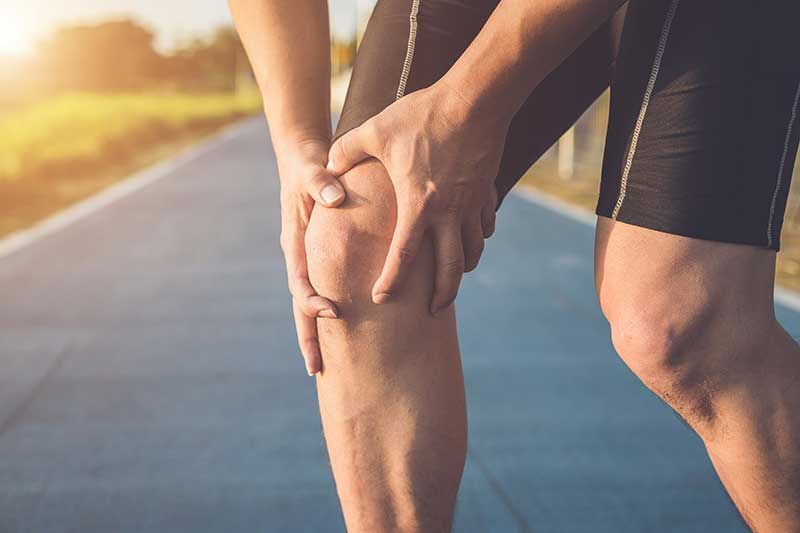
[Knee joint ](https://chennaiorthopaedics.com/knee-pain-treatments)may become firm and swollen due to accumulation of the excessive fluid in or around the joint. In general terms it is also called as water on the knee.
## **Causes:**
This mainly occurs due to trauma, overuse injuries, infection or an underlying disease or condition like osteoarthritis. The exact cause of the fluid accumulation can be evaluated after taking a sample of the fluid for diagnostic evaluation.
## **Symptoms:**
Swelling of the knee joint may cause puffing up of the kneecap that is easily noticeable and comparable with the normal knee. This is generally accompanied with stiffness or inability to bend or straighten the leg. In some cases, the condition can be extremely painful to an extent that it’s difficult or impossible to bear weight on it.
[ Authored by Dr Bharani Kumar Dayanandam, MBBS, Orthopaedic Surgeon](https://www.chennaiorthopaedics.com/best-arthroscopic-surgeon)
---
### [Stiff and Swollen Hip](https://chennaiorthopaedics.com/hip-pain-treatment/stiff-and-swollen-hip/)
**Published:** November 19, 2025
**Author:** anjujosephgdcs@gmail.com
**Content:**
[Hip joint](https://www.chennaiorthopaedics.com/hip-pain-treatment-chennai) may become firm and swell due to accumulation of the excessive fluid in or around the joint. It may be temporary but may cause long-term discomfort if left untreated.
## **Causes:**
[Stiffness](https://chennaiorthopaedics.com/hip-pain-treatment/morning-stiffness-of-hip/) and swelling in hip joint mainly occurs due to short-term injury like a hip fracture, dislocation, or sprain, overuse injuries, infection or chronic, debilitating conditions like ankylosing spondylitis, inflammatory bursitis, juvenile arthritis, osteoarthritis, rheumatoid arthritis, trochanteric bursitis, tendinitis etc. It can also occur due to temporary conditions like tight hip flexor muscles.
## **Symptoms:**
Swelling of the hip joint causes its puffing up that is easily noticeable and comparable with the normal hip. This is generally accompanied with stiffness or difficulty to do the activities that require hip joint movement like standing, walking, bending etc. In some cases, the condition can be extremely painful to an extent that it’s difficult or impossible to bear weight on it. A clicking or popping sound may be heard on moving the joint
[ Authored by Dr Bharani Kumar Dayanandam, MBBS, Orthopaedic Surgeon](https://www.chennaiorthopaedics.com/best-arthroscopic-surgeon)
---
### [Stiff and Swollen Elbow](https://chennaiorthopaedics.com/elbow-pain-treatment/stiff-and-swollen-elbow/)
**Published:** November 15, 2025
**Author:** suneethagdcs@gmail.com
**Content:**
Swelling of the [elbow joint ](https://www.chennaiorthopaedics.com/elbow-pain-treatment)may occur due to accumulation of the excessive fluid in or around the joint. It may be temporary but may cause long-term discomfort if left untreated.
## **Causes:**
[Stiffness and swelling](https://www.chennaiorthopaedics.com/wrist-pain-treatment/stiff-and-swollen-wrist) in elbow joint mainly occurs due to injury like [elbow fracture](https://www.chennaiorthopaedics.com/elbow-pain-treatment/elbow-fracture-treatment), dislocation, or sprain, overuse injuries, infection or chronic, debilitating conditions like ankylosing spondylitis, inflammatory bursitis, juvenile arthritis, osteoarthritis, rheumatoid arthritis, tendinitis etc.
## **Symptoms:**
Swelling of the elbow joint causes it’s puffing up that is easily noticeable and comparable with the normal elbow. This is generally accompanied with stiffness or difficulty to do simple activities like bathing, brushing, writing, cooking, throwing a ball etc. In addition to this, elbow becomes extremely painful and unable to move. A clicking or popping sound may be heard on moving the joint.
---
### [Stiff and Swollen Ankle](https://chennaiorthopaedics.com/ankle-pain-treatment/stiff-and-swollen-ankle/)
**Published:** November 20, 2025
**Author:** anjujosephgdcs@gmail.com
**Content:**
Swelling of the [ankle joint](https://www.chennaiorthopaedics.com/ankle-pain-treatment) is very common and is not a big concern if prolonged standing or walking has caused it. But if these are accompanied by other symptoms too, it may be a cause of concern. Ankle joint may become firm and swell due to accumulation of the excessive fluid in or around the joint. It may be temporary but may cause long-term discomfort if left untreated.
## **Causes:**
Stiffness and swelling in ankle joint mainly occurs due to pregnancy complications, venous insufficiency (a condition in which blood does not adequately move up the veins from the legs and feet up to the heart), Heart, liver, or kidney disease, injury like ankle fracture, dislocation, or sprain, overuse injuries, infection or chronic, debilitating conditions like ankylosing spondylitis, inflammatory bursitis, juvenile arthritis, osteoarthritis, rheumatoid arthritis, trochanteric bursitis, tendinitis etc. It can also occur due to side effect of certain medications.
## **Symptoms:**
Swelling of the ankle joint causes it’s puffing up that is easily noticeable and comparable with the normal ankle. This is generally accompanied with stiffness or difficulty to do simple activities like walking, standing etc. In addition to this, ankle becomes unable to bear weight. A clicking or popping sound may be heard on moving the joint.
[ Authored by Dr Bharani Kumar Dayanandam, MBBS, Orthopaedic Surgeon](https://www.chennaiorthopaedics.com/best-arthroscopic-surgeon)
---
### [Significantly reduced Wrist function](https://chennaiorthopaedics.com/wrist-pain-treatment/significantly-reduced-wrist-function/)
**Published:** November 21, 2025
**Author:** suneethagdcs@gmail.com
**Content:**
The functioning or movement of[ wrist joint](https://www.chennaiorthopaedics.com/wrist-pain-treatment) may significantly reduce or become painful resulting in the difficulty or inability of the person to perform daily activities like bathing, holding a glass, writing, cooking etc.
**Causes:**
The functioning of wrist joint may reduce due to various reasons including injury to the joint causing fracture or dislocation and certain disorders like carpel tunnel syndrome, osteoarthritis, rheumatoid arthritis etc.
**Symptoms:**
It is itself a symptom in which the patient complains about the decrease in the functional activity of the joint in terms of flexibility or movement of the joint.
[ Authored by Dr Bharani Kumar Dayanandam, MBBS, Orthopaedic Surgeon](https://www.chennaiorthopaedics.com/best-arthroscopic-surgeon)
---
### [Significantly reduced Shoulder function](https://chennaiorthopaedics.com/shoulder-pain-treatment/significantly-reduced-shoulder-function/)
**Published:** November 13, 2025
**Author:** anjujosephgdcs@gmail.com
**Content:**
The functioning or movement of [shoulder joint ](https://chennaiorthopaedics.com/shoulder-pain-treatment)may significantly reduce or become painful resulting in the difficulty or inability of the person to perform daily activities like bathing, getting dressed, making meals etc.
## **Causes:**
The functioning of shoulder joint may reduce due to various reasons including injury to the joint and certain disorders like [frozen shoulder](https://chennaiorthopaedics.com/shoulder-pain-treatment/stiff-and-swollen-shoulder/), rotator cuff tendonitis, osteoarthritis, rheumatoid arthritis etc.
## **Symptoms:**
It is itself a symptom in which the patient complains about the decrease in the functional activity of the joint in terms of flexibility or movement of the joint.
[ Authored by Dr Bharani Kumar Dayanandam, MBBS, Orthopaedic Surgeon](https://www.chennaiorthopaedics.com/best-arthroscopic-surgeon)
---
### [Significantly reduced Knee function](https://chennaiorthopaedics.com/knee-pain-treatments/significantly-reduced-knee-function/)
**Published:** November 6, 2025
**Author:** anjujosephgdcs@gmail.com
**Content:**
The functioning or movement of [knee joint](https://chennaiorthopaedics.com/knee-ailments/) may significantly reduce or become painful resulting in the difficulty or inability of the person to perform daily activities.
## **Causes:**
Knee functioning may reduce due to various reasons including injury to the joint and certain disorders like osteoarthritis, rheumatoid arthritis, gout etc.
## **Symptoms:**
It is itself a symptom in which the patient complains about the decrease in the functional activity of the joint in terms of flexibility or movement of the joint.
[ Authored by Dr Bharani Kumar Dayanandam, MBBS, Orthopaedic Surgeon](https://www.chennaiorthopaedics.com/best-arthroscopic-surgeon)
---
### [Significantly reduced Hip function](https://chennaiorthopaedics.com/hip-pain-treatment/significantly-reduced-hip-function/)
**Published:** November 19, 2025
**Author:** anjujosephgdcs@gmail.com
**Content:**
The functioning or movement of [hip joint](https://www.chennaiorthopaedics.com/hip-pain-treatment-chennai) may significantly reduce or become painful resulting in the difficulty or inability of the person to perform daily activities like walking, running, getting up from a chair, or swinging leg around.
## **Causes:**
The functioning of hip joint may reduce due to various reasons including injury to the joint and certain disorders like osteoarthritis, rheumatoid arthritis, gout etc.
## **Symptoms:**
It is itself a symptom in which the patient complains about the decrease in the functional activity of the joint in terms of flexibility or movement of the joint.
[ Authored by Dr Bharani Kumar Dayanandam, MBBS, Orthopaedic Surgeon](https://www.chennaiorthopaedics.com/best-arthroscopic-surgeon)
---
### [Significantly reduced Elbow function](https://chennaiorthopaedics.com/elbow-pain-treatment/significantly-reduced-elbow-function/)
**Published:** November 15, 2025
**Author:** suneethagdcs@gmail.com
**Content:**
The functioning or movement of [elbow joint](https://www.chennaiorthopaedics.com/elbow-pain-treatment) may significantly reduce or become painful resulting in the difficulty or inability of the person to perform daily activities like bathing, getting dressed, cooking, writing, eating etc.
## **Causes:**
The functioning of [elbow joint](https://www.chennaiorthopaedics.com/elbow-pain-treatment/locking-or-buckling-of-elbow) may reduce due to various reasons including injury to the joint and certain disorders like tennis elbow, tendonitis, osteoarthritis, rheumatoid arthritis etc.
## **Symptoms:**
It is itself a symptom in which the patient complains about the decrease in the functional activity of the joint in terms of flexibility or movement of the joint.
---
### [Significantly reduced Ankle function](https://chennaiorthopaedics.com/ankle-pain-treatment/significantly-reduced-ankle-function/)
**Published:** November 21, 2025
**Author:** suneethagdcs@gmail.com
**Content:**
The functioning or movement of [ankle joint](https://www.chennaiorthopaedics.com/ankle-pain-treatment) may significantly reduce or become painful resulting in the difficulty or inability of the person to perform daily activities like walking, running, playing etc.
## **Causes:**
The functioning of ankle joint may reduce due to various reasons including injury to the joint and certain disorders like osteoarthritis, rheumatoid arthritis, gout etc.
## **Symptoms:**
It is itself a symptom in which the patient complains about the decrease in the functional activity of the joint in terms of flexibility or movement of the joint.
[Authored by Dr Bharani Kumar Dayanandam, MBBS, Orthopaedic Surgeon](https://chennaiorthopaedics.com/best-arthroscopic-surgeon/)
---
### [Shoulder Tumour](https://chennaiorthopaedics.com/shoulder-pain-treatment/shoulder-tumour/)
**Published:** November 19, 2025
**Author:** anjujosephgdcs@gmail.com
**Content:**
The bones of [shoulder joint](https://www.chennaiorthopaedics.com/shoulder-pain-treatment) may get bone tumour or cancer from some other part of the body may spread and reach bones of shoulder. This occurs due to uncontrolled or abnormal growth of cells in the bone that results in the formation of a lump. Shoulder cancer can also originate in the bone marrow, cartilage, and soft tissue. The most common types of cancers are leukemia and multiple myeloma, which form in the bone marrow. Other malignancies that can develop in the shoulder include osteosarcoma, chondrosarcoma, Ewing’s sarcoma and soft tissue sarcomas.
## **Causes:**
Although the exact cause of tumour is not known but it can be associated with genetics, radiation treatment, and injuries to the bones.
## **Symptoms:**
Tumour in the bone may cause symptoms like:
- A dull ache in the affected bone that starts off as occasional and then becomes severe and constant
- Severe shoulder pain that can wake you up in the night
- Weakening of the involved bone can lead to fractures
- [Swelling](https://chennaiorthopaedics.com/shoulder-pain-treatment/pain-and-swelling-in-shoulder/) at the site of the tumor
- Night sweats or fevers with chills
- A new mass of tissue or lump may be felt in the shoulder
- Fatigue and a general ill feeling
[ Authored by Dr Bharani Kumar Dayanandam, MBBS, Orthopaedic Surgeon](https://www.chennaiorthopaedics.com/best-arthroscopic-surgeon)
---
### [Shoulder Soreness and Ache](https://chennaiorthopaedics.com/shoulder-pain-treatment/shoulder-soreness-and-ache/)
**Published:** November 19, 2025
**Author:** anjujosephgdcs@gmail.com
**Content:**
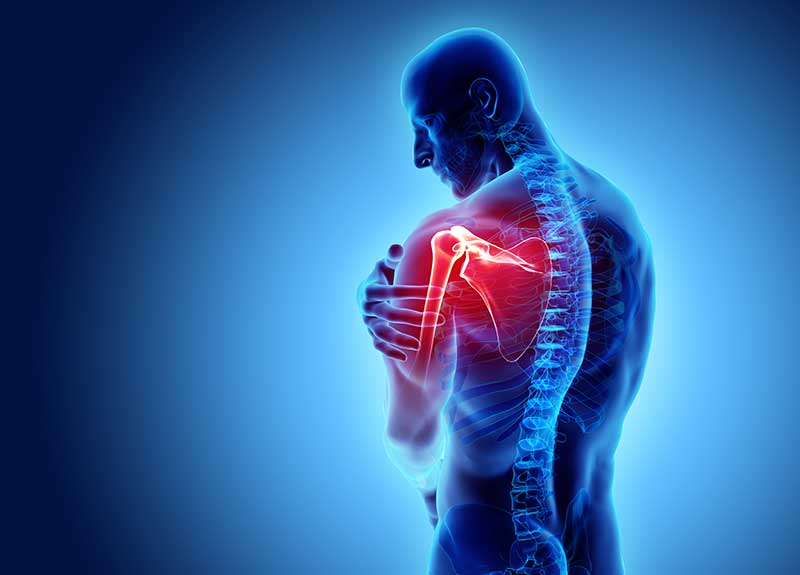
A [shoulder joint](https://www.chennaiorthopaedics.com/shoulder-pain-treatment) that is painful and uncomfortable while performing activities like lifting arm, moving arm while walking, writing etc. is termed as sore shoulder.
## **Causes:**
It can occur due to various reasons like injury of the shoulder joint, sprain, infection, overuse of the joint, malalignment of the bones, or weak or unbalanced shoulder muscles.
## **Symptoms:**
Soreness in shoulder joint can be felt as discomfort as any of the following:
- Severe pain
- [Swelling](https://www.chennaiorthopaedics.com/shoulder-pain-treatment/stiff-and-swollen-shoulder)
- Bruising
- Inability to move the joint
[ Authored by Dr Bharani Kumar Dayanandam, MBBS, Orthopaedic Surgeon](https://www.chennaiorthopaedics.com/best-arthroscopic-surgeon)
---
### [Shoulder Pain following Overuse or Extended Inactivity](https://chennaiorthopaedics.com/shoulder-pain-treatment/shoulder-pain-following-overuse/)
**Published:** November 19, 2025
**Author:** anjujosephgdcs@gmail.com
**Content:**
[Shoulder joint ](https://www.chennaiorthopaedics.com/blog/shoulder-pain-causes-and-treatment)may become painful due to its repeated use in certain activities like arm lifting, weight lifting, prolonged sitting etc. It may also pain due to prolonged inactivity for some time. Both these reasons are distinct but cause pain in the shoulder joint.
## **Causes:**
Pain related to overuse is caused by chronic and repetitive micro trauma to the joint and its structures. This is usually related to sports (like volley ball, throw ball, weight lifting etc.) and cause damage to local tissues and results in onset of discomfort and pain. While on the other hand, physical inactivity can cause strain on the muscles and the tissues, making movement of shoulder difficult and painful.
## **Symptoms:**
The pain associated with overuse of shoulder joint can be described as pain that comes on gradually without a discrete inciting incident. While the pain associated with inactivity is more of [stiffness](https://www.chennaiorthopaedics.com/shoulder-pain-treatment/morning-stiffness-of-shoulder) and difficulty to move the shoulder for first few minutes.
[ Authored by Dr Bharani Kumar Dayanandam, MBBS, Orthopaedic Surgeon](https://www.chennaiorthopaedics.com/best-arthroscopic-surgeon)
---
### [Shoulder Fractures or Injuries](https://chennaiorthopaedics.com/shoulder-pain-treatment/shoulder-fracture-treatment/)
**Published:** November 6, 2025
**Author:** anjujosephgdcs@gmail.com
**Content:**
Shoulder fracture means that one or more of the bones that make up the shoulder joint (clavicle, humerus and scapula) are broken making it unstable. It can be a simple break in one bone, which may not restrict movement, or several fractures, that may displace shoulder out of place.
## **Causes:**
The most common cause of [shoulder injury](https://chennaiorthopaedics.com/shoulder-pain-treatment) and fracture is vehicular accident, direct blow on the shoulder or fall from height on an outstretched arm or abnormal twisting or bending of the shoulder. It can also occur due to blunt trauma to the shoulder, such as from a car crash. Twisting, rolling or rotating of shoulder may also injure it.
## **Symptoms:**
The symptoms of shoulder fracture or injury may include any of the following:
- Pain in the shoulder
- [Swelling of the shoulder](https://chennaiorthopaedics.com/shoulder-pain-treatment/stiff-and-swollen-shoulder)
- Bruising in or around the joint
- Stiffness
- Inability to move the shoulder
- Redness and warmth over the joint
- Bone protruding out of the joint
- Deformity (“out of place”), particularly if the shoulder joint is dislocated as well
[ Authored by Dr Bharani Kumar Dayanandam, MBBS, Orthopaedic Surgeon](https://www.chennaiorthopaedics.com/best-arthroscopic-surgeon)
---
### [Partial Knee Replacement](https://chennaiorthopaedics.com/knee-treatments/partial-knee-replacement/)
**Published:** November 7, 2025
**Author:** anjujosephgdcs@gmail.com
**Content:**
[Partial knee replacement ](https://medlineplus.gov/ency/article/007256.htm#:~:text=A%20partial%20knee%20replacement%20is,is%20called%20total%20knee%20replacement.)is also named as unicompartmental knee arthroplasty, i.e., UKA. It is an operational process that is used to treat or cure severe knee arthritis. It is favorable for only a specific part of the knee as its name suggests. The doctor recommends knee joint replacement when a patient shows symptoms of knee arthritis. These symptoms include knee pain and tightness in the joints that make the patient go restless the whole night and restrict him/her to perform daily tasks. Except for surgery, the knee pain continues to happen for long-term, and it takes considerable time to get reduced. That’s why Knee replacement surgery is preferred as it reduces pain instantly and eventually restores the functioning.
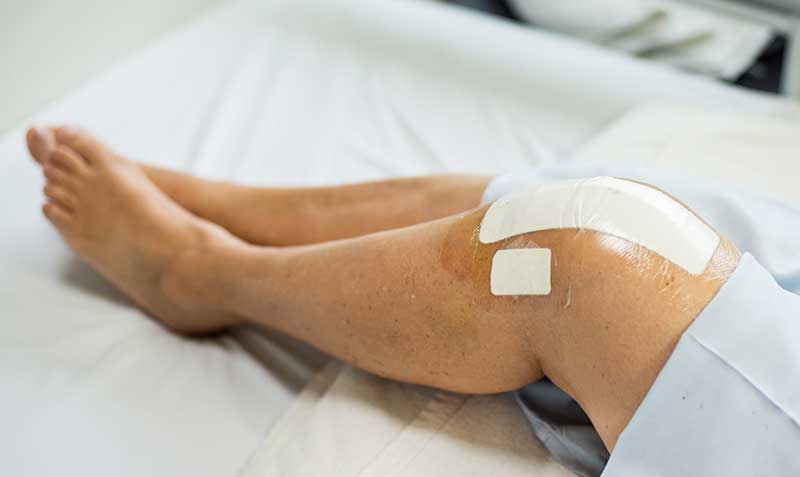
## **Methodology**
Total knee replacement involves routine in which the whole knee is replaced. It is recommended for the people who suffer from osteoarthritis and get their whole knee affected. Some patients with [osteoarthritis](https://chennaiorthopaedics.com/knee-treatments/knee-osteotomy/), but have just a part of the knee affected, are eligible to get treated with unicompartmental, i.e., partial knee replacement.
In the methodology associated with partial knee replacement, just the damaged compartment is being replaced with the help of a new metal or plastic surface. The healthy part or cartilage of the bone associated with the knee is left as it is or unchanged. Generally, partial knee replacement process includes implants being placed in between the thigh bone’s end and the shin bone’s top. Some particular types of partial knee replacement methods include replacement the part of the joint that exists under the kneecap.
## **Partial Knee Replacement Surgery Procedure**
Partial knee replacement operation is followed by a small incision, i.e., a surgery cut. The cut is too small in comparison to the one that is done in the conventional total knee replacement surgery.
Various studies have proven that the partial knee replacement methodology functions superbly well for most of the people who adopt it properly. The benefits of this type of operation over the other one, i.e., total knee replacement are:
- Fast recovery
- Reduced pain after the completion of surgery
- Decreased blood-loss
In the partial knee replacement surgery, the bone, ligaments, and cartilage are kept unchanged as long as they are not the affected areas. It is one of the most considerable reasons that the partial knee replacement seems to be felt like a more natural process in comparison to the total knee replacement one.

A partial knee replacement surgery generally gets completed in between 1 to 2 hours. With any operation, be it a minor or major one, some risks are always involved. The risks associated with partial knee replacement surgery are blood clots, an injury to vessels or nerves, minute infection, the risk of an anesthetic, and continuous pain.
As the partial knee replacement operation is done through a small invasive cut, the time to be spent in the hospital also gets shortened. Because of which, the recovery is faster than that of the total knee replacement, and one can quickly return to the ordinary activities (approx. six weeks after the surgery).
People who go through a partial knee replacement surgery, generally suffer less pain, reduced swelling, and easy-going rehabilitation after the completion of the surgery. In almost all the cases, the patient gets discharged within 1 to 3 days after the surgery.
[ Authored by Dr Bharani Kumar Dayanandam, MBBS, Orthopaedic Surge](https://www.chennaiorthopaedics.com/best-arthroscopic-surgeon)on
---
### [Pain and Swelling in Shoulder](https://chennaiorthopaedics.com/shoulder-pain-treatment/pain-and-swelling-in-shoulder/)
**Published:** November 13, 2025
**Author:** anjujosephgdcs@gmail.com
**Content:**

[Shoulder joint](https://chennaiorthopaedics.com/shoulder-pain-treatment) is one of the most used joints of our body and is required in almost all the activities. Pain and Swelling in or around the shoulder is the most uncomfortable situation that makes it difficult or sometimes impossible for the person to perform daily activities like bathing, getting dressed, cooking etc.
## **Causes:**
A combination of shoulder pain and swelling may occur due to various reasons like trauma, fractures, [dislocation](https://chennaiorthopaedics.com/shoulder-pain-treatment/shoulder-dislocation-treatment), sprains, strains and chronic conditions like inflamed tendons, bursitis, [frozen shoulder](https://chennaiorthopaedics.com/shoulder-pain-treatment/significantly-reduced-shoulder-function), rotator cuff tendonitis or injury, osteoarthritis, rheumatoid arthritis, or other joint disorders.
## **Symptoms:**
In most of the cases, [shoulder pain](https://chennaiorthopaedics.com/shoulder-pain-treatment) and swelling makes it impossible for the person to perform routine activities and he becomes dependent on other persons for bathing, getting dressed etc.
[ Authored by Dr Bharani Kumar Dayanandam, MBBS, Orthopaedic Surgeon](https://www.chennaiorthopaedics.com/best-arthroscopic-surgeon)
---
### [Pain and Swelling in Hip](https://chennaiorthopaedics.com/pain-and-swelling-in-hip/)
**Published:** November 19, 2025
**Author:** anjujosephgdcs@gmail.com
**Content:**
Pain and Swelling in or around the [hip ](https://www.chennaiorthopaedics.com/hip-pain-treatment-chennai)is the most uncomfortable situation that compels the person to go to the physician. It always does not involve hip only but may instead be felt in the groin or thigh. In fact this should also not be ignored as it can be a sign of the underlying disorder that needs medical intervention.
## **Causes:**
A combination of hip pain and [swelling](https://chennaiorthopaedics.com/hip-pain-treatment/stiff-and-swollen-hip/) may occur due to various reasons like trauma, hip fractures, and chronic conditions like inflamed tendons, bursitis, osteoarthritis, rheumatoid arthritis, gout or other joint disorders.
## **Symptoms:**
In most of the cases,[ hip pain and swelling](https://www.chennaiorthopaedics.com/hip-pain-treatment/pain-and-swelling-in-hip) makes it impossible for the person to put weight on the joint or move it completely. It may also be associated with some deformity in the hip.
[ Authored by Dr Bharani Kumar Dayanandam, MBBS, Orthopaedic Surgeon](https://www.chennaiorthopaedics.com/best-arthroscopic-surgeon)
---
### [Pain and Swelling in Elbow](https://chennaiorthopaedics.com/elbow-pain-treatment/pain-and-swelling-in-elbow/)
**Published:** November 20, 2025
**Author:** suneethagdcs@gmail.com
**Content:**
[Elbow joint](https://chennaiorthopaedics.com/elbow-pain-treatment/) is required in almost all the daily activities like bathing, brushing, writing, cooking etc. Pain and Swelling in or around the elbow is the most uncomfortable situation that makes it difficult or sometimes impossible for the person to perform these daily activities.
## **Causes:**
A combination of elbow pain and [swelling](https://chennaiorthopaedics.com/elbow-pain-treatment/stiff-and-swollen-elbow/) may occur due to various reasons like trauma, fractures, dislocation, sprains, strains and chronic conditions like inflamed tendons, bursitis, tennis elbow, osteoarthritis, rheumatoid arthritis, or other joint disorders.
## **Symptoms:**
In most of the cases, elbow pain and swelling makes it impossible for the person to perform routine activities and he becomes dependent on other persons for bathing, getting dressed etc.
[Authored by Dr Bharani Kumar Dayanandam, MBBS, Orthopaedic Surgeon](https://chennaiorthopaedics.com/best-arthroscopic-surgeon/)
---
### [Pain and Swelling in Ankle](https://chennaiorthopaedics.com/ankle-pain-treatment/pain-and-swelling-in-ankle/)
**Published:** November 21, 2025
**Author:** suneethagdcs@gmail.com
**Content:**
Pain and Swelling in or around the [ankle](https://www.chennaiorthopaedics.com/ankle-pain-treatment) is the most uncomfortable situation that can leave the person bed ridden as it becomes difficult for the person to stand or walk.

## **Causes:**
A combination of ankle pain and swelling may occur due to various reasons like trauma, fractures, dislocation, sprains, strains and chronic conditions like inflamed tendons, bursitis, osteoarthritis, rheumatoid arthritis, gout or other joint disorders.
## **Symptoms:**
In most of the cases, ankle pain and [swelling](https://chennaiorthopaedics.com/ankle-pain-treatment/pain-and-swelling-in-ankle/) makes it impossible for the person to put weight on the joint or move it completely. The person could not stand or walk and becomes bed ridden. It may also be associated with some deformity in the ankle.
---
### [Morning Stiffness of Wrist](https://chennaiorthopaedics.com/wrist-pain-treatment/morning-stiffness-of-wrist/)
**Published:** November 21, 2025
**Author:** suneethagdcs@gmail.com
**Content:**
Morning stiffness of the [wrist joint](https://www.chennaiorthopaedics.com/wrist-pain-treatment) may be described as rigidity in the wrist joint after waking up in the morning or after a resting period that makes it difficult to perform activities like cooking, brushing, combing hair, bathing etc. It may be severe but is usually brief for less than 30 minutes.
## **Causes:**
The most common cause of morning stiffness of the wrist joint is rheumatoid arthritis or osteo arthritis. Both these disorders causes inflammation and stiffness but RA is more specifically related to morning stiffness.
## **Symptoms:**
Although it is hard to describe morning stiffness but patient generally complains of an ache or discomfort in the wrist joint combined with difficulty moving it for activities like brushing, bathing, combing, cooking, writing etc.
[Authored by Dr Bharani Kumar Dayanandam, MBBS, Orthopaedic Surgeon](https://chennaiorthopaedics.com/best-arthroscopic-surgeon/)
---
### [Morning Stiffness of Shoulder](https://chennaiorthopaedics.com/morning-stiffness-of-shoulder/)
**Published:** November 19, 2025
**Author:** anjujosephgdcs@gmail.com
**Content:**
Morning stiffness of the [shoulder joint](https://www.chennaiorthopaedics.com/shoulder-pain-treatment) may be described as rigidity in the shoulder joint after waking up in the morning or after a resting period that makes it difficult to perform activities like lifting arm, moving shoulder etc. It may be severe but is usually brief for less than 30 minutes.
## **Causes:**
The most common cause of morning stiffness of the shoulder joint is rheumatoid arthritis or osteo arthritis. Both these disorders causes inflammation and stiffness but RA is more specifically related to morning stiffness.
## **Symptoms:**
Although it is hard to describe morning stiffness but patient generally complains of an ache or discomfort in the shoulder joint combined with difficulty moving it for activities like lifting arm, moving shoulder etc.
[ Authored by Dr Bharani Kumar Dayanandam, MBBS, Orthopaedic Surgeo](https://www.chennaiorthopaedics.com/best-arthroscopic-surgeon)n
---
### [Morning Stiffness of Knee](https://chennaiorthopaedics.com/knee-pain-treatments/morning-stiffness-of-knee/)
**Published:** November 13, 2025
**Author:** anjujosephgdcs@gmail.com
**Content:**

Morning stiffness of the [knee joint](https://www.chennaiorthopaedics.com/knee-pain-treatments) may be described as rigidity in the knee joint after waking up in the morning or after a resting period. It may be severe but is usually brief for less than 30 minutes.
## **Causes:**
The most common cause of morning stiffness of the knee joint is rheumatoid arthritis or osteoarthritis. Both these disorders causes inflammation and stiffness but RA is more specifically related to morning stiffness.
## **Symptoms:**
Although it is hard to describe morning stiffness but patient generally complains of an ache in the knee joint combined with difficulty moving.
[ Authored by Dr Bharani Kumar Dayanandam, MBBS, Orthopaedic Surgeon](https://www.chennaiorthopaedics.com/best-arthroscopic-surgeon)
---
### [Morning Stiffness of Hip](https://chennaiorthopaedics.com/hip-pain-treatment/morning-stiffness-of-hip/)
**Published:** November 19, 2025
**Author:** anjujosephgdcs@gmail.com
**Content:**
Morning stiffness of the[ hip joint](https://www.chennaiorthopaedics.com/hip-pain-treatment-chennai) may be described as rigidity in the hip joint after waking up in the morning or after a resting period that makes it difficult to perform activities like walking, running, getting up from a chair, or swinging leg around. It may be severe but is usually brief for less than 30 minutes.
## **Causes:**
The most common cause of [morning stiffness](https://www.chennaiorthopaedics.com/wrist-pain-treatment/morning-stiffness-of-wrist) of the hip joint is rheumatoid arthritis or osteo arthritis. Both these disorders causes inflammation and stiffness but RA is more specifically related to morning stiffness.
## **Symptoms:**
Although it is hard to describe morning stiffness but patient generally complains of an ache or discomfort in the hip joint combined with difficulty moving it for activities like walking, running, getting up from a chair, or swinging leg around.
[ Authored by Dr Bharani Kumar Dayanandam, MBBS, Orthopaedic Surgeon](https://www.chennaiorthopaedics.com/best-arthroscopic-surgeon)
---
### [Locking or Buckling of Elbow](https://chennaiorthopaedics.com/elbow-pain-treatment/locking-or-buckling-of-elbow/)
**Published:** November 15, 2025
**Author:** suneethagdcs@gmail.com
**Content:**
[Elbow](https://www.chennaiorthopaedics.com/elbow-pain-treatment) buckling is an unstable condition of the elbow joint that gives a feeling of ‘giving way’ or that the elbow has suddenly lost its stability. It is actually a protective response of the elbow and its surrounding tissues, to prevent further damage of the joint.
## **Causes:**
Elbow joint locking is more often seen in cases of injured elbow joints but certain bone and [joint disorders](https://www.chennaiorthopaedics.com/knee-pain-treatments/pain-and-swelling-in-knee) may also contribute to it. It is caused by the movement of a muscle or tendon over a bony structure in the elbow. Excessive movement of the elbow or arm may occasionally cause the elbow to lock or buckle, potentially causing the elbow to turn out or in.
## **Symptoms:**
Buckling of elbow is characterized by a sensation of popping or locking of the elbow joint that makes it impossible to move and obvious to stop movement. It may also cause pain and weakness that interfere with activities like writing, cooking, changing clothes, moving arm etc.
---
### [Locking or Buckling of Ankle](https://chennaiorthopaedics.com/ankle-pain-treatment/locking-or-buckling-of-ankle/)
**Published:** November 20, 2025
**Author:** anjujosephgdcs@gmail.com
**Content:**
Ankle buckling is an unstable condition of the [ankle joint](https://www.chennaiorthopaedics.com/blog/sprained-ankle-treatment) that gives a feeling of ‘giving way’ or that the ankle has suddenly lost its stability. It is actually a protective response of the ankle and its surrounding tissues, to prevent further damage of the ankle joint.
## **Causes:**
Ankle locking is more often seen in cases of injured ankle joints but certain bone and joint disorders may also contribute to it. It is caused by the movement of a muscle or tendon over a bony structure in the ankle. Walking may occasionally cause the ankle to lock or buckle, potentially causing the ankle to turn out or in.
## **Symptoms:**
Buckling of ankle is characterized by a sensation of popping or locking of the ankle joint that makes it impossible to move and obvious to stop movement. It may also cause pain and weakness that interfere with activities like walking, running or getting up from a chair. This specifically affects the weight bearing on the affected [ankle joint](https://www.chennaiorthopaedics.com/ankle-pain-treatment/ankle-pain-following-overuse-or-extended-inactivity) and person cannot put weight on the joint.
[ Authored by Dr Bharani Kumar Dayanandam, MBBS, Orthopaedic Surgeon](https://www.chennaiorthopaedics.com/best-arthroscopic-surgeon)
---
### [Knee Tumour](https://chennaiorthopaedics.com/knee-pain-treatments/knee-tumour/)
**Published:** November 11, 2025
**Author:** anjujosephgdcs@gmail.com
**Content:**
The [knee joint](https://chennaiorthopaedics.com/knee-ailments/) may get affected by bone tumour. This occurs due to uncontrolled or abnormal growth of cells in the bone that results in the formation of a lump.
## **Causes:**
Although the exact cause of tumour is not known but it can be associated with genetics, radiation treatment, and chronic[ injuries](https://chennaiorthopaedics.com/knee-pain-treatments/knee-fracture-treatment/) to the bones.
## **Symptoms:**
Tumour in the bone may cause symptoms like:
- A dull ache in the affected bone that starts off as occasional and then becomes severe and constant
- Severe pain that can wake you up in the night
- Swelling at the site of the tumor
- Night sweats or fevers
- A new mass of tissue or lump
[ Authored by Dr Bharani Kumar Dayanandam, MBBS, Orthopaedic Surgeon](https://www.chennaiorthopaedics.com/best-arthroscopic-surgeon)
---
### [Knee Trauma](https://chennaiorthopaedics.com/knee-trauma/)
**Published:** November 13, 2025
**Author:** anjujosephgdcs@gmail.com
**Content:**
Knee is made up of various structures like bones, ligaments, muscles etc. that may get injured due to trauma. Trauma may result in [knee injuries](https://chennaiorthopaedics.com/knee-pain-treatments/knee-fracture-treatment/) like fractures around the knee, dislocation and sprains and tears of soft tissues, like ligaments. In many cases, injuries involve more than one structure in the knee.
## **Causes:**
The most common cause of knee injury and fracture is vehicular accident or fall from height or over the knee.
## **Symptoms:**
The most common symptoms of knee trauma are:
- Pain
- [Swelling](https://chennaiorthopaedics.com/knee-pain-treatments/pain-and-swelling-in-knee/)
- Knee catch or knee locking
- Knee instability
- Feeling of giving way
- Redness and warmth over the joint
[ Authored by Dr Bharani Kumar Dayanandam, MBBS, Orthopaedic Surgeon](https://www.chennaiorthopaedics.com/best-arthroscopic-surgeon)
---
### [Knee Soreness and Ache](https://chennaiorthopaedics.com/knee-pain-treatments/knee-soreness-and-ache/)
**Published:** November 20, 2025
**Author:** suneethagdcs@gmail.com
**Content:**
A [knee](https://www.chennaiorthopaedics.com/knee-pain-treatments) that is painful and uncomfortable while performing activities like standing, running, walking, bending etc. is termed as sore knee.
**Causes:**
It can occur due to various reasons like a direct hit on the knee,[ infection](https://chennaiorthopaedics.com/knee-pain-treatments/knee-infections/), overuse of the joint, malalignment of the bones, or weak or unbalanced thigh muscles.
**Symptoms:**
Knee can be painful in front, behind or around the knee-cap specifically while bending it for walking, kneeling, running or even getting up.
---
### [Knee Pain following Overuse or Extended Inactivity](https://chennaiorthopaedics.com/knee-pain-treatments/knee-pain-following-overuse/)
**Published:** November 13, 2025
**Author:** anjujosephgdcs@gmail.com
**Content:**
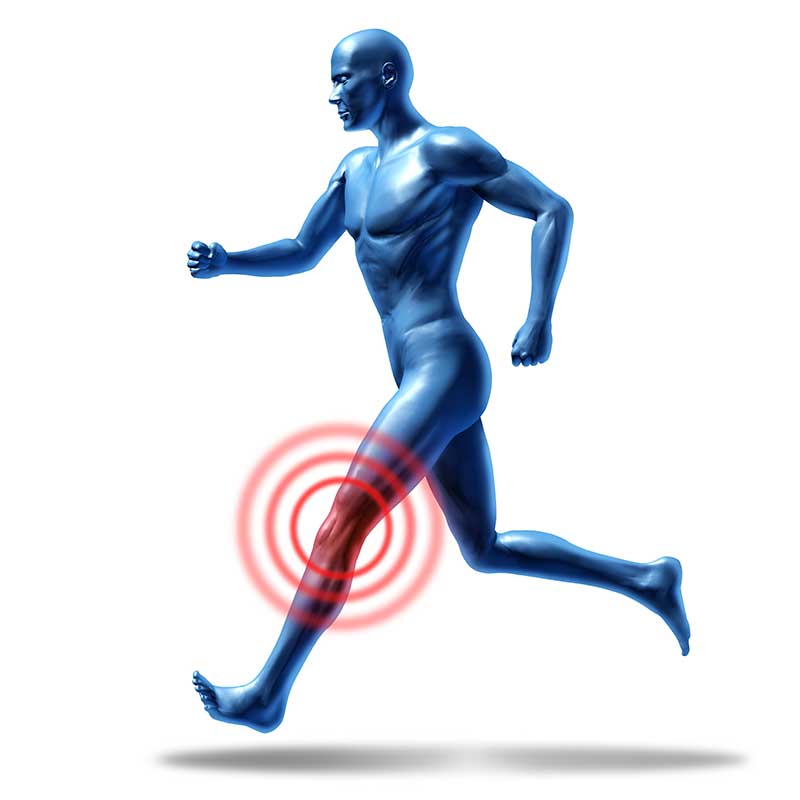
[Knee](https://www.chennaiorthopaedics.com/knee-pain-treatments) may become painful due to repeated use in certain activities. It may also be painful due to prolonged inactivity for some time. Both these reasons are distinct but cause pain in the [knee joint.](https://www.chennaiorthopaedics.com/knee-pain-treatments)
## **Causes:**
Pain related to overuse is caused by chronic and repetitive micro [trauma](https://chennaiorthopaedics.com/knee-trauma/) to the joint and its structures. This is usually related to sports and cause damage to local tissues and results in onset of discomfort and pain. While on the other hand, physical inactivity can cause wasting of the muscles and the tissues, making movement of knee difficult and painful.
## **Symptoms:**
The pain associated with overuse of knee joint can be described as pain that comes on gradually without a discrete inciting incident. While the pain associated with inactivity is more of stiffness and difficulty to move the knee for first few minutes.
[ Authored by Dr Bharani Kumar Dayanandam, MBBS, Orthopaedic Surgeon](https://www.chennaiorthopaedics.com/best-arthroscopic-surgeon)
---
### [Knee Infections](https://chennaiorthopaedics.com/knee-pain-treatments/knee-infections/)
**Published:** November 13, 2025
**Author:** anjujosephgdcs@gmail.com
**Content:**
[Knee](https://www.chennaiorthopaedics.com/knee-pain-treatments) infection is a serious condition that needs immediate medical intervention.
## Causes:
Knee infection may occur due to a penetrating injury or due to infection in the body resulting in septic arthritis, septic joint, infection after knee surgery or after [knee replacement](https://www.chennaiorthopaedics.com/knee-treatments/partial-knee-replacement), bursal infection, soft tissue infection or cellulitis.
## Symptoms:
Symptoms of knee infection generally include the following:
- Fever with chills
- Fatigue
- Generalized weakness
- Inability to move the knee
- Severe pain in the joint, especially with movement
- [Swelling](https://chennaiorthopaedics.com/knee-pain-treatments/stiff-and-swollen-knee/)
- Joint is red and warm to touch
[ Authored by Dr Bharani Kumar Dayanandam, MBBS, Orthopaedic Surge](https://www.chennaiorthopaedics.com/best-arthroscopic-surgeon)on
---
### [Knee Deformity](https://chennaiorthopaedics.com/knee-pain-treatments/knee-deformity-treatment/)
**Published:** November 11, 2025
**Author:** anjujosephgdcs@gmail.com
**Content:**
Knee deformity is the distortion of the [knee joint](https://chennaiorthopaedics.com/knee-ailments/) that is characterized by outward or inward bowing of the joint resulting in uneven distribution of the weight across the joint.
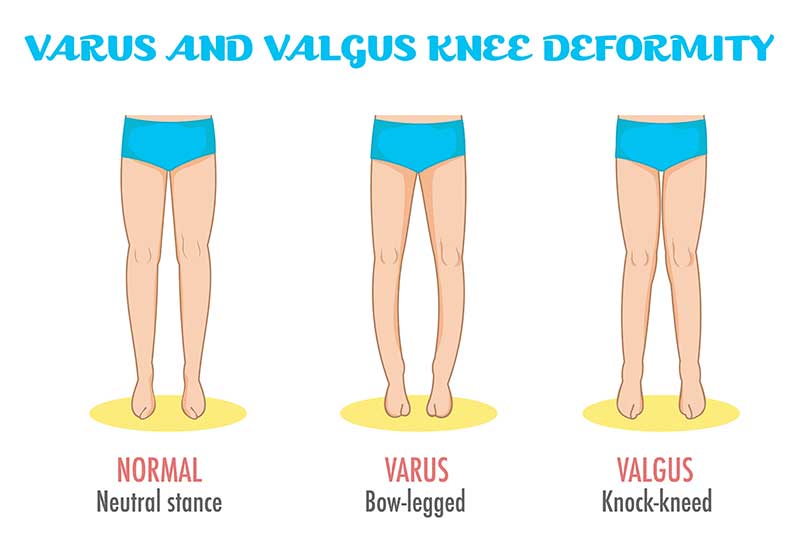
## Causes:
This usually occurs due to trauma to the knee joint. It can also occur due to certain joint disorders like septic arthritis, [osteomyelitis](https://chennaiorthopaedics.com/knee-treatments/knee-osteotomy/), osteosarcoma or osteoarthritis.
## Types & Symptoms:
### There are 2 main types of knee deformity:
- **Valgus Deformity** – It causes the inward bowing of the knees giving a knock-kneed appearance and putting extra pressure on the outer (lateral) compartment of the knee joint. The characteristic sign of valgus deformity is the inability of the person to touch their ankles together when their knees are together.
- **Varus Deformity** – It causes the outward bowing of the knees giving a bow-legged appearance and putting extra pressure on the inner (medial) compartment of the knee joint. The characteristic sign of varus deformity is the inability of the person to touch their knees together when their ankles are together.
[Authored by Dr Bharani Kumar Dayanandam, MBBS, Orthopaedi](https://www.chennaiorthopaedics.com/best-arthroscopic-surgeon)c [Surgeon](https://www.chennaiorthopaedics.com/best-arthroscopic-surgeon)
---
### [Joint Pain](https://chennaiorthopaedics.com/joint-pain/)
**Published:** November 12, 2025
**Author:** suneethagdcs@gmail.com
**Content:**
## **Orthopaedic Treatments for Effectively Dealing With Joint Pain**
Most of us are no stranger to pain, be it a muscle or joint pain, or the ones due to awkward postures. However, when the pain is persistent and interferes with our daily lives, it’s time to seek medical attention. Pain associated with [knees](https://chennaiorthopaedics.com/knee-pain-treatments/), [shoulder](https://chennaiorthopaedics.com/shoulder-pain-treatment/) and [hips](https://chennaiorthopaedics.com/hip-pain-treatment/) were earlier a thing of old age unless caused due to an accident or injury.
With the changing lifestyles and demands of our working environment now, they are found in most people in varying degrees of intensity, irrespective of the age.
While the causes of joint pains in the young population can be attributed to improper posture and stiffness due to a constant position, in the old they may be a result of wear and tear. Arthritis, rheumatic diseases, lupus, certain deformities and strain due to heavy workload are some other causes of the disease.
The common symptoms of the joint pains that demand medical attention include: –
- Persistent pain irrespective of movement.
- [Stiffness](https://chennaiorthopaedics.com/shoulder-pain-treatment/stiff-and-swollen-shoulder/)
- Swelling
- Restricted mobility due to pain
- Warmth in the joint
The treatment for pain includes the treatment to relieve the symptoms as well as to correct the condition. A treatment procedure chosen depends on the intensity of the issue, cause of pain and age of the patient. The common treatment regimen include medication for pain relief and to minimize the discomfort. They are administered orally or injected into the bloodstream. Corticosteroid injections are administered as well in case of severe pain and swelling.
Other treatment options include physical therapy consisting of a set of exercises to increase joint and muscle strength. Compression bandages are also used in case of shoulder or knee pain in order to immobilise the joint area. Surgery is the ultimate treatment to correct the pain causing conditions when other modes of treatment fail to bring about a result.

---
### [Joint Health Tips and Foods](https://chennaiorthopaedics.com/joint-health-tips-foods-prevent-injuries/)
**Published:** December 1, 2025
**Author:** anjujosephgdcs@gmail.com
**Content:**
Human body is linked with joints and they are most important to maintain the flexibility of every part. Joints are pulled into motion by muscles, cartilage, tendons and ligaments. Injury or disorder of any [joint](https://www.chennaiorthopaedics.com/joint-pain) of our body not only affects that part but also affects the adjoining body parts. In fact aging can also restrict or decrease the flexibility of our joints. That is why it is very important to keep the joints healthy and fit to maintain the motion of our body. Following wellness tips should be followed to prevent injury or degeneration of the joint:
- Regularly perform low impact and simple exercises like yoga, swimming, cycling etc. to keep the joints moving.
- Maintain flexibility of the body by doing simple stretches every day.
- Take omega 3 fatty acids from foods like fish, walnuts, flaxseeds etc. to reduce joint soreness or stiffness.
- Keep joint cartilages strong by taking vitamin C from foods like oranges, lemon, papaya, pineapple etc.
- Either take supplement calcium with vitamin D or increase the intake of milk and its products regularly.
- Expose your body to early morning sunshine for Vitamin D.
- Listen to your joints and keep an eye on any abnormality as early detection and treatment can prevent the disease to become chronic and painful.
- Keep body weight under control as obesity is one of the main reasons for many of the joint disorders.
- Avoid those movements or positions that put extra stress on the joints.
---
### [Hip Tumour](https://chennaiorthopaedics.com/hip-pain-treatment/hip-tumour/)
**Published:** November 19, 2025
**Author:** anjujosephgdcs@gmail.com
**Content:**
The bones of[ hip joint](https://www.chennaiorthopaedics.com/hip-pain-treatment-chennai) may get bone tumour or cancer from some other part of the body may spread and reach bones of hip. This occurs due to uncontrolled or abnormal growth of cells in the bone that results in the formation of a lump. Hip cancer can also originate in the bone marrow, cartilage, and soft tissue. The most common types of cancers are leukemia and multiple myeloma, which form in the bone marrow. Other malignancies that can develop in the hip include osteosarcoma, chondrosarcoma, Ewing’s sarcoma and soft tissue sarcomas.
## Causes:
Although the exact cause of tumour is not known but it can be associated with genetics, radiation treatment, and injuries to the bones.
## Symptoms:
### Tumour in the bone may cause symptoms like:
- A dull ache in the affected bone that starts off as occasional and then becomes severe and constant
- Severe hip pain that can wake you up in the night
- Weakening of the involved bone can lead to fractures
- Swelling at the site of the tumor
- Enlarged lymph nodes
- Night sweats or fevers with chills
- A new mass of tissue or lump may be felt in the hip
- Fatigue and a general ill feeling
[ Authored by Dr Bharani Kumar Dayanandam, MBBS, Orthopaedic Surgeon](https://www.chennaiorthopaedics.com/best-arthroscopic-surgeon)
---
### [Shoulder Trauma](https://chennaiorthopaedics.com/shoulder-pain-treatment/shoulder-trauma/)
**Published:** November 19, 2025
**Author:** anjujosephgdcs@gmail.com
**Content:**
[Shoulder joint](https://www.chennaiorthopaedics.com/shoulder-pain-treatment) is made up of various structures like bones, ligaments, muscles etc. that may get injured due to trauma. Trauma may result in shoulder injuries like fractures, dislocation, and sprains and tears of soft tissues, like ligaments. In many cases, injuries involve more than one structure in the shoulder joint.
## **Causes:**
The most common cause of shoulder injury and fracture is vehicular accident, direct blow on the shoulder or fall from height on an outstretched arm or abnormal twisting or bending of the shoulder. It can also occur due to blunt trauma to the shoulder, such as from a car crash. Twisting, rolling or rotating of shoulder may also injure it.
## **Symptoms:**
The symptoms of shoulder trauma may include any of the following:
- Pain in the shoulder
- [Swelling](https://www.chennaiorthopaedics.com/knee-pain-treatments/stiff-and-swollen-knee) of the shoulder
- Bruising in or around the joint
- Stiffness
- Inability to move the shoulder
- Redness and warmth over the joint
- Bone protruding out of the joint
- Deformity (“out of place”), particularly if the shoulder joint is dislocated as well
[ Authored by Dr Bharani Kumar Dayanandam, MBBS, Orthopaedic Surgeon](https://www.chennaiorthopaedics.com/best-arthroscopic-surgeon)
---
### [Shoulder Infections](https://chennaiorthopaedics.com/shoulder-pain-treatment/shoulder-infections/)
**Published:** November 19, 2025
**Author:** anjujosephgdcs@gmail.com
**Content:**
[Shoulder joint](https://www.chennaiorthopaedics.com/shoulder-pain-treatment) infection is a serious condition that needs immediate medical intervention. It happens when germs get into the bone or joint and reproduce. Viruses, bacteria, fungi and parasites can all cause infections.
## **Causes:**
Shoulder joint infection may occur due to infected or septic arthritis, septic joint, infection after shoulder surgery or after [shoulder replacement](https://www.chennaiorthopaedics.com/shoulder-treatments/primary-and-reverse-total-shoulder-arthroplasty), bursal infection, soft tissue infection or cellulitis.
## **Symptoms:**
Symptoms of shoulder infection generally include the following:
- Fever with chills
- Fatigue
- Generalized weakness
- Inability to move the hip
- Severe pain in the joint, especially with movement
- Swelling
- Joint is red and warm to touch
[ Authored by Dr Bharani Kumar Dayanandam, MBBS, Orthopaedic Surgeon](https://www.chennaiorthopaedics.com/best-arthroscopic-surgeon)
---
### [Morning Stiffness of Ankle](https://chennaiorthopaedics.com/morning-stiffness-of-ankle/)
**Published:** November 20, 2025
**Author:** anjujosephgdcs@gmail.com
**Content:**
Morning stiffness of the [ankle joint](https://www.chennaiorthopaedics.com/ankle-pain-treatment) may be described as rigidity in the ankle joint after waking up in the morning or after a resting period that makes it difficult to perform activities like walking, running, standing etc. It may be severe but is usually brief for less than 30 minutes.
## **Causes:**
The most common cause of morning stiffness of the ankle joint is rheumatoid arthritis or osteo arthritis. Both these disorders causes inflammation and stiffness but RA is more specifically related to morning [stiffness](https://chennaiorthopaedics.com/ankle-pain-treatment/stiff-and-swollen-ankle/).
## **Symptoms:**
Although it is hard to describe morning stiffness but patient generally complains of an ache or discomfort in the ankle joint combined with difficulty moving it for activities like walking, running, standing etc.
[ Authored by Dr Bharani Kumar Dayanandam, MBBS, Orthopaedic Surgeon](https://www.chennaiorthopaedics.com/best-arthroscopic-surgeon)
---
### [Wrist Fatigue, Weight Loss and Fever](https://chennaiorthopaedics.com/wrist-pain-treatment/fatigue-weight-loss-and-fever/)
**Published:** November 20, 2025
**Author:** suneethagdcs@gmail.com
**Content:**
If a wrist joint pain or inflammation is associated with marked weight loss without any reason, general fatigue without doing much activity and high fever (with or without chills), it can be associated with some infectious disorder. This condition should not be ignored and needs immediate medical attention. Other alarming symptoms of wrist disorder associated with infection are generalized weakness, inability to move the wrist, severe pain, swelling, redness and warmth in the joint.
---
### [Hip Trauma](https://chennaiorthopaedics.com/hip-pain-treatment/hip-trauma/)
**Published:** November 19, 2025
**Author:** anjujosephgdcs@gmail.com
**Content:**
[Hip joint](https://www.chennaiorthopaedics.com/hip-pain-treatment-chennai) is made up of various structures like bones, ligaments, muscles etc. that may get injured due to trauma. Trauma may result in hip injuries like fractures, dislocation, and sprains and tears of soft tissues, like ligaments. In many cases, injuries involve more than one structure in the hip joint.
## Causes:
The most common cause of hip injury and fracture is vehicular accident or fall from height or on hard surface. It can also occur due to blunt trauma to the hip, such as from a car crash.
## Symptoms:
The symptoms of hip injury may include any of the following:
- Pain in the hip and groin area
- [Swelling of the hip](https://chennaiorthopaedics.com/hip-pain-treatment/stiff-and-swollen-hip/)
- Bruising in or around the joint
- Stiffness
- Inability to move the joint or put weight or pressure on the affected hip and leg
- Redness and warmth over the joint
- Bone protruding out of the joint
- The affected leg being shorter than the unaffected leg
[ Authored by Dr Bharani Kumar Dayanandam, MBBS, Orthopaedic Surgeon](https://www.chennaiorthopaedics.com/best-arthroscopic-surgeon)
---
### [Hip Soreness and Ache](https://chennaiorthopaedics.com/hip-pain-treatment/hip-soreness-and-ache/)
**Published:** November 19, 2025
**Author:** anjujosephgdcs@gmail.com
**Content:**
A [hip joint](https://www.chennaiorthopaedics.com/hip-pain-treatment-chennai) that is painful and uncomfortable while performing activities like walking, running, getting up from a chair, or swinging leg around etc. is termed as sore hip.
## Causes:
It can occur due to various reasons like injury of the hip joint,[ infection](https://chennaiorthopaedics.com/hip-pain-treatment/hip-infections-treatment/), overuse of the joint, malalignment of the bones, or weak or unbalanced hip muscles.
## Symptoms:
Soreness in hip joint can be felt as discomfort in any of the following:
- Thigh
- Inside of the hip joint
- Groin
- Outside of the hip joint
- Buttocks
[ Authored by Dr Bharani Kumar Dayanandam, MBBS, Orthopaedic Surgeon](https://www.chennaiorthopaedics.com/best-arthroscopic-surgeon)
---
### [Video Gallery](https://chennaiorthopaedics.com/video-gallery/)
**Published:** November 29, 2025
**Author:** Akhila
**Content:**
---
### [Hip Pain: Causes and Treatment in Chennai](https://chennaiorthopaedics.com/hip-pain-treatment-chennai/)
**Published:** November 15, 2025
**Author:** suneethagdcs@gmail.com
**Content:**
Hip joint is a ball and socket joint that allows the movement of thigh in different directions. It also allows the hip to bear weight of the body. Hip joint comprises of various structures like bones, muscles, ligaments, tendons, lubricating fluid etc. Hip disorders can affect any of these parts, including ligaments and cartilage.
## **Causes of Hip Ailments**
Hip is a very stable joint and it takes lot of force to hurt it. Other than this, following reasons may contribute to the development of hip ailments:
- Arthritis: Arthritis conditions like osteoarthritis, rheumatoid arthritis, gout, psoriatic arthritis, juvenile arthritis etc. is the most common cause of hip pain.
- [Hip injuries](https://chennaiorthopaedics.com/hip-pain-treatment/hip-fracture-treatment/): A direct blow on the hip during vehicular accident or fall can cause hip problem
- Wear and tear: Excessive use of the joint may cause disorders like osteoarthritis.
- Overweight: In some cases, excessive weight on the joint can be the reason for [joint disorders](https://www.chennaiorthopaedics.com/knee-pain-treatments/knee-deformity-treatment).
- Aging: Getting older can also be a reason for many hip problems.
- Infections: Infectious diseases like lyme disease, septic arthritis etc. can affect the hip.
- Chronic diseases: Lupus is a chronic autoimmune disease that can cause inflammation of the joints, including the hip.
- Developmental abnormalities: In some cases, developmental abnormalities of the bones or joint can cause hip disorders.
## **Symptoms of Hip Ailments**
The symptoms of hip ailments depend upon the disorder and its extent (acute or chronic), But in majority of the cases, patient complains of the following problems associated with the hip joint:
- Pain in the hip joint with or without movement
- Pain on putting weight on the affected side
- Referred pain that may be felt in the leg
- Reduced movement in the hip joint
- [Swelling of the joint](https://www.chennaiorthopaedics.com/hip-pain-treatment/pain-and-swelling-in-hip)
- Stiffness in the joint
- Warmth in the joint.
- Limping
- Restricted physical activity
These are just common symptoms but patient may have other symptoms too that should not be ignored as hip joint is one of the most important joint of our body. So anything that is not normal or is causing discomfort should be discussed with the doctor and treated accordingly.
## **Diagnosis of Hip Ailments**
The diagnosis of hip ailments starts with a complete medical history of the patient. It is also required to consider family history of joint pains as some of these disorders run in families. This is followed by thorough physical examination of the joint to find any visible signs and assess its level of activity. In addition to these following diagnostic tests are almost always required to conclude the disorder:
- X ray
- Bone scan
- CAT scan
- MRI
- [Arthroscopy](https://www.chennaiorthopaedics.com/blog/minimally-invasive-orthopedic-surgery-techniques)
- Biopsy
## **Treatment of Hip Pain**
Treatment of hip problems specifically depends upon the cause and extent of disorder. It is required to first evaluate the damage that has already occurred and simultaneously start the treatment that would prevent further damage. Treatment may include some of the following:
- Medication: Oral or injectable medicines are given to reduce pain, swelling and inflammation e.g. NSAIDs (nonsteroidal anti-inflammatory drugs).
- Physical therapy: Various types of exercises and activities are advised to the patient so as to improve the joint movement and strength.
- Weight loss: Weight loss can drastically improve the discomfort of hip that has occurred due to excessive weight.
- Surgery: In cases of severely damaged [hip joint](https://www.chennaiorthopaedics.com/blog/hip-replacement) that cannot be managed by any of the conservative ways, surgery can prove to be beneficial for the patient.
---
### [Hip Pain following Overuse or Extended Inactivity](https://chennaiorthopaedics.com/hip-pain-treatment/hip-pain-following-overuse-or-extended-inactivity/)
**Published:** November 19, 2025
**Author:** anjujosephgdcs@gmail.com
**Content:**
[Hip joint](https://www.chennaiorthopaedics.com/blog/hip-pain-symptoms-and-treatment) may become painful due to its repeated use in certain activities like walking, running, getting up from a chair, or swinging leg around. It may also pain due to prolonged inactivity for some time. Both these reasons are distinct but cause pain in the hip joint.
## Causes:
Pain related to overuse is caused by chronic and repetitive micro trauma to the joint and its structures. This is usually related to sports and cause damage to local tissues and results in onset of discomfort and pain. While on the other hand, physical inactivity can cause strain on the muscles and the tissues, making movement of hip difficult and painful.
## Symptoms:
The pain associated with overuse of hip joint can be described as pain that comes on gradually without a discrete inciting incident. While the pain associated with inactivity is more of [stiffness](https://chennaiorthopaedics.com/hip-pain-treatment/morning-stiffness-of-hip/) and difficulty to move the hip for first few minutes.
[ Authored by Dr Bharani Kumar Dayanandam, MBBS, Orthopaedic Surgeon](https://www.chennaiorthopaedics.com/best-arthroscopic-surgeon)
---
### [Hip Infections](https://chennaiorthopaedics.com/hip-pain-treatment/hip-infections-treatment/)
**Published:** November 19, 2025
**Author:** anjujosephgdcs@gmail.com
**Content:**
[Hip joint](https://www.chennaiorthopaedics.com/hip-pain-treatment-chennai) infection is a serious condition that needs immediate medical intervention. It happens when germs get into the bone or joint and reproduce. Viruses, bacteria, fungi and parasites can all cause infections.
## Causes:
Hip infection may occur due to infected or septic arthritis, septic joint, infection after hip surgery or after hip replacement, bursal infection, soft tissue infection or cellulitis.
## Symptoms:
Symptoms of hip infection generally include the following:
- Fever with chills
- Fatigue
- Generalized weakness
- Inability to move the hip
- Severe pain in the joint, especially with movement
- [Swelling](https://chennaiorthopaedics.com/pain-and-swelling-in-hip/)
- Joint is red and warm to touch
[ Authored by Dr Bharani Kumar Dayanandam, MBBS, Orthopaedic Surgeon](https://www.chennaiorthopaedics.com/best-arthroscopic-surgeon)
---
### [gallery](https://chennaiorthopaedics.com/image-gallery/)
**Published:** November 26, 2025
**Author:** Akhila
**Content:**
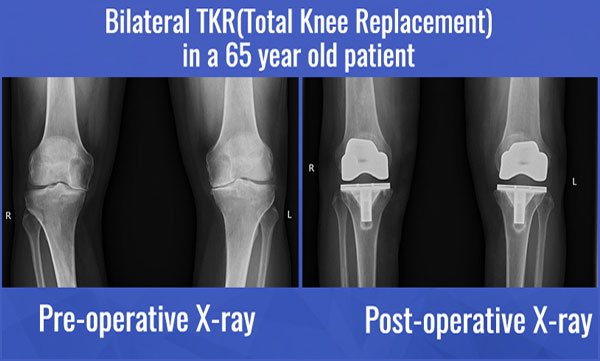


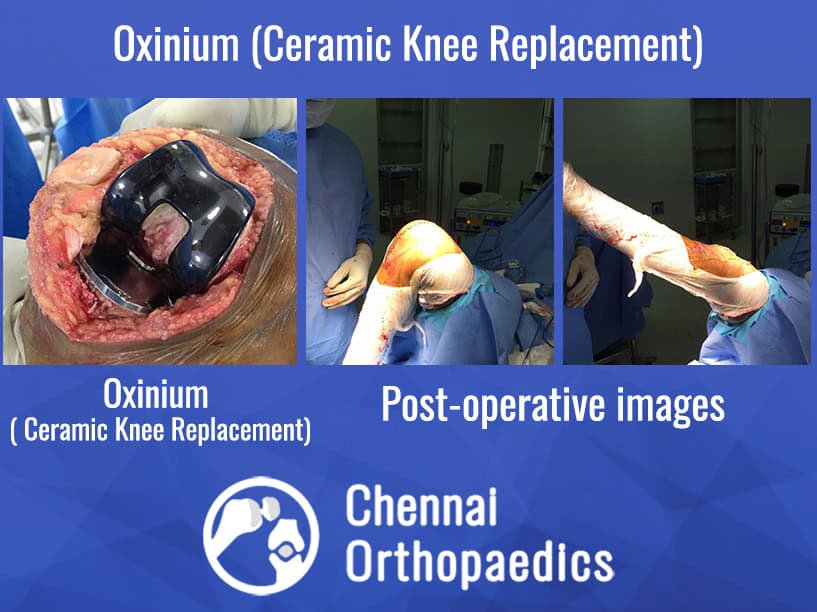
---
### [Foot Injury](https://chennaiorthopaedics.com/foot-injury-treatment/)
**Published:** November 11, 2025
**Author:** anjujosephgdcs@gmail.com
**Content:**
## Foot Injury Treatment In Chennai
Minor injuries of foot are common while walking, running or playing. But severe [foot injury](https://medlineplus.gov/ency/patientinstructions/000652.htm) may result due to accidents, falls, day to day wear and tear or overuse of foot. It may also result due to sports, recreational, work related activities.
### Types of Foot Injury
Acute Foot Injuries include the following:
- Bruises
- Injury to ligaments
- Injury to tendons
- Sprains (Injury to joints)
- Pulled muscles (strains)
- [Fractures](https://chennaiorthopaedics.com/knee-pain-treatments/knee-fracture-treatment/)
- Dislocations
### [Overuse injuries](https://chennaiorthopaedics.com/knee-pain-treatments/knee-pain-following-overuse-or-extended-inactivity/) include the following:
- Retrocalcaneal bursitis
- Achilles tendinitis
- Stress fractures
- Plantar fasciitis
- Metatarsalgia
### Symptoms of Foot Injury
- Injured foot looks odd, in strange or out of normal shape
- Broken skin over the site of injury
- Numbness, tingling, or pricking pins like feeling at the site of injury
- Pale, white or blue skin
- Colder than normal skin
- Inability to move the limb normally
- Weakness in the foot
- Inability to put weight on or straighten a hurt foot
- Foot feels unstable
- Severe pain in the foot
- [Swelling](https://chennaiorthopaedics.com/knee-pain-treatments/pain-and-swelling-in-knee/) at the site of injury
- Warmth and redness over the site of injury
### Diagnosis of Foot Injury
To know the cause of foot injury, it requires thorough physical examination of the patient and the detailed history of the injury. In addition to this, following diagnostic tests are performed to confirm the cause of the pain and the treatment required:
- X-rays of the foot
- CT (computerized tomography) or MRI (magnetic resonance imaging) scan
- Bone scan
- Electromyography or EMG
- Blood test
### Treatments for Foot Injury In Chennai
Most of the foot injury cases can be resolved with rest, change in lifestyle or OTC (over-the-counter, no prescription required) painkillers. If these do not help, following treatment options may be required depending upon the cause and severity of the pain:
- **Medication** – If PTC painkillers do not help then a prescription of NSAID (nonsteroidal anti-inflammatory drug) or codeine or hydrocodone (narcotics) or tricyclic antidepressants may be required for short periods under the close monitoring by the doctor.
- **Physical Therapy (Physiotherapy)** – This includes application of heat, ice, ultrasound and electrical stimulation and other muscle-relaxing techniques to alleviate pain.
- **Splints for the foot** – This is done to immobilize the foot to allow healing.
- **TENS (transcutaneous electrical nerve stimulation)** – It involves delivery of small electric pulses into the body through electrodes that are placed on the skin. This encourages the body to produce endorphins, and may possibly block pain signals returning to the brain.
- **Surgery** – Surgery is rarely required for foot injury but may be the only option to give relief to the patient after all the conservative management methods fail.
[Authored by Dr Bharani Kumar Dayanandam, MBBS, Orthopaedi](https://www.chennaiorthopaedics.com/best-arthroscopic-surgeon)c [Surgeon](https://www.chennaiorthopaedics.com/best-arthroscopic-surgeon)
---
### [Fatigue, Weight Loss and Fever](https://chennaiorthopaedics.com/fatigue-weight-loss-and-fever/)
**Published:** December 4, 2025
**Author:** Akhila
**Content:**
If a [hip pain](https://chennaiorthopaedics.com/hip-pain-treatment-chennai/) or inflammation is associated with marked weight loss without any reason, general fatigue without doing much activity and high fever (with or without chills), it can be associated with some infectious disorder. This condition should not be ignored and needs immediate medical attention. Other alarming symptoms of ankle disorder associated with infection are generalized weakness, inability to move the ankle, severe pain, swelling, redness and warmth in the joint.
[ Authored by Dr Bharani Kumar Dayanandam, MBBS, Orthopaedic Surgeon](https://www.chennaiorthopaedics.com/best-arthroscopic-surgeon)
---
### [Fatigue, Weight Loss and Fever](https://chennaiorthopaedics.com/ankle-pain-treatment/fatigue-weight-loss-and-fever/)
**Published:** November 20, 2025
**Author:** anjujosephgdcs@gmail.com
**Content:**
If an [ankle joint](https://chennaiorthopaedics.com/ankle-pain-treatment/) pain or inflammation is associated with marked weight loss without any reason, general fatigue without doing much activity and high fever (with or without chills), it can be associated with some infectious disorder. This condition should not be ignored and needs immediate medical attention. Other alarming symptoms of ankle disorder associated with infection are generalized weakness, inability to move the ankle, severe pain, swelling, redness and warmth in the joint.
[ Authored by Dr Bharani Kumar Dayanandam, MBBS, Orthopaedic Surgeon](https://www.chennaiorthopaedics.com/best-arthroscopic-surgeon)
---
### [Fatigue, Weight Loss and Fever](https://chennaiorthopaedics.com/wrist-pain-treatment/fatigue-weight-loss-and-fever/)
**Published:** November 26, 2025
**Author:** Akhila
**Content:**
If a [wrist pain](https://chennaiorthopaedics.com/wrist-pain-treatment/) or inflammation is associated with marked weight loss without any reason, general fatigue without doing much activity and high fever (with or without chills), it can be associated with some infectious disorder. This condition should not be ignored and needs immediate medical attention. Other alarming symptoms of ankle disorder associated with infection are generalized weakness, inability to move the ankle, severe pain, swelling, redness and warmth in the joint.
[ Authored by Dr Bharani Kumar Dayanandam, MBBS, Orthopaedic Surgeon](https://www.chennaiorthopaedics.com/best-arthroscopic-surgeon)
---
### [Fatigue, Weight Loss and Fever](https://chennaiorthopaedics.com/knee-pain-treatments/fatigue-weight-loss-and-fever/)
**Published:** November 26, 2025
**Author:** Akhila
**Content:**
If a [knee pain or inflammation i](https://chennaiorthopaedics.com/knee-ailments/ "knee pain or inflammation i")s associated with marked weight loss without any reason, general fatigue without doing much activity and high fever (with or without chills), it can be associated with some infectious disorder. This condition should not be ignored and needs immediate medical attention. Other alarming symptoms of ankle disorder associated with infection are generalized weakness, inability to move the ankle, severe pain, swelling, redness and warmth in the joint.
[ Authored by Dr Bharani Kumar Dayanandam, MBBS, Orthopaedic Surgeon](https://www.chennaiorthopaedics.com/best-arthroscopic-surgeon)
---
### [Elbow Tumour](https://chennaiorthopaedics.com/elbow-tumour/)
**Published:** November 15, 2025
**Author:** suneethagdcs@gmail.com
**Content:**
The bones of elbow joint may get bone tumour or cancer from some other part of the body may spread and reach bones of elbow. It may be benign or malignant. This occurs due to uncontrolled or abnormal growth of cells in the bone that results in the formation of a lump. Elbow cancer can also originate in the bone marrow, skin, cartilage, and soft tissue. The most common types of cancers seen in elbow are Ganglion cyst, Giant cell tumour of the tendon sheath or epidermal inclusion cyst. Others like lipomas (fatty tumors), neuromas (nerve tumors), nerve sheath tumors, fibromas and glomus tumors, etc. may occur rarely.
## **Causes:**
Although the exact cause of tumour is not known but it can be associated with genetics, radiation treatment, and injuries to the bones.
## **Symptoms:**
Tumour in the [elbow](https://chennaiorthopaedics.com/elbow-pain-treatment/ "elbow") may cause symptoms like:
- A dull ache in the affected bone that starts off as occasional and then becomes severe and constant
- Severe elbow pain that can wake you up in the night
- Weakening of the involved bone can lead to fractures
- [Swelling](https://chennaiorthopaedics.com/elbow-pain-treatment/pain-and-swelling-in-elbow/) at the site of the tumor
- Enlarged lymph nodes
- Night sweats or fevers with chills
- A new mass of tissue or lump may be felt in the elbow
- [Fatigue](https://www.chennaiorthopaedics.com/elbow-pain-treatment/fatigue-weight-loss-and-fever) and a general ill feeling
---
### [Elbow Soreness and Ache](https://chennaiorthopaedics.com/elbow-pain-treatment/elbow-soreness-and-ache/)
**Published:** November 15, 2025
**Author:** suneethagdcs@gmail.com
**Content:**

An [elbow joint](https://www.chennaiorthopaedics.com/elbow-pain-treatment) that is painful and uncomfortable while performing activities like bathing, brushing, writing, cooking, throwing a ball etc. is termed as sore elbow.
## **Causes:**
It can occur due to various reasons like injury of the elbow joint, sprain, [infection](https://www.chennaiorthopaedics.com/elbow-pain-treatment/elbow-infections), overuse of the joint, malalignment of the bones, or weak or unbalanced elbow muscles.
## **Symptoms:**
Soreness in elbow joint can be felt as discomfort as any of the following:
- [Severe pain](https://chennaiorthopaedics.com/elbow-pain-treatment/stiff-and-swollen-elbow/)
- Swelling
- Bruising
- Inability to move the joint
---
### [Elbow Pain following Overuse or Extended Inactivity](https://chennaiorthopaedics.com/elbow-pain-treatment/elbow-pain-following-overuse/)
**Published:** November 12, 2025
**Author:** suneethagdcs@gmail.com
**Content:**

[Elbow joint](https://www.chennaiorthopaedics.com/elbow-pain-treatment) may become painful due to its repeated use in certain activities like writing, cooking etc. It may also pain due to prolonged inactivity for some time. Both these reasons are distinct but cause pain in the elbow joint.
## **Causes:**
Pain related to overuse is caused by chronic and repetitive micro trauma to the joint and its structures. This is usually related to sports and cause damage to local tissues and results in onset of discomfort and pain. While on the other hand, physical inactivity can cause strain on the muscles and the tissues, making movement of elbow difficult and painful.
## **Symptoms:**
The pain associated with overuse of [elbow joint](https://www.chennaiorthopaedics.com/elbow-pain-treatment/locking-or-buckling-of-elbow) can be described as pain that comes on gradually without a discrete inciting incident. While the pain associated with inactivity is more of stiffness and difficulty to move the elbow for first few minutes.
---
### [Testimonials](https://chennaiorthopaedics.com/testimonials/)
**Published:** November 29, 2025
**Author:** Akhila
**Content:**
> [A Big Thanks To Dr Bharani Sir](https://chennaiorthopaedics.com/hip-pain-treatment-chennai/ "A Big Thanks To Dr Bharani Sir")
>
> Thank you Dr. Bharani Sir.. for your excellent work while performing surgery on my mother Minakshi Chatterjee from WB for her fracture of Hip joint. To your skilled hands, my mother’s symptom is very insignificant and my mother’s unbearable difficulty was much less after resolving it. Thank you again Sir for this outstanding work which you have done. My mother feeling too much better now I’m eternally thankful to that there were not any complications during the surgery. The word thank you is very insignificant to this great work of yours. GOD Bless You Sir..
> [Thank You Doctor](https://chennaiorthopaedics.com/knee-ailments/ "Thank You Doctor")
>
> My mother aged 65yrs was suffering from terrible pain in both her knees but not ready for a surgery due to apprehensions. After visiting Dr Bharani Kumar, was surprised to see my Mother giving consent for the surgery during the first visit itself. Dr Bharani Kumar was very professional in his approach and made the entire process look so simple. As assured by him, I was delighted to see my mother get out of bed on the 3rd day and walking on her own by the 15th day. It has been a year now and she is doing perfectly well with no further complications or pain. Thank you Doctor
> Thank You… is too small an expression which does not convey
>
> It was life’s moment, when I had to carry my leg as a separate piece, without any hope on my future in that state. This is when I happened to meet Dr. Bharani Kumar, who transformed my life by getting my leg back into shape. If I am walking as everyone else today, Other than God and Prayers from my loved ones, it wouldn’t have been possible without you, Doctor. While I don’t know much on medical terms to actually explain what was done, it was the confidence that my Doctor had on me and the complete trust that I had on HIM. If not for Dr. Bharani Kumar, I am not what I am today… thanks for the rebirth of my new life, Doctor. You are just not a Doctor, but a good friend who goes that extra mile to empathise and help us to get over the trauma as well. In today’s world where Hospitals and treatment has become so commercial, it is indeed very rare to see a doctor whose true devotion is felt without a bit of the money aspect into it. One has to actually experience this fact that I have heart-fully expressed.
>
> It is indeed a pleasure to know Dr. Bharani Kumar, not only as a Doctor, but more as a nice Human Being.
>
> Until I find better words… “THANK YOU, Dr. Bharani”
> A note not enough to “THANK YOU”
>
> Thank You… is too small an expression which does not convey how truly I am indebted to you.
>
> It was life’s moment, when I had to carry my leg as a separate piece, without any hope on my future in that state. This is when I happened to meet Dr. Bharani Kumar, who transformed my life by getting my leg back into shape. If I am walking as everyone else today, Other than God and Prayers from my loved ones, it wouldn’t have been possible without you, Doctor. While I don’t know much on medical terms to actually explain what was done, it was the confidence that my Doctor had on me and the complete trust that I had on HIM. If not for Dr. Bharani Kumar, I am not what I am today… thanks for the rebirth of my new life, Doctor. You are just not a Doctor, but a good friend who goes that extra mile to empathise and help us to get over the trauma as well. In today’s world where Hospitals and treatment has become so commercial, it is indeed very rare to see a doctor whose true devotion is felt without a bit of the money aspect into it. One has to actually experience this fact that I have heart-fully expressed.
>
> It is indeed a pleasure to know Dr. Bharani Kumar, not only as a Doctor, but more as a nice Human Being.
>
> Until I find better words… “THANK YOU, Dr. Bharani”
> I especially appreciate Dr Bharani
>
> I heard about Apollo hospitals for the first time when I found out that my sister would require total hip replacement surgery. I did some research on the hospital and a few other options I had. I found out that Apollo was a brand and had international accreditations. So we settled for Apollo. On getting to Apollo, I was not in anyway disappointed. My expectations were met and exceeded.
>
> The entire member of the health team at Apollo were dedicated to their duties. They took care of the patient as well as the attendants.
>
> The care was holistic. They did not only focus on the hip, but the patient as a whole. They carried us along every step of the way and won our confidence.
>
> I especially appreciate Dr Bharani and his team, the nurses on the ward and in CCU and everyone that was a part of organizing her birthday celebration. God bless you all.
> [ABOUT MY DOCTOR MR-BHARANIKUMAR](https://www.chennaiorthopaedics.com/testimonials/about-my-doctor-mr-bharanikumar)
>
> A note not enough to THANK “YOU”
>
> Thank You… is too small an expression which does not convey how truly I am indebted to you.
>
> It was life’s moment, when I had to carry my leg as a separate piece, without any hope on my future in that state. This is when I happened to meet Dr. Bharani Kumar, who transformed my life by getting my leg back into shape. If I am walking as everyone else today, Other than God and Prayers from my loved ones, it wouldn’t have been possible without you, Doctor. While I don’t know much on medical terms to actually explain what was done, it was the confidence that my Doctor had on me and the complete trust that I had on HIM. If not for Dr. Bharani Kumar, I am not what I am today… thanks for the rebirth of my new life, Doctor. You are just not a Doctor, but a good friend who goes that extra mile to empathise and help us to get over the trauma as well. In today’s world where Hospitals and treatment has become so commercial, it is indeed very rare to see a doctor whose true devotion is felt without a bit of the money aspect into it. One has to actually experience this fact that I have heart-fully expressed.
>
> It is indeed a pleasure to know Dr. Bharani Kumar, not only as a Doctor, but more as a nice Human Being.
>
> Until I find better words… “THANK YOU, Dr. Bharani”
> [A Big Thank You Doctor](https://www.chennaiorthopaedics.com/testimonials/my-mother-65)
>
> My wife Vijayalakshmi Ashok is doing fine after her knees were replaced. A very special mention to you for the fantastic pain management skills which you exercised considering her pathetic pain threshold limits. A thorough professional with a human touch, made my wife feel at ease. This ease made her more comfortable and today, she is able to walk without much hassle.
>
> My wife expresses her gratitude day in day out and we together thank you not only for your professional expertise but combining this with a fantastic human touch is THE differentiator. God bless you!!
> [HARI KRISHNAN (Patient’s Son)](https://www.chennaiorthopaedics.com/testimonials/hari-krishnan-patients-son)
>
> Dear Doctor, We are happy to intimate our heartfelt thanks to you for the excellent treatment carried out for the management of osteoarthritis both knees for my mother Smt.Indira L. Within a period of one and half month after the Bilateral Knee replacement surgery, now she can undergo all the daily chores and lead a normal life. Thanks to you for the support and wish you all success in future endeavors.
> [Dr. Surojeet Chatterji](https://www.chennaiorthopaedics.com/testimonials/dr-surojeet-chatterji)
>
> Dr. Surojeet Chatterji (Licentiate of Royal Schools of Music, London/ Alumnums of Moscow Conservatory, Russia/Head of Russian Piano Studio/K.M College of Music and Technology, Chennai)
>
> Almost two years ago, on noticing a painful limp in my gait, a considerate father of a student of mine at music composer A.R. Rahman’s Institute of music Chennai, suggested that whenever I be ready, he would have my knees transplanted at Apollo, the leading medical institution in India. That gentleman was no other than Sai Narayanan, the general manager of health services.
>
> Before long, two years had passed and on the 12th of May 2014, I was led by him to Apollo speciality hospital at Vanagaram for the operation I was so dreading upon. Earlier, he had me consulted with Dr.Bharani Kumar, the orthopaedic surgeon and within a very short period of time I was convinced of his knee transplant expertise. He explained to me my options and recommended what was best. Thereafter, the procedures of preparing for the operation went through with utmost smoothness by all of his efficient team members. In just five hours it was all over and I woke up at the intensive care with two new knees.
>
> The recovery period at the hospital and what followed at home for the next three months, was unending indescribable pain. At all time of the day and unearthly hours of the night, I would desperately call my doctor for help and relief and each and every time he would treat me with empathy and understanding.
>
> The bright side to the all of above was, that my operation was a success and before long to the delight of my doctors and my colleagues I was able to sit cross legged, walk and stride like I had not done for almost 20 years, I was videotaped for posterity.
>
> Hurrah to Apollo for bringing to India, world class surgeons and doctors such as Dr.Bharani Kumar and for the incredible environment of cleanliness, politeness and efficiency of a kind that ever experiences at the best American hospitals during my stay in U.S. could not match. Most of all, the excellence lay on the very human side writ large on the ever present smiles of so many caring sisters and nurses\_the unsung heroes of Apollo.
>
> If only India could become Apollo, a true global institution, the founding fathers of our land would so truly be gratified.
> [Doctor Bharani Kumar](https://www.chennaiorthopaedics.com/testimonials/doctor-bharani-kumar)
>
> Doctor Kumar performed arthroscopic surgery on both my knees which had torn meniscus. There was a lot of pain as a result.
>
> The surgery was performed quickly and effectively. I experienced very little pain, was treated extremely well in the hospital, and was walking the same day of surgery.
>
> I would strongly recommend Doctor Kumar to anyone needing surgery for a highly qualified and effective result.
> [Knee replacement surgery](https://www.chennaiorthopaedics.com/testimonials/doctor-bharani-kumar)
>
> Dear Dr.Bharani Kumar Dayanandam, I want to express my heart felt thanks on behalf of my whole family. My Mother G.Vasanthi was going through immense pain and suffering due her knee problem. The elegant way in which you have guided us and performed the knee replacement surgery had helped her greatly. The ease with which you have handled all her doubts and made her feel very comfortable during the whole process has greatly helped her to face the surgery with confidence and recupurate very soon. My mother is greatly improved in her health with in a month from the surgery and is able to perform her day to day activities with great ease now. The surgery has not only changed her life but the whole family’s every day life is improved immensely. We cannot thank you enough for the excellent care and exceptional professional services that you have provided.
> [Dr Suresh](https://www.chennaiorthopaedics.com/testimonials/dr-suresh)
>
> I had known [Dr Bharani Kumar ](https://www.chennaiorthopaedics.com/best-arthroscopic-surgeon)as only my colleague and friend until I chose him to perform my complicated knee surgery keeping in mind that I have had nothing but only positive experiences with him. It was truly an amazing experience to be operated by him. Dr Bharani explained the procedures well and took the time to thoroughly answer all my questions. This testimonial is to express my appreciation for the outstanding professionalism, attention to detail, and skill of Dr Bharani. He spent all the necessary time to explain about the procedure he would be performing, including common side effects and uncommon but serious complications. He just seemed so intelligent and modern. I’m extremely pleased and will refer others to this doctor for his outstanding work with me. It has been more than a year now after the surgery, and all I’ve got to say that I’m completely satisfied. Thank you Dr Bharani.
> [Meenatchee Baumee](https://www.chennaiorthopaedics.com/testimonials/meenatchee-baumee)
>
> We would like to express a few words of gratitude towords yourself. We consider ourselves to be very lucky to have met such a helping and so skilful doctor. We greatly believe that god has acted through your hands to ease the pain of my mother Meerssche Bournee we heartily thank you for all your help and support that you have showed to us. someway or another we got guided towards yourself and we will alwayes thank the almighty for that. For you, my mother might just be another patient, but for us. [Dr Bharani Kumar Dayanandam ](https://www.chennaiorthopaedics.com/best-arthroscopic-surgeon)will remain a godly figure, whom we will never forget and who has helped my mother come out of great suffering. Words are not enough to portray how thankful we are we would also like to thank the whole Apollo team, the anesthetists, the caring nurses, the cleaners and also who helped my mother during her treatment at Apollo hospital. I, personally apologize if I have been too bothersome towards yourself we really do hope that you keep helping more people through your profession, we also hope that one day you will come to meet us in mauritius. We will be ever ready to help you in any way possible. Do give us the chance to show you the mauritius hospitality.
---
### [Pain and Swelling in Wrist](https://chennaiorthopaedics.com/wrist-pain-treatment/pain-and-swelling-in-wrist/)
**Published:** November 13, 2025
**Author:** anjujosephgdcs@gmail.com
**Content:**

[Wrist joint](https://chennaiorthopaedics.com/wrist-pain-treatment) is one of the most used joints of our body and is required in almost all the activities. Pain and Swelling in or around the wrist is the most uncomfortable situation that makes it difficult or sometimes impossible for the person to perform simple activities like bathing, holding a glass, writing, cooking etc.
## **Causes:**
A combination of wrist pain and swelling may occur due to various reasons like trauma, fractures, dislocation, sprains, strains and chronic conditions like carpel tunnel syndrome, inflamed tendons, bursitis, osteoarthritis, rheumatoid arthritis, or other [joint disorders](https://chennaiorthopaedics.com/elbow-pain-treatment/pain-and-swelling-in-elbow).
## **Symptoms:**
In most of the cases, wrist pain and swelling makes it impossible for the person to perform routine activities and he becomes dependent on other persons for simple activities like bathing, holding a glass, writing, cooking etc.
[ Authored by Dr Bharani Kumar Dayanandam, MBBS, Orthopaedic Surgeon](https://www.chennaiorthopaedics.com/best-arthroscopic-surgeon)
---
### [Pain and Swelling in Knee](https://chennaiorthopaedics.com/knee-pain-treatments/pain-and-swelling-in-knee/)
**Published:** November 11, 2025
**Author:** anjujosephgdcs@gmail.com
**Content:**
Pain and Swelling in [Knee](https://chennaiorthopaedics.com/knee-pain-treatments) is the most common complaint that compels the person to go to the physician. In fact this should also not be ignored as it can be a sign of the underlying disorder that needs medical intervention.
## **Causes:**
A combination of knee pain and swelling may occur due to various reasons like trauma, osteoarthritis, rheumatoid arthritis, gout or other joint disorders.
## **Symptoms:**
In most of the cases, knee pain and swelling makes it impossible for the person to put weight on the joint or move it completely. It may also be associated with some deformity in the leg or knee.
[ Authored by Dr Bharani Kumar Dayanandam, MBBS, Orthopaedic Surgeon](https://www.chennaiorthopaedics.com/best-arthroscopic-surgeon)
---
### [Morning Stiffness of Elbow](https://chennaiorthopaedics.com/morning-stiffness-of-elbow/)
**Published:** November 12, 2025
**Author:** suneethagdcs@gmail.com
**Content:**
Morning stiffness of the [elbow joint ](https://www.chennaiorthopaedics.com/elbow-pain-treatment)may be described as rigidity in the elbow joint after waking up in the morning or after a resting period that makes it difficult to perform activities like brushing, combing, cooking, writing etc. It may be severe but is usually brief for less than 30 minutes.
## **Causes:**
The most common cause of [morning stiffness](https://www.chennaiorthopaedics.com/hip-pain-treatment/morning-stiffness-of-hip) of the elbow joint is rheumatoid arthritis or osteo arthritis. Both these disorders causes inflammation and stiffness but RA is more specifically related to morning stiffness.
## **Symptoms:**
Although it is hard to describe morning stiffness but patient generally complains of an ache or discomfort in the elbow joint combined with difficulty moving it for activities like brushing, combing, cooking, writing etc.
---
### [Elbow Infections](https://chennaiorthopaedics.com/elbow-pain-treatment/elbow-infections/)
**Published:** November 12, 2025
**Author:** suneethagdcs@gmail.com
**Content:**
[Elbow joint](https://www.chennaiorthopaedics.com/elbow-pain-treatment) infection is a serious condition that needs immediate medical intervention. It happens when germs get into the bone or joint and reproduce. Viruses, bacteria, fungi and parasites can all cause infections.
## **Causes:**
Elbow joint infection may occur due to infected or septic arthritis, septic joint, infection after elbow surgery or after elbow replacement, bursal infection, soft tissue infection or cellulitis.
## **Symptoms:**
Symptoms of elbow infection generally include the following:
- Fever with chills
- Fatigue
- Generalized weakness
- Inability to move the elbow
- Severe pain in the joint, especially with movement
- [Swelling](https://chennaiorthopaedics.com/pain-and-swelling-in-shoulder)
- Joint is red and warm to touch
---
### [Elbow Deformity](https://chennaiorthopaedics.com/elbow-pain-treatment/elbow-deformity/)
**Published:** November 13, 2025
**Author:** anjujosephgdcs@gmail.com
**Content:**
[Elbow deformity](https://www.drcangemalmaz.com/en/page/elbow-deformity/) is the malformation or distortion of the normal shape and positioning of the elbow.
## **Causes:**
It can be congenital or acquired due to wrist joint dislocation, fracture or paralysis of the muscles attached to wrist joint.
## **Symptoms:**
Cubitus varus and cubitus valgus are the most common elbow deformities. The deformity is mainly characterized by distortion of the normal alignment or structural organization of the joint. It can be visible to the other persons. It may cause pain in the joint along with reduced activity of the joint.
[ Authored by Dr Bharani Kumar Dayanandam, MBBS, Orthopaedic Surgeon](https://www.chennaiorthopaedics.com/best-arthroscopic-surgeon)
---
### [Elbow Ailments](https://chennaiorthopaedics.com/elbow-pain-treatment/)
**Published:** November 13, 2025
**Author:** anjujosephgdcs@gmail.com
**Content:**
Elbow joint is made up of three bones humerus, radius, and ulna. These bones are held in place by muscles, tendons, and ligaments. Elbow joint is used in almost all the [activities](https://chennaiorthopaedics.com/elbow-pain-treatment/elbow-pain-following-overuse/) that involve upper limb. It moves with almost all the movements of our arms. It allows a wide range of activities like bathing, brushing, writing, cooking, throwing a ball etc.
## **Causes of Elbow Ailments**
Elbow problems can occur due to variety of reasons including:
- A sudden (acute) injury may occur due to
- fall on elbow
- a direct blow to the elbow
- abnormal twisting or bending of the elbow
- Manual labor and prolonged typing or writing or cooking.
- Overuse of the joint may cause excessive wear and tear of the joint due to overdoing of an activity or through repetition of an activity
- Forceful twisting or rotating the elbow beyond the normal range of motion
- Excessive strain on the elbow
- Different types of arthritis (inflammation of joints and tissues) like osteoarthritis, rheumatoid arthritis, post-traumatic arthritis, gout, lupus etc.
## **Symptoms of Elbow Ailments**
The symptoms of elbow ailments depend upon the disorder and its extent (acute or chronic), But in majority of the cases, patient complains of the following problems associated with the elbow joint:
- Pain in the elbow joint with or without movement
- Inability to move the elbow
- [Swelling of the joint](https://chennaiorthopaedics.com/elbow-pain-treatment/pain-and-swelling-in-elbow)
- Stiffness in the joint
- Numbness or tingling sensation in the elbow that may also be present in the arm
- Weakness in the joint that makes it unable to move
- Warmth in the joint
- Limping
- [Restricted physical activity](https://chennaiorthopaedics.com/elbow-pain-treatment/significantly-reduced-elbow-function/)
- Bruising
- Loud popping sounds
These are just common symptoms but patient may have other symptoms too that should not be ignored as elbow joint is one of the most important joint of our body. So anything that is not normal or is causing discomfort should be discussed with the doctor and treated accordingly.
## **Diagnosis of Elbow Ailments**
The diagnosis of elbow ailments starts with a complete medical history of the patient. It is also required to consider family history of joint pains as some of these disorders run in families. This is followed by thorough physical examination of the joint to find any visible signs and assess its level of activity. In addition to these following diagnostic tests are almost always required to conclude the disorder:
- X ray
- Ultrasound
- Bone scan
- CAT scan
- MRI
- Arthroscopy
- Biopsy
## **Elbow Ailments Treatment**
Treatment of elbow problems specifically depends upon the cause and extent of disorder. It is required to first evaluate the damage that has already occurred and simultaneously start the treatment that would prevent further damage. Treatment may include some of the following:
- Medication: Oral or injectable medicines are given to reduce pain, swelling and inflammation e.g. NSAIDs (nonsteroidal anti-inflammatory drugs).
- Physical therapy: Various types of exercises and activities are advised to the patient so as to improve the joint movement and strength.
- Compression bandage: Wearing compression bandages or casts to immobilize the elbow joint.
- Cortisone (steroid) injections: These are given to reduce pain and swelling.
- Surgery: In cases of severely damaged elbow joint that cannot be managed by any of the conservative ways, surgery can prove to be beneficial for the patient.
[ Authored by Dr Bharani Kumar Dayanandam, MBBS, Orthopaedic Surgeon](https://www.chennaiorthopaedics.com/best-arthroscopic-surgeon)
---
### [Dislocation or Subluxation of Hip](https://chennaiorthopaedics.com/hip-pain-treatment/dislocation-or-subluxation-of-hip/)
**Published:** November 19, 2025
**Author:** anjujosephgdcs@gmail.com
**Content:**
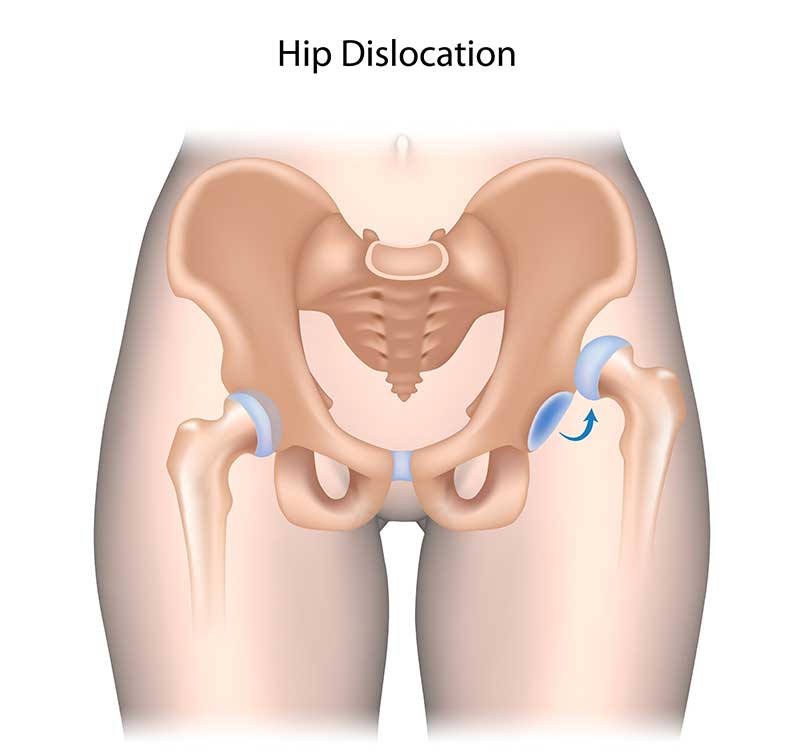
Hip dislocation or subluxation is an unstable condition of the [hip joint](https://chennaiorthopaedics.com/hip-pain-treatment-chennai/) that gives a feeling of ‘giving way’ or that the hip has suddenly lost its stability.
## **Causes:**
Hip dislocation or subluxation is more often caused by trauma like direct hit to the hip joint but it may also occur due to gradual weakening of the ligaments and cartilage that supports the hip. It results in the forceful removal of the ball of the joint from its socket.
## **Symptoms:**
Dislocation or subluxation of hip is characterized by swelling, numbness, weakness and bruising of the joint area. It may also cause pain and weakness that interfere with activities like walking, running, getting up from a chair, or swinging leg around.
[ Authored by Dr Bharani Kumar Dayanandam, MBBS, Orthopaedic Surgeon](https://www.chennaiorthopaedics.com/best-arthroscopic-surgeon)
---
### [Collateral ligament injury of the knee](https://chennaiorthopaedics.com/knee-treatments/collateral-ligament-injury-of-the-knee/)
**Published:** November 13, 2025
**Author:** anjujosephgdcs@gmail.com
**Content:**
The medial collateral ligament (MCL) is situated on the inward part of your knee, yet it’s located outside the joint itself. Tendons hold bones together and add solidness and firmness to a joint. The MCL comprises the highest point of the tibia (shinbone) and connects it with the base of the femur (thighbone).
Damage to the MCL is regularly called an MCL sprain. The [injuries](https://chennaiorthopaedics.com/knee-pain-treatments/knee-fracture-treatment/) associated with ligament can either stretch it or damage or tear it. An immediate hit to the knee typically causes MCL damage of the knee. This sort of damage is normal in contact sports.
It’s normally the aftereffect of a hit to the external part of the knee, which tears or stretches the MCL.
## **MCL Injuries’ Grades**
MCL injuries can be graded in levels I, II, or III:
- Grade 1 MCL injury: It is the one that is the least severe, and in this, the ligament gets stretched a bit but doesn’t get torn.
- Grade 2 MCL injury: In the grade II, the ligament is partially torn, and generates instability in the knee joint.
- Grade 3 MCL injury: It involves a serious injury to a ligament and happens when ligament gets completely torn.
## **Treatment of the MCL Injury**
The treatments associated with the Medial Collateral Ligament vary according to the severity of the injury. If there’s a slight hit to the knee and the injury isn’t severe, then most of the injuries related to MCL, heal on their own. All a patient is asked to do is to rest for a few days or weeks.
Instant treatment
It is also known as Immediate [treatment](https://www.chennaiorthopaedics.com/knee-pain-treatments) and is considered, so that the patient may get relieved soon. This treatment eases the pain and instantly stabilizes the knee joint.
The instant/immediate treatment options are:
- Keep on elevating the knee above heart level to get rid of the swelling.
- Using ice to decrease [swelling](https://chennaiorthopaedics.com/knee-pain-treatments/stiff-and-swollen-knee/)
- Taking proper rest.
- Compressing the knee joint with the help of an elastic.
- Utilizing crutches so that that weight can be put off of your damaged knee.
- In-taking NSAIDs (Nonsteroidal Anti-Inflammatory Drugs) to reduce pain as well as swelling.
## **Healing**
After the immediate treatment, when you enter the recovery phase, you should focus on regaining your lost strength. In order to do so, you should take the most care of yourself so that no further injury occurs at the same area.
The healing process involves:
- Wearing a knee brace for safety while performing any physical activity.
- Opting for physical therapy to get stronger muscles and improve the knee’s movement.
- Not doing any activity that may again cause the similar injury.
## **Surgical Procedure**
Any injury associated with MCL usually doesn’t require surgery. But in some rare cases, it becomes essential to operate. The surgeon has to recommend surgery when the ligament gets torn that it doesn’t get repaired on its own.
The surgeon may use [arthroscopy](https://www.chennaiorthopaedics.com/blog/shoulder-arthroscopy-chennai) before the operation, in order to examine the injury properly. After that, the surgeon makes a tiny incision along the inward side of the knee. According to the location from the ligament is torn, the doctor may go with bone staples, large stitches, suture anchor, or metal screw, etc. If the ligament gets ripped in the middle, then the doctor stitches it all together.
[ Authored by Dr Bharani Kumar Dayanandam, MBBS, Orthopaedic Surgeon](https://www.chennaiorthopaedics.com/best-arthroscopic-surgeon)
---
### [Bony Enlargements in Wrist](https://chennaiorthopaedics.com/wrist-pain-treatment/bony-enlargements-in-wrist/)
**Published:** November 21, 2025
**Author:** suneethagdcs@gmail.com
**Content:**
Bony Enlargements in [wrist joint](https://chennaiorthopaedics.com/wrist-pain-treatment/) and fingers is a classic symptom of the osteoarthritis of the wrist joint. It is also called as osteophytes or bone spurs.
## **Causes:**
Although bony enlargements occur mainly in OA but, these can also occur due to aging, injury, wear and tear or degenerative joint disease
## **Symptoms:**
The bony protuberances can be felt under the skin as thickened and extended area near joints and typically enlarge over time.
Authored by [Dr Bharani Kumar Dayanandam, MBBS, Orthopaedic Surgeon](https://chennaiorthopaedics.com/best-arthroscopic-surgeon/)
---
### [Bony Enlargements in Shoulder](https://chennaiorthopaedics.com/shoulder-pain-treatment/bony-enlargements-in-shoulder/)
**Published:** November 19, 2025
**Author:** anjujosephgdcs@gmail.com
**Content:**
Bony enlargements in [shoulder joint](https://www.chennaiorthopaedics.com/shoulder-pain-treatment) is a classic symptom of the osteoarthritis of the shoulder joint. It is also called as osteophytes or bone spurs.
## **Causes:**
Although bony enlargements occur mainly in OA but, these can also occur due to aging, [injury](https://chennaiorthopaedics.com/shoulder-pain-treatment/shoulder-fracture-treatment/), wear and tear or degenerative joint disease.
## **Symptoms:**
The bony protuberances can be felt under the skin as thickened and extended area near joints and typically enlarge over time.
[ Authored by Dr Bharani Kumar Dayanandam, MBBS, Orthopaedic Surgeon](https://www.chennaiorthopaedics.com/best-arthroscopic-surgeon)
---
### [Bony Enlargements in Knees](https://chennaiorthopaedics.com/knee-pain-treatments/bony-enlargements-in-knees/)
**Published:** November 13, 2025
**Author:** anjujosephgdcs@gmail.com
**Content:**

[Bony Enlargements](https://www.chennaiorthopaedics.com/blog/bony-enlargements-knee-treatment) in [knee joint ](https://www.chennaiorthopaedics.com/knee-pain-treatments)is a classic symptom of the [osteoarthritis](https://www.chennaiorthopaedics.com/knee-pain-treatments/significantly-reduced-knee-function) of the joint. It is also called as osteophytes or bone spurs.
## **Causes:**
Although bony enlargements occur mainly in OA but, these can also occur due to aging, [injury](https://chennaiorthopaedics.com/knee-pain-treatments/knee-fracture-treatment/), wear and tear or degenerative joint disease.
## **Symptoms:**
The bony protuberances can be felt under the skin as thickened and extended area near joints and typically enlarge over time.
[Authored by Dr Bharani Kumar Dayanandam, MBBS, Orthopaedi](https://www.chennaiorthopaedics.com/best-arthroscopic-surgeon)c [Surgeon](https://www.chennaiorthopaedics.com/best-arthroscopic-surgeon)
---
### [Bony Enlargements in Hip](https://chennaiorthopaedics.com/hip-pain-treatment/bony-enlargements-in-hip/)
**Published:** November 19, 2025
**Author:** anjujosephgdcs@gmail.com
**Content:**
Bony Enlargements in [hip joint](https://www.chennaiorthopaedics.com/hip-pain-treatment-chennai) is a classic symptom of the [osteoarthritis](https://www.chennaiorthopaedics.com/knee-treatments/cartilage-regrowth-by-prpstem-cell-therapy) of the hip joint. It is also called as osteophytes or bone spurs.
## **Causes:**
Although bony enlargements occur mainly in OA but, these can also occur due to aging, injury, wear and tear or degenerative joint disease.
## **Symptoms:**
The bony protuberances can be felt under the skin as thickened and extended area near joints and typically enlarge over time.
[ Authored by Dr Bharani Kumar Dayanandam, MBBS, Orthopaedic Surgeon](https://www.chennaiorthopaedics.com/best-arthroscopic-surgeon)
---
### [Bony Enlargements in Ankle](https://chennaiorthopaedics.com/ankle-pain-treatment/bony-enlargements-in-ankle/)
**Published:** November 20, 2025
**Author:** anjujosephgdcs@gmail.com
**Content:**
Bony enlargements in[ ankle joint ](https://www.chennaiorthopaedics.com/ankle-pain-treatment)is a classic symptom of the osteoarthritis of the ankle joint. It is also called as osteophytes or bone spurs.
## **Causes:**
Although bony enlargements occur mainly in OA, these can also occur due to aging, [injury](https://chennaiorthopaedics.com/ankle-pain-treatment/ankle-fracture-treatment/), wear and tear or degenerative joint disease.
## **Symptoms:**
The bony protuberances can be felt under the skin as thickened and extended area near joints and typically enlarge over time.
[ Authored by Dr Bharani Kumar Dayanandam, MBBS, Orthopaedic Surgeon](https://www.chennaiorthopaedics.com/best-arthroscopic-surgeon)
---
### [Bony Enlargements in Elbow](https://chennaiorthopaedics.com/elbow-pain-treatment/bony-enlargements-in-elbow/)
**Published:** November 12, 2025
**Author:** suneethagdcs@gmail.com
**Content:**
Bony enlargements in elbow joint is a classic symptom of the osteoarthritis of the[ elbow joint](https://chennaiorthopaedics.com/elbow-pain-treatment/). It is also called as osteophytes or bone spurs.
## **Causes:**
Although bony enlargements occur mainly in OA but, these can also occur due to aging, injury, wear and tear or degenerative joint disease.
## **Symptoms:**
The bony protuberances can be felt under the skin as thickened and extended area near joints and typically enlarge over time.
---
### [Hip Deformity](https://chennaiorthopaedics.com/hip-pain-treatment/hip-deformity-treatment/)
**Published:** November 19, 2025
**Author:** anjujosephgdcs@gmail.com
**Content:**
[Hip deformity ](https://www.chennaiorthopaedics.com/hip-pain-treatment/hip-trauma)is the distortion of the hip joint and is mainly of following two types:
A deformity of the ball of the hip joint: If the head of the femur bone is not shaped normally, it can jam in the socket during bending movement while doing activities such as riding a bicycle or tying shoes.
A deformity of the socket of the hip joint: If the socket of the hip joint sticks out too far, the neck of the femur may bump into the rim of the socket during normal hip flexion movement.
## **Symptoms**:
Initially, it does not show any symptoms but as the condition worsens, patient may complain of the following:
- Pain in the hip during or after running, jumping or prolonged inactivity
- [Stiffness in the thigh, hip, or groin](https://www.chennaiorthopaedics.com/hip-pain-treatment/stiff-and-swollen-hip)
- Inability to flex the hip beyond a right angle
[ Authored by Dr Bharani Kumar Dayanandam, MBBS, Orthopaedic Surgeon](https://www.chennaiorthopaedics.com/best-arthroscopic-surgeon)
---
### [Elbow Trauma](https://chennaiorthopaedics.com/elbow-pain-treatment/elbow-trauma/)
**Published:** November 13, 2025
**Author:** anjujosephgdcs@gmail.com
**Content:**
[Elbow joint ](https://chennaiorthopaedics.com/elbow-pain-treatment)is made up of various structures like bones, ligaments, muscles etc. that may get injured due to trauma. Trauma may result in elbow injuries like fractures, dislocation, and sprains and tears of soft tissues, like ligaments. In many cases, injuries involve more than one structure in the elbow joint.
## **Causes:**
The most common cause of elbow injury and fracture is vehicular accident, direct blow on the elbow or fall from height on elbow or abnormal twisting or bending of the elbow. It can also occur due to blunt trauma to the elbow, such as from a car crash. Twisting, rolling or rotating of elbow may also injure it.
## **Symptoms:**
The symptoms of elbow fracture or injury may include any of the following:
- Pain in the elbow
- [Swelling](https://chennaiorthopaedics.com/elbow-pain-treatment/pain-and-swelling-in-elbow) of the elbow
- Bruising in or around the joint
- Stiffness
- Inability to move the elbow
- Redness and warmth over the joint
- Bone protruding out of the joint
- [Deformity](https://chennaiorthopaedics.com/elbow-pain-treatment/elbow-deformity) (“out of place”), particularly if the elbow joint is dislocated as well
[ Authored by Dr Bharani Kumar Dayanandam, MBBS, Orthopaedic Surgeon](https://www.chennaiorthopaedics.com/best-arthroscopic-surgeon)
---
### [BLOGS](https://chennaiorthopaedics.com/blog/)
**Published:** November 22, 2025
**Author:** Akhila
**Content:**
- ### [Does a Rotator Cuff Tear Need Surgery?](https://chennaiorthopaedics.com/does-rotator-cuff-tear-need-surgery/)
- ### [How Do You Treat Shoulder Muscle Pain?](https://chennaiorthopaedics.com/shoulder-muscle-pain/)
- ### [5 Mistakes to Avoid After Total Knee Replacement Surgery](https://chennaiorthopaedics.com/mistakes-after-knee-replacement/)
- ### [10 Simple Daily Habits for Healthy, Pain-Free Knees](https://chennaiorthopaedics.com/daily-habits-healthy-knees/)
- ### [How Long Does a Knee Replacement Last? Key Factors](https://chennaiorthopaedics.com/how-long-does-knee-replacement-last/)
- ### [Knee Replacement Surgery Recovery Tips for Safe Healing](https://chennaiorthopaedics.com/knee-replacement-surgery-recovery/)
- [](https://chennaiorthopaedics.com/who-needs-knee-replacement-surgery/)
### [Who Needs Knee Replacement Surgery? Signs, Causes & Treatment](https://chennaiorthopaedics.com/who-needs-knee-replacement-surgery/)
- [](https://chennaiorthopaedics.com/common-sports-injuries-causes-prevention-recovery-guide-for-athletes/)
### [Common Sports Injuries: Causes, Prevention & Recovery Guide for Athletes](https://chennaiorthopaedics.com/common-sports-injuries-causes-prevention-recovery-guide-for-athletes/)
- [](https://chennaiorthopaedics.com/knee-pain-after-40/)
### [Knee Pain After 40: Causes, Diagnosis, and Effective Treatment Options](https://chennaiorthopaedics.com/knee-pain-after-40/)
[Next Page→](/wp-cron.php?doing_wp_cron=1795238943.5864779949188232421875&query-1-page=2)
---
### [Back Pain Treatment in Chennai](https://chennaiorthopaedics.com/back-pain-treatment/)
**Published:** November 12, 2025
**Author:** suneethagdcs@gmail.com
**Content:**
Pain in back is a common complaint that can occur to any individual of any age. It is an uncomfortable situation that can be quick or remain for long time and also disturbs the lifestyle of the sufferer. It mainly occurs due to malfunctioning of the bones, muscles and ligaments in the back.
## **Risk factors for back pain**
Although pain in back can occur due to so many reasons but there are certain factors that increases the likelihood of developing back pain. These include:
- Stressful job
- Strenuous physical exercise or activity
- Anxiety
- Sedentary lifestyle
- Depression
- Adults between 35 to 55 years of age
- Pregnancy
- Being female
- Obesity/overweight
## **Causes of back pain**
In most of the cases of back pain, it is quite difficult to find out the real cause of pain. The probable cause of pain could be any of the following:
- Improper lifting of anything that is too heavy may strain the muscles or ligaments in the back
- An abrupt and awkward movement involving back
- Spasm of the back muscles
- Back is composed of a complex structure of muscles, ligaments, tendons, disks and bones. Structural abnormality of any of these can cause[ back pain](https://www.chennaiorthopaedics.com/blog/back-pain-treatment-chennai):
- Ruptured disks
- Bulging disks
- Sciatica
- Arthritis
- Abnormal curvature of the spine
- Osteoporosis
- Infection of spine, kidney or bladder
- Cancer of spine
- Sleeping on bad mattress that keeps the spine straight and does not support specific parts of the body
- Poor everyday activity or posture like:
- Awkward bending
- Bending for long periods
- Excessive or incorrect pulling/pushing/carrying/lifting of something
- Standing for long periods
- Over or forceful twisting of the back
- Muscle tension
- Over-stretching
- Sitting in a hunched position for long periods (e.g. when driving)
- Long driving sessions without a break (even when not hunched)
## **Diagnosis of back pain**
The diagnosis of back pain requires thorough physical examination of the patient and the detailed history of the disease. In addition to this, following diagnostic tests are performed to confirm the cause of the pain and the treatment required:
- X-rays of the back
- CT (computerized tomography) or MRI (magnetic resonance imaging) scan
- Bone scan
- Electromyography or EMG
- Blood test
## **Back Pain Treatment**
Most of the back pain cases can be resolved with rest, change in lifestyle or OTC (over-the-counter, no prescription required) painkillers. If these do not help, following treatment options may be required depending upon the cause and severity of the pain:
Medication – If PTC painkillers do not help then a prescription of NSAID (nonsteroidal anti-inflammatory drug) or codeine or hydrocodone (narcotics) or tricyclic antidepressants may be required for short periods under the close monitoring by the doctor.
Physical Therapy (Physiotherapy) – This includes application of heat, ice, ultrasound and electrical stimulation and other muscle-relaxing techniques to alleviate pain.
Cortisone injections – The back pain that radiates to the patient’s legs may need cortisone injection.
TENS (transcutaneous electrical nerve stimulation) – It involves delivery of small electric pulses into the body through electrodes that are placed on the skin. This encourages the body to produce endorphins, and may possibly block pain signals returning to the brain.
Surgery – Surgery is rarely required for back pain but may be the only option to give relief to the patient after all the conservative management methods fail. Examples of surgical procedures include:
- Fusion
- Artificial disk insertion
- Discectomy (partially removing a disk)
- Partially removing a vertebra
---
### [Arthroscopic knee surgery for ACL/PCL](https://chennaiorthopaedics.com/knee-treatments/arthroscopic-knee-surgery-for-acl-pcl/)
**Published:** November 7, 2025
**Author:** anjujosephgdcs@gmail.com
**Content:**
[Knee arthroscopy](https://chennaiorthopaedics.com/blog/total-knee-replacement) is basically an invasive technique, which allows [orthopedic surgeons](https://chennaiorthopaedics.com/best-arthroscopic-surgeon) to treat several problems related to the knee joint. During this process, the doctor has to make small incisions at the affected area or joint, then inserts a small camera as well as fiber optics, so that the internal space can be lightened up. Pictures are being taken with the help of the camera, and these images are being imposed on a big screen in the operation room.

## **Benefits Associated with Knee Arthroscopy**
The first benefit associated with arthroscopy is that it allows the [surgeon](https://chennaiorthopaedics.com/best-arthroscopic-surgeon) to see multiple views inside of the affected knee joint. The other advantage is that while following the arthroscopic procedure on a knee joint, lest possible damage is done to the soft tissues around. Arthroscopy is considered as one of the best available diagnostic tools by many of the surgeons.
## **ACL (Anterior Cruciate Ligament) Reconstruction**
The anterior cruciate ligament, i.e., is considered as one of the most stable ligaments associated with the knee. It is basically a firm rope-like structure, which remains situated in the knee’s center, starting from the femur leading to the tibia. In any situation, when this particular ligament tears, it doesn’t get adequately healed, and it starts causing instability in the knee’s movement.
ACL reconstruction/regeneration is generally an operational procedure, and now it is being performed with the help of many advancements and innovations. Arthroscopic surgery proves to be affordable for the patients and also it involves a minimal incision, that’s why can be opted easily.
The treatment associated with ACL (Anterior Cruciate Ligament) comprises non-operative as well as operative methods, which include reconstruction of the Anterior Cruciate Ligament. Though, many times, some other related injuries that have ever done to the meniscus or any of the ligaments, affect the suggested choice of treatment; that’s why the patient is being properly diagnosed before recommending the procedure to him/her.
## **PCL (Posterior Cruciate Ligament) Reconstruction**
PCL comes under one of the four major ligaments associated with the knee, and it situates at the back side of the knee. It is responsible for connecting the femur (thighbone) and the tibia (shinbone). After getting affected, the PCL restricts the shinbone’s backward movement.
PCL injuries rarely happen to the patients, and when it happens, it is challenging to inspect and detect in comparison to other knee ligament injuries. Patients suffering from Posterior Cruciate Ligament injuries generally experience severe knee pain as well as swelling just after the injury. This injury may be in relation to the instability associated with the knee joint. It also associates with knee stiffness, which in turn causes difficulty while walking.
The posterior cruciate ligament (PCL) is generally injured due to the direct impact caused by an accident or sudden twist, and overextension when the knee suddenly strikes something.
Injuries to the PCL are being graded as per the severity of the injury. In grade I, there is mild damage to the ligament, and it’s slightly stretched. But the knee remains stable in the grade I. In grade II, ligament gets partially torn. And, In grade III, the ligament gets wholly damaged and is divided into two halves causing instability in the knee joint.
[ Authored by Dr Bharani Kumar Dayanandam, MBBS, Orthopaedic Surgeon](https://www.chennaiorthopaedics.com/best-arthroscopic-surgeon)
---
### [Ankle Tumour](https://chennaiorthopaedics.com/ankle-pain-treatment/ankle-tumour/)
**Published:** November 20, 2025
**Author:** anjujosephgdcs@gmail.com
**Content:**
The bones of [ankle joint](https://www.chennaiorthopaedics.com/ankle-pain-treatment) may get bone tumour or cancer from some other part of the body may spread and reach bones of ankle. This occurs due to uncontrolled or abnormal growth of cells in the bone that results in the formation of a lump. Ankle [cancer](https://www.chennaiorthopaedics.com/hip-pain-treatment/hip-tumour) can also originate in the bone marrow, cartilage, and soft tissue. The most common types of cancers are leukemia and multiple myeloma, which form in the bone marrow. Other malignancies that can develop in the ankle include osteosarcoma, chondrosarcoma, Ewing’s sarcoma and soft tissue sarcomas.
## **Causes:**
Although the exact cause of tumour is not known but it can be associated with genetics, radiation treatment, and injuries to the bones.
## **Symptoms:**
Tumour in the bone may cause symptoms like:
- A dull ache in the affected bone that starts off as occasional and then becomes severe and constant
- Severe ankle pain that can wake you up in the night
- Weakening of the involved bone can lead to fractures
- [Swelling at the site of the tumor](https://www.chennaiorthopaedics.com/ankle-pain-treatment/stiff-and-swollen-ankle)
- Enlarged lymph nodes
- Night sweats or fevers with chills
- A new mass of tissue or lump may be felt in the ankle
- Fatigue and a general ill feeling
[ Authored by Dr Bharani Kumar Dayanandam, MBBS, Orthopaedic Surgeon](https://www.chennaiorthopaedics.com/best-arthroscopic-surgeon)
---
### [Ankle Soreness and Ache](https://chennaiorthopaedics.com/ankle-pain-treatment/ankle-soreness-and-ache/)
**Published:** November 21, 2025
**Author:** suneethagdcs@gmail.com
**Content:**
## **Sore Ankle / Aching Ankle Treatment**
An [ankle joint](https://www.chennaiorthopaedics.com/ankle-pain-treatment) that is painful and uncomfortable while performing activities like walking, running, getting up from a chair etc. is termed as sore ankle.
## **Causes:**
It can occur due to various reasons like [injury](https://chennaiorthopaedics.com/foot-injury-treatment/) of the ankle joint, ankle sprain, infection, overuse of the joint, malalignment of the bones, or weak or unbalanced ankle muscles.
## **Symptoms:**
Soreness in ankle joint can be felt as discomfort as any of the following:
- Severe pain
- Swelling
- Bruising
- Inability to bear weight on the joint
Contact Us to know more about Sore Ankle treatment and Aching [Ankles Treatment in chennai.](https://www.chennaiorthopaedics.com/ankle-pain-treatment)
Authored by[ Dr Bharani Kumar Dayanandam, MBBS, Orthopaedic Surgeon](https://chennaiorthopaedics.com/best-arthroscopic-surgeon/)
---
### [Ankle Pain following Overuse or Extended Inactivity](https://chennaiorthopaedics.com/ankle-pain-treatment/ankle-pain-following-overuse-or-extended-inactivity/)
**Published:** November 20, 2025
**Author:** anjujosephgdcs@gmail.com
**Content:**
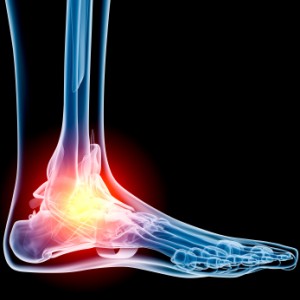
## **Ankle Joint Pain Treatment**
[Ankle joint ](https://chennaiorthopaedics.com/)may become painful due to its repeated use in certain activities like walking, running, playing etc. It may also cause pain due to prolonged inactivity for some time. Both these reasons are distinct but cause pain in the ankle joint.
## **Causes:**
Pain related to overuse is caused by chronic and repetitive micro trauma to the joint and its structures. This is usually related to sports and cause damage to local tissues and results in onset of discomfort and pain. While on the other hand, physical inactivity can cause strain on the muscles and the tissues, making movement of ankle difficult and painful.
## **Symptoms:**
The pain associated with overuse of ankle joint can be described as pain that comes on gradually without a discrete inciting incident. While the pain associated with inactivity is more of stiffness and difficulty to move the ankle for first few minutes.
[ Authored by Dr Bharani Kumar Dayanandam, MBBS, Orthopaedic Surgeon](https://www.chennaiorthopaedics.com/best-arthroscopic-surgeon)
---
### [Ankle Fractures or Injuries](https://chennaiorthopaedics.com/ankle-pain-treatment/ankle-fracture-treatment/)
**Published:** November 20, 2025
**Author:** anjujosephgdcs@gmail.com
**Content:**
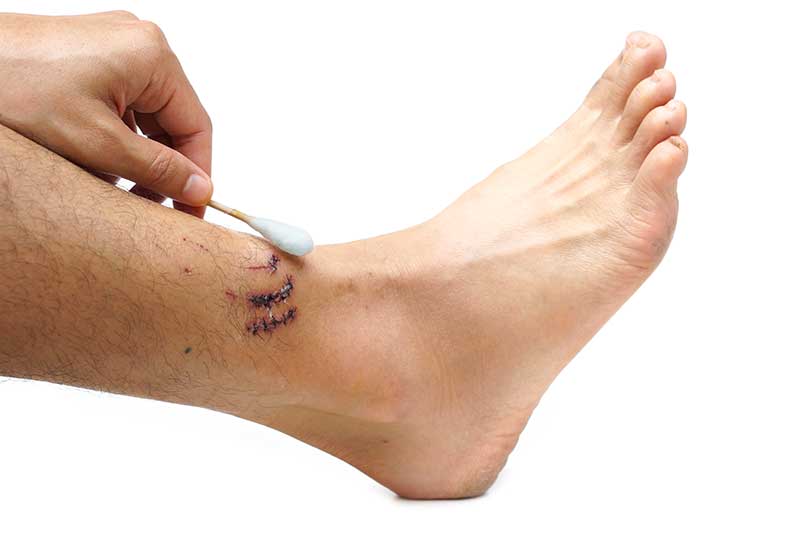
[Ankle fracture](https://www.chennaiorthopaedics.com/ankle-pain-treatment) means that one or more of the bones that make up the ankle joint (tibia, fibula or talus) are broken making it unstable. It can be a simple break in one bone, which may not restrict walking, or several fractures, that may displace ankle out of place.
## **Causes:**
The most common cause of ankle [injury](https://www.chennaiorthopaedics.com/foot-injury-treatment) and fracture is vehicular accident or fall from height or on hard surface. It can also occur due to blunt trauma to the ankle, such as from a car crash. Certain diseases like osteoporosis or obesity can also make bones weak causing ankle fractures. Twisting, rolling or rotating of ankle may also injure it.
## **Symptoms:**
The symptoms of [ankle fracture](https://en.wikipedia.org/wiki/Ankle_fracture) or injury may include any of the following:
- Pain in the ankle
- Swelling of the ankle
- Bruising in or around the joint
- Stiffness
- Inability to move the ankle or put weight or pressure on it
- Redness and warmth over the joint
- Bone protruding out of the joint
- Deformity (“out of place”), particularly if the ankle joint is dislocated as well
[ Authored by Dr Bharani Kumar Dayanandam, MBBS, Orthopaedic Surgeon](https://www.chennaiorthopaedics.com/best-arthroscopic-surgeon)
---
### [Ankle Trauma](https://chennaiorthopaedics.com/ankle-pain-treatment/ankle-trauma/)
**Published:** November 20, 2025
**Author:** anjujosephgdcs@gmail.com
**Content:**
## [Ankle Trauma Treatment](https://www.chennaiorthopaedics.com/ankle-pain-treatment)
Ankle joint is made up of various structures like bones, ligaments, muscles etc. that may get injured due to trauma. Trauma may result in ankle injuries like fractures, dislocation, sprained ankle and tears of soft tissues, like ligaments. In many cases, injuries involve more than one structure in the ankle joint.
## **Causes:**
The most common cause of ankle injury and fracture is vehicular accident or fall from height or on hard surface. It can also occur due to blunt trauma to the ankle, such as from a car crash. Certain diseases like osteoporosis or obesity can also make bones weak causing [ankle fractures](https://chennaiorthopaedics.com/ankle-pain-treatment/ankle-fracture-treatment/). Twisting, rolling or rotating of ankle may also injure it.
## **Symptoms:**
The symptoms of ankle fracture or injury may include any of the following:
- Pain in the ankle
- [Swelling](https://www.chennaiorthopaedics.com/pain-and-swelling-in-shoulder) of the ankle
- Bruising in or around the joint
- [Stiffness](https://chennaiorthopaedics.com/morning-stiffness-of-ankle/)
- Inability to move the ankle or put weight or pressure on it
- Redness and warmth over the joint
- Bone protruding out of the joint
- Deformity (“out of place”), particularly if the ankle joint is dislocated as well
[ Authored by Dr Bharani Kumar Dayanandam, MBBS, Orthopaedic Surgeon](https://www.chennaiorthopaedics.com/best-arthroscopic-surgeon)
---
### [Ankle Pain Treatment in Chennai](https://chennaiorthopaedics.com/ankle-pain-treatment/)
**Published:** November 15, 2025
**Author:** suneethagdcs@gmail.com
**Content:**
Ankle joint helps to balance and stabilize the body. But it is also the most frequently injured joint in the body. It’s made up of bones that are supported with muscles and ligaments. Any damage to these structures can cause ankle ailments.
## [Causes of Ankle ](https://www.chennaiorthopaedics.com/blog/ankle-pain-treatment-and-cause)Pain
Ankle disorders can occur due to variety of reasons including:
- Forceful running, jumping etc.
- Overuse of the joint may cause excessive wear and tear of the joint leading to disorders like osteoarthritis
- Twisting or rotating the ankle beyond the normal range of motion
- Tripping or falling on ankle from height
- Landing on the foot with increased force
- Lack of muscles conditioning of the leg and foot
- Excessive strain on the ankle
- Untreated flat feet
- Different types of arthritis (inflammation of joints and tissues) like osteoarthritis, rheumatoid arthritis, post-traumatic arthritis etc.
## **Symptoms of Ankle** pain
The symptoms of ankle ailments depend upon the disorder and its extent (acute or chronic), But in majority of the cases, patient complains of the following problems associated with the ankle joint:
- Pain in the ankle joint with or without movement
- Severe pain on putting weight on the affected ankle
- Inability to put any weight on the ankle
- Difficulty in walking
- Problems moving the ankle
- Swelling of the joint
- Stiffness in the joint
- Warmth in the joint
- Limping
- Restricted physical activity
- Bruising
- Loud popping sounds at the back of the heel
These are just common symptoms but patient may have other symptoms too that should not be ignored as ankle joint is one of the most important joint of our body. So anything that is not normal or is causing discomfort should be discussed with the [doctor](https://chennaiorthopaedics.com/best-arthroscopic-surgeon/) and treated accordingly.
## **Diagnosis of Ankle** Pain
The diagnosis of ankle ailments starts with a complete medical history of the patient. It is also required to consider family history of[ joint pains](https://chennaiorthopaedics.com/joint-pain/) as some of these disorders run in families. This is followed by thorough physical examination of the joint to find any visible signs and assess its level of activity. In addition to these following diagnostic tests are almost always required to conclude the disorder:
- X ray
- Bone scan
- CAT scan
- MRI
- Arthroscopy
- Biopsy
## **Ankle Pain Treatment** In Chennai
Treatment of ankle problems specifically depends upon the cause and extent of disorder. It is required to first evaluate the damage that has already occurred and simultaneously start the treatment that would prevent further damage. Treatment may include some of the following:
- Medication: Oral or injectable medicines are given to reduce pain, [swelling](https://www.chennaiorthopaedics.com/pain-and-swelling-in-shoulder) and inflammation e.g. [NSAIDs](https://www.nhs.uk/conditions/nsaids/#:~:text=Non%2Dsteroidal%20anti%2Dinflammatory%20drugs,sprains%20and%20strains) (nonsteroidal anti-inflammatory drugs)
- Physical therapy: Various types of exercises and activities are advised to the patient so as to improve the joint movement and strength.
- Compression bandage: Wearing compression bandages or casts to immobilize the ankle.
- Cortisone (steroid) injections: These are given to reduce pain and swelling.
- Surgery: In cases of severely damaged ankle joint that cannot be managed by any of the conservative ways, surgery can prove to be beneficial for the patient.
---
### [Fatigue, Weight Loss and Fever](https://chennaiorthopaedics.com/elbow-pain-treatment/fatigue-weight-loss-and-fever/)
**Published:** December 4, 2025
**Author:** Akhila
**Content:**
If an [elbow pain or inflammation](https://chennaiorthopaedics.com/elbow-pain-treatment/ "elbow pain or inflammation") is associated with marked weight loss without any reason, general fatigue without doing much activity and high fever (with or without chills), it can be associated with some infectious disorder. This condition should not be ignored and needs immediate medical attention. Other alarming symptoms of ankle disorder associated with infection are generalized weakness, inability to move the ankle, severe pain, swelling, redness and warmth in the joint.
[ Authored by Dr Bharani Kumar Dayanandam, MBBS, Orthopaedic Surgeon](https://www.chennaiorthopaedics.com/best-arthroscopic-surgeon)
---
### [CONTACT US](https://chennaiorthopaedics.com/contact-us/)
**Published:** November 17, 2025
**Author:** Akhila
**Content:**
Connect With Our Experts
[Dr. Bharani Kumar](https://www.chennaiorthopaedics.com/best-arthroscopic-surgeon) strives to constantly meet the orthopaedic needs of every patient and offers following unique value added services with a hope that they will prove to be beneficial for the patient:
Follow us on
- [Facebook](https://www.facebook.com/people/Chennai-Orthopaedics/100088200394839/)
- [X](https://twitter.com/chennaiortho1)
- [YouTube](https://www.youtube.com/channel/UCdmO8Q1gM-oXi34Qv-x-IUA)
- [LinkedIn](https://www.linkedin.com/in/chennai-orthopaedics-b67782135)
- [Instagram](https://www.instagram.com/chennai__orthopaedics/)
[← Back](/wp-cron.php?doing_wp_cron=1795238943.5864779949188232421875)
#### Thank you for your response. ✨
![]()
First Name(required)
Last Name(required)
Email(required)
Phone number
Message
1.
SUBMITSubmitting form
Δ
---
### [Hip Fractures or Injuries](https://chennaiorthopaedics.com/hip-pain-treatment/hip-fracture-treatment/)
**Published:** November 19, 2025
**Author:** anjujosephgdcs@gmail.com
**Content:**
Hip fracture generally occurs in the upper portion of the thighbone, or femur. It is a serious condition at any age and almost always requires surgery. In some rare cases, the socket (acetabulum) can become fractured.
## Causes:
The most common cause of knee injury and fracture is vehicular accident or fall from height or on hard surface. It can also occur due to blunt trauma to the hip, such as from a car crash. Certain diseases like osteoporosis or obesity can also cause hip fractures.
## Symptoms:
The symptoms of hip fracture or injury may include any of the following:
- Pain in the hip and groin area
- [Swelling of the hip](https://www.chennaiorthopaedics.com/hip-pain-treatment/stiff-and-swollen-hip)
- Bruising in or around the joint
- Stiffness
- Inability to move the joint or put weight or pressure on the affected hip and leg
- Redness and warmth over the joint
- Bone protruding out of the joint
- The affected leg being shorter than the unaffected leg
[ Authored by Dr Bharani Kumar Dayanandam, MBBS, Orthopaedic Surgeon](https://www.chennaiorthopaedics.com/best-arthroscopic-surgeon)
---
### [Ankle Infections](https://chennaiorthopaedics.com/ankle-pain-treatment/ankle-infections/)
**Published:** November 20, 2025
**Author:** anjujosephgdcs@gmail.com
**Content:**
[Ankle joint](https://www.chennaiorthopaedics.com/ankle-pain-treatment) infection is a serious condition that needs immediate medical intervention. It happens when germs get into the bone or joint and reproduce. Viruses, bacteria, fungi and parasites can all cause infections.
## **Causes:**
Ankle infection may occur due to infected or septic arthritis, septic joint, infection after ankle surgery or after ankle replacement, bursal infection, soft tissue infection or cellulitis.
## **Symptoms:**
Symptoms of ankle infection generally include the following:
- Fever with chills
- Fatigue
- Generalized weakness
- Inability to move the hip
- Severe pain in the joint, especially with movement
- Swelling or Inflammation
- Joint is red and warm to touch
[ Authored by Dr Bharani Kumar Dayanandam, MBBS, Orthopaedic Surgeon](https://www.chennaiorthopaedics.com/best-arthroscopic-surgeon)
---
### [Ankle Deformity](https://chennaiorthopaedics.com/ankle-pain-treatment/ankle-deformity-treatment/)
**Published:** November 19, 2025
**Author:** anjujosephgdcs@gmail.com
**Content:**
Ankle deformity is the distortion of the [ankle joint](https://www.chennaiorthopaedics.com/ankle-pain-treatment) and is mainly of following types:
- Talipes equinus: Ankle joint plantar flexed.
- Talipes equino-valgus: Ankle joint plantar flexed and foot everted.
- Talipes equino-valgus: Ankle joint plantar flexed and foot everted.
- Talipes calcaneus: Ankle joint dorsi flexed.
- Talipes calcaneus: Ankle joint dorsi flexed.
- Talipes calcaneo-varus: Ankle joint dorsi flexed and foot inverted.
- Talipes cavus: Ankle joint dorsi flexed and forefoot plantar flexed, resulting in a high longitudinal arch.
Complex foot and ankle deformity can be difficult to treat with conventional surgical approaches. External fixation with acute or gradual correction of deformities can be used to safely treat complex ankle deformity.
[ Authored by Dr Bharani Kumar Dayanandam, MBBS, Orthopaedic Surgeon](https://www.chennaiorthopaedics.com/best-arthroscopic-surgeon)
---
### [Morning Stiffness of Elbow](https://chennaiorthopaedics.com/elbow-pain-treatment/morning-stiffness-of-elbow/)
**Published:** November 20, 2025
**Author:** suneethagdcs@gmail.com
**Content:**
Morning stiffness of the [elbow joint ](https://www.chennaiorthopaedics.com/elbow-pain-treatment)may be described as rigidity in the elbow joint after waking up in the morning or after a resting period that makes it difficult to perform activities like brushing, combing, cooking, writing etc. It may be severe but is usually brief for less than 30 minutes.
## **Causes:**
The most common cause of [morning stiffness](https://www.chennaiorthopaedics.com/hip-pain-treatment/morning-stiffness-of-hip) of the elbow joint is rheumatoid arthritis or osteo arthritis. Both these disorders causes inflammation and stiffness but RA is more specifically related to morning stiffness.
## **Symptoms:**
Although it is hard to describe morning stiffness but patient generally complains of an ache or discomfort in the elbow joint combined with difficulty moving it for activities like brushing, combing, cooking, writing etc.
Authored by Dr Bharani Kumar Dayanandam, MBBS, Orthopaedic Surgeon
---
### [Pain and Swelling in Elbow](https://chennaiorthopaedics.com/elbow-pain-treatment/pain-and-swelling-in-elbow/)
**Published:** November 13, 2025
**Author:** anjujosephgdcs@gmail.com
**Content:**

[Elbow joint](https://chennaiorthopaedics.com/elbow-pain-treatment) is required in almost all the daily activities like bathing, brushing, writing, cooking etc. Pain and Swelling in or around the elbow is the most uncomfortable situation that makes it difficult or sometimes impossible for the person to perform these daily activities.
## **Causes:**
A combination of elbow pain and swelling may occur due to various reasons like [trauma](https://chennaiorthopaedics.com/elbow-pain-treatment/elbow-trauma), fractures, dislocation, sprains, strains and chronic conditions like inflamed tendons, bursitis, tennis elbow, osteoarthritis, rheumatoid arthritis, or other joint disorders.
## **Symptoms:**
In most of the cases, elbow pain and swelling makes it impossible for the person to perform routine activities and he becomes dependent on other persons for bathing, getting dressed etc.
[ Authored by Dr Bharani Kumar Dayanandam, MBBS, Orthopaedic Surgeon](https://www.chennaiorthopaedics.com/best-arthroscopic-surgeon)
---
## Categories
### [Uncategorized](https://chennaiorthopaedics.com/category/uncategorized/)
---
### [Knee](https://chennaiorthopaedics.com/category/knee/)
---
### [Ankle](https://chennaiorthopaedics.com/category/ankle/)
---
### [Knee Replacement Surgery](https://chennaiorthopaedics.com/category/knee-replacement-surgery/)
---
### [Knee Osteoarthritis](https://chennaiorthopaedics.com/category/knee-osteoarthritis/)
---
### [Shoulder Dislocation](https://chennaiorthopaedics.com/category/shoulder-dislocation/)
---
### [Knee Osteotomy](https://chennaiorthopaedics.com/category/knee-osteotomy/)
---
### [Young Arthritic Knee](https://chennaiorthopaedics.com/category/young-arthritic-knee/)
---
### [Sports injury](https://chennaiorthopaedics.com/category/sports-injury/)
---